2/ The "Working Backwards" playbook
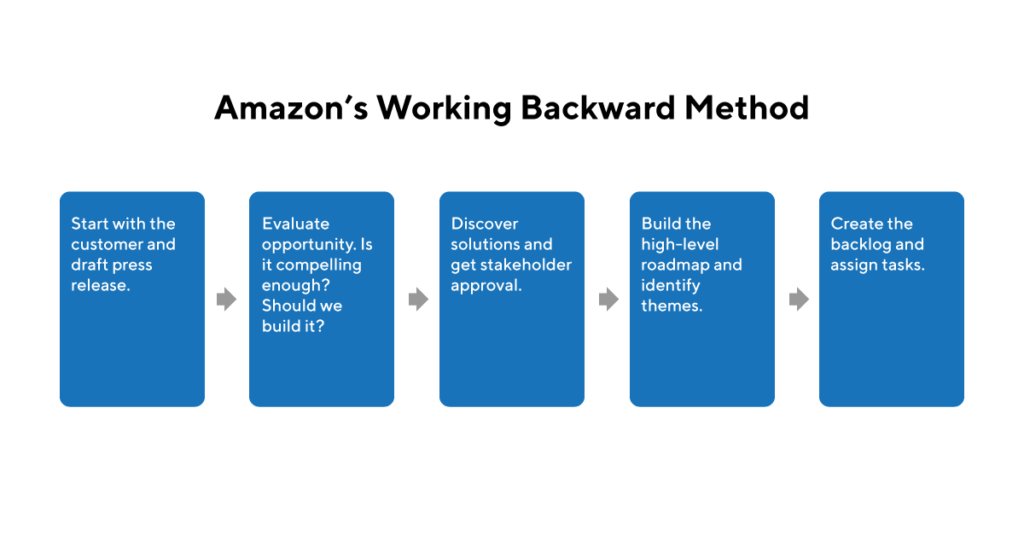
Instead of creating a product then finding customers, Amazon asks "What does the customer need?" and works toward the product.
✅Customer need --> Create product
❌Create product --> Find customer
3/ Write a mock press release
To determine if the customer need makes biz sense, employees write a press release:
• What problem is the new product solving
• Why it's better than existing options
To persuade a customer, the document has to be jargon-free and tell a story.
4/ Press release forces big thinking
You don't write a press release for an incremental improvements.
Creating a product worthy of a press release means really solving a customer problem and going after markets with large TAMs.
5/ Include an FAQ in press release
Addressing every potential customer question can help identify hurdles to getting something to market...and also uncover opportunities.
6/ Why memos over Powerpoint?
Amazon famously has execs write 6-page narrative-driven memos instead of Powerpoint decks.
The practice began in 2004 when Jeff Bezos noticed nothing was being decided after 60-minute long meetings with his inner circle (AKA S-Team).
7/ Memos > Powerpoint #1: More info density
People read faster than people can talk meaning that -- for a 60 minute meeting -- reading a memo before discussing an issue conveys much more information (10x more per one of the book's authors).
Narratives are also more memorable.
8/ Memos > Powerpoint #2: Ideas > Charisma
In Powerpoint presentations, a great presenter can sell a bad idea. Conversely, a poor presenter may be unable to sell a great idea.
In a memo, the idea wins.
9/ Memos > Powerpoint #3: Better analysis
Powerpoint's hierarchical (and sequential) structure is not ideal to address complex issues.
Narrative-driven memos can be multi-causal and provide a 360-degree view on a topic.
10/ Memos > Powerpoint #4: Focusses a meeting
If every meeting participant spends the first 1/3rd of a 60-minute meeting reading, there is a huge transfer of information.
It's a forcing function to get everyone on the same page and makes the remaining 40-minutes high quality.
11/ Memos > Powerpoint #5: Shared understanding
Whether or not one agrees with everything in a memo, focussed reading of a document provides a shared knowledge base with which to begin discussions.
Further, someone can quickly "get up to speed" by reading past memos.
12/ Memos > Powerpoint #6: Decisions need narrative
Powerpoint and Excel are great at communicating data.
However, at the executive level, you are making complex decisions and leading. This requires a mastery of narrative (AKA memo writing) to persuade stakeholders.
13/ Writing is crucial to help a company scale
At 20 employees, Bezos could be in every meeting. At 1k+ employees, he needed a way to “inject his lens of thinking” into the organization.
An archive of writing helps encode the thinking across the company (e.g. Annual letters)
14/ If you enjoy business breakdowns (and dumb memes), def HIT THAT FOLLOW.
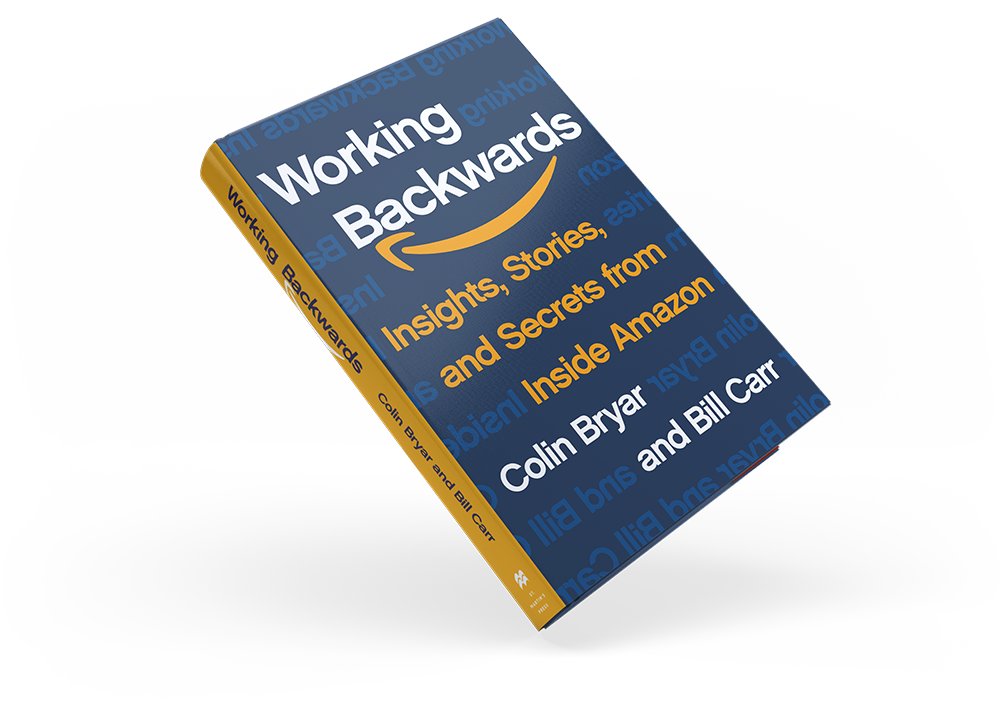
For more on the book, check this a16z podcast:
https://t.co/Gz876YZs1b Here's the book:
https://t.co/qTzLMrCCYw
15/ FYI, if you liked this Amazon thread, you might like this thread about Netflix's culture:
https://t.co/TnEdX81mCo