Think crypto is confusing?

You're right.

Let's make it easier.

Here's Crypto Terminology 101: 🧵

Altcoin:

Any coin that's not #Bitcoin

Ether (#ETH) is the second most popular coin overall and the most well-known Altcoin.

Ether is the native cryptocurrency on the Ethereum blockchain.

There are thousands of other altcoins, but for now, this is the one to know.
Bitcoin: (#BTC)

The first decentralized digital currency.

Launched in 2009 by an unknown person or organization known only as "Satoshi Nakamoto."

It is the most famous, and most valuable cryptocurrency.
Blockchain:

The core tech behind Bitcoin and most other cryptocurrencies.

An open, distributed, general ledger where transactions are organized into blocks which are then connected using cryptography.
Coin:

A store of digital value that lives on a blockchain.

Some blockchains, such as Bitcoin, use the same name for both the network and the coin.

Stable coins are another type of cryptocurrency which are backed by fiat currency (e.g the US dollar) or commodities such as Gold.
Cryptocurrency:

A currency that is digital & decentralized.

Crypto removes the need for a trusted authority or "middle-man" to certify the validity of a transaction.

Can be used to buy & sell goods or as a long-term store of value.
Decentralization:

The transfer of authority from a centralized organization (e.g. banks or governments) to a distributed public network.

Blockchains are considered to be decentralized due to the fact data is stored across multiple locations in a peer-to-peer network.
Decentralized Applications: (DApps)

Ethereum is currently the main network supporting DApps.

Put simply, DApps are applications designed to run on a blockchain and carry out tasks without the need for intermediaries.
Decentralized Autonomous Organization: (DAO)

An organization, built on a blockchain, working without oversight from a central government or authority.

Operated by users (aka shareholders) with a transparent set of rules encoded as a computer program.
DeFi: (Decentralized Finance)

The term used to describe financial activities conducted without the involvement of an intermediary.

The need for banks, governments or financial institutions to validate transactions is removed.
Distributed Ledger:

A database that uses independent computers (referred to as nodes) to record, share, and synchronize transactions.

The data is spread across multiple entities, locations, or institutions.

Unlike in a centralized database, there is no central administrator.
Exchange:

Coinbase, Binance, and Gemini are a few examples of centralized crypto exchanges.

Places where users can "exchnge" one type of cryptocurrency for another.

Need to buy, sell, or trade your Crypto?

An exchange is the place to be.
Ethereum:

A public, open-source, blockchain network & decentralized software platform.

Designed to allow developers to create & run new applications with "smart contract" functionality. (see below)

It also has an associated currency called "Ether."
Gas:

Just as your car requires fuel to run, so does the Ethereum network.

Each transaction uses computational resources in order to execute.

Gas, refers to the unit fee required to succesfully execute a transaction on Ethereum.
Keys: (Public & Private)

•Public – Your wallet's address. (i.e. your bank account #)

Can be shared with individuals or instituitons to send or withdraw money.

•Private – (i.e. your bank password)

Allows direct access to your crypto.

Should be kept secure & never shared.
Mining:

The process by which network nodes (computers) validate blocks or transactions and add them to a blockchain.

In order for a block to be verified, a "miner" must use a computer to solve a cryptographic problem.

Once solved, the block is considered "mined" or verified.
NFT:

Non-Fungible Token.

Fungibility refers to an object's ability to be exchanged for another of equal value.

NFT's are a type of token that are considered to be unique digital assets that have no equal token.

Digital artwork is currently the most popular form of NFT.
Smart Contract:

Similar to traditional contracts, "smart" contracts contain a set of agreements or actions between parties.

The key difference is that smart contracts contain automated actions, written in code, that are only executed once agreed upon conditions are met.
Wallet: (Hot & Cold)

A storage location for your digital assets.

•Hot: Stored online (software based) usually offered through an exchange.

•Cold: The generation and storage of private keys is done in an offline environment.
Thanks for reading!

The world of cryptocurrency is constantly evolving.

New terms, techniques, & technologies are being added daily.

I hope you found this useful and learned something new, I know I did in writing it.

For more on the future of crypto & Web 3.0 stay tuned...
As for me...

If you found this helpful, why not share?

•Retweet the first tweet and help others find this thread

•Join 30,000+ of my friends & follow me: @blakeaburge

•Thank you for reading!
https://t.co/YokOrX2SzE
For these terms & more check out the following sources:

https://t.co/NNtrN02Ldm

https://t.co/sl7VY5CLuJ

https://t.co/3VRZMQKKE9
Back to the top:
https://t.co/iLN7swhg3F

More from Blake Burge 💡

Success isn't a mistake.

8 steps to build the life you want. 🧵

Clock In:

It's time to go to work.

There are no magic bullets & "get-rich-quick" doesn't exist in the real world.

Immerse yourself in learning, have a bias toward action, be willing to do what others won't.

Do this & you won't need to look for results, they'll find you.

Work from the top down:

The fastest way to get from where you are to where you want to be?

Find someone who's already there.

Learn from them, seek advice, & follow the path they've forged.

Reach out.

People are more willing to help than you think.


Persist:

The bigger your goals, the more likely it is they'll take longer to achieve.

Most people fail when they quit right before their plan is beginning to work.

By stopping, they never know how close they actually were.

Be consistent. Keep going.

h/t@visualizevalue


Build your personal brand:

We're all selling something, often it's ourselves.

Give before you get.

Provide value, be unique, be consistent.

Once people know what to expect from you, they'll come back for more.

The best advertisement in the world is repeatable results.
10 websites you didn't know you were missing (until now) :

https://t.co/vC0nCFDmk0

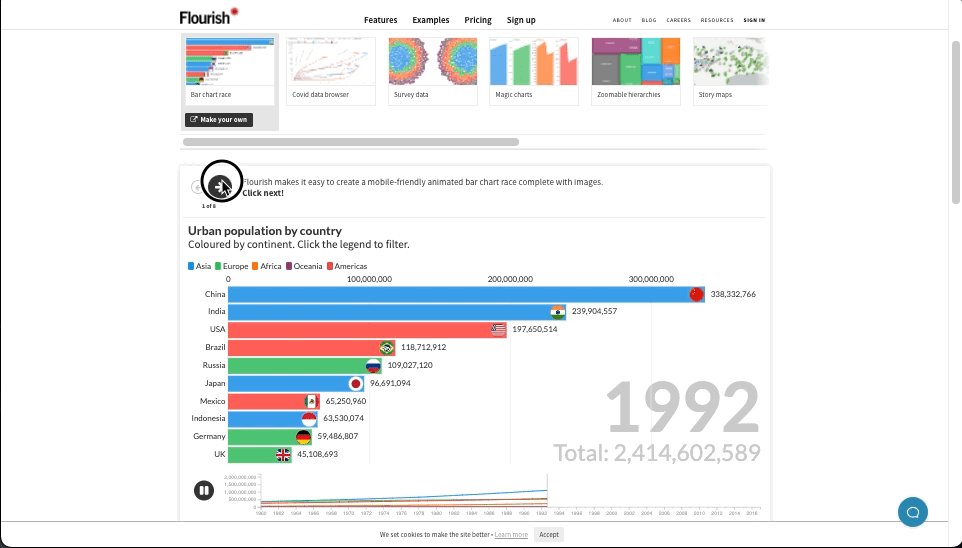
People are visual learners.

Easily turn your data into stunning charts, maps, and interactive stories.

Upload a spreadsheet, and return with:

• Animated bar charts
• Survey data
• Scatter plots
• Story maps & more


https://t.co/g9YBl2ELwq

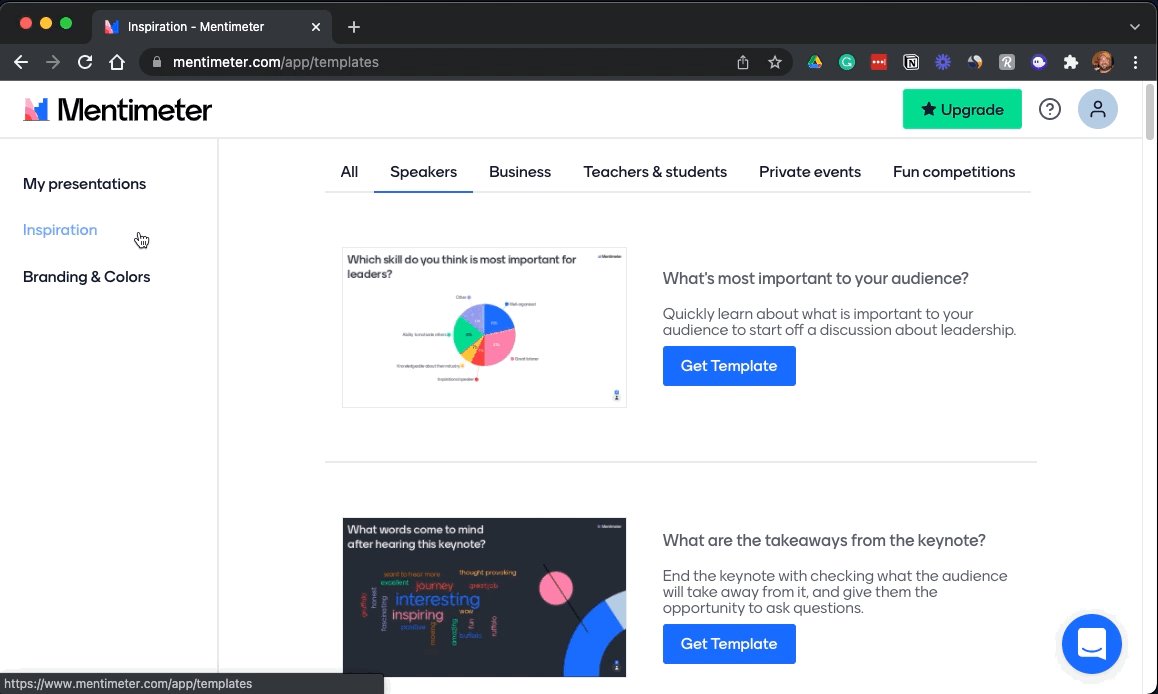
Looking for a way to make your presentations more engaging?

Build interactive polls, quizzes, and more allowing your audience to engage in real-time.

Using their smartphone, attendees can answer questions and the results are visualized as they happen.


https://t.co/wsUNfyHzFb

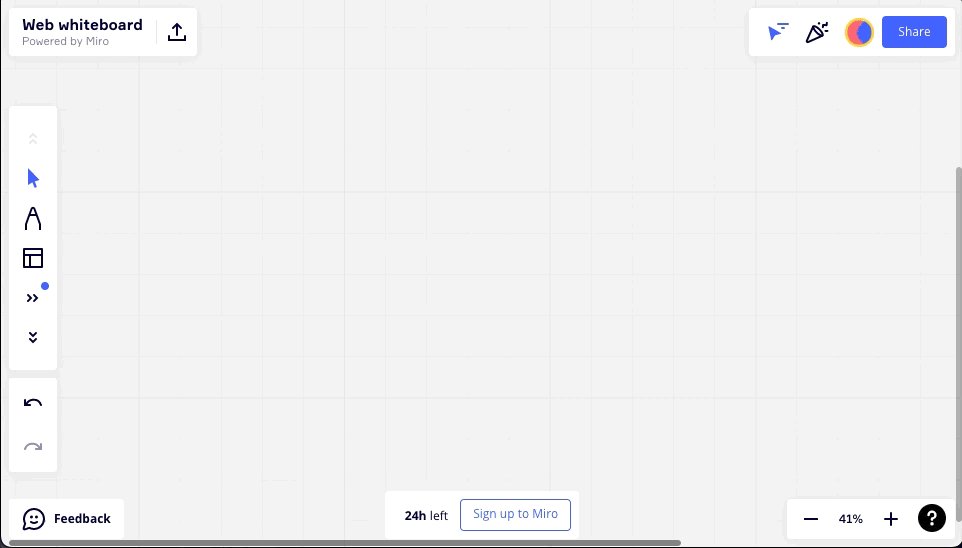
An online collaborative whiteboard ideal for remote meetings, brainstorming, and ideation across teams.

• Make flowcharts
• Build product roadmaps
• Engage in a quick retrospective

The best part?

It's free.


https://t.co/RxDEsvPB2w

My friend @thejustinwelsh brought this site to my attention recently.

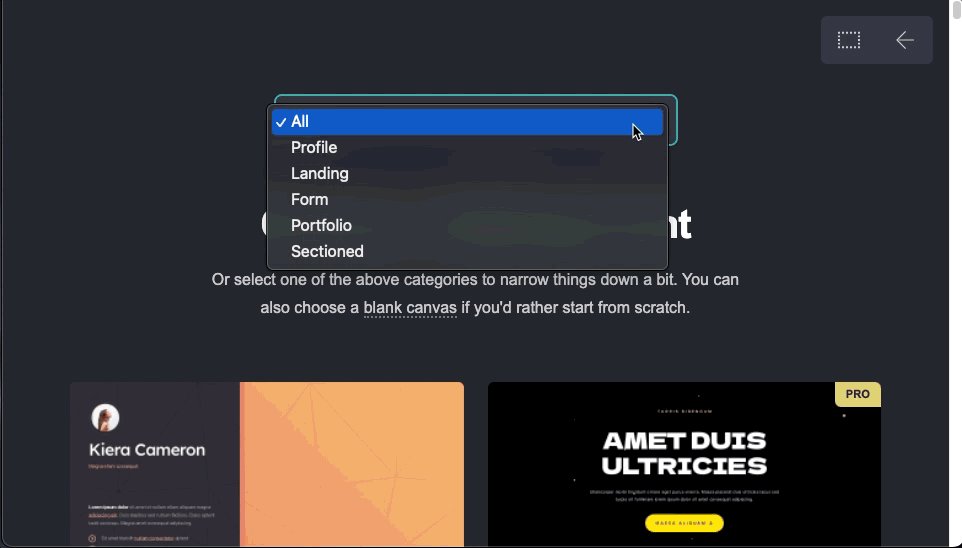
If you're in the solopreneur game and need to spin up a quick landing page or website for just about anything, Carrd is tough to beat.

Simple, free, mobile responsive.

Check 'em out.

More from Crypto

Back with another #FreeLoveFriday. Last time, we covered how Mastercoin/@Omni_Layer pioneered digital asset issuance on blockchains. Today, let’s discuss @Chainlink and the vital role it plays in connecting blockchains to the real world.


I have said repeatedly that digital asset issuance is the killer application for blockchains. The next frontier is bringing real world assets to networks like @AvalancheAVAX, but we often face a significant problem:

Namely, how do you get data from the real world onto blockchains and into applications running on them? More critically, how do you achieve that securely and transparently in real-time? Smart contracts are tamper-proof, but they're only as reliable as their input data.

Enter ChainLink in September 2017, with a whitepaper outlining a vision for a decentralized network of “oracles,” entities that inject facts from the external world into blockchains in a suitable format for smart contracts.

Until ChainLink, oracles were trusted and centralized. This is a huge problem for high-value assets and smart contracts. High value projects, such as @CelsiusNetwork, @synthetix_io, @Aaveaave and others depend critically on oracle data.

You May Also Like

शमशान में जब महर्षि दधीचि के मांसपिंड का दाह संस्कार हो रहा था तो उनकी पत्नी अपने पति का वियोग सहन नहीं कर पायी और पास में ही स्थित विशाल पीपल वृक्ष के कोटर में अपने तीन वर्ष के बालक को रख के स्वयं चिता पे बैठ कर सती हो गयी ।इस प्रकार ऋषी दधीचि और उनकी पत्नी की मुक्ति हो गयी।


परन्तु पीपल के कोटर में रखा बालक भूख प्यास से तड़पने लगा। जब कुछ नहीं मिला तो वो कोटर में पड़े पीपल के गोदों (फल) को खाकर बड़ा होने लगा। कालान्तर में पीपल के फलों और पत्तों को खाकर बालक का जीवन किसी प्रकार सुरक्षित रहा।

एक दिन देवर्षि नारद वहां से गुजर रहे थे ।नारद ने पीपल के कोटर में बालक को देख कर उसका परिचय मांगा -
नारद बोले - बालक तुम कौन हो?
बालक - यही तो मैं भी जानना चहता हूँ ।
नारद - तुम्हारे जनक कौन हैं?
बालक - यही तो मैं भी जानना चाहता हूँ ।

तब नारद ने आँखें बन्द कर ध्यान लगाया ।


तत्पश्चात आश्चर्यचकित हो कर बालक को बताया कि 'हे बालक! तुम महान दानी महर्षि दधीचि के पुत्र हो । तुम्हारे पिता की अस्थियों का वज्रास्त्र बनाकर ही देवताओं ने असुरों पर विजय पायी थी।तुम्हारे पिता की मृत्यु मात्र 31 वर्ष की वय में ही हो गयी थी'।

बालक - मेरे पिता की अकाल मृत्यु का क्या कारण था?
नारद - तुम्हारे पिता पर शनिदेव की महादशा थी।
बालक - मेरे उपर आयी विपत्ति का कारण क्या था?
नारद - शनिदेव की महादशा।
इतना बताकर देवर्षि नारद ने पीपल के पत्तों और गोदों को खाकर बड़े हुए उस बालक का नाम पिप्पलाद रखा और उसे दीक्षित किया।
Ivor Cummins has been wrong (or lying) almost entirely throughout this pandemic and got paid handsomly for it.

He has been wrong (or lying) so often that it will be nearly impossible for me to track every grift, lie, deceit, manipulation he has pulled. I will use...


... other sources who have been trying to shine on light on this grifter (as I have tried to do, time and again:


Example #1: "Still not seeing Sweden signal versus Denmark really"... There it was (Images attached).
19 to 80 is an over 300% difference.

Tweet: https://t.co/36FnYnsRT9


Example #2 - "Yes, I'm comparing the Noridcs / No, you cannot compare the Nordics."

I wonder why...

Tweets: https://t.co/XLfoX4rpck / https://t.co/vjE1ctLU5x


Example #3 - "I'm only looking at what makes the data fit in my favour" a.k.a moving the goalposts.

Tweets: https://t.co/vcDpTu3qyj / https://t.co/CA3N6hC2Lq