BC TA

MASTER THREAD On Trading Terminology. 💯

If you are confused trading terms, but beginner and advanced, Read this thread.

Read. Share. And RT

Let's Go🚀🚀

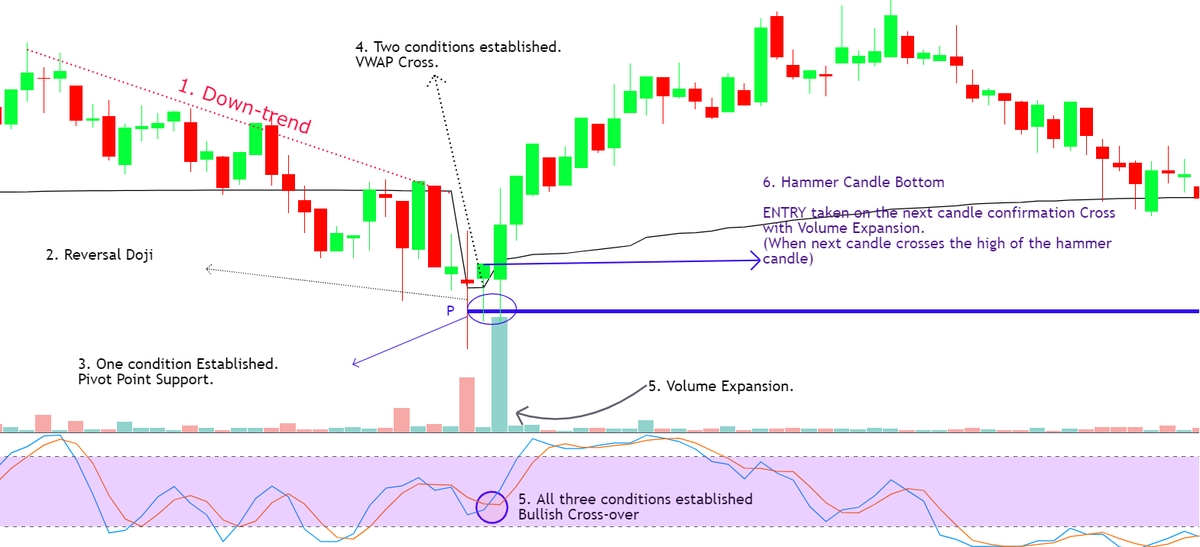
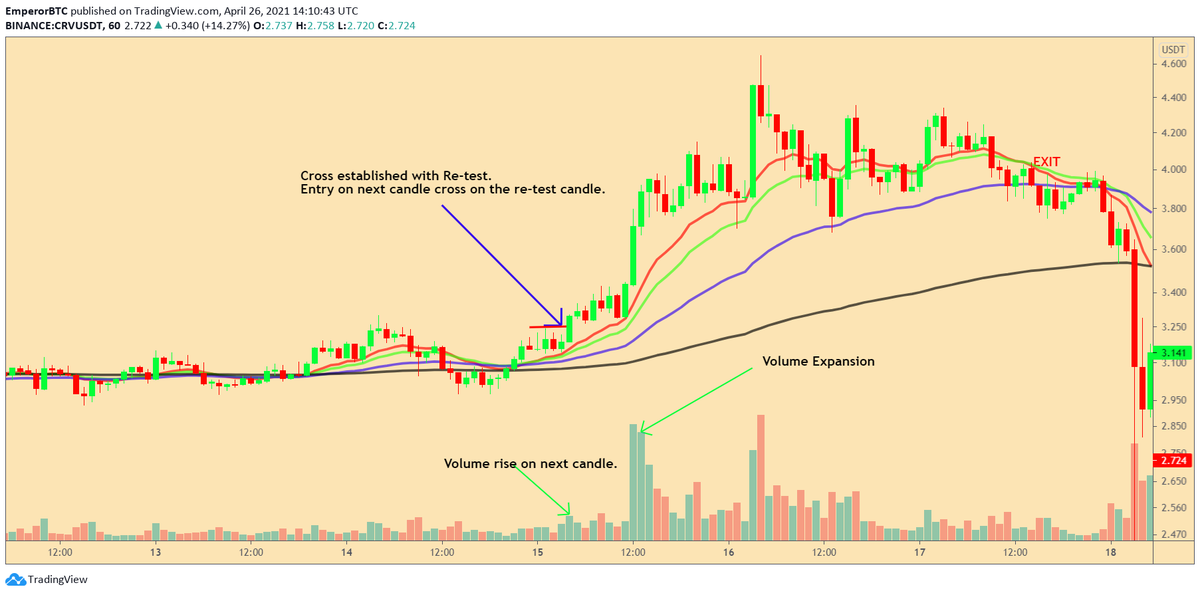
The above Explains

1. Basics of Volume Profile. No need to Panics if you don't understand VP, just understand the definition for now.

2. Explains DOM, Deviation and Liquidity Grab.

Please take the time to read the above slowly and carefully.

Deviation explanation here.👇
Cheat Sheet 2.

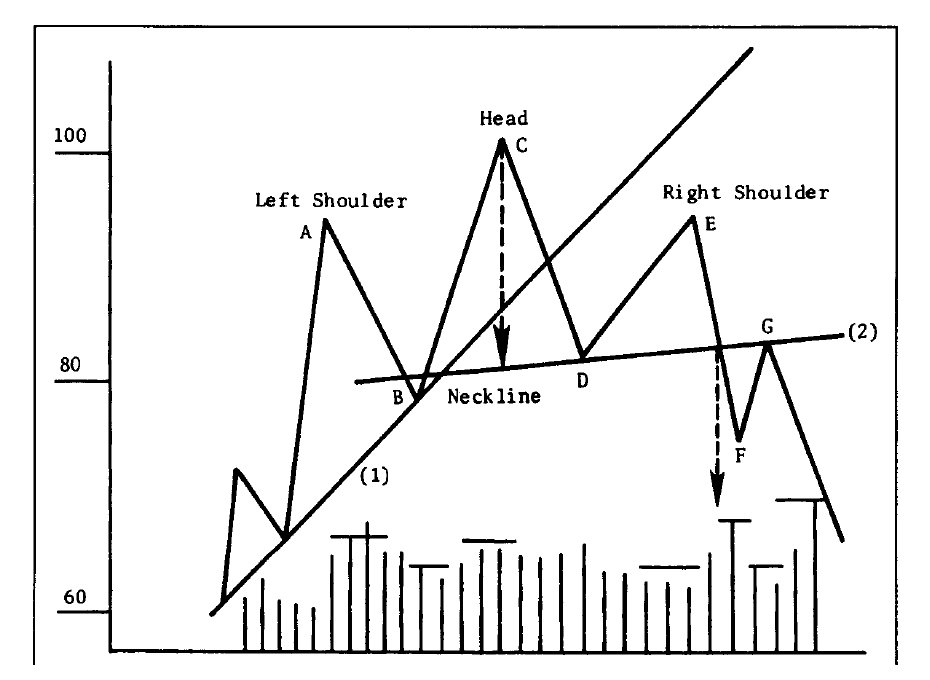
Explains Basic price patterns and price movements explained.
I am adding a screenshot of the DOM to show how Bid, Ask and Orders look like.

This will explain what everything on an limit order book means.
Cheat Sheet 3.

A few advanced words about trading.
Cheat Sheet 4.

This contains the miscellaneous words that traders need to know.

You can download the cheat sheets and refer it often.
I hope the above cheat sheets help you in understanding a few words.

Don't worry if you still have doubts, it will all be click in future threads. Please share the above thread with everyone that you can. 🤝🤝
Read the cheat Sheet and post questions below

Thanks to Delta for Collaborating and making the threads possible through my assistant.

I promise to keep the best trading tutorials as fast as possible.🚀

You can help by Signing up at Delta & trading there
https://t.co/U010rgKDrI

More from Emperor👑

More from Ta

Moving Averages 📚

💎SECRET INFO inside

🧠Great for both beginners & advanced traders

▪️ What are they?
▪️ Types of MAs
▪️ Why are they such a powerful tool?
▪️ How to properly use them?
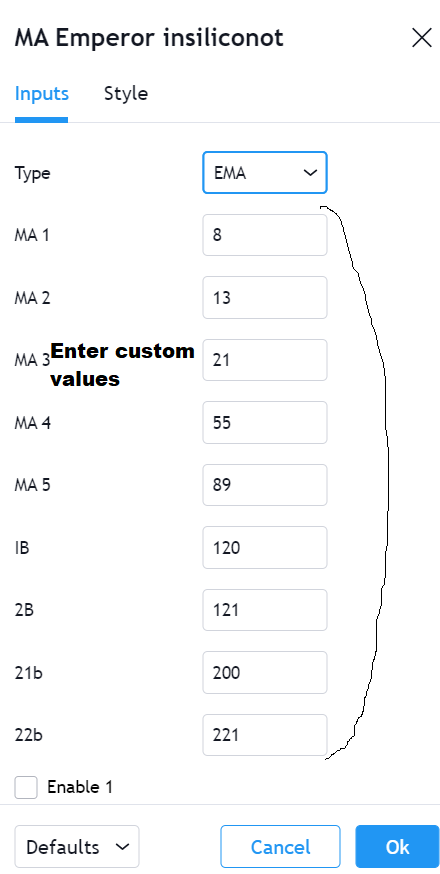
▪️ My best SECRET EMA value?
▪️ Which Timeframe to use?
▪️ Advanced EMA technique?

1/20


▪️ What are they?

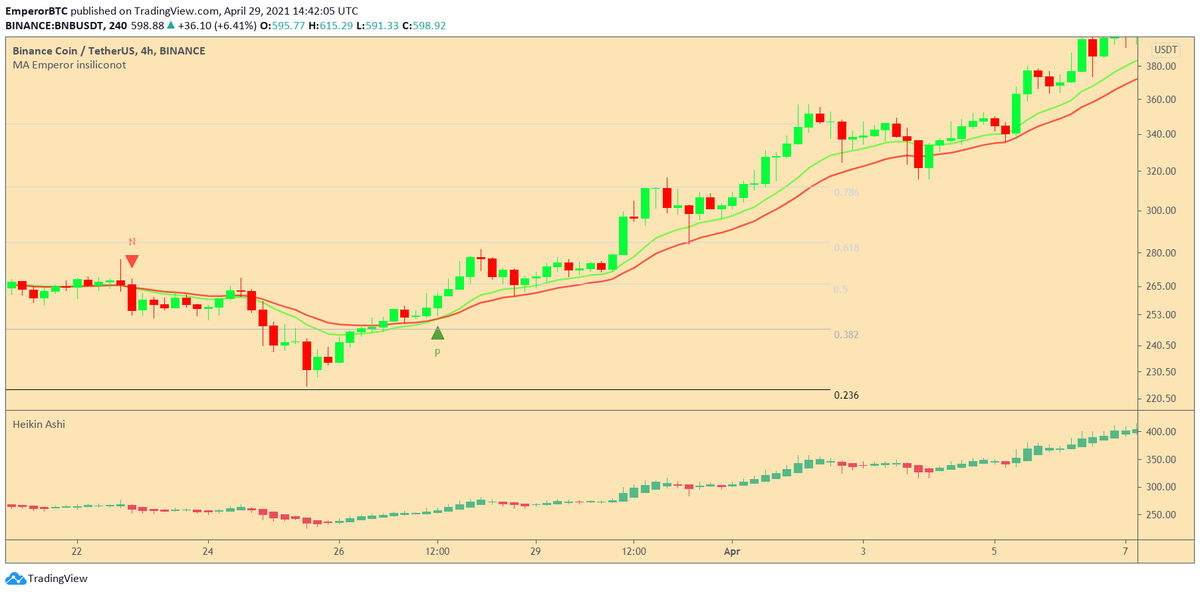
Moving average is nothing more than an average price of the last (value) of candles.

If we are gonna use an example of MA(50) it is gonna be the mean price of the last 50 candles

General rule:
Price above = Bullish 🐂
Price below = Bearish 🐻

2/20


▪️ Types of Moving Averages

1) Simple Moving Average - SMA
2) Exponential Moving Average - EMA
3) Smoothed Moving Average - SMMA
4) Volume Weighted Average Price - VWAP

There are a few more but these are the most important in my opinion.

3/20


I won't be going that much into detail about each of them in this thread but more so covering MAs in general.

The important takeaway is there are many methods of calculations and each offers bit different pros & cons

I'll leave experimenting with each of them up to you

4/20

▪️ Why are they such a powerful tool?

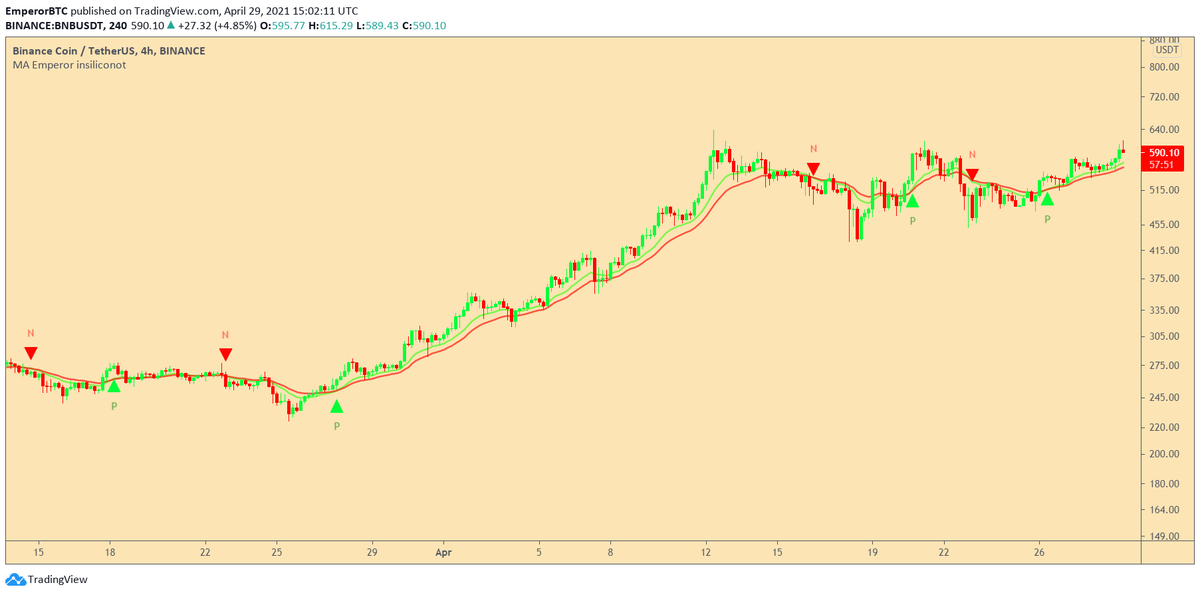
Because they help everyone, even newbies, that are just starting out, to easily & visually clearly identify trends without understanding the advanced Market Structure techniques.

Price above = 🐂

5/20

https://t.co/g5SneLNPh5

You May Also Like

A brief analysis and comparison of the CSS for Twitter's PWA vs Twitter's legacy desktop website. The difference is dramatic and I'll touch on some reasons why.

Legacy site *downloads* ~630 KB CSS per theme and writing direction.

6,769 rules
9,252 selectors
16.7k declarations
3,370 unique declarations
44 media queries
36 unique colors
50 unique background colors
46 unique font sizes
39 unique z-indices

https://t.co/qyl4Bt1i5x


PWA *incrementally generates* ~30 KB CSS that handles all themes and writing directions.

735 rules
740 selectors
757 declarations
730 unique declarations
0 media queries
11 unique colors
32 unique background colors
15 unique font sizes
7 unique z-indices

https://t.co/w7oNG5KUkJ


The legacy site's CSS is what happens when hundreds of people directly write CSS over many years. Specificity wars, redundancy, a house of cards that can't be fixed. The result is extremely inefficient and error-prone styling that punishes users and developers.

The PWA's CSS is generated on-demand by a JS framework that manages styles and outputs "atomic CSS". The framework can enforce strict constraints and perform optimisations, which is why the CSS is so much smaller and safer. Style conflicts and unbounded CSS growth are avoided.