Most Helpful GitHub Repositories for JavaScript Developers

A Thread🧵👇

⚡️30-Days-Of-JavaScript

As the name suggests learn JavaScript in 30 Days.
https://t.co/WuB5okdoR7
⚡️ es6-cheatsheet

A cheatsheet containing ES2015 [ES6] tips, tricks, best practices and code snippet examples for your day to day workflow.
https://t.co/wNiLx7AL5Z
⚡️ The Algorithms - JavaScript

All algorithms implemented in JavaScript
https://t.co/LD6bcVV2x6
⚡️ 33-js-concepts

33 Concepts Every JavaScript Developer Should Know.
https://t.co/SiWyjYi9WS
⚡️ clean-code-javascript

Software engineering principles, from Robert C. Martin's book Clean Code, adapted for JavaScript.
This is not a style guide. It's a guide to producing readable, reusable, and refactorable software in JavaScript.
https://t.co/ygmhb6OuOE
⚡️project-guidelines

BEST PRACTICES and guidelines to create a JavaScript project
https://t.co/VXSFcJTpjl
⚡️javascript-questions

JavaScript MCQs to help you learn/practice JavaScript concepts
https://t.co/rG5gfzskyV
⚡️You-Dont-Know-JS

This is a series of books diving deep into the core mechanisms of the JavaScript language.
https://t.co/MciPdGQLAA
⚡️ javascript-algorithms

This repository contains JavaScript based examples of many popular algorithms and data structures.
https://t.co/goQes3QRgA
Happy Coding❤️🧑‍💻👨‍💻👩‍💻

More from Nirbhay Vashisht

Want to learn JavaScript ?

Here's a Detailed Roadmap for you 🧵👇

1. Start with
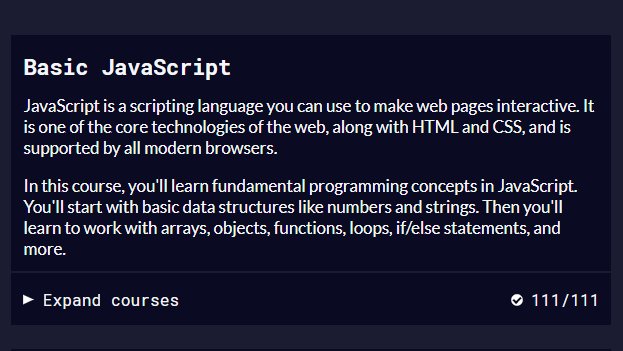
https://t.co/LUATAaPiaW's - JavaScript Algorithms and Data Structures Certification and finish the "Basic JavaScript" module.

You'll get a basic understanding of JavaScript and Programming in general.


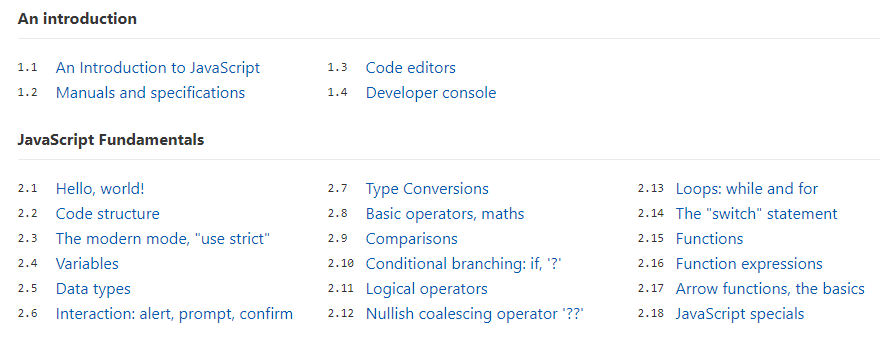
2. Move to https://t.co/ZDqK2dT8Iz and complete the following parts:
- An Introduction
- JavaScript Fundamentals
You'll start to understand Basic JavaScript concepts and their details.


3. Complete "Objects: the basics" section in https://t.co/ZDqK2dT8Iz

By this point you'll have a decent understanding of JavaScript Objects

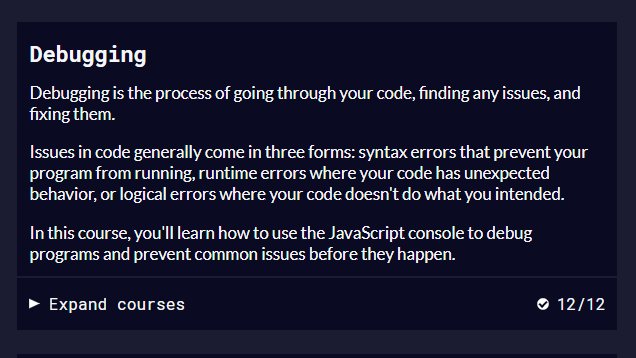
4. Time to return to freeCodeCamp. Finish the following sections:
1. Debugging
2. Basic Data Structure

More from Education

Last month I presented seven sentences in seven different languages, all written in a form of the Chinese-character script. The challenge was to identify the languages and, if possible, provide a


Here again are those seven sentences:

1) 他的剑从船上掉到河里去
2) 於世𡗉番𧡊哭唭𢆥尼歲㐌外四𨑮
3) 入良沙寢矣見昆腳烏伊四是良羅
4) 佢而家喺邊喥呀
5) 夜久毛多都伊豆毛夜幣賀岐都麻碁微爾夜幣賀岐都久流曾能夜幣賀岐袁
6) 其劍自舟中墜於水
7) 今天愛晚特語兔吃二魚佛午飯

Six of those seven sentences are historically attested. One is not: I invented #7. I’m going to dive into an exploration of that seventh sentence in today’s thread.

Sentence #7 is an English-language sentence written sinographically — that is, using graphs that originate in the Chinese script. I didn’t do this for fun (even though it is fun), or as a proposal for a new way to write


I did it as a thought experiment. Why? Because thinking about how the modern Chinese script might be adapted to write modern English can give us valuable insights into historical instances of script borrowing, like those that took place centuries ago in Japan, Korea, and Vietnam.

You May Also Like