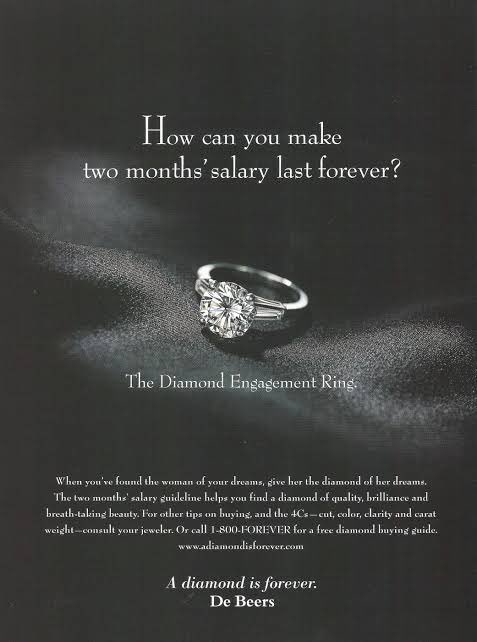
De Beers “Diamonds are Forever”
Arguably the most iconic, controversial, and impactful marketing campaign in history.
Created the massive, global diamond industry.
(Note: This will be the subject of a future thread…)
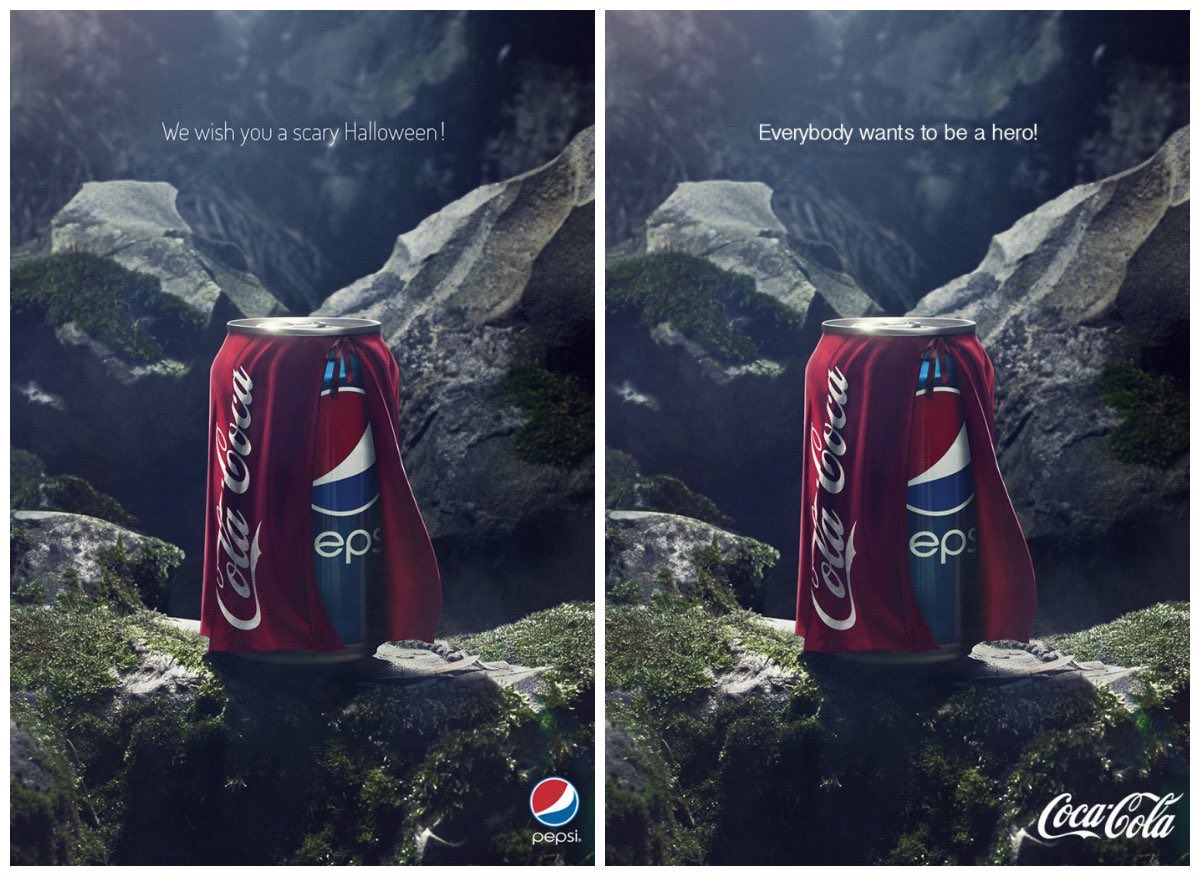
Coke vs. Pepsi Superman Battle
Pepsi ran the Halloween ad on the left. Coke responded with the ad on the right.
Game, set, match.
h/t
@perfexcellent
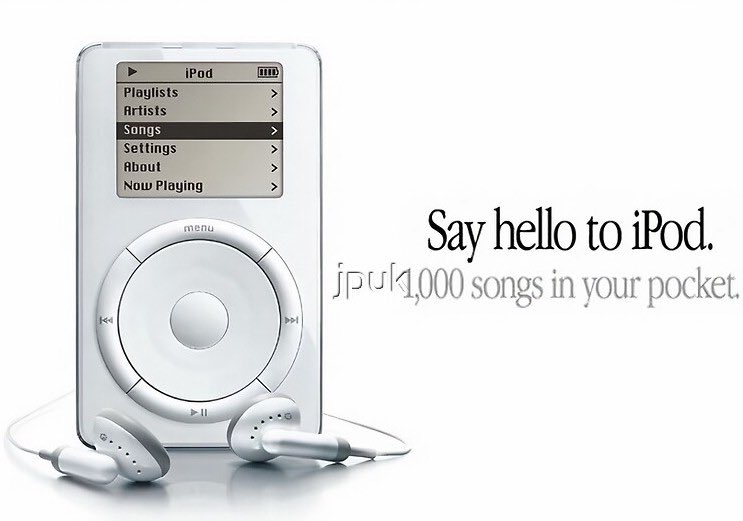
The Original Apple iPod Campaign
“1,000 songs in your pocket”
Simple, intuitive, genius.
Starbucks Wrong Names on Cups
Starbucks employees writing the names of millions of customers in hilariously wrong ways to get them to post the images across social media with Starbucks branding.
For free.
h/t
@SleepwellCap
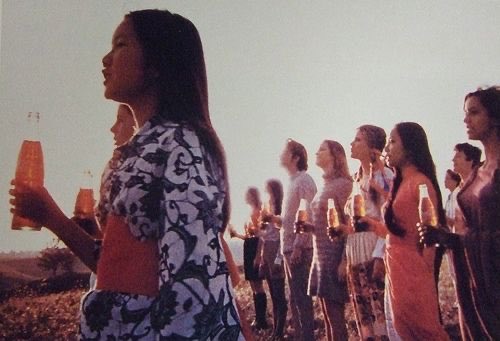
Coca-Cola “Buy the World a Coke”
Released in 1971, but way ahead of its time. Invoked a deep sense of humanity and togetherness never before seen in the world of marketing and advertising.
h/t
@jposhaughnessy
Snickers “Not Going Anywhere for a While?”
Positioned a Snickers bar as a robust meal with a compelling ad that captured the audience until the punchline.
h/t
@waitbutwhy
Bitcoin Laser Eyes
A simple, clear signal of membership in a community.
Patek Philippe "You Never Actually Own a Patek Philippe"
Legacy, craftsmanship, and pride.
h/t
@marketplunger1
Volkswagen “Think Small” and “Lemon”
Creativity in crafting a unique selling proposition to the customer.
h/t
@nick_dewilde @ErinBoothVA
Parental Advisory Explicit Content
Made an entire generation of kids 100x more likely to purchase an album…
h/t
@parisofprairie
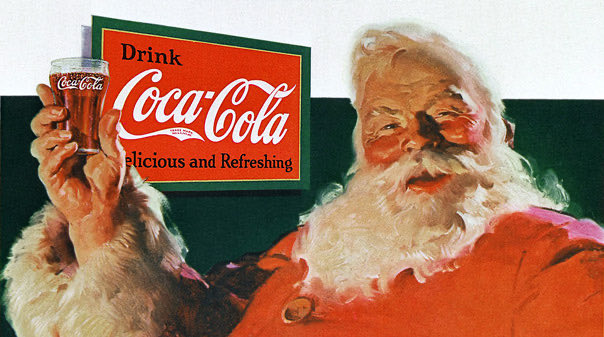
Coca-Cola Santa Claus
The modern day red and white imagery of Santa Claus was created by a Coca-Cola 1920s holiday marketing campaign.
h/t
@theashelina
Durex Father’s Day
An unbelievably creative, product-relevant dagger into the heart of the competition.
h/t
@luxconduct
Apple “Think Different”
Iconic is an understatement.
Avis “No. 2”
Creative campaign focused on why being #2 is a competitive advantage.
h/t
@EarlyStageSales
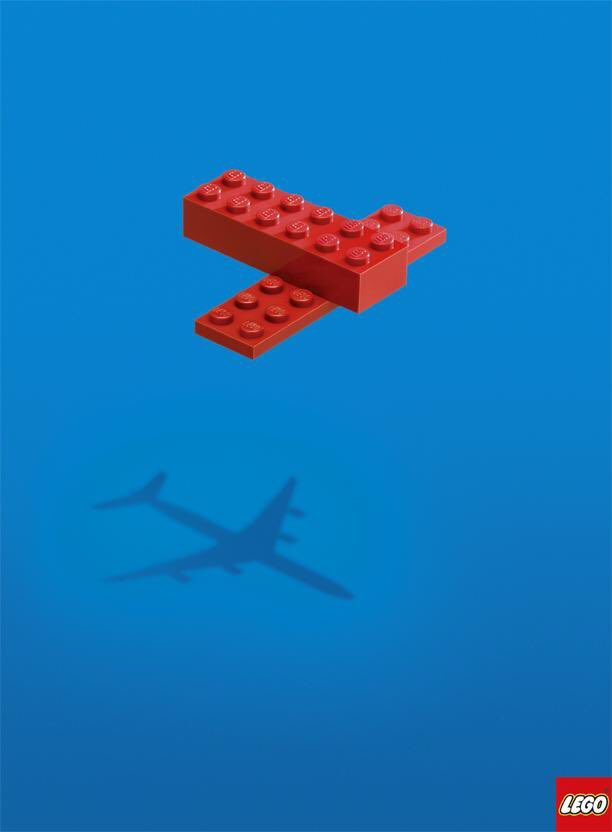
Lego Airplane
Simple and imaginative. Invokes a feeling of child-like wonder and curiosity.
h/t
@MDelhez
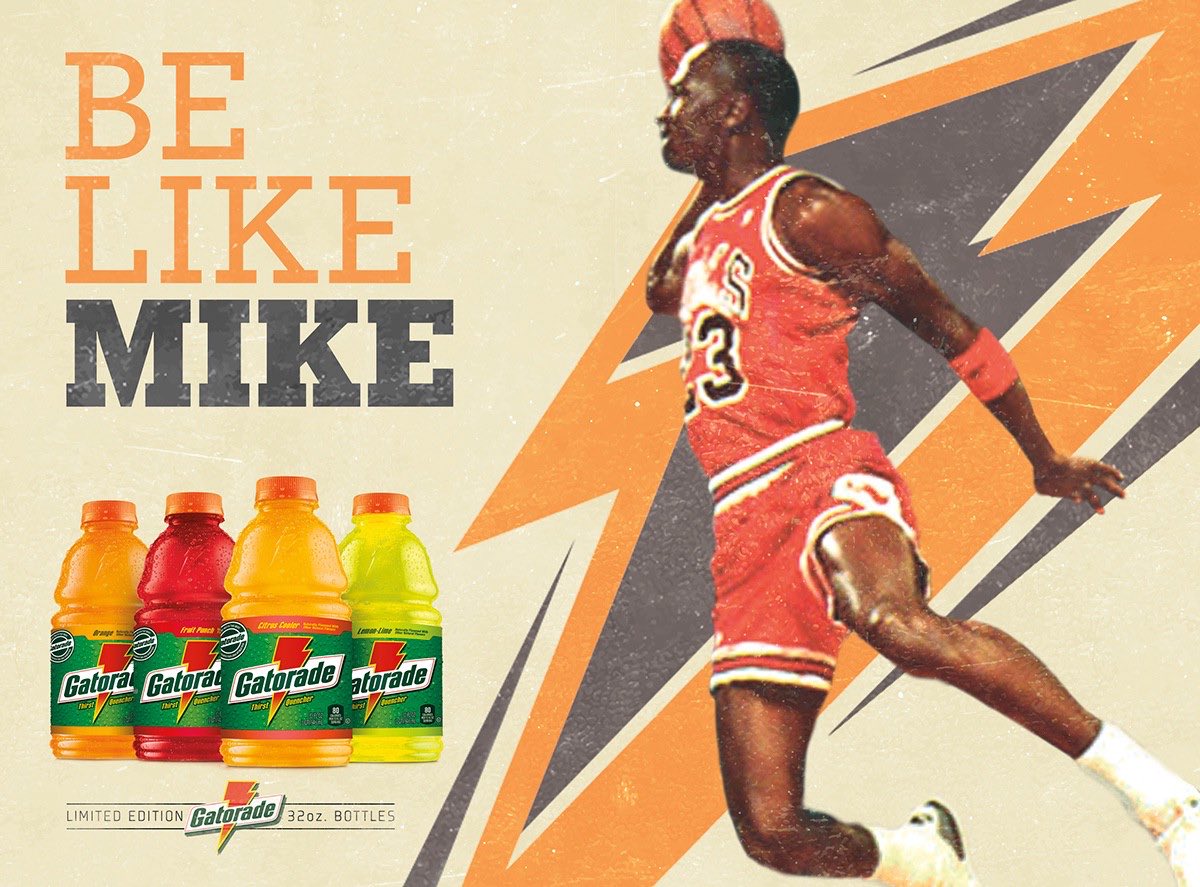
Gatorade “Be Like Mike”
Used one of the greatest athletes of all time to convince young and aspiring athletes everywhere that a sugary performance beverage was the key to their success.
Porsche “Honestly…”
Clean imagery with a touch of swagger.
h/t
@lozza_hayes
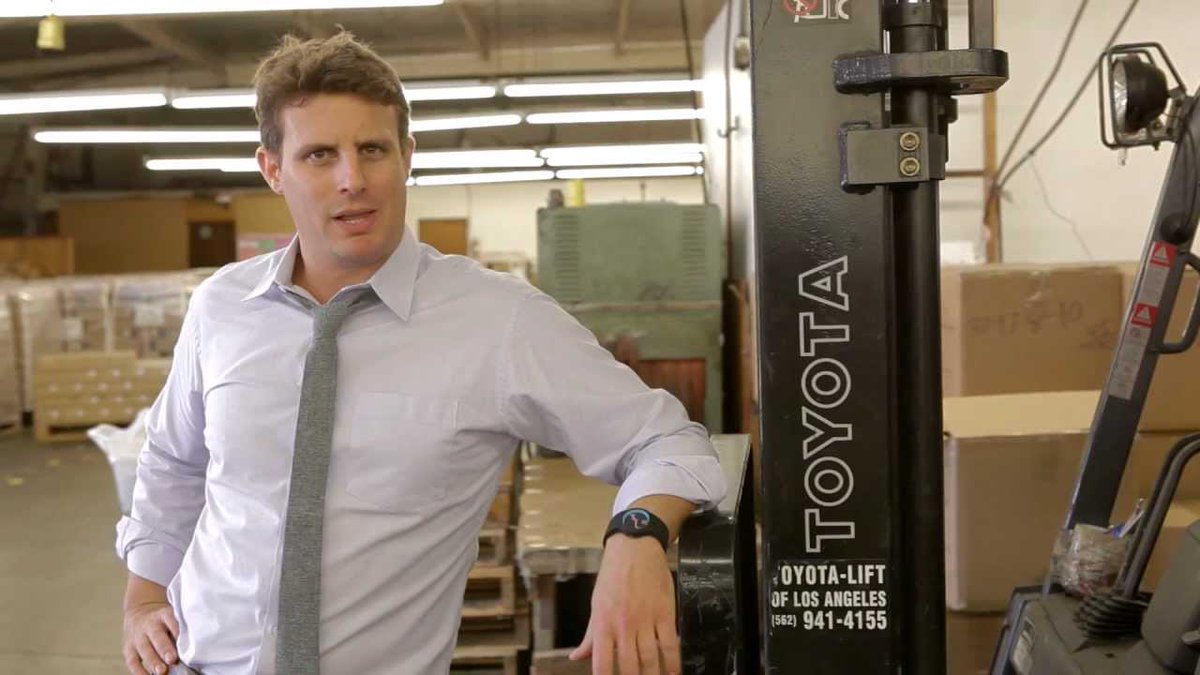
Dollar Shave Club “Our Blades are F****** Great”
The campaign that drove Dollar Shave Club from 0 to a $1 billion acquisition...
h/t
@FintechOrama
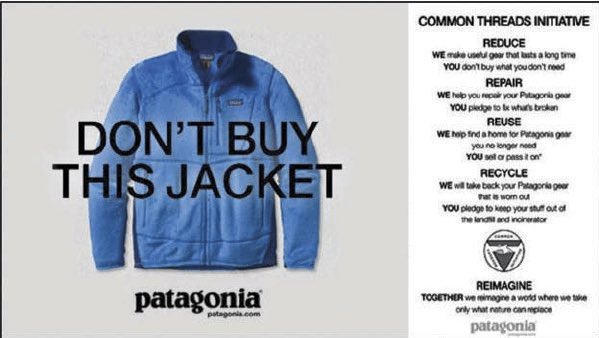
Patagonia “Don’t Buy This Jacket”
Pushed the brand’s core values while stoking significant intrigue in new and prospective customers. Brilliant and effective.
h/t
@_rachelbraun
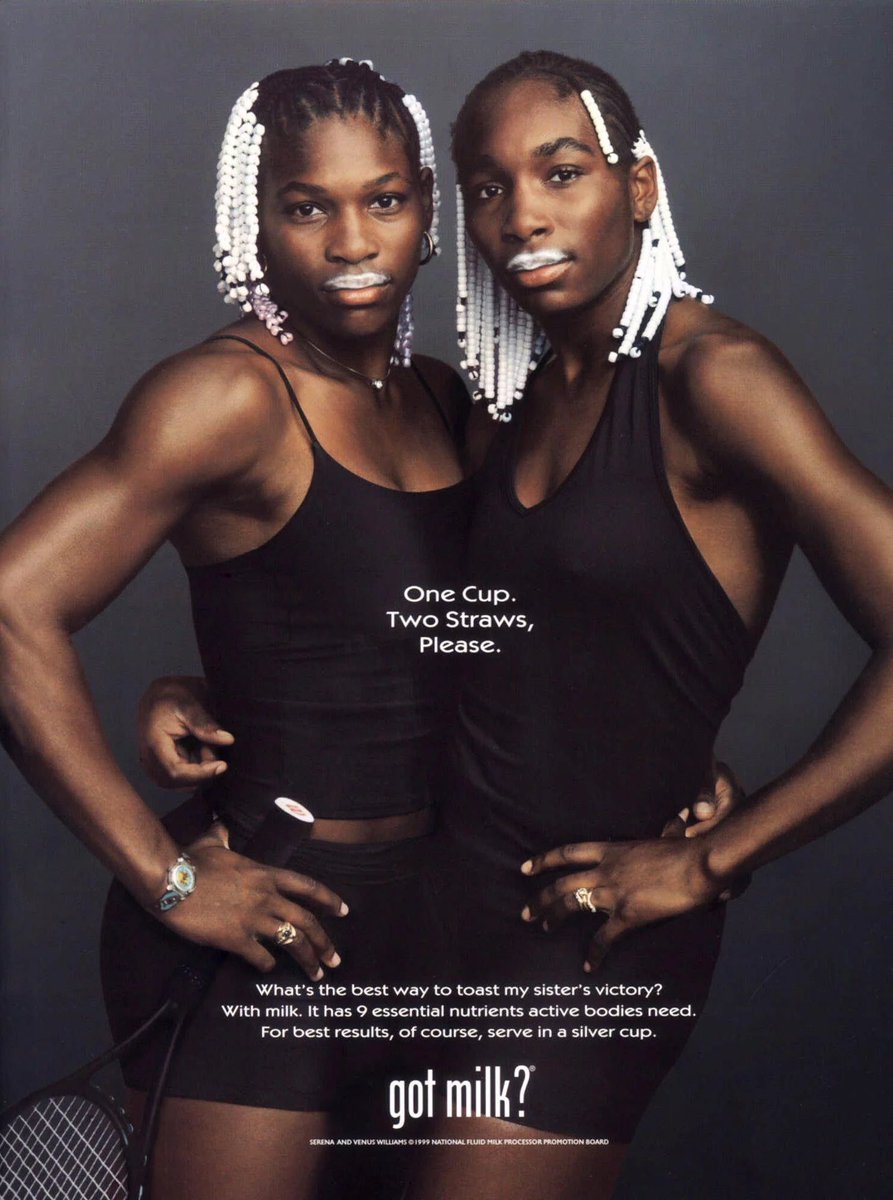
Got Milk?
A brilliant push by the dairy industry that positioned milk as a superfood at the center of a healthy, balanced diet.
It worked. If you grew up in the 90s, you believed it.
There are so many more. What are your favorites that I am missing?
Enjoy this? Follow me
@SahilBloom for more interesting threads on business.
And subscribe to my newsletter, where I share curiosity-inducing, high-signal content every week. It’s free!
https://t.co/qMB8i60ney
And here is the original tweet for anyone who is interested!
https://t.co/jtBHuePgzJ