Short Squeeze 101

If you follow financial markets (or if you watch Billions), you've heard the phrase "short squeeze" used quite frequently.

But what is a "short squeeze" and how does it work?

Here's Short Squeeze 101!

👇👇👇

1/ First, the basics.

The "short" in "short squeeze" refers to the concept of short selling.

The basics are covered in my thread below.

https://t.co/xecJYNCxMs

TL;DR - short selling is a way of betting against a stock - i.e. betting that its price will decline.
2/ "Short interest" is a measure of how heavily an asset is shorted by the market.

It is the total number of shares that have been sold short (borrowed and sold), but have not yet been covered (bought and returned).

It is usually measured as a % of the # of shares outstanding.
3/ A "short squeeze" occurs when a heavily-shorted asset experiences a rapid upward price movement.

When this happens, short sellers may be forced to close their short positions (i.e. buy the stock and return it to the broker), further accelerating the upward price movement.
4/ Let's look at a simple example to show this in action.

We will use Tesla, one of the most heavily-shorted stocks in the world.

Imagine the stock price is $1,000 per share. This seems crazy. Ricky Rational decides to short the stock at this level.
5/ Ricky borrows 1 share from his broker, agreeing to return the borrowed share in the future.

He sells it short at $1,000.

If the price declines, great. He is now able to buy a share at $800.

Ricky returns that share to his broker and closes his short with a $200 profit!
6/ If the price rises, not so great.

His broker gets nervous about his ability to pay and forces him to replace the borrowed share. He buys a share at $1,200 and closes the short in a loss.

In both cases, the "closing" of the short requires a purchase of shares of the stock.
7/ Therein lies the makings of the short squeeze!

If Tesla stock rises rapidly (which it does far too often), Ricky and many others may all be forced to close their shorts at once.

This creates a surge of buying (to return the borrowed shares) and drives the price up further.
8/ Short sellers are literally squeezed out of the market.

You can track short interest in specific stocks to determine when one may be occurring.

So next time you see a chart that shows a sharp rise, followed by another, even sharper rise, you may be seeing a short squeeze.
9/ That was Short Squeeze 101! I hope it was helpful.

For more educational threads on money, finance, and economics, check out my meta-thread below and follow along for more. https://t.co/Jyqunbg8uM

More from Sahil Bloom

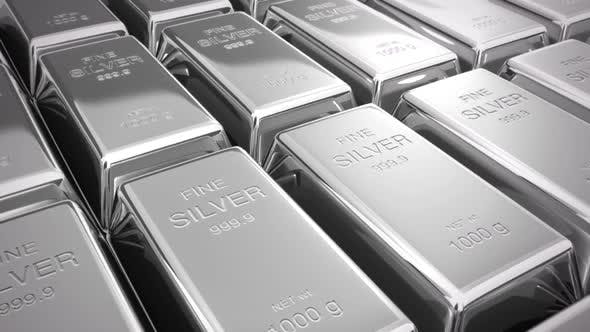
THREAD: With #silversqueeze trending on Twitter, it appears that this week's market spectacle may well be in the silver market.

A perfect moment for a thread on the Hunt Brothers and their alleged attempt to corner the silver market...


1/ First, let's set the stage.

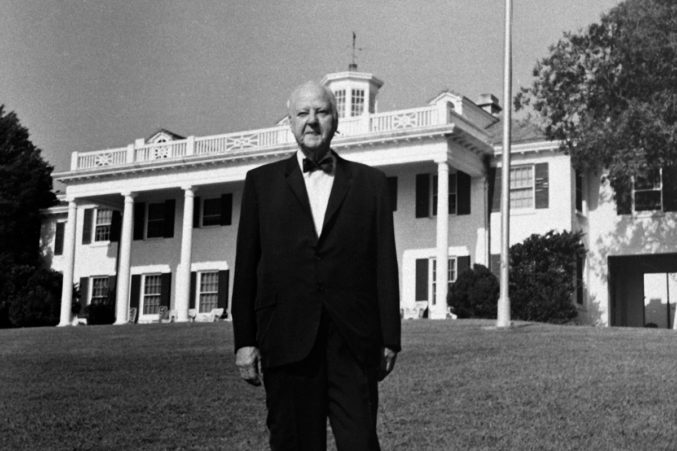
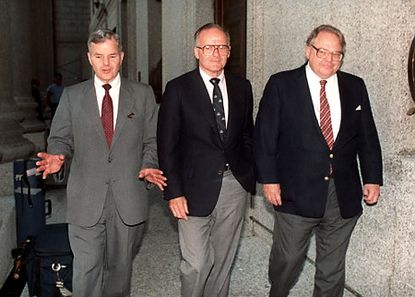
The Hunt Brothers - Nelson Bunker Hunt, William Herbert Hunt, and Lamar Hunt - were the sons of Texas tycoon H.L. Hunt.

H.L. Hunt had amassed a billion-dollar fortune in the oil industry.

He died in 1974 and left that fortune to his family.


2/ After H.L.'s passing, the Hunt Brothers had taken over the family holdings and successfully managed to expand the Hunt empire.

By the late 1970s, the family's fortune was estimated to be ~$5 billion.

In the financial world, the Hunt name was as good as gold (or silver!).


3/ But the 1970s were a turbulent time in America.

Following the oil crisis of the early 1970s, the U.S. had entered a period of stagflation - a dire macroeconomic condition characterized by high inflation, low growth, and high unemployment.


4/ The Hunt Brothers - particularly Nelson Bunker and William Herbert - believed that the inflationary environment would persist and destroy the value of their family's holdings.

To hedge this risk, they turned to silver.

They began buying the metal at ~$3 per ounce in 1973.

More from All

You May Also Like