1. “Why Would This Ad Appear On The Front Page Of The Irish Times On January 23rd 2020” ? 🧵1/18 🕵️🔎
Just looks like a regular ad, doesn’t it. Well it isn’t 👇

https://t.co/s3Mw3BRuSO


https://t.co/VY4cVaq4hy

201 TEST DRIVE Event
Is it merely a coincidence or was something bigger at play. I also checked to see if the ad appeared again at any stage in 2020. No, it did not.


https://t.co/7YMwLVzDfp
Time for a bit of housekeeping. I\u2019ve collated all my\U0001f9f5and put them in one place to make them easier to find. Lots of\U0001f407\U0001f573\ufe0f to go down. Download links\U0001f447for each\U0001f9f5in a word document as well if you want to circulate. Enjoy
— Stephen Fasenfeld \U0001f600 (@fasenfeld) December 19, 2020
More from Marketing


I studied hundreds of top copywriting examples with @heyblake.
Use these 30 copywriting tips to convert readers into customers 🧵
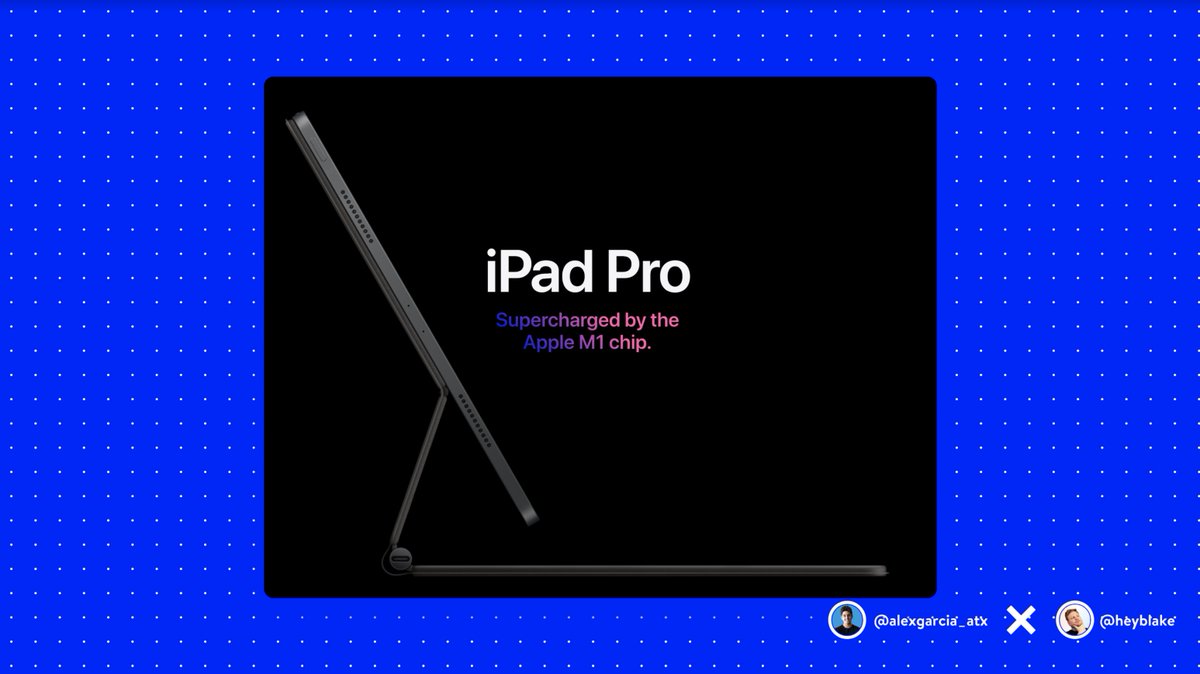
Tip from Alex: Repeat Yourself
Reason: Your main benefit shouldn’t be expressed subtly. Repeat it three times. Make it known.
Example: Apple’s M1 Chip
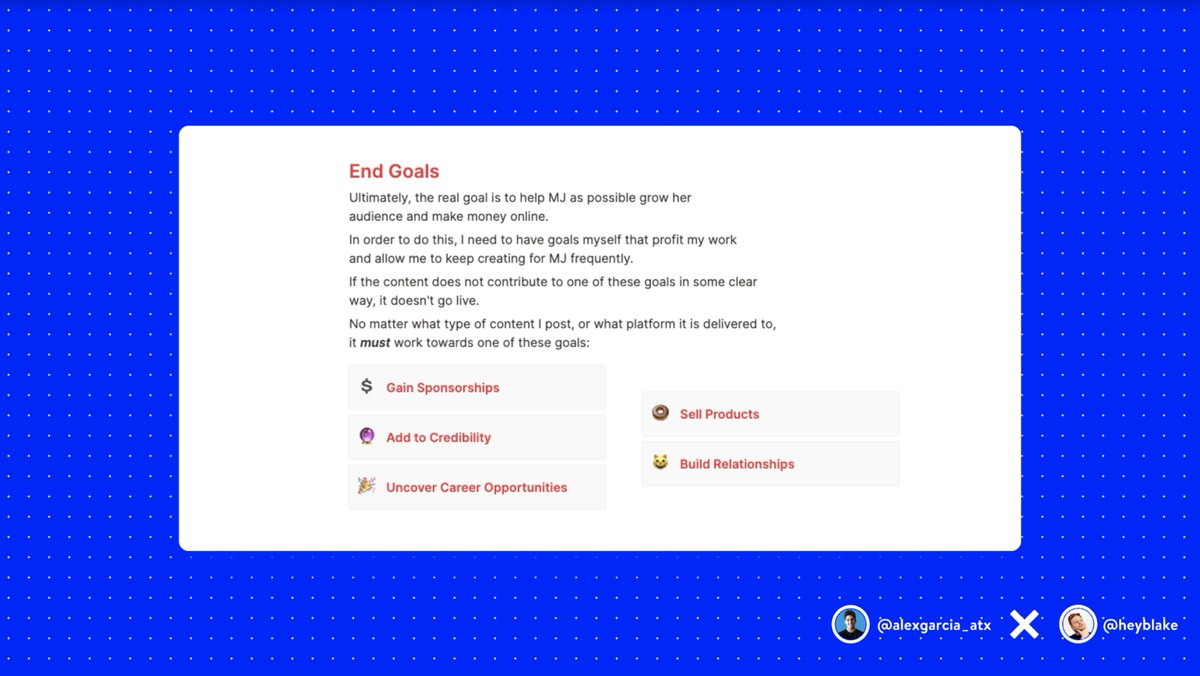
Tip from Blake: Start with goals for the copy.
Reason: You need to know what you are writing, for whom, and what action it should lead to. No guesswork.
Example: My content engine at https://t.co/jYMMlbgFCw
Tip from Alex: Use Open Loops
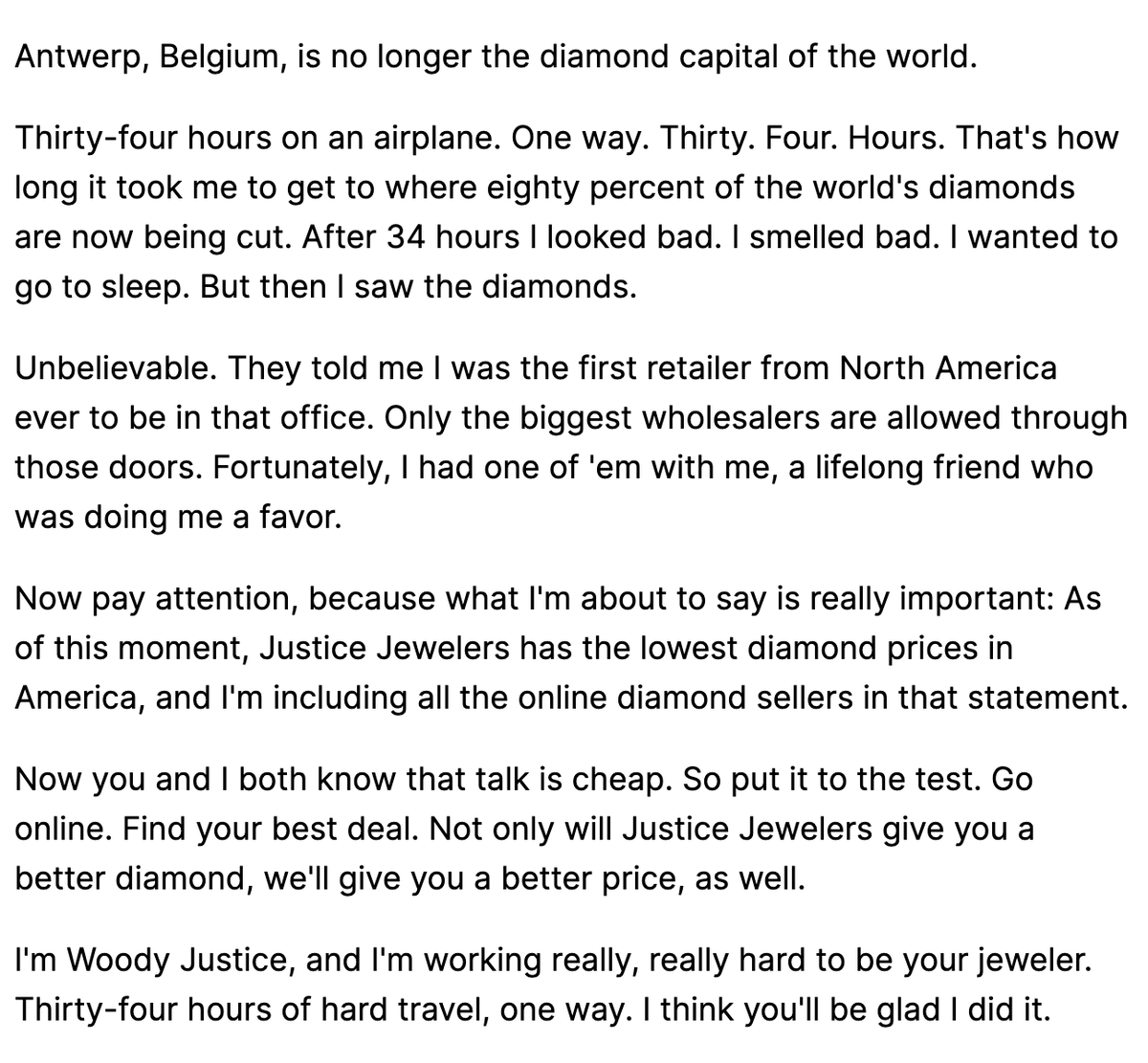
Reason: Open loops peak a reader's interest by presenting an unsolved mystery to the reader. Our brains are hardwired to find closure. Make your product the final closure. Example: Woody Justice
Tip from Blake: Write short, snappy sentences.
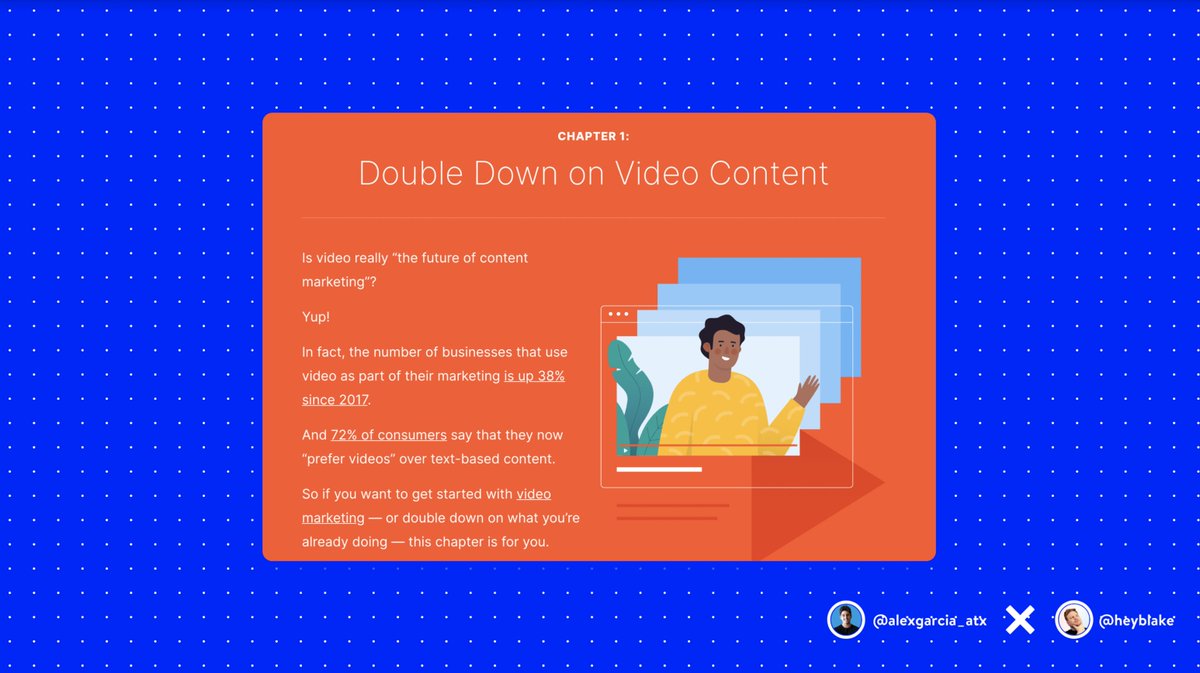
Reason: People have short attention spans. And big blocks of text are super hard to read. Make it
Example: Every blog from @Backlinko
Use these 30 copywriting tips to convert readers into customers 🧵
Tip from Alex: Repeat Yourself
Reason: Your main benefit shouldn’t be expressed subtly. Repeat it three times. Make it known.
Example: Apple’s M1 Chip
Tip from Blake: Start with goals for the copy.
Reason: You need to know what you are writing, for whom, and what action it should lead to. No guesswork.
Example: My content engine at https://t.co/jYMMlbgFCw
Tip from Alex: Use Open Loops
Reason: Open loops peak a reader's interest by presenting an unsolved mystery to the reader. Our brains are hardwired to find closure. Make your product the final closure. Example: Woody Justice
Tip from Blake: Write short, snappy sentences.
Reason: People have short attention spans. And big blocks of text are super hard to read. Make it
Example: Every blog from @Backlinko

You May Also Like









I’m torn on how to approach the idea of luck. I’m the first to admit that I am one of the luckiest people on the planet. To be born into a prosperous American family in 1960 with smart parents is to start life on third base. The odds against my very existence are astronomical.
I’ve always felt that the luckiest people I know had a talent for recognizing circumstances, not of their own making, that were conducive to a favorable outcome and their ability to quickly take advantage of them.
In other words, dumb luck was just that, it required no awareness on the person’s part, whereas “smart” luck involved awareness followed by action before the circumstances changed.
So, was I “lucky” to be born when I was—nothing I had any control over—and that I came of age just as huge databases and computers were advancing to the point where I could use those tools to write “What Works on Wall Street?” Absolutely.
Was I lucky to start my stock market investments near the peak of interest rates which allowed me to spend the majority of my adult life in a falling rate environment? Yup.
Ironies of Luck https://t.co/5BPWGbAxFi
— Morgan Housel (@morganhousel) March 14, 2018
"Luck is the flip side of risk. They are mirrored cousins, driven by the same thing: You are one person in a 7 billion player game, and the accidental impact of other people\u2019s actions can be more consequential than your own."
I’ve always felt that the luckiest people I know had a talent for recognizing circumstances, not of their own making, that were conducive to a favorable outcome and their ability to quickly take advantage of them.
In other words, dumb luck was just that, it required no awareness on the person’s part, whereas “smart” luck involved awareness followed by action before the circumstances changed.
So, was I “lucky” to be born when I was—nothing I had any control over—and that I came of age just as huge databases and computers were advancing to the point where I could use those tools to write “What Works on Wall Street?” Absolutely.
Was I lucky to start my stock market investments near the peak of interest rates which allowed me to spend the majority of my adult life in a falling rate environment? Yup.