I spent the last few weeks thinking about how brands differentiate themselves

Thread 🧵

1/ Let's start with this line by Ted Morgan.

“Positioning is like finding a seat on a crowded bus”

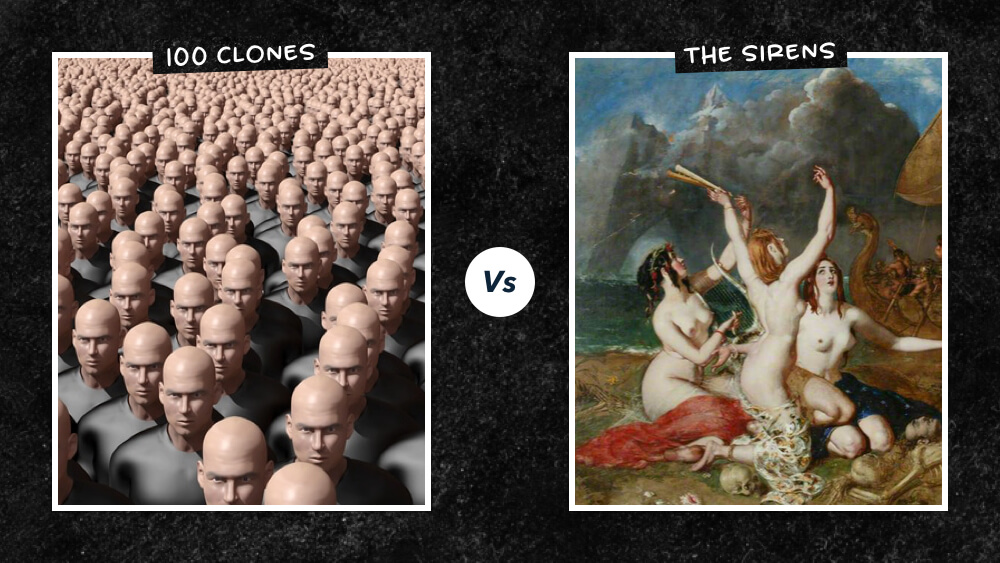
Most brands sleepwalk onto the bus and sit on top of one another.

The smart brands look left, right, find an empty row, paint their logo on it and sing sweetly like the Sirens.
2/ Positioning is an easy thing to complicate so let's keep it simple.

*Your goal is to own a space in the customer’s mind. You do this by differentiating yourself.*

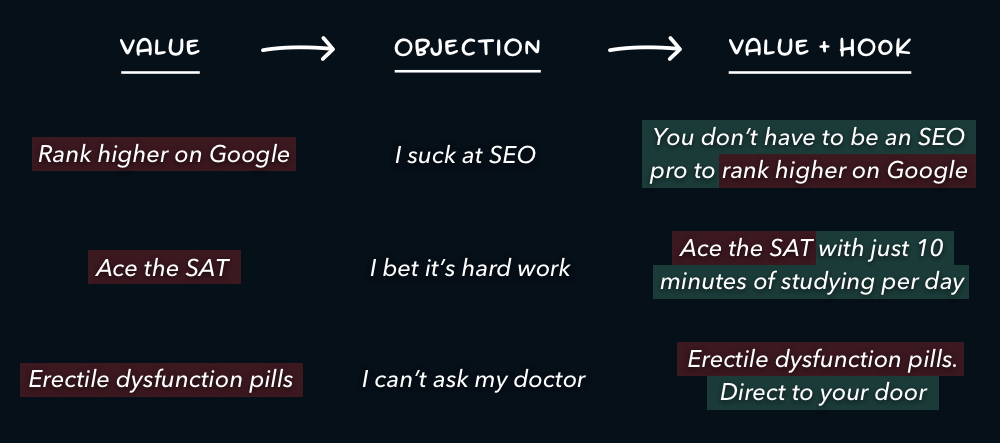
Differentiation is not a dark art. It's something you can learn. Here’s the different ways to achieve it:
3/ Through contrast

Point at the status quo and pit yourself against it. Contrast burns your brand into the customer's mind.

• Hey pit themselves against mainstream email
• Lemonde pit themselves against insurance stereotypes
• “I'm a Mac” pit themselves against the PC
4/ Through values

Think Patagonia and the environment, Ben and Jerry's and social justice, Black Rifle Coffee and gun rights.

Some will hate it. Others will rally behind you. And that's the point. Fence sitters don't buy.
5/ Through category creation

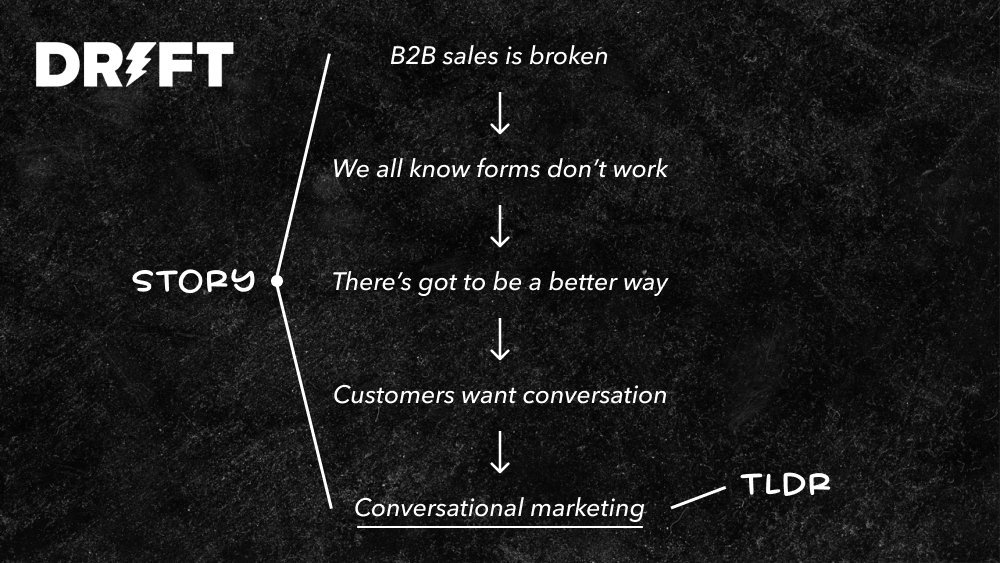
When Drift launched in 2016 they were just another startup in the mushy bucket of live chat software.

How to stand out?

Well, they reframed live chat as “conversational marketing” and made it their mission to own this new category.
6/ Through personality

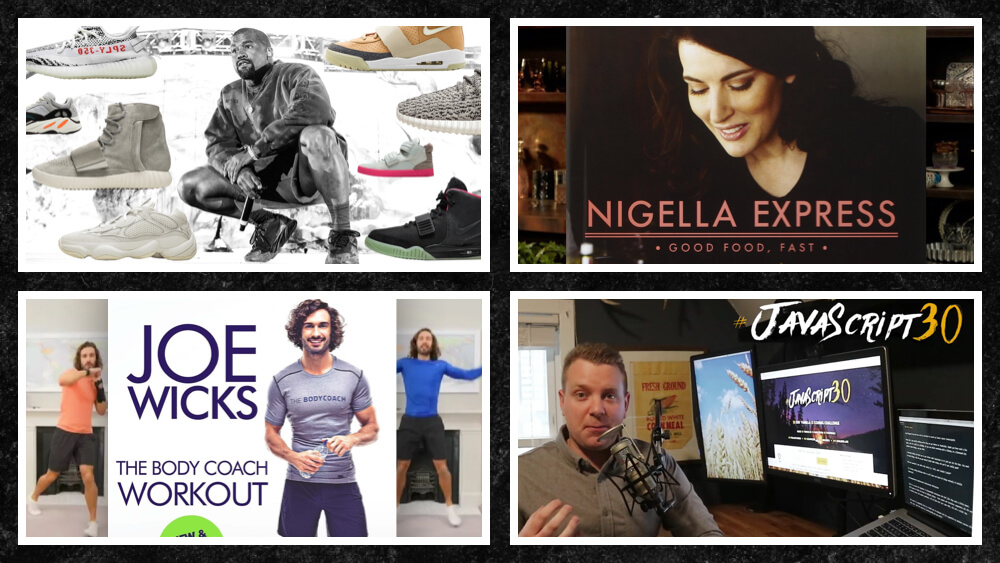
Turn yourself into the product and no one can compete with you.

Think Kanye’s shoes, Nigella's cookbook, Wicks’s workout.
7/ Through limitation

Instead of trying to be everything for everyone go all-in on one niche or one feature.

Limitation makes you easy to sum up. Being easy to sum up makes you memorable.
8/ Writing this makes me think back to how I positioned Marketing Examples.

• Contrast - Marketing content was fluffy. My goal was no fluff
• Personality - Well, I write them all
• Limitation - Just examples. No agency, jobs board, etc...
9/ One last thing

Positioning isn't something you make up on a whim.

Behind great positioning is a story. Positioning is the TLDR. The story makes it memorable.

Look at Drift. Conversational marketing isn't plucked out the sky. It's the final bullet point in their story.
10/ “My guide to brand positioning“

https://t.co/Ch4ejt2Lqg
11/ Thanks for reading. Hope you enjoyed it.

If you learnt something you might like my weekly newsletter. More short, sweet and practical case studies :)

Over and out — Harry

https://t.co/7gnJQydfDz

More from Harry's Marketing Examples

More from Marketing

A thread of marketing tools. Some you may have heard of, some you definitely haven't.

Each link is an affiliate link. The 98 tools linked to here are just a small part of the 5k+ tools listed on https://t.co/3wamEl3B3Q

1/99

Logic Hop

https://t.co/yohwqYclMi

Logic Hop brings content personalization to WordPress. Personalized marketing is suddenly easy: more sales, more leads, and more revenue. Plus, integration with the services you already use.

2/99

Improvely

https://t.co/bXiZPYQk4Y

Improvely shows you where your conversions and revenue are coming from so that you can spend more time on marketing that works, and stop wasting money on poorly converting traffic

3/99

HumCommerce

https://t.co/vgdCvgajpx

An analytics tool which records ALL visitor activities. It even tells you keywords for which you’re ranking on Google and Bing!

4/99

OptInMonster

https://t.co/m7Tvrgwue3

Powerful lead generation software that converts abandoning visitors into subscribers with our dynamic marketing tools and Exit Intent® technology.

5/99
I studied hundreds of top copywriting examples with @heyblake.

Use these 30 copywriting tips to convert readers into customers 🧵

Tip from Alex: Repeat Yourself

Reason: Your main benefit shouldn’t be expressed subtly. Repeat it three times. Make it known.

Example: Apple’s M1 Chip


Tip from Blake: Start with goals for the copy.

Reason: You need to know what you are writing, for whom, and what action it should lead to. No guesswork.

Example: My content engine at
https://t.co/jYMMlbgFCw


Tip from Alex: Use Open Loops

Reason: Open loops peak a reader's interest by presenting an unsolved mystery to the reader. Our brains are hardwired to find closure. Make your product the final closure. Example: Woody Justice


Tip from Blake: Write short, snappy sentences.

Reason: People have short attention spans. And big blocks of text are super hard to read. Make it

Example: Every blog from @Backlinko

You May Also Like

"I really want to break into Product Management"

make products.

"If only someone would tell me how I can get a startup to notice me."

Make Products.

"I guess it's impossible and I'll never break into the industry."

MAKE PRODUCTS.

Courtesy of @edbrisson's wonderful thread on breaking into comics –
https://t.co/TgNblNSCBj – here is why the same applies to Product Management, too.


There is no better way of learning the craft of product, or proving your potential to employers, than just doing it.

You do not need anybody's permission. We don't have diplomas, nor doctorates. We can barely agree on a single standard of what a Product Manager is supposed to do.

But – there is at least one blindingly obvious industry consensus – a Product Manager makes Products.

And they don't need to be kept at the exact right temperature, given endless resource, or carefully protected in order to do this.

They find their own way.
"I really want to break into Product Management"

make products.

"If only someone would tell me how I can get a startup to notice me."

Make Products.

"I guess it's impossible and I'll never break into the industry."

MAKE PRODUCTS.

Courtesy of @edbrisson's wonderful thread on breaking into comics –
https://t.co/TgNblNSCBj – here is why the same applies to Product Management, too.


There is no better way of learning the craft of product, or proving your potential to employers, than just doing it.

You do not need anybody's permission. We don't have diplomas, nor doctorates. We can barely agree on a single standard of what a Product Manager is supposed to do.

But – there is at least one blindingly obvious industry consensus – a Product Manager makes Products.

And they don't need to be kept at the exact right temperature, given endless resource, or carefully protected in order to do this.

They find their own way.