šŸ“š Many influential business figures, including @JeffBezos, @ElonMusk, and @BillGates. say they learned some of their most important lessons from books.

Here are some that the tech giants recommended adding to your reading list this year. šŸ‘‡

https://t.co/rhjcI1z3JC

Some of Bezos' favorite books were instrumental to the creation of products and services like the Kindle and Amazon Web Services.

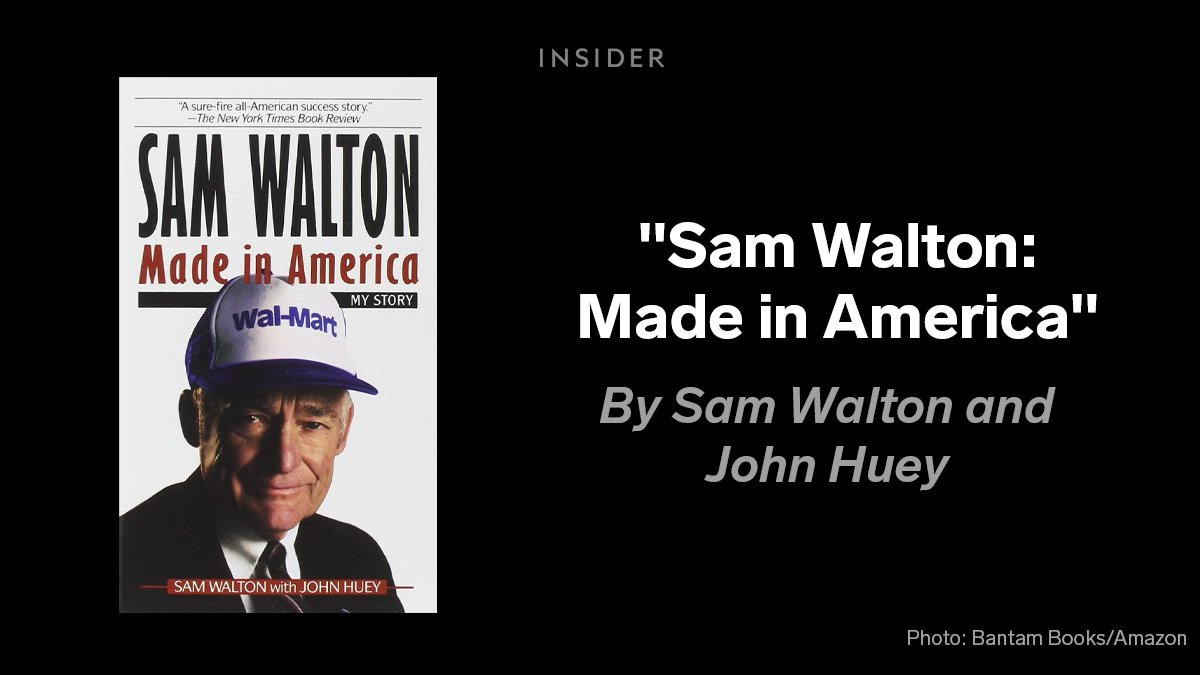
One of those is Walmart founder Sam Walton’s autobiography in which he recalls his career.

https://t.co/rhjcI1z3JC
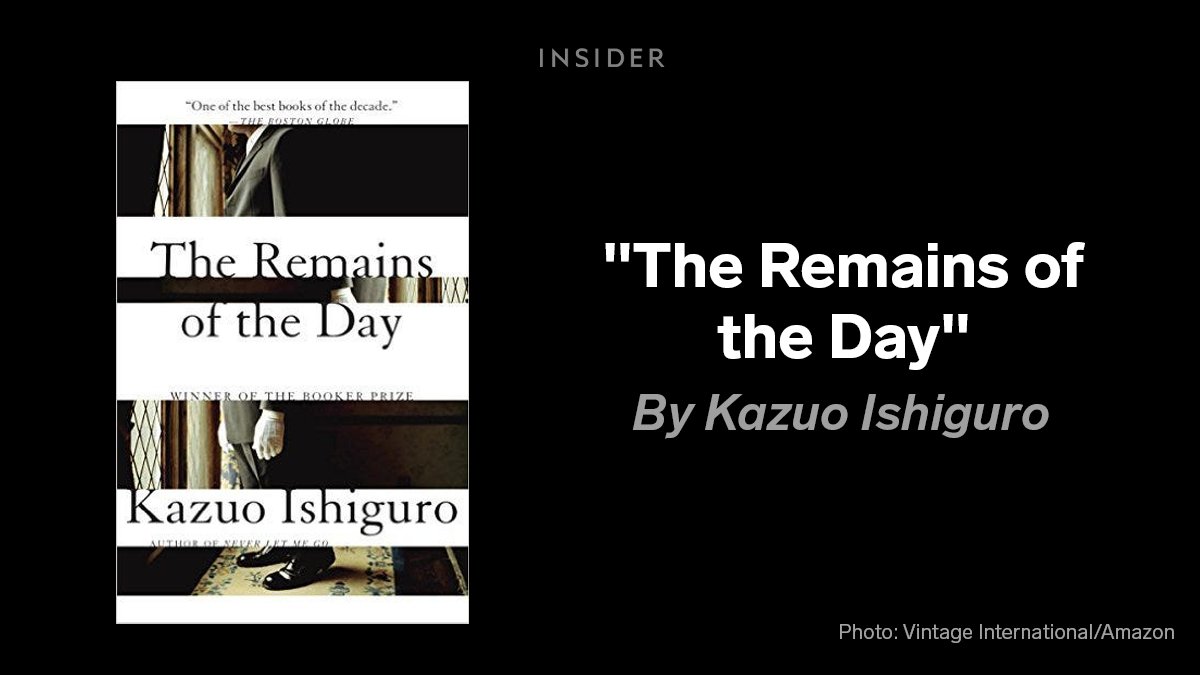
This Kazuo Ishiguro novel tells of an English butler in wartime England who begins to question his lifelong loyalty to his employer while on a vacation.

Bezos has said of the book, "Before reading it, I didn't think a perfect novel was possible."

https://t.co/rhjcI1z3JC
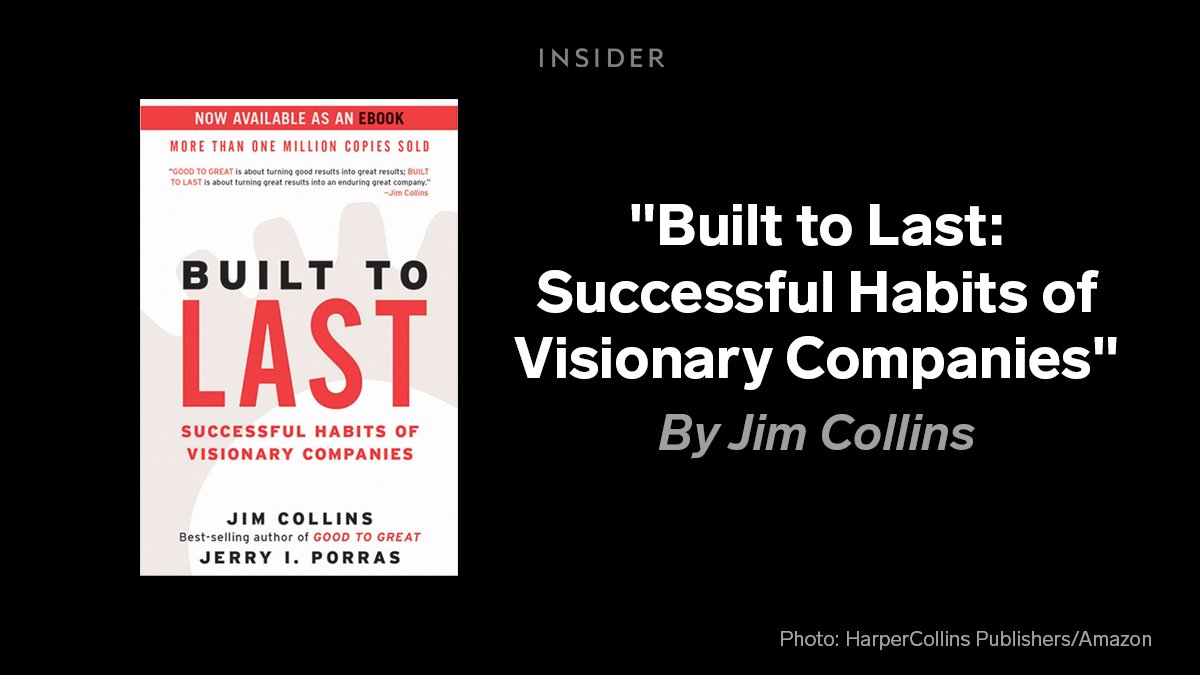
Bezos’ "favorite business book" draws on six years of research from the Stanford University Graduate School of Business that looks into what separates exceptional companies from their competitors.

https://t.co/rhjcI1z3JC
Elon Musk's must-reads include a number of sci-fi novels.

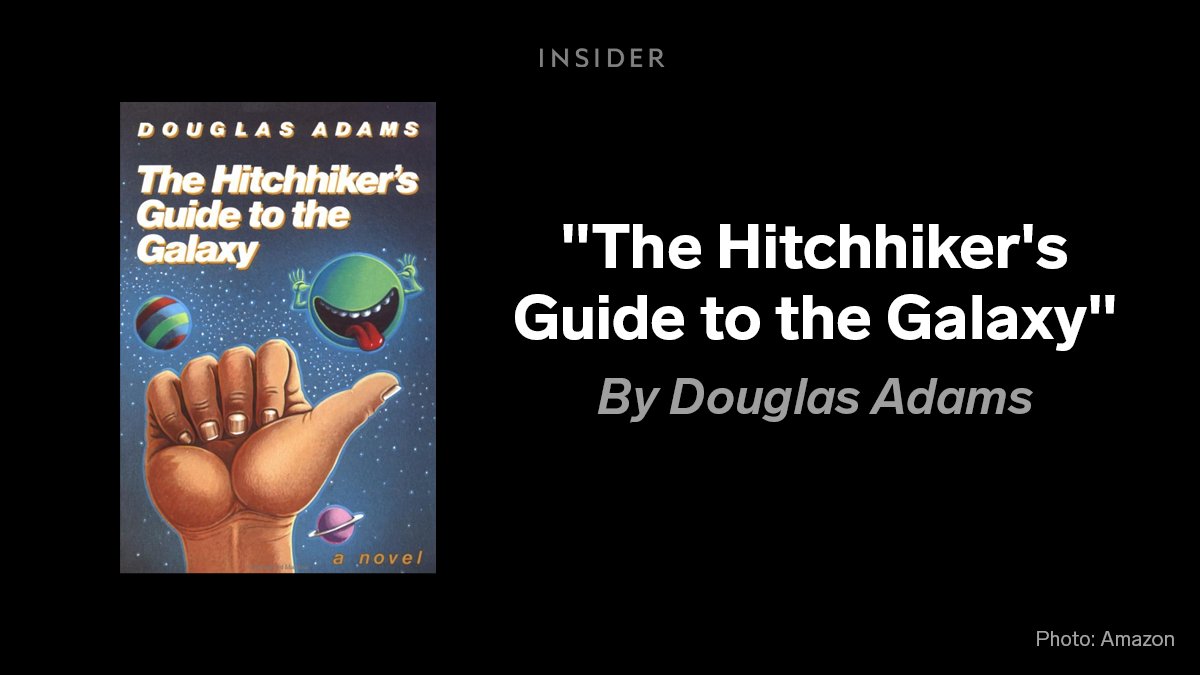
He read "The Hitchhiker's Guide to the Galaxy" as a teenager, even saying the spacecraft in it is his favorite spacecraft from science fiction.

https://t.co/rhjcI1z3JC
Musk has also recommended several books on artificial intelligence, including ā€œSuperintelligence: Paths, Dangers, Strategies,ā€ which considers questions about the future of intelligent life in a world where machines may become smarter than people.

https://t.co/rhjcI1z3JC
Bill Gates is known to make book recommendations quite often.

He said this is "the best business book I've ever read," when discussing "Business Adventures: Twelve Classic Tales from the World of Wall Street."

https://t.co/rhjcI1z3JC
Gates has called Hans Rosling’s book on thinking patterns and tendencies that distort people's perceptions of the world, "one of the most educational books I've ever read."

https://t.co/rhjcI1z3JC
To learn more strategy tips from business experts with book recommendations and beyond, visit @thisisinsider. šŸ‘‡

https://t.co/rhjcI1z3JC

More from Learning

After reading 100s of short and long ebooks,

We have shortlisted these ebooks every no-code learner should read:

#1 The No-code Revolution

https://t.co/reOSvnTOs6

The ebook from @webflow will provide an overview of the no-code movement and its importance.

It also provides insights on bringing no-code to your company and how it will impact the world!

#2 Zero to MVP with No-code

https://t.co/7JD6RQvocZ

The book written by @MakadiaHarsh, with 21 chapters, provides a complete guide to building no-code apps.

It also explains the difference between no-code, code, & low-code, and 120+ tools to build MVPs.

#3 The What's, How's, and Why's of No-code

https://t.co/YH5L6pJrW0

This book from @QuixyOfficial provides insights on no-code development, how it's different from other development, and why it is essential for stakeholders of an organization.

#4 No-code Ebook

https://t.co/PV6M9oMZCF

The book developed by @NeotaLogic explains the importance of no-code and provides advice on selecting the correct no-code platforms according to requirements.
8 priceless websites for entrepreneurs in 2022 (all free):

https://t.co/sAdvTQUt14

Never let logo design take up your time again:

• Use AI to create a logo that matches your vision
• Get endless options + easily tweak designs
• Instantly generate your brand kit and templates

Instantly access the resources to start marketing.

https://t.co/7KXYVmauQs

Want to know how a competitor is doing?

Search their name and find:

• Traffic sources
• Where they are advertising
• Similar sites
• Estimated webpage views

The free tier gets you far.

https://t.co/5DFALvUecF

Think Google Slides but 10x more aesthetic:

• Stunning templates
• Collaborative design
• Intuitive design / user experience

Take your next pitch deck, project plan, or conference keynote to the next level.

https://t.co/UrWTVgxFIC

Ever lose inspiration when designing your deck?

This is a database of 790 pitch decks across every stage.

Learn how unicorns (Uber, Airbnb) pitched their vision 10 years earlier.Ā 

See how Unicorns (Rippling, Ladder) raised their latest rounds.

You May Also Like

So the cryptocurrency industry has basically two products, one which is relatively benign and doesn't have product market fit, and one which is malignant and does. The industry has a weird superposition of understanding this fact and (strategically?) not understanding it.


The benign product is sovereign programmable money, which is historically a niche interest of folks with a relatively clustered set of beliefs about the state, the literary merit of Snow Crash, and the utility of gold to the modern economy.

This product has narrow appeal and, accordingly, is worth about as much as everything else on a 486 sitting in someone's basement is worth.

The other product is investment scams, which have approximately the best product market fit of anything produced by humans. In no age, in no country, in no city, at no level of sophistication do people consistently say "Actually I would prefer not to get money for nothing."

This product needs the exchanges like they need oxygen, because the value of it is directly tied to having payment rails to move real currency into the ecosystem and some jurisdictional and regulatory legerdemain to stay one step ahead of the banhammer.