15 books you should read every year:

Think Again by Adam Grant

Lessons:
• We are most confident when we lack competence (Dunning-Kruger effect)
• Admitting that you don’t know something is a superpower
Never Split the Difference by Chris Voss

Lessons:
• Build trust through mirroring and tone of voice
• Take things slowly
1984 by George Orwell

Lessons:
• We are shaped by our circumstances
• Our past is controlled by our present
Deep Work by Cal Newport

Lessons:
• Our attention span is 8-seconds
• Stop working at the same time each day and shut everything off
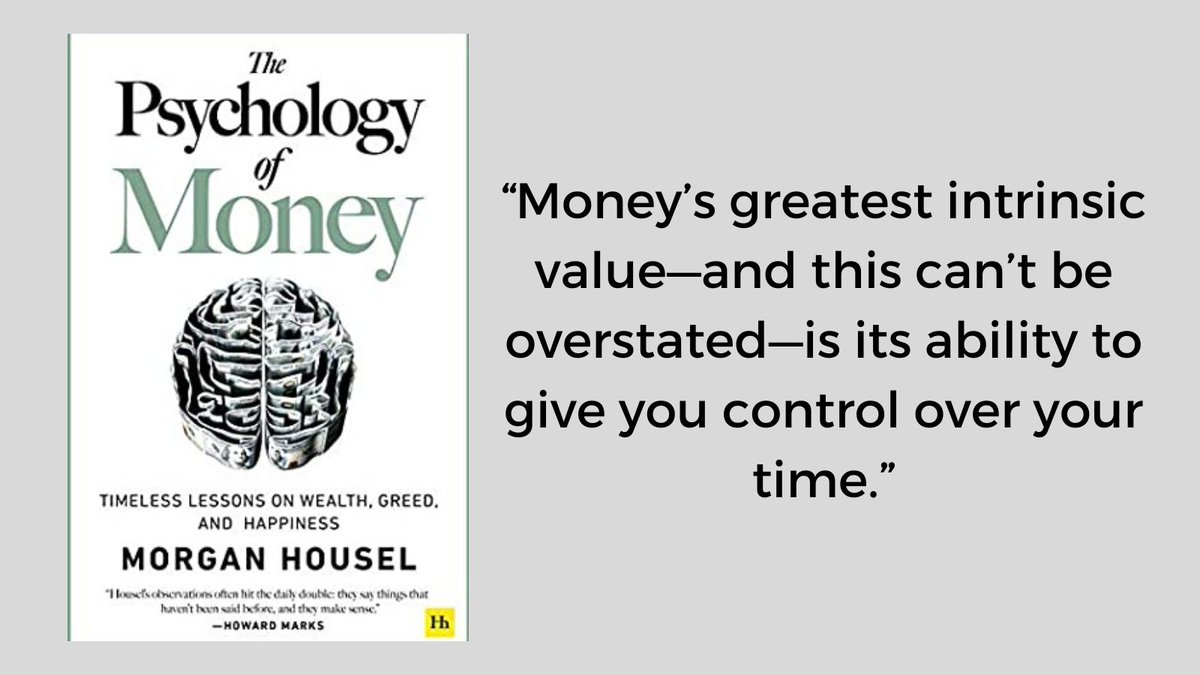
The Psychology of Money by Morgan Housel

Lessons:
• We make decisions based on our context
• Use money to control your time
Breath by James Nestor

Lessons:
• Breath out of your nose, not your mouth
• Slowing down your breathing improves your health
Essentialism by Greg McKeown

Lessons:
• Rate everything from 0 to 100 based on importance. If not greater than 90, don’t do it
• Add a 50% buffer to any time estimate
Fahrenheit 451 by Ray Bradbury

Lessons:
• We need to think for ourselves
• Facts are useless without context
Outliers by Malcolm Gladwell

Lessons:
• It takes 10,000 hours of intentional practice to become world-class
• The month you’re born in can be an advantage or disadvantage
Why We Sleep by Matthew Walker

Lessons:
• Sleeping less increases the risk of certain diseases
• Tips to sleeping better
Man’s Search for Meaning Viktor Frankl

Lessons:
• We can always choose our attitude
• You can find meaning through suffering
Atomic Habits by James Clear

Lessons:
• How small habits compound
• Form new habits by making them obvious, attractive, easy, and satisfying
To Kill a Mockingbird Harper Lee

Lessons:
• Don’t judge a book by its cover
• Actions speak louder than words
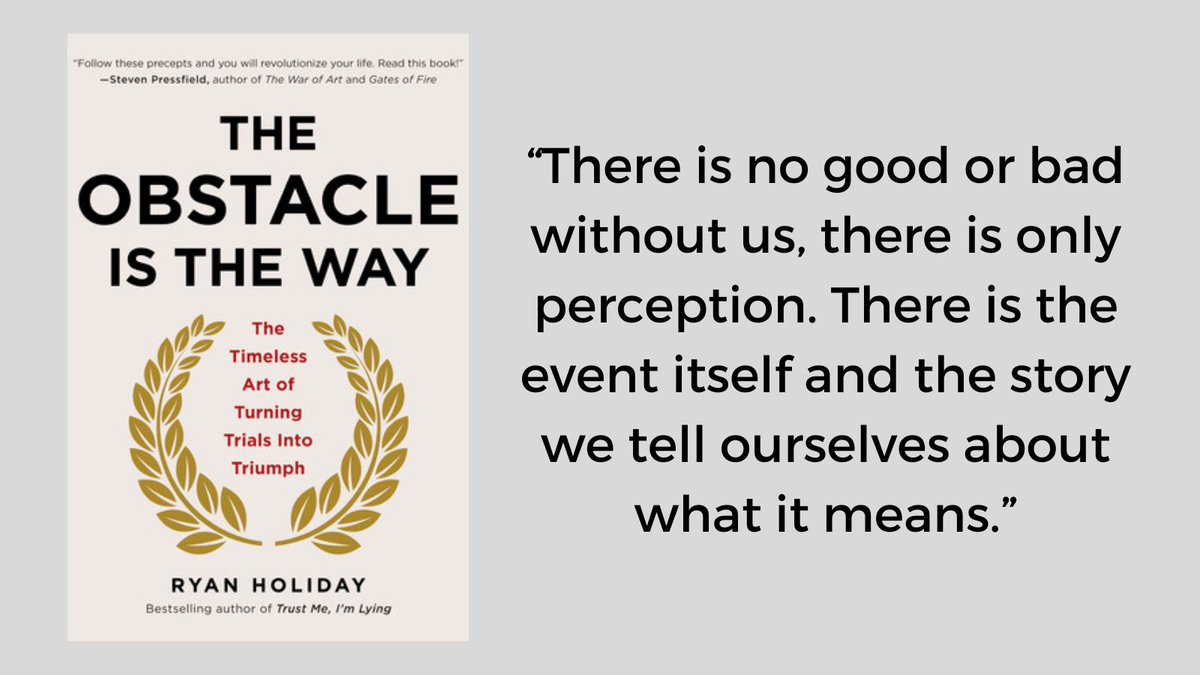
The Obstacle Is the Way by Ryan Holiday

Lessons:
• How to turn adversity into success
• Accept what you cannot change and change the things you can
Predictably Irrational by Dan Ariely

Lessons:
• Free is actually price. Loss avoidance is a huge motivator
• You overvalue what you own (endowment effect)
If you enjoyed this thread, I'd appreciate a RT of the first tweet.
I write 1-2 threads a week on:
• Business & personal frameworks
• Building generational wealth
• Living intentionally
Follow me to see what's next:
@KurtisHanni
https://t.co/Vnz4Vgz8Gw

More from Learning

📚 Many influential business figures, including @JeffBezos, @ElonMusk, and @BillGates. say they learned some of their most important lessons from books.

Here are some that the tech giants recommended adding to your reading list this year. 👇

https://t.co/rhjcI1z3JC


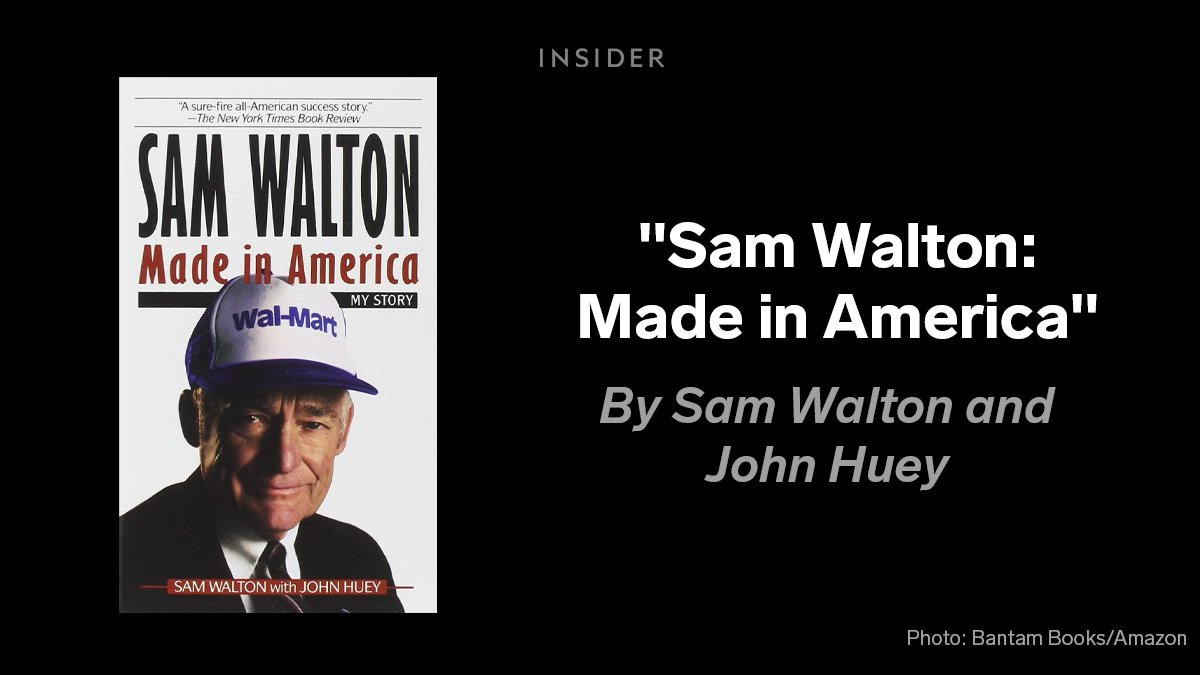
Some of Bezos' favorite books were instrumental to the creation of products and services like the Kindle and Amazon Web Services.

One of those is Walmart founder Sam Walton’s autobiography in which he recalls his career.

https://t.co/rhjcI1z3JC


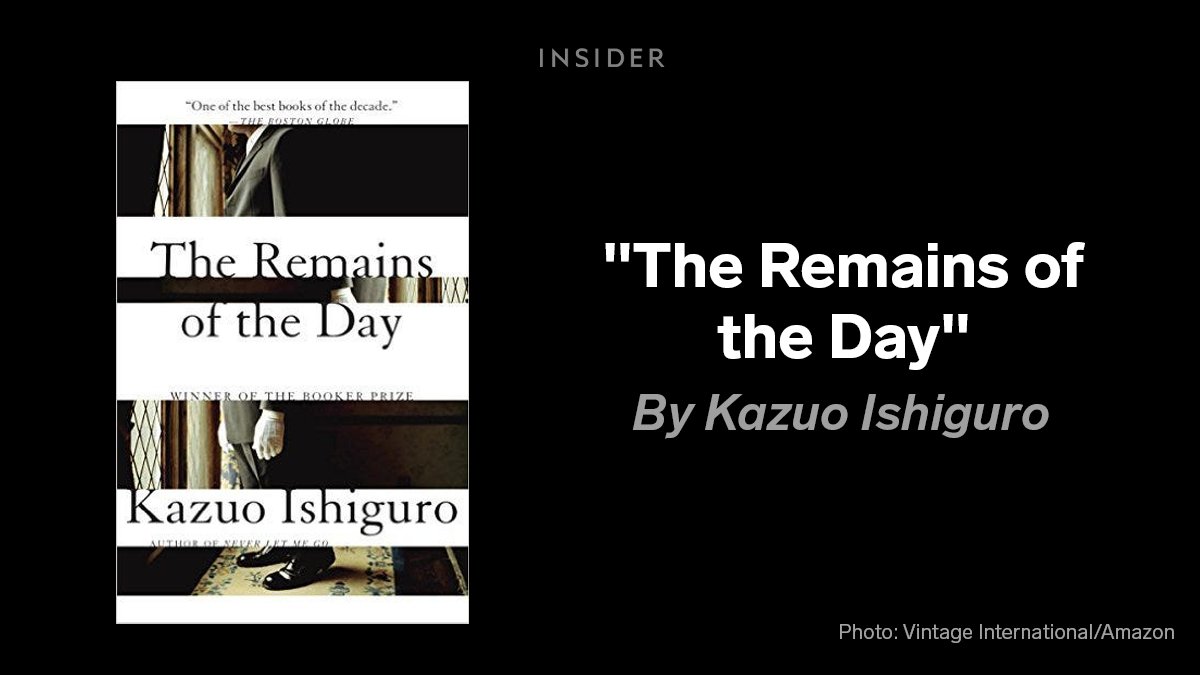
This Kazuo Ishiguro novel tells of an English butler in wartime England who begins to question his lifelong loyalty to his employer while on a vacation.

Bezos has said of the book, "Before reading it, I didn't think a perfect novel was possible."

https://t.co/rhjcI1z3JC


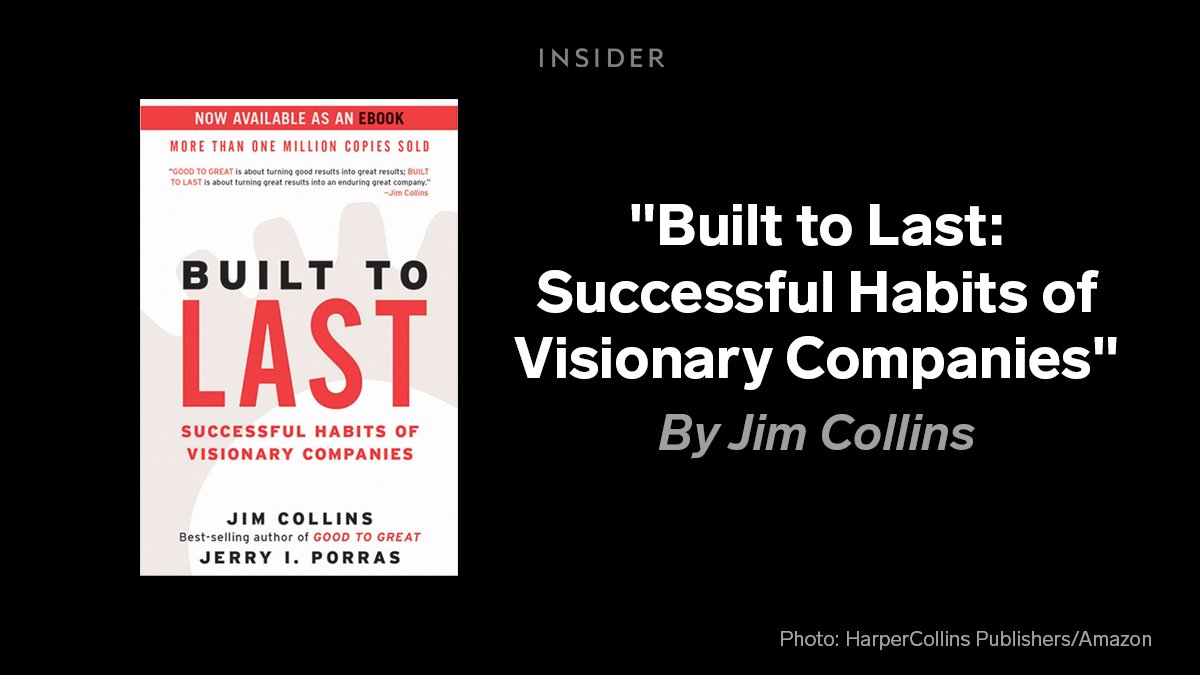
Bezos’ "favorite business book" draws on six years of research from the Stanford University Graduate School of Business that looks into what separates exceptional companies from their competitors.

https://t.co/rhjcI1z3JC


Elon Musk's must-reads include a number of sci-fi novels.

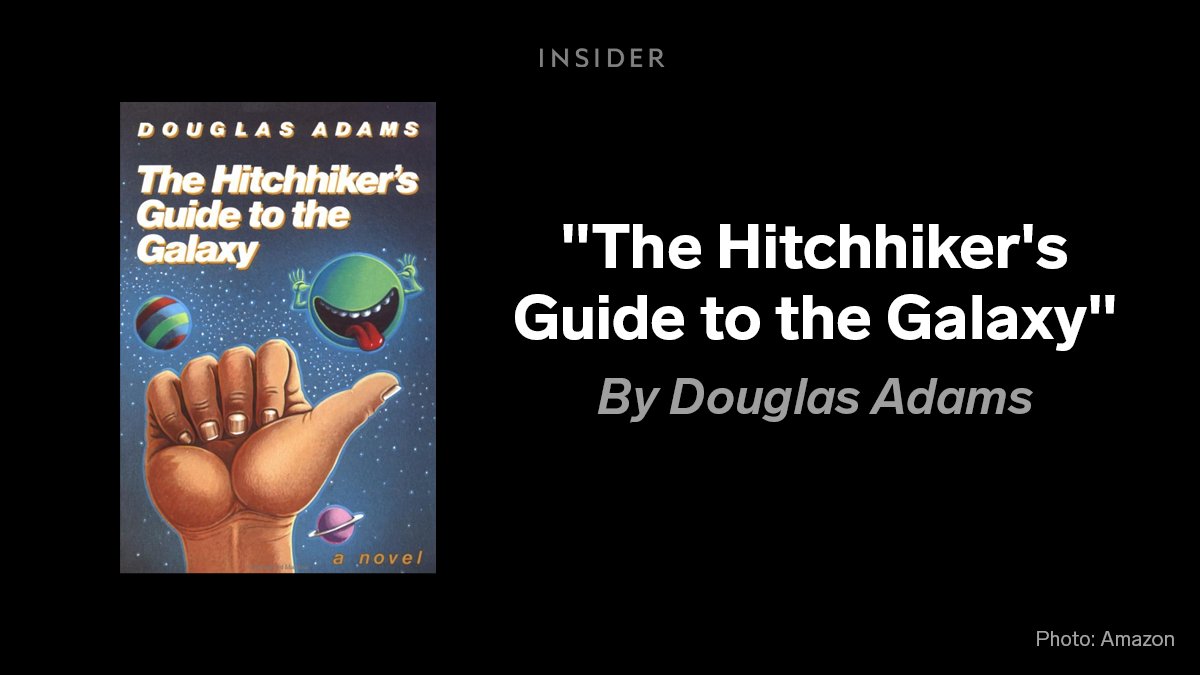
He read "The Hitchhiker's Guide to the Galaxy" as a teenager, even saying the spacecraft in it is his favorite spacecraft from science fiction.

https://t.co/rhjcI1z3JC
#RS is an indicator which helps in finding strong stock or index in the market.

This learning thread would be on
"𝙐𝙨𝙚𝙨 𝙤𝙛 𝙍𝙚𝙡𝙖𝙩𝙞𝙫𝙚 𝙎𝙩𝙧𝙚𝙣𝙜𝙩𝙝"

Shared some strategy.

Like👍 & Retweet🔄for wider reach and for more such learning thread in the future.

1/22

Most of us would confuse it with Relative Strength Index (RSI) but Relative Strength is a different indicator.

We have already covered about "Uses of RSI" in below thread👇

https://t.co/oTOrW7joNI

One can go through this if you haven't.

2/22


Now coming to Relative Strength (RS).

It is basically a strategy used in momentum investing which shows strength or weakness between two asset classes (two stocks, index, commodity).

One can read about this in below

As of now, I am using this indicator on .@tradingview platform.

It's free and one can add it in their Tradingview account as well, using this link👇
https://t.co/FxCjJFsNOG

There are multiple variants in this as well. Some traders use multiple time frame RS.

4/22

RS basically compares returns of one stock/index with the returns of benchmark stock/index at a particular time horizon.

Let's say, I want to analyze TCS and Benchmark Index is Nifty.

5/22

You May Also Like