Categories History
7 days
30 days
All time
Recent
Popular










Welcome to 1776.
444 and the Winds 💨
The 4 angels, 4 corners, 4 forces.
#PaperPlanes 👉🏻 Swagger, The “I Am The Chosen One,” Nothing Can Stop What Is Coming, Nothing.
117 👉🏻 Binary 3 👉🏻 3 7’s TRUMP 777, Esoteric 7 kingdoms, 7 principles, 7 ruling powers of nature. https://t.co/WS9IryzzM4

444 and the Winds 💨
The 4 angels, 4 corners, 4 forces.
#PaperPlanes 👉🏻 Swagger, The “I Am The Chosen One,” Nothing Can Stop What Is Coming, Nothing.
117 👉🏻 Binary 3 👉🏻 3 7’s TRUMP 777, Esoteric 7 kingdoms, 7 principles, 7 ruling powers of nature. https://t.co/WS9IryzzM4
14. Many of us noted the \u201c1776\u201d Commission to stop \u201cradical indoctrination of our students, and restore PATRIOTIC EDUCATION to our schools\u201d that POTUS just signed 11/2 which matches the\U0001f58a that writes the #1776 is a \u201cMARKER\u201d, BUT not till I was putting in graphic did I find 444!\U0001f60d https://t.co/qb2ogUVuRw pic.twitter.com/ooyCqnjDQG
— Anjill \U0001f54a (@AnjillofLight_) November 4, 2020

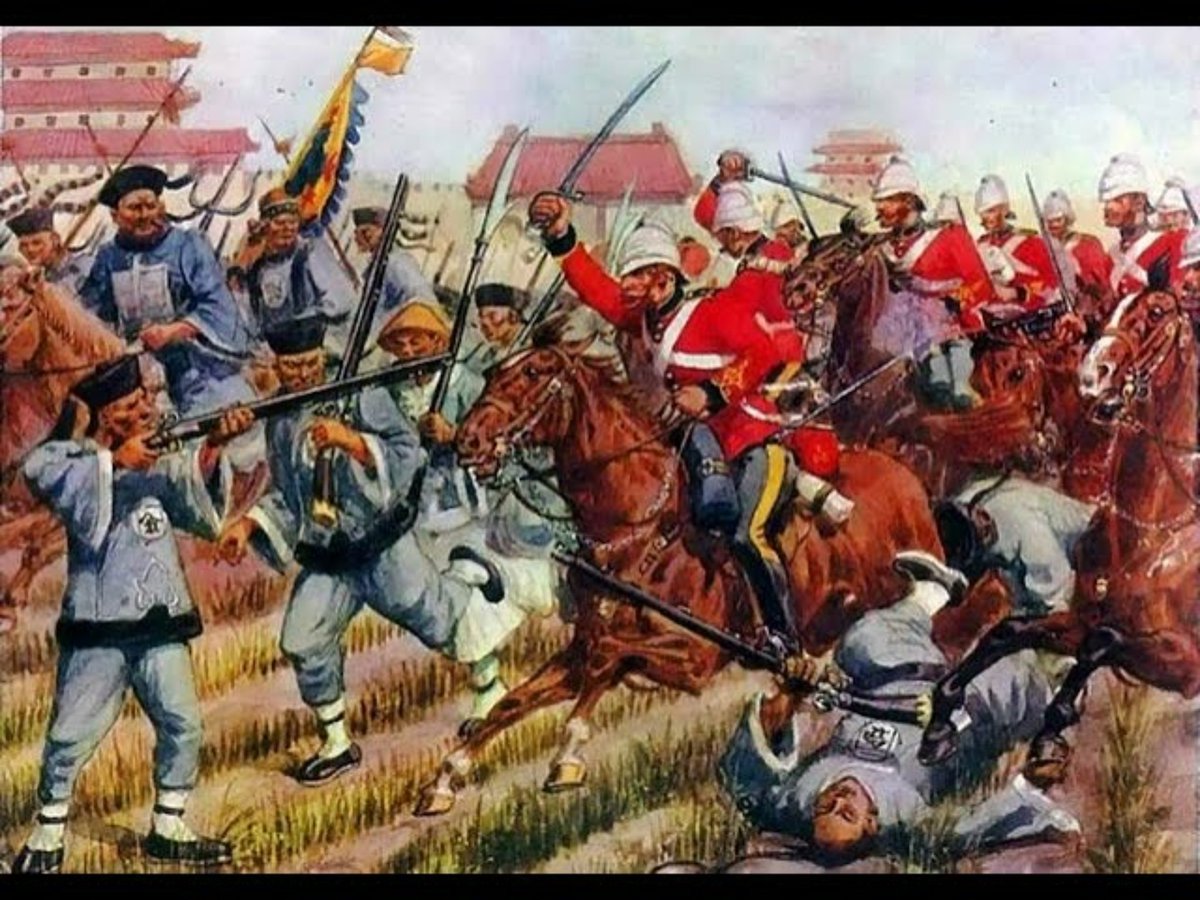
The British - Chinese Opium wars - Foreign mud Part 1
(Note: the British "elite" made their fortunes with opium and still do 😉)
https://t.co/eeUUJU1hnG
Aaron Hardoon (1851-1931): Business, Opium, Politics and Philanthropy in Republican Shanghai, 1911-1931
Hardoon and Trade Diaspora of Baghdadi Jews
https://t.co/pzOsXyoXKZ
You are looking at a handful of Scottish Opium Traders.
Keswick Family :
An old firm:
https://t.co/XURQUI11nH. Check Governance. 1600's. HBC is still going.
Common founders to HSBC
The Governors is where it's at.
House of #Windsor, #uk "Elite" 🤔
"In the early 1800s, the Brits controlled 90 percent of the #Chinese opium trade".
#British East Indian Company in 1715 till today, mass scale drug addiction was a policy against targeted
The British - Chinese Opium wars - Harrying the Chinese coast Part 2
(Note: the British "elite" made their fortunes with opium and still do 😉)
https://t.co/sZzx2dz4mG
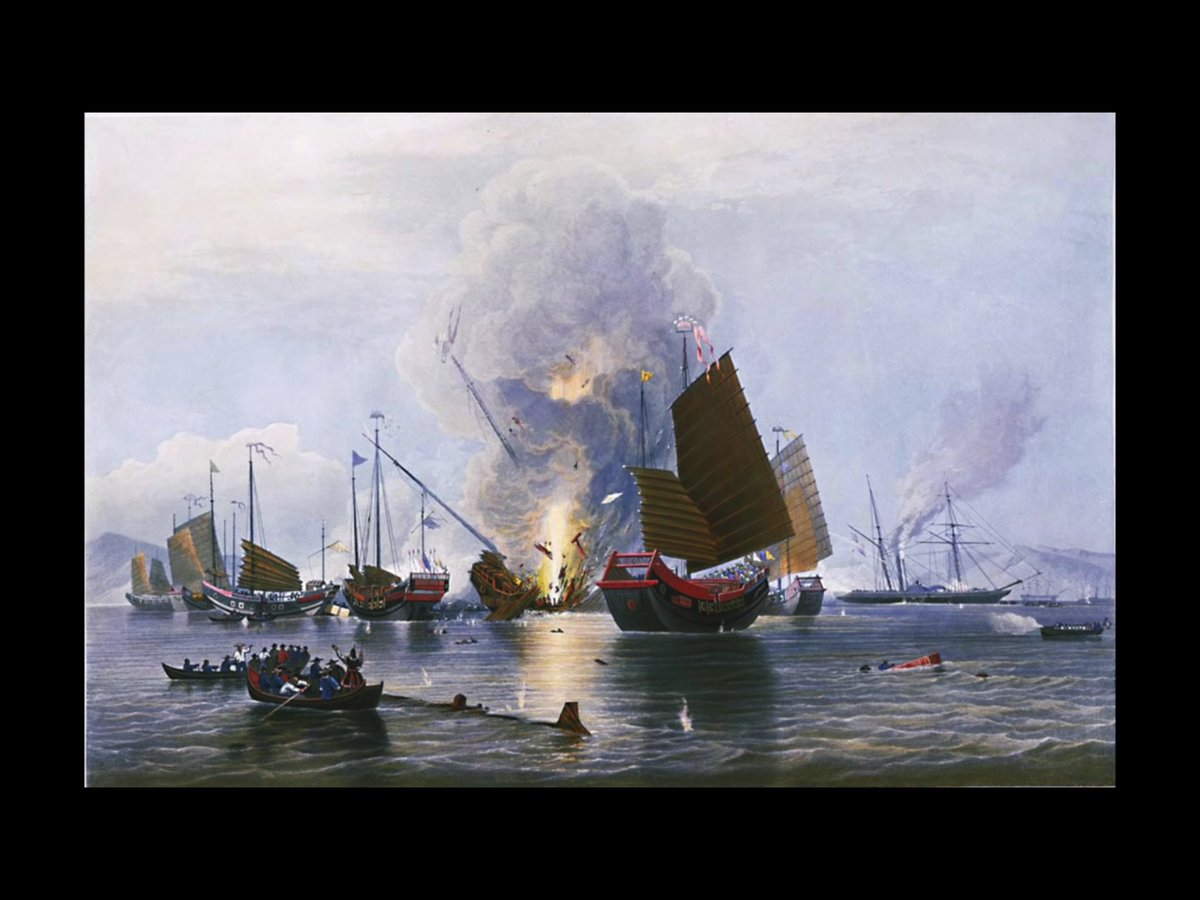
(Note: the British "elite" made their fortunes with opium and still do 😉)
https://t.co/eeUUJU1hnG
Aaron Hardoon (1851-1931): Business, Opium, Politics and Philanthropy in Republican Shanghai, 1911-1931
Hardoon and Trade Diaspora of Baghdadi Jews
https://t.co/pzOsXyoXKZ
You are looking at a handful of Scottish Opium Traders.
Keswick Family :
An old firm:
https://t.co/XURQUI11nH. Check Governance. 1600's. HBC is still going.
Common founders to HSBC
The Governors is where it's at.
House of #Windsor, #uk "Elite" 🤔
"In the early 1800s, the Brits controlled 90 percent of the #Chinese opium trade".
#British East Indian Company in 1715 till today, mass scale drug addiction was a policy against targeted
The British - Chinese Opium wars - Harrying the Chinese coast Part 2
(Note: the British "elite" made their fortunes with opium and still do 😉)
https://t.co/sZzx2dz4mG

Why are civil-mil scholars upset about Austin Lloyd's nomination as the 28th Secretary of Defense?
Consider the nomination of the 3rd Secretary of Defense: George Marshall
[THREAD]

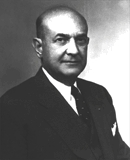
In 1950, Truman wanted to fire the second SecDef, Louis Johnson, and install George Marshall as Secretary of Defense.
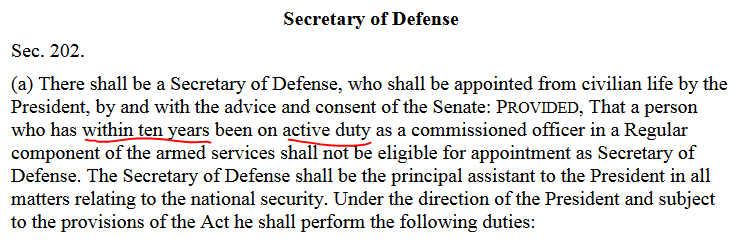
There was a problem: when the Department of Defense was created in 1947, section 202 of the 1947 National Security Act (which created the DoD, then called "The National Military Establishment") would not allow recently retired officers to serve as SecDef
https://t.co/bWx4h1OFah
Marshall had only retired as a 5-star General in 1947
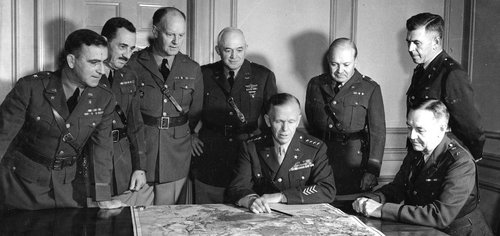
Of course, by 1950 Marshall had already served as Secretary of State and had proposed the "Marshall Plan" for the recovery of Europe
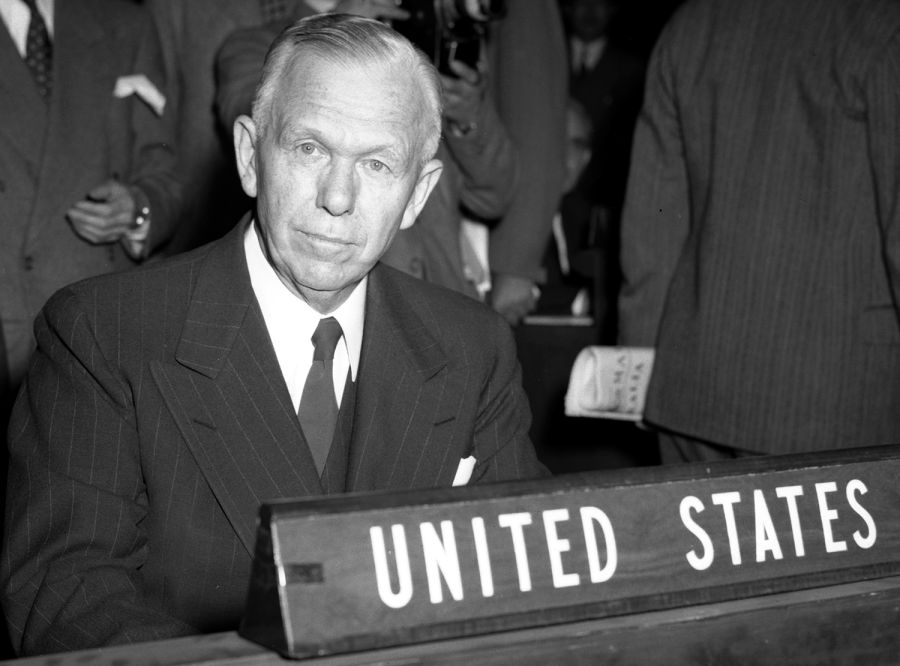
Consider the nomination of the 3rd Secretary of Defense: George Marshall
[THREAD]
In 1950, Truman wanted to fire the second SecDef, Louis Johnson, and install George Marshall as Secretary of Defense.
There was a problem: when the Department of Defense was created in 1947, section 202 of the 1947 National Security Act (which created the DoD, then called "The National Military Establishment") would not allow recently retired officers to serve as SecDef
https://t.co/bWx4h1OFah
Marshall had only retired as a 5-star General in 1947
Of course, by 1950 Marshall had already served as Secretary of State and had proposed the "Marshall Plan" for the recovery of Europe




A THREAD on Saint #AmartyaSen.
A comprehensive story of how the Nobel Laureate in economics (a committed communist klutz to be precise) thoroughly botched up the revival of the Nalanda University using a mix of nepotism, incompetency, and ad hoc functioning.
Please read & share:
First, the appointment of #AmartyaSen, who throughout his career has heaped scorn on everything that is rooted in the Indian tradition, was outrageous for Nalanda University, that had once symbolized Indian culture and the world’s best traditions of excellence in learning.
Indeed, it is open knowledge that the sole qualification of #AmartyaSen to head the Nalanda University was his proximity with Manmohan Singh and Sonia Gandhi.
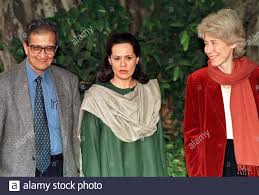
In 2007, UPA govt constituted a Committee, which was supposed to file a feasibility report in 9 months. But #AmartyaSen didn't submit any report in 3 yrs, could not even prepare a financial estimate or bring any funds from abroad. Yet he was made Chairman of the Board.
Instead, #AmartyaSen continued to use his position to decide on the University’s syllabus and other programs and controversially ignoring the rules.
Why? What was his agenda?
It has to be understood in the perspective of the ‘politics of obligation’ that Dr. Sen practices.
A comprehensive story of how the Nobel Laureate in economics (a committed communist klutz to be precise) thoroughly botched up the revival of the Nalanda University using a mix of nepotism, incompetency, and ad hoc functioning.
Please read & share:
Visva-Bharati Land Row: This Is Why Amartya Sen, Far From Being Wronged, Is Actually In The Wrong https://t.co/pWMkOv0uvn via @swarajyamag
— Prasanna Viswanathan (@prasannavishy) December 29, 2020
First, the appointment of #AmartyaSen, who throughout his career has heaped scorn on everything that is rooted in the Indian tradition, was outrageous for Nalanda University, that had once symbolized Indian culture and the world’s best traditions of excellence in learning.
Indeed, it is open knowledge that the sole qualification of #AmartyaSen to head the Nalanda University was his proximity with Manmohan Singh and Sonia Gandhi.
In 2007, UPA govt constituted a Committee, which was supposed to file a feasibility report in 9 months. But #AmartyaSen didn't submit any report in 3 yrs, could not even prepare a financial estimate or bring any funds from abroad. Yet he was made Chairman of the Board.
Instead, #AmartyaSen continued to use his position to decide on the University’s syllabus and other programs and controversially ignoring the rules.
Why? What was his agenda?
It has to be understood in the perspective of the ‘politics of obligation’ that Dr. Sen practices.

