2/
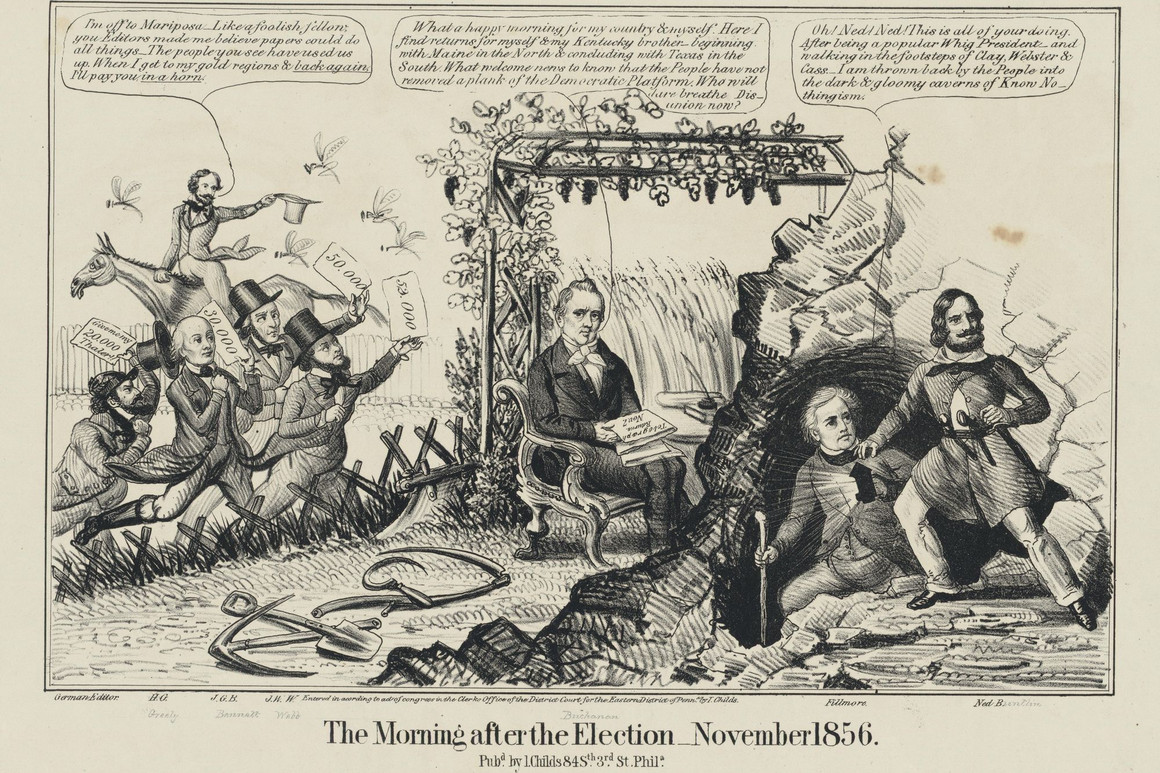
As the Qanon prophecies fail and the cult-members struggle to resolve their cognitive dissonance, it's a good time to revisit the history of paranoid, conspiratorial political movements in American history - the "paranoid style" that has dominated since the Revolution.
1/
2/
https://t.co/nscJnA4MTI
3/
More from Cory Doctorow #BLM

Today's Twitter threads (a Twitter thread).
Inside: Dependency Confusion; Adam Curtis on criti-hype; Catalytic converter theft; Apple puts North Dakota on blast; and more!
Archived at: https://t.co/Osts9lAjPo
#Pluralistic
1/

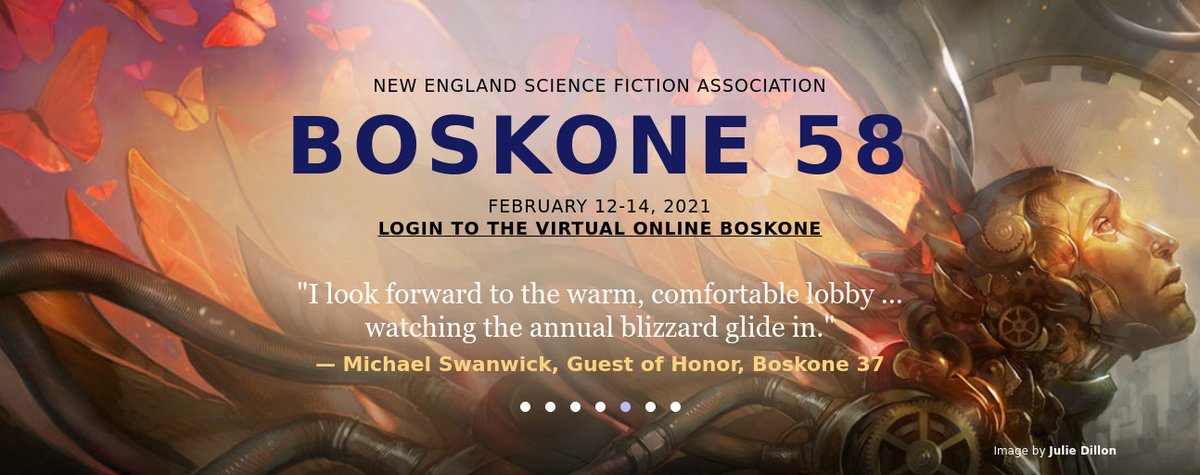
This weekend, I'll be participating in Boskone 58, Boston's annual sf convention, where I'm doing panels and a reading.
https://t.co/2LfFssVcZQ
2/
Dependency Confusion: A completely wild supply-chain hack.
https://t.co/TDRNHUX0Ug
3/

Adam Curtis on criti-hype: Big Tech as an epiphenomenon of sociopathic mediocrity, not supergenius.
https://t.co/MYmHOosTk3
4/
Catalytic converter theft: Rhodium at $21,900/oz.
https://t.co/SDMAXrQwdd
5/
Inside: Dependency Confusion; Adam Curtis on criti-hype; Catalytic converter theft; Apple puts North Dakota on blast; and more!
Archived at: https://t.co/Osts9lAjPo
#Pluralistic
1/
This weekend, I'll be participating in Boskone 58, Boston's annual sf convention, where I'm doing panels and a reading.
https://t.co/2LfFssVcZQ
2/
Dependency Confusion: A completely wild supply-chain hack.
https://t.co/TDRNHUX0Ug
3/
In "Dependency Confusion," security researcher @alxbrsn describes how he made a fortune in bug bounties by exploiting a new supply-chain attack he calls "dependency confusion," which allowed him to compromise "Apple, Microsoft and dozens of others."https://t.co/hn32EmF5qT
— Cory Doctorow #BLM (@doctorow) February 10, 2021
1/ pic.twitter.com/eqFr3GXlyX
Adam Curtis on criti-hype: Big Tech as an epiphenomenon of sociopathic mediocrity, not supergenius.
https://t.co/MYmHOosTk3
4/
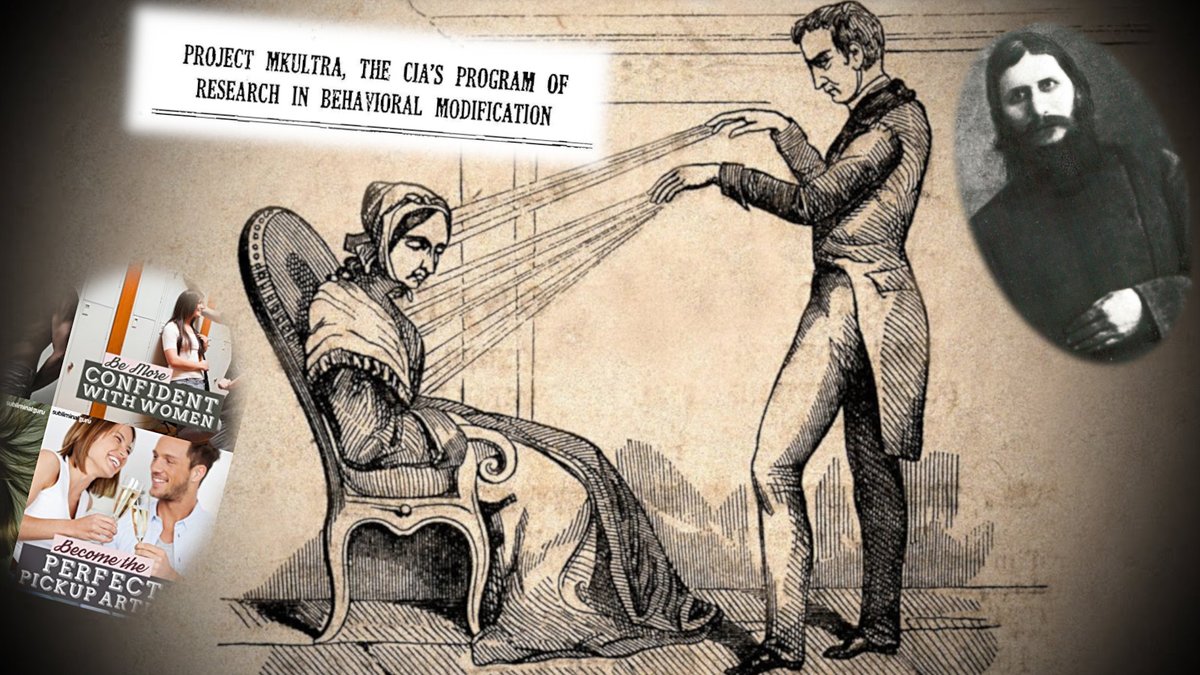
Adam Curtis is a brilliant documentarian, and films like Hypernormalization and series like All Watched Over by Machines of Loving Grace had a profound effect on my thinking about politics, technology and human thriving.
— Cory Doctorow #BLM (@doctorow) February 11, 2021
1/ pic.twitter.com/gydJK358BX
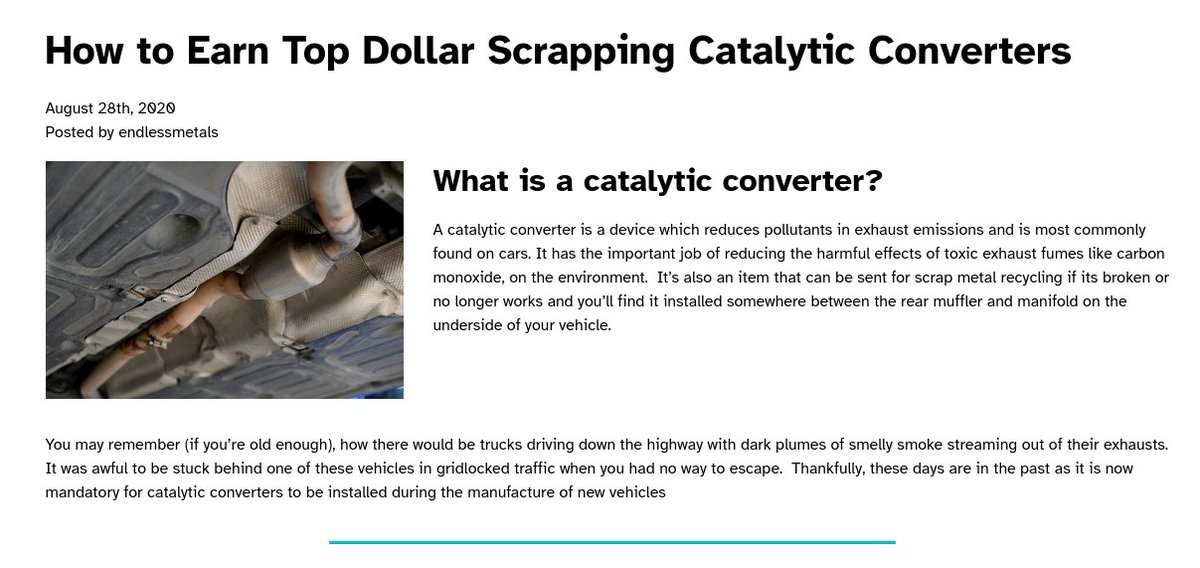
Catalytic converter theft: Rhodium at $21,900/oz.
https://t.co/SDMAXrQwdd
5/
Back in the early 2010s, people started falling into open sewer entrances in New York City and other large metros - because a China-driven spike in the price of scrap metal, combined with post-2008 unemployment, gave rise to an army of metal-thieves.https://t.co/gtD72IDCPn
— Cory Doctorow #BLM (@doctorow) February 11, 2021
1/ pic.twitter.com/gdgVJoMoY8

More from History


This is THEFT!
Indians had Algebra BEFORE Mμslim prophet & religion was even born.
Here is Bakhshali Manuscript dating back to 3rd century CE. It is an Algebraic treatise. Have you anything like this from the Arabian desert? No, you simply plagiarized Algebra from Indians! https://t.co/cWXRNYMgDt

The Bakhshali manuscript, which has been carbon dated to 3rd century CE, is an ancient Hindu treatise on Arithmetic and Algebra.
The Algebraic problems deal with simultaneous equations, quadratic equations, arithmetic
geometric progressions & quadratic indeterminate equations.

Bakhshali isn't earliest Indian Algebraic treatise. Early Algebra is found in Shulba Sutras dating back to at least 800 BC. Traditional Algebra reached its pinnacle in the works of Aryabhata & Bhaskara.
What makes Bakhshali special is it offers mathematical proof to its theories

It is surprising to see that even after the ancient Indian algebraic treatise has been carbon dated to 3rd century CE by Oxford, they persist with "oh we invented Algebra. It is Halal".
A brief examination of the origins of "Halal Algebra" follows
https://t.co/eFIZ98FDrI

The earliest work of "Arabic Algebra" is the "Al-Kitāb Al-Jabr wal-muqābala" by Al Khwarizmi. The term "Algebra" comes from this book ("Al Jabr").
Before writing his treatise, Al Khwarizmi visited India. His book is a plagiarism from Indian Mathematics and an obvious one at that
Indians had Algebra BEFORE Mμslim prophet & religion was even born.
Here is Bakhshali Manuscript dating back to 3rd century CE. It is an Algebraic treatise. Have you anything like this from the Arabian desert? No, you simply plagiarized Algebra from Indians! https://t.co/cWXRNYMgDt
Muslims gave the world Algebra, so here's a "halal" way to say Merry Christmas to our Christian friends :)#MerryChristmas2020 pic.twitter.com/aLXEw2K2I1
— Qasim Rashid, Esq. (@QasimRashid) December 25, 2020
The Bakhshali manuscript, which has been carbon dated to 3rd century CE, is an ancient Hindu treatise on Arithmetic and Algebra.
The Algebraic problems deal with simultaneous equations, quadratic equations, arithmetic
geometric progressions & quadratic indeterminate equations.
Bakhshali isn't earliest Indian Algebraic treatise. Early Algebra is found in Shulba Sutras dating back to at least 800 BC. Traditional Algebra reached its pinnacle in the works of Aryabhata & Bhaskara.
What makes Bakhshali special is it offers mathematical proof to its theories
It is surprising to see that even after the ancient Indian algebraic treatise has been carbon dated to 3rd century CE by Oxford, they persist with "oh we invented Algebra. It is Halal".
A brief examination of the origins of "Halal Algebra" follows
https://t.co/eFIZ98FDrI
The earliest work of "Arabic Algebra" is the "Al-Kitāb Al-Jabr wal-muqābala" by Al Khwarizmi. The term "Algebra" comes from this book ("Al Jabr").
Before writing his treatise, Al Khwarizmi visited India. His book is a plagiarism from Indian Mathematics and an obvious one at that





You May Also Like


A THREAD ON @SarangSood
Decoded his way of analysis/logics for everyone to easily understand.
Have covered:
1. Analysis of volatility, how to foresee/signs.
2. Workbook
3. When to sell options
4. Diff category of days
5. How movement of option prices tell us what will happen
1. Keeps following volatility super closely.
Makes 7-8 different strategies to give him a sense of what's going on.
Whichever gives highest profit he trades in.
2. Theta falls when market moves.
Falls where market is headed towards not on our original position.
3. If you're an options seller then sell only when volatility is dropping, there is a high probability of you making the right trade and getting profit as a result
He believes in a market operator, if market mover sells volatility Sarang Sir joins him.
4. Theta decay vs Fall in vega
Sell when Vega is falling rather than for theta decay. You won't be trapped and higher probability of making profit.
Decoded his way of analysis/logics for everyone to easily understand.
Have covered:
1. Analysis of volatility, how to foresee/signs.
2. Workbook
3. When to sell options
4. Diff category of days
5. How movement of option prices tell us what will happen
1. Keeps following volatility super closely.
Makes 7-8 different strategies to give him a sense of what's going on.
Whichever gives highest profit he trades in.
I am quite different from your style. I follow the market's volatility very closely. I have mock positions in 7-8 different strategies which allows me to stay connected. Whichever gives best profit is usually the one i trade in.
— Sarang Sood (@SarangSood) August 13, 2019
2. Theta falls when market moves.
Falls where market is headed towards not on our original position.
Anilji most of the time these days Theta only falls when market moves. So the Theta actually falls where market has moved to, not where our position was in the first place. By shifting we can come close to capturing the Theta fall but not always.
— Sarang Sood (@SarangSood) June 24, 2019
3. If you're an options seller then sell only when volatility is dropping, there is a high probability of you making the right trade and getting profit as a result
He believes in a market operator, if market mover sells volatility Sarang Sir joins him.
This week has been great so far. The main aim is to be in the right side of the volatility, rest the market will reward.
— Sarang Sood (@SarangSood) July 3, 2019
4. Theta decay vs Fall in vega
Sell when Vega is falling rather than for theta decay. You won't be trapped and higher probability of making profit.
There is a difference between theta decay & fall in vega. Decay is certain but there is no guaranteed profit as delta moves can increase cost. Fall in vega on the other hand is backed by a powerful force that sells options and gives handsome returns. Our job is to identify them.
— Sarang Sood (@SarangSood) February 12, 2020