https://t.co/tkAMShno4k 2/
I've just read one of the most lucid, wide-ranging, cross-disciplinary critiques of cryptocurrency and blockchain I've yet to encounter. 1/

https://t.co/tkAMShno4k 2/
The presence of "externalities" in Rosenthal's title is key. 4/
This is an important critique of libertarianism. 5/
https://t.co/kbmvG5MRbq 11/
https://t.co/bIwXOkJfZH
That democracy itself is incompatible with liberty, since it lets workers vote to limi their bosses:
https://t.co/oL2cBCYJMB 12/
This expense, in turn, compensates miners for the money they pour into defeating Sybil attacks. 21/
This profound wastefulness is a feature, not a bug. 25/
https://t.co/fO5fciIW3u 29/
https://t.co/xbJRf73SZy 35/
https://t.co/jdtbWjOe3C 49/
I. Permissioned blockchains can stop Sybil attacks without cryptocurrency and have no significant externalities; 50/
III. To be successful, permissionless blockchains require proof-of-work or some other deliberately wasteful system, making externalities inevitable; 51/
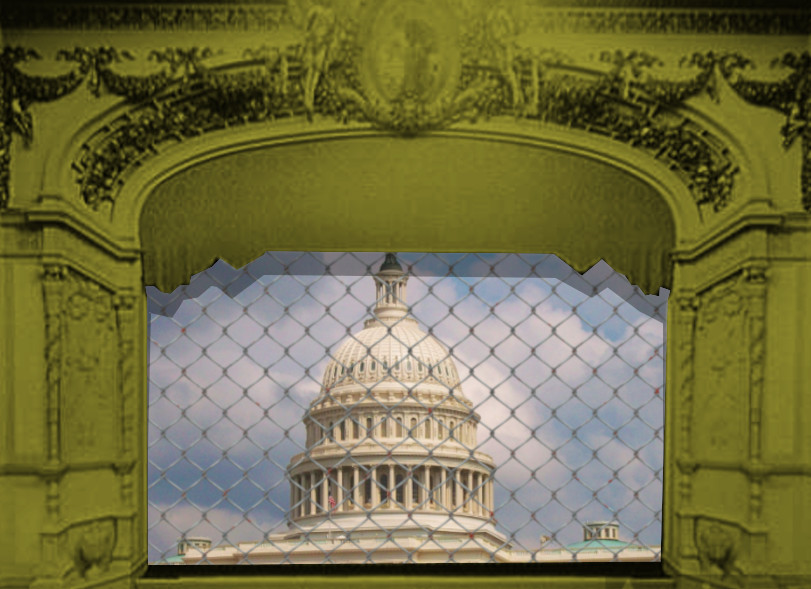
U.S. Fish and Wildlife Service Headquarters (modified)
https://t.co/bq5JJPcDcp
CC BY 2.0:
https://t.co/B930sKCLnf 56/
https://t.co/5rhyfeEW7L
More from Cory Doctorow RIGHT-CLICKING WORDCEL MENTALITY

Today's Twitter threads (a Twitter thread).
Inside: Stop saying "it's not censorship if it's not the government"; Trump's swamp gators find corporate refuge; and more!
Archived at: https://t.co/7JMcAbaULj
#Pluralistic
1/
Monday night, I'll be helping William Gibson launch the paperback edition of his novel AGENCY at a Strand Bookstore videoconference. Come say hi!
https://t.co/k3fvBdqOK0
2/

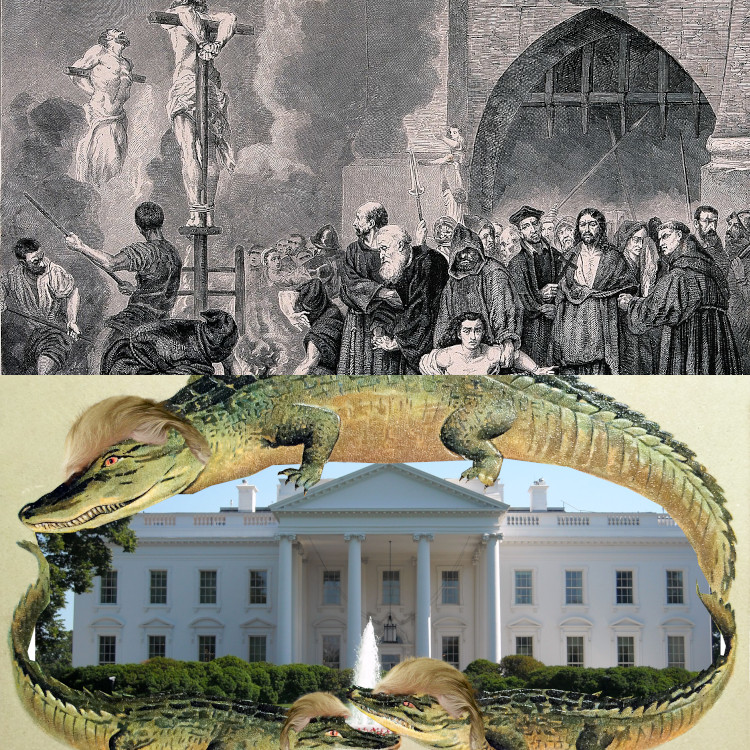
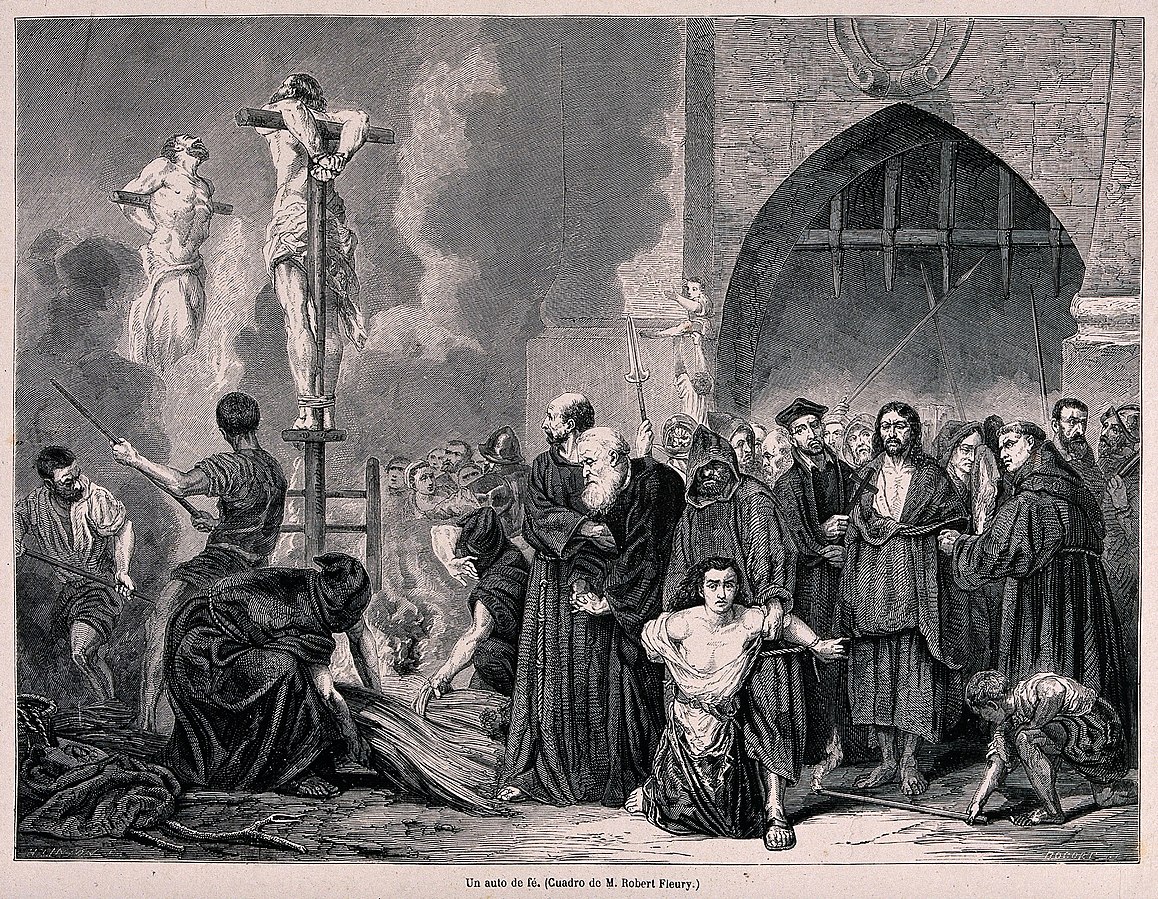
Stop saying "it's not censorship if it's not the government": I didn't expect the Spanish Inquisition.
https://t.co/7I0MpCTez5
3/
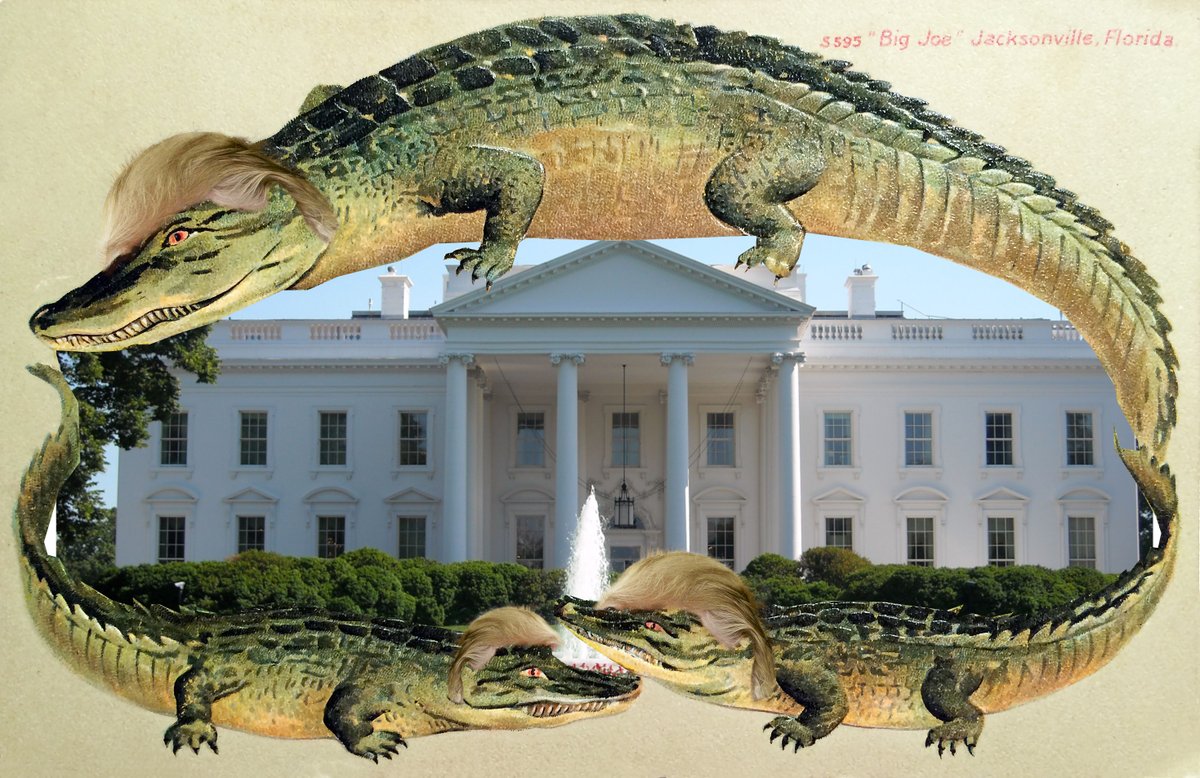
Trump's swamp gators find corporate refuge: The Swamped project.
https://t.co/MUJyIOr2iw
4/
#15yrsago A-Hole bill would make a secret technology into the law of the land https://t.co/57bJaM1Byr
#15yrsago Hollywood’s MP loses the election — hit the road, Sam! https://t.co/12ssYpV46B
#15yrsago How William Gibson discovered science fiction https://t.co/MYR0go37nW
5/
Inside: Stop saying "it's not censorship if it's not the government"; Trump's swamp gators find corporate refuge; and more!
Archived at: https://t.co/7JMcAbaULj
#Pluralistic
1/
Monday night, I'll be helping William Gibson launch the paperback edition of his novel AGENCY at a Strand Bookstore videoconference. Come say hi!
https://t.co/k3fvBdqOK0
2/
Stop saying "it's not censorship if it's not the government": I didn't expect the Spanish Inquisition.
https://t.co/7I0MpCTez5
3/
If you think "It's not censorship unless the government does it," I want to change your mind.
— Cory Doctorow #BLM (@doctorow) January 24, 2021
It's absolutely true that the First Amendment only prohibits government action to suppress speech based on its content, but the First Amendment is not the last word on censorship.
1/ pic.twitter.com/ycbLLDhtrd
Trump's swamp gators find corporate refuge: The Swamped project.
https://t.co/MUJyIOr2iw
4/
Have you seen the stories about how Trump administration officials and staffers for Ted Cruz are finding that no one in the private sector will hire them because they are forever tainted by their former bosses' disgraceful behavior?
— Cory Doctorow #BLM (@doctorow) January 24, 2021
They're bullshit.https://t.co/XvYDPpR9yd
1/ pic.twitter.com/VxisK4d8jV
#15yrsago A-Hole bill would make a secret technology into the law of the land https://t.co/57bJaM1Byr
#15yrsago Hollywood’s MP loses the election — hit the road, Sam! https://t.co/12ssYpV46B
#15yrsago How William Gibson discovered science fiction https://t.co/MYR0go37nW
5/


More from Crypto




1/ ERC-20 token standard approve() has caused an unnecessary cost of $53.8M for #Ethereum and #DeFi users
This is bad. Continue reading why and how to avoid this in the future.
👇👇👇

2/ Before you go all rage on the flaws of my analysis, please read the whole Twitter thread for disclaimers and caveats.
3/ approve() is an unnecessary step of ERC-20 tokens when they interact with smart contracts.
You know this because when you do a Uniswap trade you need press two transaction buttons instead of one.
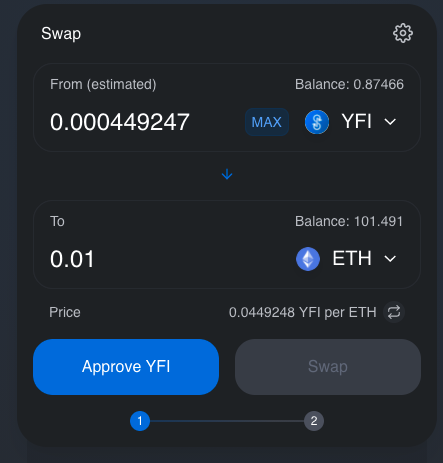
4/ Why there is approve() - you can read the history in this Twitter
5/ I queried all approve() transactions on Google BigQuery public dataset and calculated their ETH cost and then converted this to the USD with the current ETH price.
This is bad. Continue reading why and how to avoid this in the future.
👇👇👇
2/ Before you go all rage on the flaws of my analysis, please read the whole Twitter thread for disclaimers and caveats.
3/ approve() is an unnecessary step of ERC-20 tokens when they interact with smart contracts.
You know this because when you do a Uniswap trade you need press two transaction buttons instead of one.
4/ Why there is approve() - you can read the history in this Twitter
1/ I just spend my Saturday morning on a call with a crypto fund explaining to them how #Ethereum ERC-20 token approve() function works
— \U0001f42e Mikko Ohtamaa (@moo9000) August 29, 2020
I am too old for this shit. pic.twitter.com/7EYfOaRP5L
5/ I queried all approve() transactions on Google BigQuery public dataset and calculated their ETH cost and then converted this to the USD with the current ETH price.