Some insights I wanted to share with you from Tony Deden's speech (in his own words) at the Observer's conference from late 2018.
This is PURE GOLD, some incredible gems being dropped by Deden, as usual. It's especially relevant now more than ever.
1/
@PrestonPysh - H/T for opening my eyes to a new framework to think of price discovery in today's world
@radigancarter - H/T for introducing me to Deden's writings
More from For later read

Wow, Morgan McSweeney again, Rachel Riley, SFFN, Center for Countering Digital Hate, Imran Ahmed, JLM, BoD, Angela Eagle, Tracy-Ann Oberman, Lisa Nandy, Steve Reed, Jon Cruddas, Trevor Chinn, Martin Taylor, Lord Ian Austin and Mark Lewis. #LabourLeaks #StarmerOut 24 tweet🧵
Morgan McSweeney, Keir Starmer’s chief of staff, launched the organisation that now runs SFFN.
The CEO Imran Ahmed worked closely with a number of Labour figures involved in the campaign to remove Jeremy as leader.
Rachel Riley is listed as patron. https://t.co/nGY5QrwBD0

SFFN claims that it has been “a project of the Center For Countering Digital Hate” since 4 May 2020. The relationship between the two organisations, however, appears to date back far longer. And crucially, CCDH is linked to a number of figures on the Labour right. #LabourLeaks
Center for Countering Digital Hate registered at Companies House on 19 Oct 2018, the organisation’s only director was Morgan McSweeney – Labour leader Keir Starmer’s chief of staff. McSweeney was also the campaign manager for Liz Kendall’s leadership bid. #LabourLeaks #StarmerOut
Sir Keir - along with his chief of staff, Morgan McSweeney - held his first meeting with the Jewish Labour Movement (JLM). Deliberately used the “anti-Semitism” crisis as a pretext to vilify and then expel a leading pro-Corbyn activist in Brighton and Hove
Morgan McSweeney, Keir Starmer’s chief of staff, launched the organisation that now runs SFFN.
The CEO Imran Ahmed worked closely with a number of Labour figures involved in the campaign to remove Jeremy as leader.
Rachel Riley is listed as patron. https://t.co/nGY5QrwBD0
SFFN claims that it has been “a project of the Center For Countering Digital Hate” since 4 May 2020. The relationship between the two organisations, however, appears to date back far longer. And crucially, CCDH is linked to a number of figures on the Labour right. #LabourLeaks
Center for Countering Digital Hate registered at Companies House on 19 Oct 2018, the organisation’s only director was Morgan McSweeney – Labour leader Keir Starmer’s chief of staff. McSweeney was also the campaign manager for Liz Kendall’s leadership bid. #LabourLeaks #StarmerOut
Sir Keir - along with his chief of staff, Morgan McSweeney - held his first meeting with the Jewish Labour Movement (JLM). Deliberately used the “anti-Semitism” crisis as a pretext to vilify and then expel a leading pro-Corbyn activist in Brighton and Hove

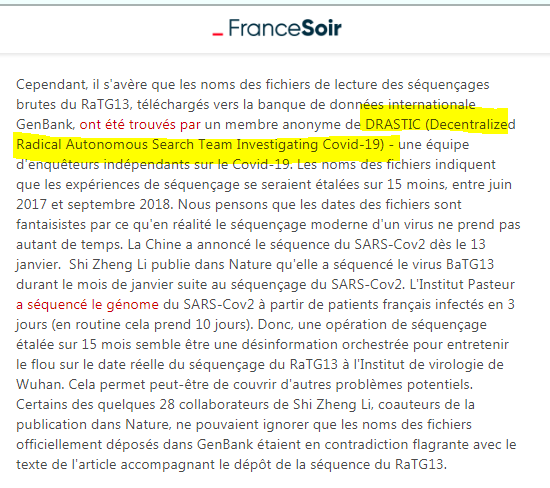
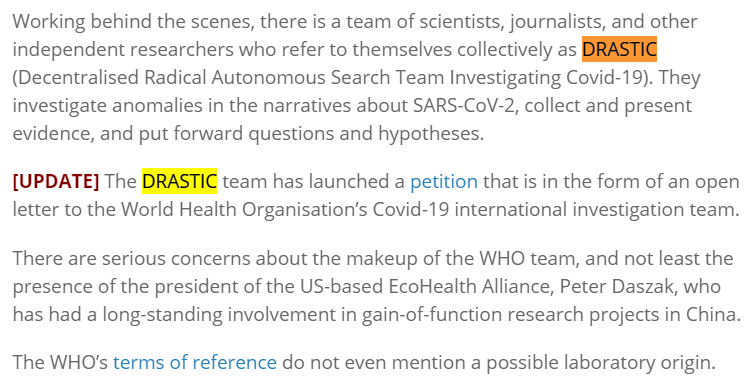
1. A little DRASTIC Project you may be able to help with?
We want to collate all references to DRASTIC in academic papers & media articles
Here are a few:
medium article by @emmecola
thorough report by @netpoette
@ColinDavdButler 's Paper
Please add any links to this thread. Tks!

2. More References
Papers by @MonaRahalkar and @BahulikarRahul
Papers by @Rossana38510044 and @ydeigin
Medium articles & papers by
@gdemaneuf & @Rdemaistre
Papers by @flavinkins (Daoyu Zhang)
Papers by "Anon" & "interneperson"
French News - le Monde
Can anyone remember any more?
3. More References
Papers & Blog Posts by @Harvard2H (Sirotkin & Sirotkin)
260 Questions for WHO collated by @billybostickson
If you find mentions of our individual names or "DRASTIC" in Papers or News, please forward here to this thread as links or screenshots.
Histoire du COVID-19 – chapitre 6 - Partie 2 : Pourquoi le séquençage complet du virus RaTG13 n'a pas été communiqué par Shi Zheng Li avant février 2020 ? https://t.co/MYEZZSAzaE
SARS-CoV-2: lab-origin hypothesis gains traction
BY ANNETTE GARTLAND ON OCTOBER 12, 2020
https://t.co/sPs1y8Herg
We want to collate all references to DRASTIC in academic papers & media articles
Here are a few:
medium article by @emmecola
thorough report by @netpoette
@ColinDavdButler 's Paper
Please add any links to this thread. Tks!
2. More References
Papers by @MonaRahalkar and @BahulikarRahul
Papers by @Rossana38510044 and @ydeigin
Medium articles & papers by
@gdemaneuf & @Rdemaistre
Papers by @flavinkins (Daoyu Zhang)
Papers by "Anon" & "interneperson"
French News - le Monde
Can anyone remember any more?
3. More References
Papers & Blog Posts by @Harvard2H (Sirotkin & Sirotkin)
260 Questions for WHO collated by @billybostickson
If you find mentions of our individual names or "DRASTIC" in Papers or News, please forward here to this thread as links or screenshots.
Histoire du COVID-19 – chapitre 6 - Partie 2 : Pourquoi le séquençage complet du virus RaTG13 n'a pas été communiqué par Shi Zheng Li avant février 2020 ? https://t.co/MYEZZSAzaE
SARS-CoV-2: lab-origin hypothesis gains traction
BY ANNETTE GARTLAND ON OCTOBER 12, 2020
https://t.co/sPs1y8Herg


You May Also Like


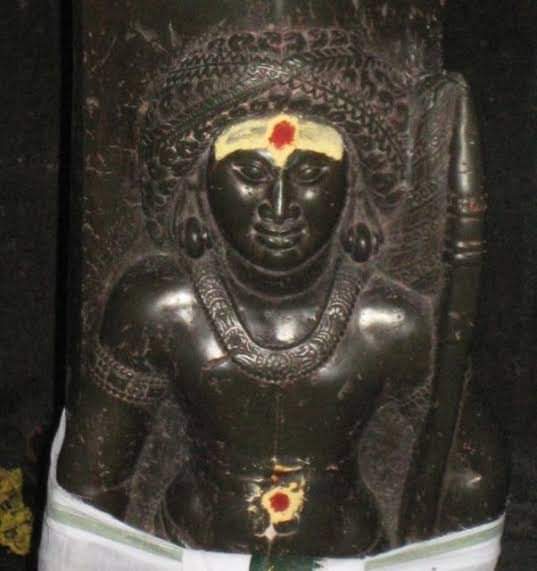
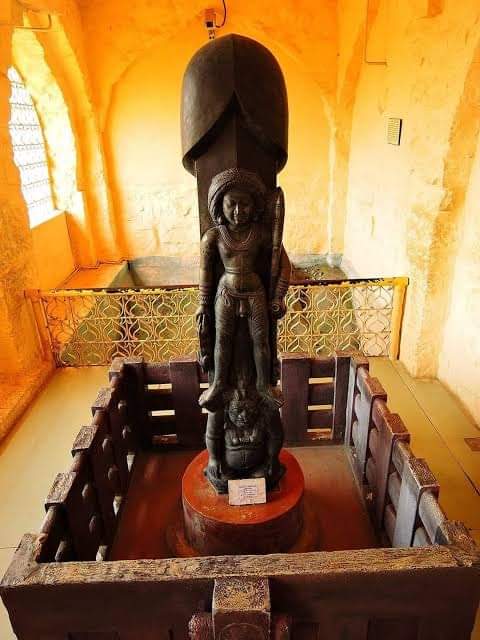

THE MEANING, SIGNIFICANCE AND HISTORY OF SWASTIK
The Swastik is a geometrical figure and an ancient religious icon. Swastik has been Sanatan Dharma’s symbol of auspiciousness – mangalya since time immemorial.

The name swastika comes from Sanskrit (Devanagari: स्वस्तिक, pronounced: swastik) &denotes “conducive to wellbeing or auspicious”.
The word Swastik has a definite etymological origin in Sanskrit. It is derived from the roots su – meaning “well or auspicious” & as meaning “being”.
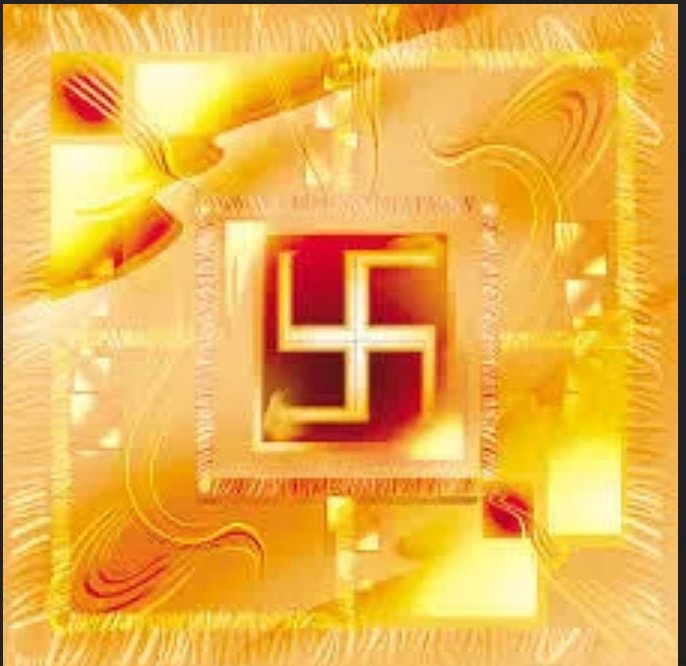
"सु अस्ति येन तत स्वस्तिकं"
Swastik is de symbol through which everything auspicios occurs
Scholars believe word’s origin in Vedas,known as Swasti mantra;
"🕉स्वस्ति ना इन्द्रो वृधश्रवाहा
स्वस्ति ना पूषा विश्ववेदाहा
स्वस्तिनास्तरक्ष्यो अरिश्तनेमिही
स्वस्तिनो बृहस्पतिर्दधातु"

It translates to," O famed Indra, redeem us. O Pusha, the beholder of all knowledge, redeem us. Redeem us O Garudji, of limitless speed and O Bruhaspati, redeem us".
SWASTIK’s COSMIC ORIGIN
The Swastika represents the living creation in the whole Cosmos.

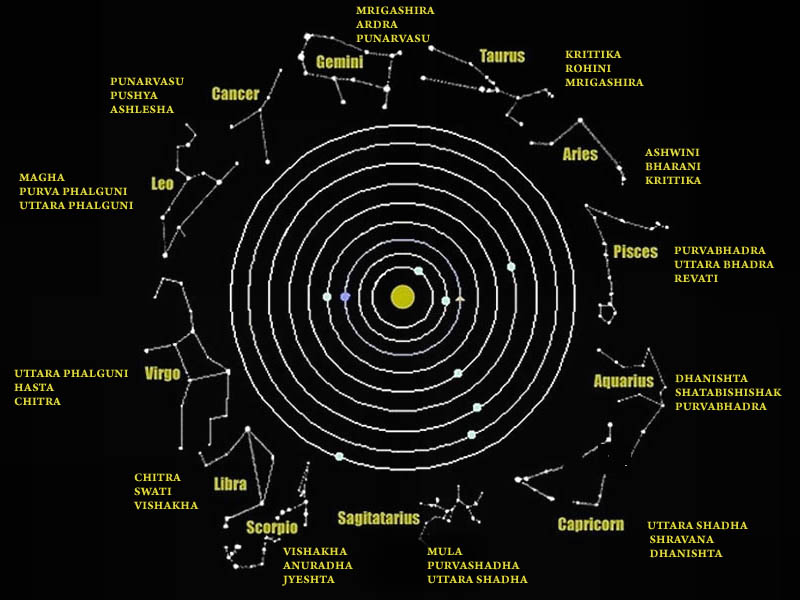
Hindu astronomers divide the ecliptic circle of cosmos in 27 divisions called https://t.co/sLeuV1R2eQ this manner a cross forms in 4 directions in the celestial sky. At centre of this cross is Dhruva(Polestar). In a line from Dhruva, the stars known as Saptarishi can be observed.
The Swastik is a geometrical figure and an ancient religious icon. Swastik has been Sanatan Dharma’s symbol of auspiciousness – mangalya since time immemorial.
The name swastika comes from Sanskrit (Devanagari: स्वस्तिक, pronounced: swastik) &denotes “conducive to wellbeing or auspicious”.
The word Swastik has a definite etymological origin in Sanskrit. It is derived from the roots su – meaning “well or auspicious” & as meaning “being”.
"सु अस्ति येन तत स्वस्तिकं"
Swastik is de symbol through which everything auspicios occurs
Scholars believe word’s origin in Vedas,known as Swasti mantra;
"🕉स्वस्ति ना इन्द्रो वृधश्रवाहा
स्वस्ति ना पूषा विश्ववेदाहा
स्वस्तिनास्तरक्ष्यो अरिश्तनेमिही
स्वस्तिनो बृहस्पतिर्दधातु"
It translates to," O famed Indra, redeem us. O Pusha, the beholder of all knowledge, redeem us. Redeem us O Garudji, of limitless speed and O Bruhaspati, redeem us".
SWASTIK’s COSMIC ORIGIN
The Swastika represents the living creation in the whole Cosmos.
Hindu astronomers divide the ecliptic circle of cosmos in 27 divisions called https://t.co/sLeuV1R2eQ this manner a cross forms in 4 directions in the celestial sky. At centre of this cross is Dhruva(Polestar). In a line from Dhruva, the stars known as Saptarishi can be observed.