2020 marks the start of the quantum dot revolution.
More from NotTheMacAnon
👍🏻
https://t.co/0ywQ1y5NDj
Pott found an association between exposure to soot and a high incidence of scrotal skin cancer in chimney sweeps. This cancer is now known as Pott's or chimney sweep cancer.
Coal contains trace amounts of naturally-occurring radioactive elements. The process of burning coal at coal-fired power plants, called combustion, creates wastes that contain small amounts of naturally-occurring radioactive material (NORM).
Fly ash particles (a major component of coal ash) can become lodged in the deepest part of your lungs, where they trigger asthma, inflammation and immunological reactions.
"When does a canary sing"
— Found&Forgiven (@AshlieMC2) December 7, 2020
See thread RT on oxidative stress and QD effects.
Thank you @NotTheMacAnon1https://t.co/XlyXyiCS2H
https://t.co/0ywQ1y5NDj
Pott found an association between exposure to soot and a high incidence of scrotal skin cancer in chimney sweeps. This cancer is now known as Pott's or chimney sweep cancer.
Coal contains trace amounts of naturally-occurring radioactive elements. The process of burning coal at coal-fired power plants, called combustion, creates wastes that contain small amounts of naturally-occurring radioactive material (NORM).
Fly ash particles (a major component of coal ash) can become lodged in the deepest part of your lungs, where they trigger asthma, inflammation and immunological reactions.
Localized Surface Plasmon Resonance - an overview | ScienceDirect Topics
https://t.co/mzS7vVSREJ
https://t.co/353PdAX2fa
https://t.co/3yBImjOdd4
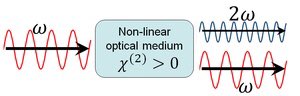
In some cases, almost 100% of the light energy can be converted to the second harmonic frequency. These cases typically involve intense pulsed laser beams passing through large crystals, and careful alignment to obtain phase matching.
https://t.co/mzS7vVSREJ
https://t.co/353PdAX2fa
https://t.co/3yBImjOdd4
In some cases, almost 100% of the light energy can be converted to the second harmonic frequency. These cases typically involve intense pulsed laser beams passing through large crystals, and careful alignment to obtain phase matching.


More from For later read


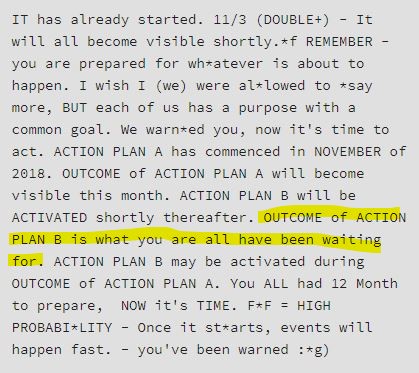


I shared this on my FB page and asked, can ya really blame him?
I was half kidding. I also assumed someone would think of what I did pretty quickly and waiting for the comment to mention what I assumed was obvious.
The timing. I was sure someone else had thought of it.
But no one did. 20+ comments in people discussed the morality or bad sense or libertarian perspectives. Someone even said I’m thinking about doing that. No one said what I thought was obvious. Have you thought of it? Is it obvious to you?
Here’s a clue...recognize it?
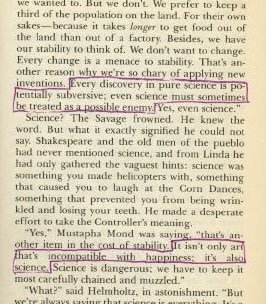
How about this?
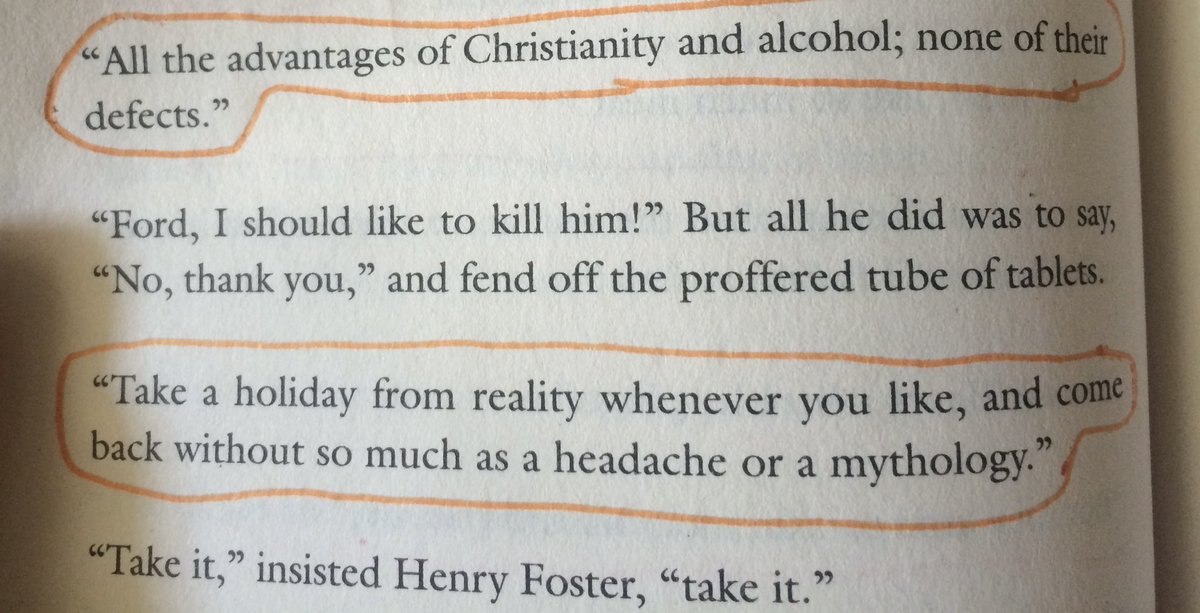
The author discusses it with Mike Wallace in 1958
I was half kidding. I also assumed someone would think of what I did pretty quickly and waiting for the comment to mention what I assumed was obvious.
The timing. I was sure someone else had thought of it.
Columbia professor: I do heroin regularly for 'work-life balance' https://t.co/6aq9cnGfPG pic.twitter.com/3OmmaHKORx
— New York Post (@nypost) February 19, 2021
But no one did. 20+ comments in people discussed the morality or bad sense or libertarian perspectives. Someone even said I’m thinking about doing that. No one said what I thought was obvious. Have you thought of it? Is it obvious to you?
Here’s a clue...recognize it?
How about this?
The author discusses it with Mike Wallace in 1958

There is some valuable analysis in this report, but on the defense front this report is deeply flawed. There are other sections of value in report but, candidly, I don't think it helps us think through critical question of Taiwan defense issues in clear & well-grounded way. 1/
Normally as it might seem churlish to be so critical, but @cfr is so high-profile & the co-authors so distinguished I think it’s key to be clear. If not, people - including in Beijing - could get the wrong idea & this report could do real harm if influential on defense issues. 2/
BLUF: The defense discussion in this report does not engage at the depth needed to add to this critical debate. Accordingly conclusions in report are ill-founded - & in key parts harmful/misleading, esp that US shldnt be prepared defend Taiwan directly (alongside own efforts). 3/
The root of the problem is that report doesn't engage w the real debate on TWN defense issues or, frankly, the facts as knowable in public. Perhaps the most direct proof of this: The citations. There is nothing in the citations to @DeptofDefense China Military Power Report...4/
Nor to vast majority of leading informed sources on this like Ochmanek, the @RANDCorporation Scorecard, @CNAS, etc. This is esp salient b/c co-authors by their own admission have v little insight into contemporary military issues. & both last served in govt in Bush 43. 5/
This is an excellent report, and I'm glad to have joined the study group. The central focus on avoiding war is understandable--a US-China war would be catastrophic and should be avoided. But protecting Taiwan's security and prosperity requires doing more. 1/x https://t.co/P0Sg4LJcpV
— Bonnie Glaser / \u845b\u4f86\u5100 (@BonnieGlaser) February 12, 2021
Normally as it might seem churlish to be so critical, but @cfr is so high-profile & the co-authors so distinguished I think it’s key to be clear. If not, people - including in Beijing - could get the wrong idea & this report could do real harm if influential on defense issues. 2/
BLUF: The defense discussion in this report does not engage at the depth needed to add to this critical debate. Accordingly conclusions in report are ill-founded - & in key parts harmful/misleading, esp that US shldnt be prepared defend Taiwan directly (alongside own efforts). 3/
The root of the problem is that report doesn't engage w the real debate on TWN defense issues or, frankly, the facts as knowable in public. Perhaps the most direct proof of this: The citations. There is nothing in the citations to @DeptofDefense China Military Power Report...4/
Nor to vast majority of leading informed sources on this like Ochmanek, the @RANDCorporation Scorecard, @CNAS, etc. This is esp salient b/c co-authors by their own admission have v little insight into contemporary military issues. & both last served in govt in Bush 43. 5/