In Dec. 1945, Picasso created "The Bull", a series of 11 lithographs (stone prints).
With each successive print, a bull is simplified and abstracted. Picasso's goal was to find "spirit of the beast".
At Apple, employees are taught this philosophy.
Below are the 1st, 4th and last stone print.
The bull progresses from:
◻️a realistic drawing
◻️to a deconstructed image w/ the famous "abstract" style
◻️to lines outlining a shape
Through 11 iterations, Picasso simplified the image until it captured the "essence" of the bull.
Picasso said of the abstraction process:
"Two holes. That’s the symbol for the face, enough to evoke it without representing it. But isn’t it strange that it can be done through such simple means? Whatever is most abstract may perhaps be the summit of reality.”
Enter Apple University.
In 2008, Steve Jobs tapped the dean of Yale School of Management to create an internal training curriculum for Apple.
The program was meant to teach new employees Apple's culture and design philosophy (the teachings are rarely shared with the public).
Picasso's Bull is a popular topic at Apple University.
Apple uses the evolution of its mouse as an example of the philosophy (e.g., the buttons were "abstracted" away).
For new employees, Apple also taught the lesson by contrasting its Apple TV remote with existing smart controllers (significantly fewer buttons).
The Picasso way of saying "no" and capturing "the essence" extends to business strategy.
When Steve Jobs returned as CEO in 1997, Apple was near bankruptcy and on a streak of failed products including a gaming machine (Pippin) and a personal digital assistant (Newton).
During one meeting that discussed all of Apple's products (way too many), Jobs shouted "stop...this is crazy" and got up to draw something on the whiteboard.
It was a 2x2 matrix laying out his product line:
• Desktop / Portable
• Consumer / Pro
By saying "no" to a ton of fluff and simplifying the product offerings, Apple would start its legendary resurgence.
Its market cap was <$5B upon Jobs' return...
...and reached~$350B by the time he passed in 2011.
The evolution of the iPod/iPhone followed the Picasso Way, especially with the removal of the trackpad (and introduction of touchscreen).
Per Jobs, “You have to deeply understand the essence of a product in order to be able to get rid of the parts that are not essential,”
Sounds like Picasso.
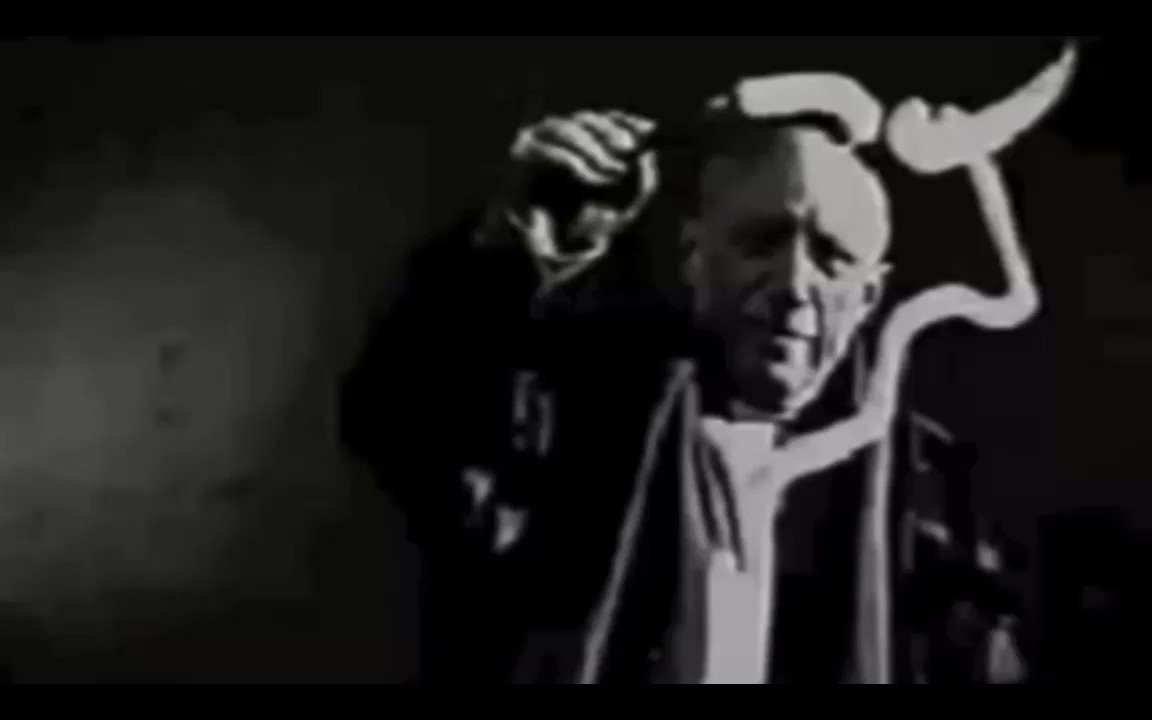
Speaking of which, check out Picasso drawing the Bull at the end of Apple's legendary "Think Different" advertisement.
If you enjoyed that, I write interesting threads 1-2x a week.
Follow
@TrungTPhan to catch them in your feed.
Here's another one:
https://t.co/Lu35yc7X6x
PS. I also write a Saturday newsletter on glorious tech, business and internet topics like:
• Why is Linkedin so cringe?
• Buffett's $152 bet on Apple
• McDonald's $42B real estate empire
Sub here:
https://t.co/jGZs8brnVR
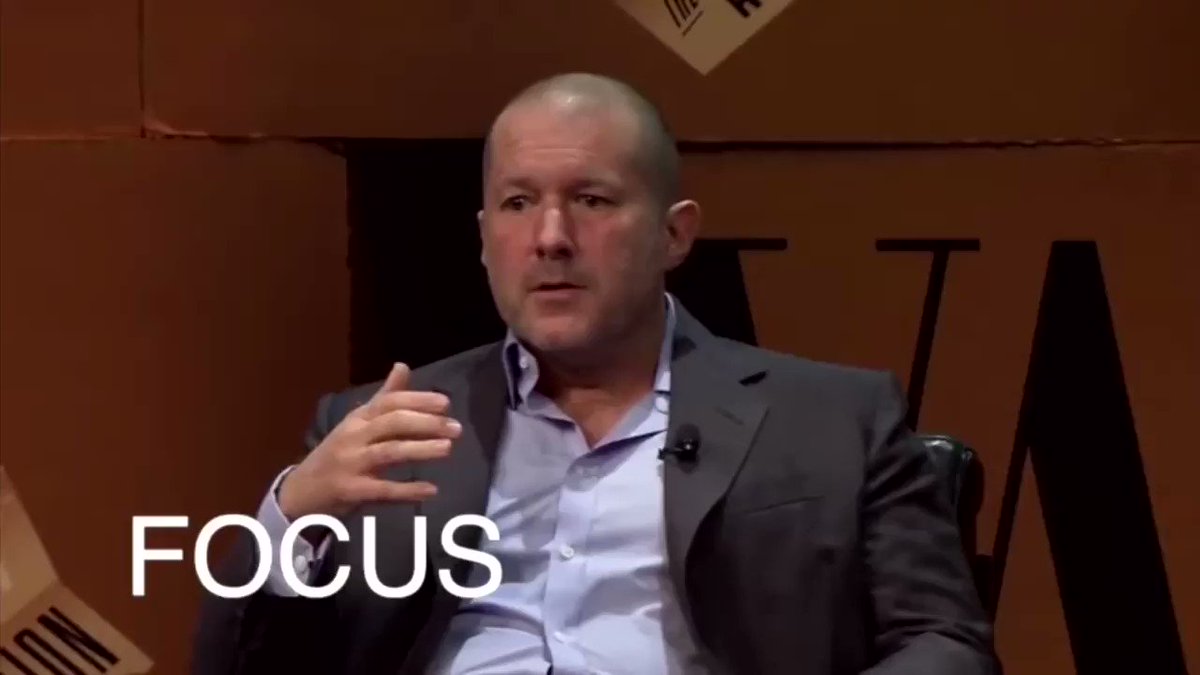
Here’s a clip of Jony Ive explaining Steve Jobs philosophy of saying “no” and how Jobs’ superpower was “focus”
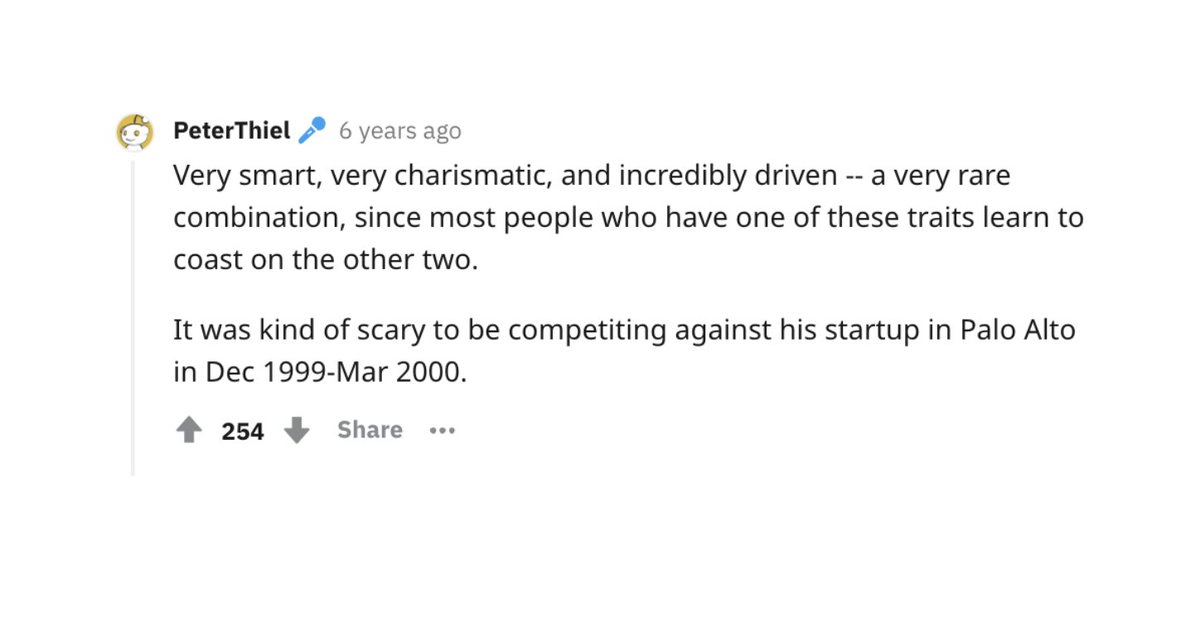
The SpaceX engineering process has a similar philosophy of simply getting rid of unnecessary parts.
@elonmusk https://t.co/Mix4szCOv5
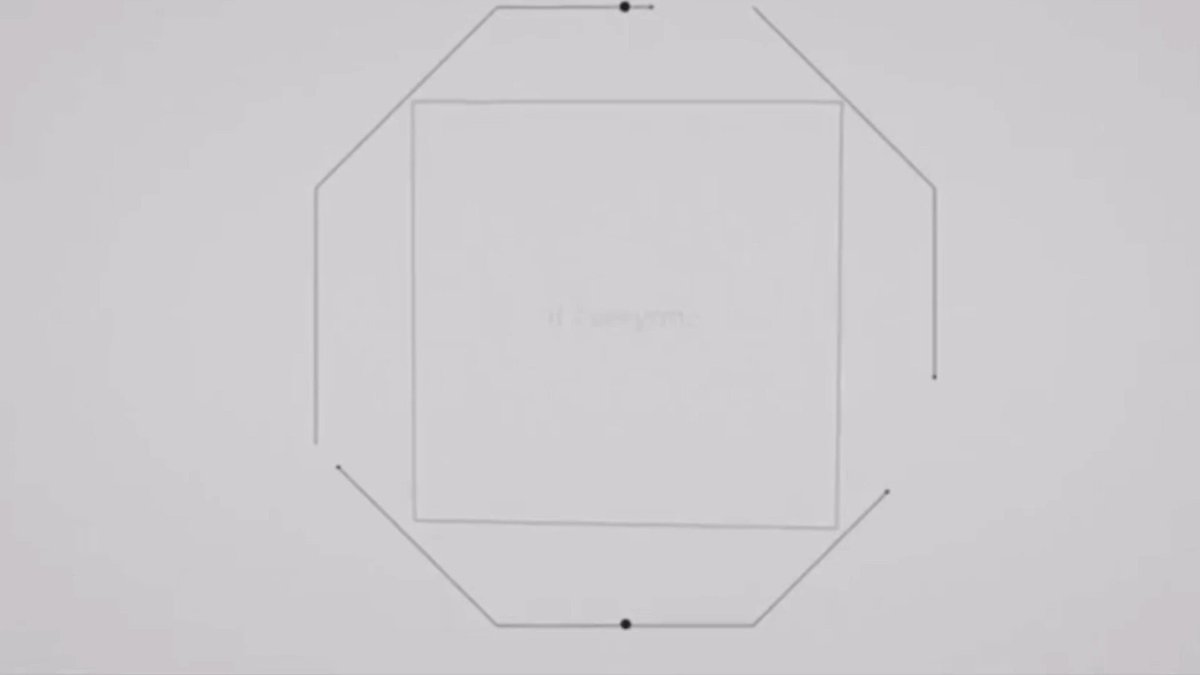
Very cool: The intro for Apple’s 2013 WWDC has an animation that touches on the exact points of “focus” and “1000 nos for every yes” (h/t
@t87)