The Next 20 Years
Just look around you in Nigeria, for example. 20 years ago, the ATM machine was a novelty. No bank issued debit cards- maybe just the foreign ones. There were no banking apps. You couldn't transfer funds the way we do now.
Which products or services will you invent or discover?
Will you be a spectator or a participant?
The next 10, 20 years will usher in new opportunities. Are you prepared?
@threadreaderapp unroll
More from Bayo Adeyinka



More from World






A few thoughts on this sad development 👇👇
20 academics criticizing an paper is fine; good science, really
10000+ hate mail for studying schools in Sweden is insane
Anonymous docs/ prof (hiding in faceless accts) on twitter smearing researchers is insane
[thread] https://t.co/QYldLD3WO0
In April 2020, @jflier and I saw this coming
We saw increasingly heated and personal attacks against scientists merely for having a range of views on COVID19 (PS there is no playbook/ right ans)
Tying science to naked politics was also bad idea, we
Yet, repeatedly that is what happened. Twitter 'experts' displayed an absolute intolerance to other views
Folks who disagreed weren't just wrong, they were malicious actors spreading "disinformation"
Really? Someone worked for 25 years as faculty to suddenly spread lies?
Disinformation has been so misused that it has lost meaning.
I recently saw an ID doc & lab researcher in the UK be accused of spreading "disinformation"
hahah, get outta here, you are trying to say "i disagree" but your keyboard is broken
Personal attacks have become so bad that I have seen a lab researcher accuse a doctor of wanting to engage in inappropriate relationships with patients due to diverging views on vaccine messaging
Seriously? It was a low point even for twitter
20 academics criticizing an paper is fine; good science, really
10000+ hate mail for studying schools in Sweden is insane
Anonymous docs/ prof (hiding in faceless accts) on twitter smearing researchers is insane
[thread] https://t.co/QYldLD3WO0
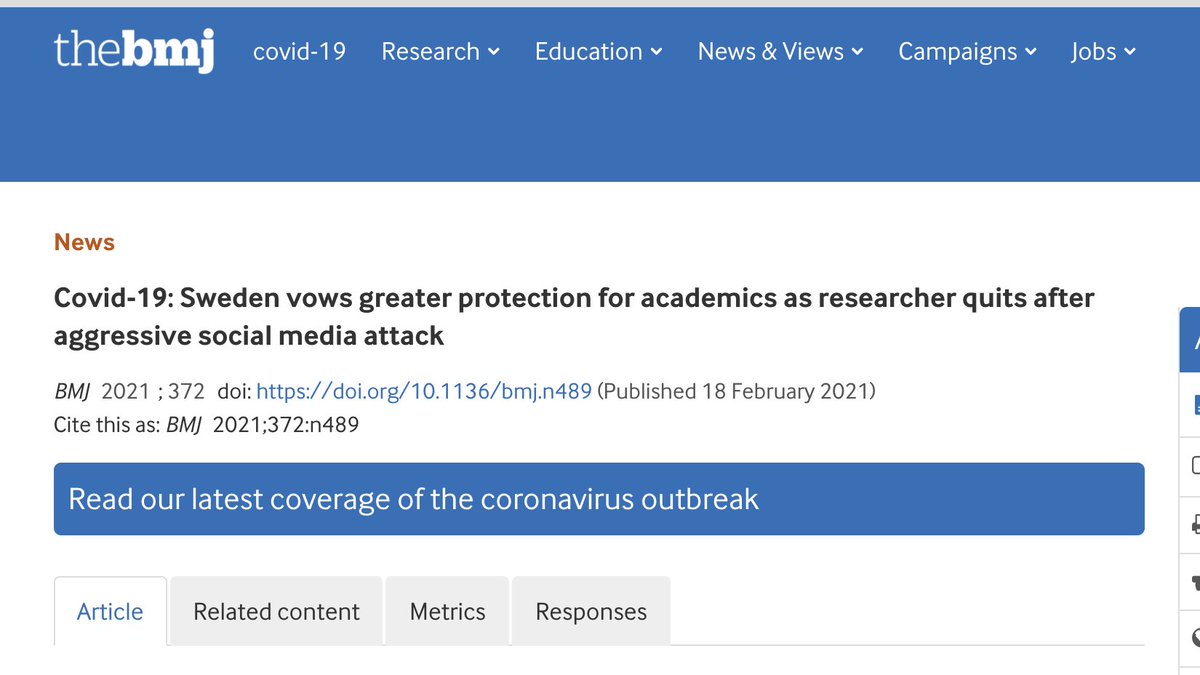
Together with @ernkrans, I am interviewed in @bmj_latest: "We need to ensure that our researchers understand the concept and value of academic freedom and the responsibility that comes with it"https://t.co/AFjtbSfgjr
— Ole Petter Ottersen (@ottersenolep) February 18, 2021
In April 2020, @jflier and I saw this coming
We saw increasingly heated and personal attacks against scientists merely for having a range of views on COVID19 (PS there is no playbook/ right ans)
Tying science to naked politics was also bad idea, we
Yet, repeatedly that is what happened. Twitter 'experts' displayed an absolute intolerance to other views
Folks who disagreed weren't just wrong, they were malicious actors spreading "disinformation"
Really? Someone worked for 25 years as faculty to suddenly spread lies?
Disinformation has been so misused that it has lost meaning.
I recently saw an ID doc & lab researcher in the UK be accused of spreading "disinformation"
hahah, get outta here, you are trying to say "i disagree" but your keyboard is broken
Personal attacks have become so bad that I have seen a lab researcher accuse a doctor of wanting to engage in inappropriate relationships with patients due to diverging views on vaccine messaging
Seriously? It was a low point even for twitter

You May Also Like














1/OK, data mystery time.
This New York Times feature shows China with a Gini Index of less than 30, which would make it more equal than Canada, France, or the Netherlands. https://t.co/g3Sv6DZTDE
That's weird. Income inequality in China is legendary.
Let's check this number.
2/The New York Times cites the World Bank's recent report, "Fair Progress? Economic Mobility across Generations Around the World".
The report is available here:
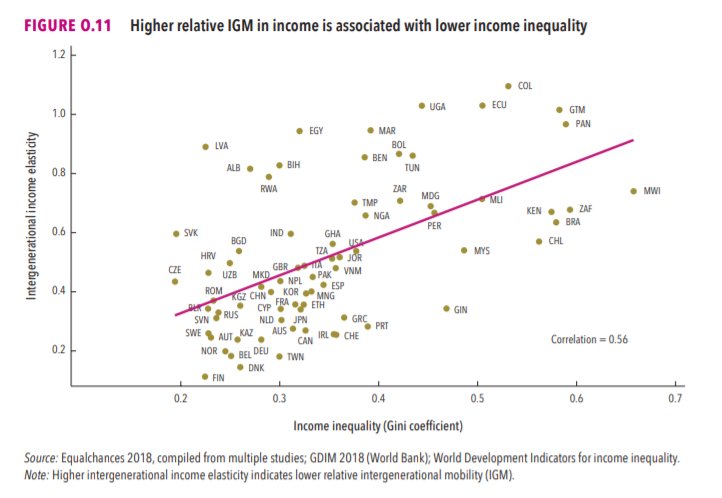
3/The World Bank report has a graph in which it appears to show the same value for China's Gini - under 0.3.
The graph cites the World Development Indicators as its source for the income inequality data.
4/The World Development Indicators are available at the World Bank's website.
Here's the Gini index: https://t.co/MvylQzpX6A
It looks as if the latest estimate for China's Gini is 42.2.
That estimate is from 2012.
5/A Gini of 42.2 would put China in the same neighborhood as the U.S., whose Gini was estimated at 41 in 2013.
I can't find the <30 number anywhere. The only other estimate in the tables for China is from 2008, when it was estimated at 42.8.
This New York Times feature shows China with a Gini Index of less than 30, which would make it more equal than Canada, France, or the Netherlands. https://t.co/g3Sv6DZTDE
That's weird. Income inequality in China is legendary.
Let's check this number.
2/The New York Times cites the World Bank's recent report, "Fair Progress? Economic Mobility across Generations Around the World".
The report is available here:
3/The World Bank report has a graph in which it appears to show the same value for China's Gini - under 0.3.
The graph cites the World Development Indicators as its source for the income inequality data.
4/The World Development Indicators are available at the World Bank's website.
Here's the Gini index: https://t.co/MvylQzpX6A
It looks as if the latest estimate for China's Gini is 42.2.
That estimate is from 2012.
5/A Gini of 42.2 would put China in the same neighborhood as the U.S., whose Gini was estimated at 41 in 2013.
I can't find the <30 number anywhere. The only other estimate in the tables for China is from 2008, when it was estimated at 42.8.