My recent conversation with @mattmochary where we talk about fear, anger, innovation, how to lay people off well, and his coaching practice ➔ https://t.co/bbtF83qTaI
Matt Mochary has been CEO coach to @naval, the founders of OpenAI, Notion, Rippling, Robinhood, Coinbase, Reddit, Plaid, Flexport, Opendoor, partners at Sequoia, YC, Benchmark, and many others.
He also open-sourced his entire curriculum, templates and all. Here's a link 👇
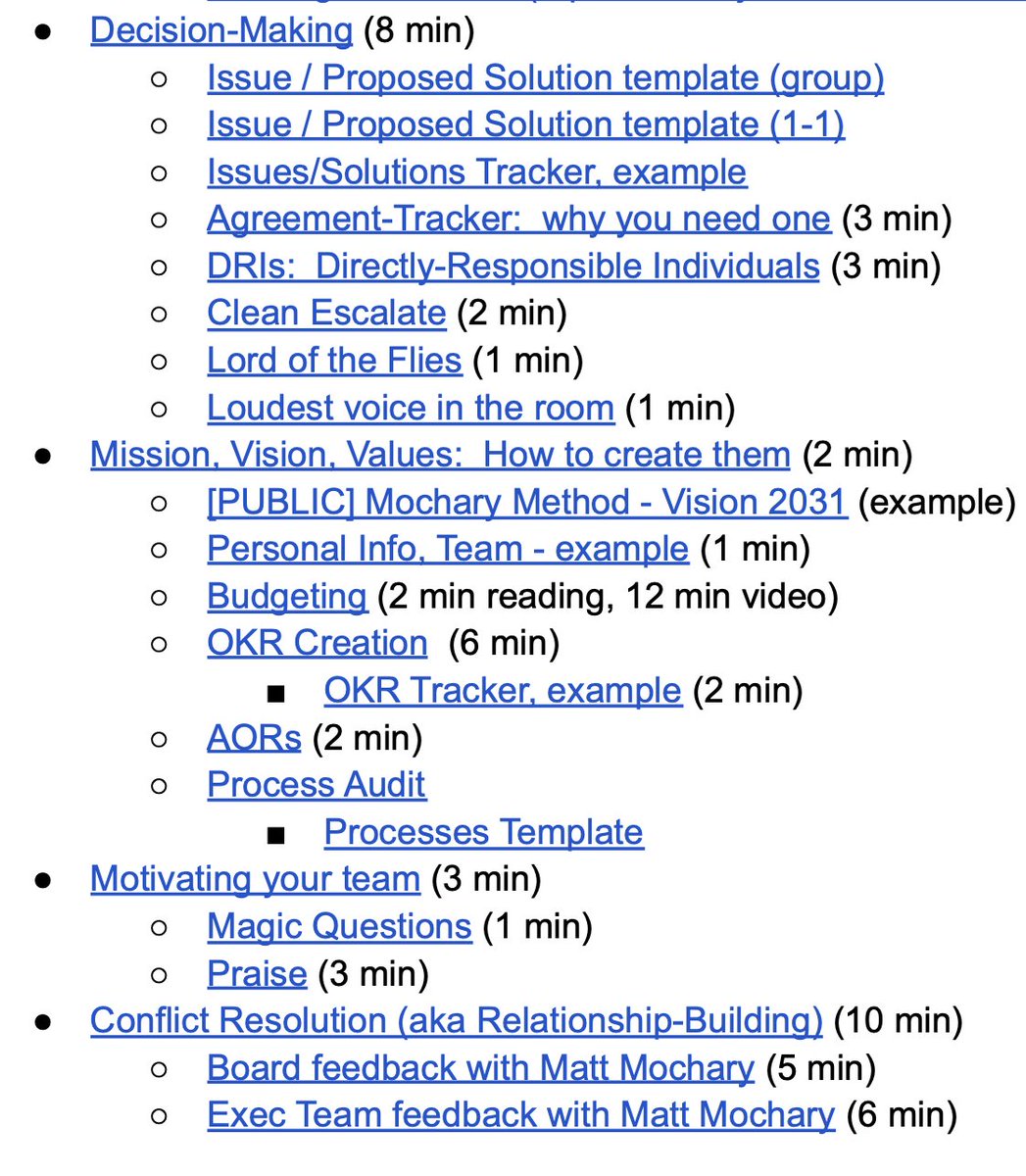
My recent conversation with @mattmochary where we talk about fear, anger, innovation, how to lay people off well, and his coaching practice ➔ https://t.co/bbtF83qTaI
More from Lenny Rachitsky
The most sophisticated growth team no one talks about: @WishShopping
1. The #1 shopping app in 40+ countries
2. Rumored to often be the #1 spender on FB and Google
3. 2 million items sold daily
I sat down with @cplimon to learn about the notoriously secretive company. Read on 👇
1/ Your brand constraint is Wish's opportunity
Wish's superpower is leaving no room for taste or opinion. It's what happens when a machine builds a company based on data. The founder didn't plan to sell cheap goods to low-socioeconomic customers, but where the data took him.
"Until you work at a place like Wish, you don't know what data-driven is. Everyone else is data-driven when it's convenient, when it agrees with your opinions. Wish is great at ignoring their own emotions. It's data-driven with as much intellectual honesty as possible."
For example
2/ Differentiate by serving the under-served
Most of Wish’s initial sales came from places like Florida, greater LA county, and middle-America. Specifically, zip codes with 95% Spanish speakers. Later, Africa, Latin America and Eastern Europe (avg household income $18,000/year)
1. The #1 shopping app in 40+ countries
2. Rumored to often be the #1 spender on FB and Google
3. 2 million items sold daily
I sat down with @cplimon to learn about the notoriously secretive company. Read on 👇
1/ Your brand constraint is Wish's opportunity
Wish's superpower is leaving no room for taste or opinion. It's what happens when a machine builds a company based on data. The founder didn't plan to sell cheap goods to low-socioeconomic customers, but where the data took him.
"Until you work at a place like Wish, you don't know what data-driven is. Everyone else is data-driven when it's convenient, when it agrees with your opinions. Wish is great at ignoring their own emotions. It's data-driven with as much intellectual honesty as possible."
For example
cursed wish ads pic.twitter.com/eMlx4LqgKA
— big meaty claws (@leisurepIex) June 4, 2019
2/ Differentiate by serving the under-served
Most of Wish’s initial sales came from places like Florida, greater LA county, and middle-America. Specifically, zip codes with 95% Spanish speakers. Later, Africa, Latin America and Eastern Europe (avg household income $18,000/year)
Earlier today, I gave a talk at the @SubstackInc's writer conference about building a writing habit. Below are the ten concrete strategies I shared that have helped me publish a post every week for 1.5 years 👇
0/ First of all, just sharing advice about this topic gives me serious impostor syndrome because writing is still pretty new to me, and I have much to learn. But these are things that have helped me, and I hope they'll help you.
1/ Strategy 1: Commit publicly
This was maybe 50% of my initial motivation. Having told people I was going to write weekly made me feel bad when even thinking about skipping a week. It gave me just enough nudge to keep
1b/ You don't need to make this super public. Just sending an email to a few friends regularly with your concrete goals about writing (and anything else) works wonders.
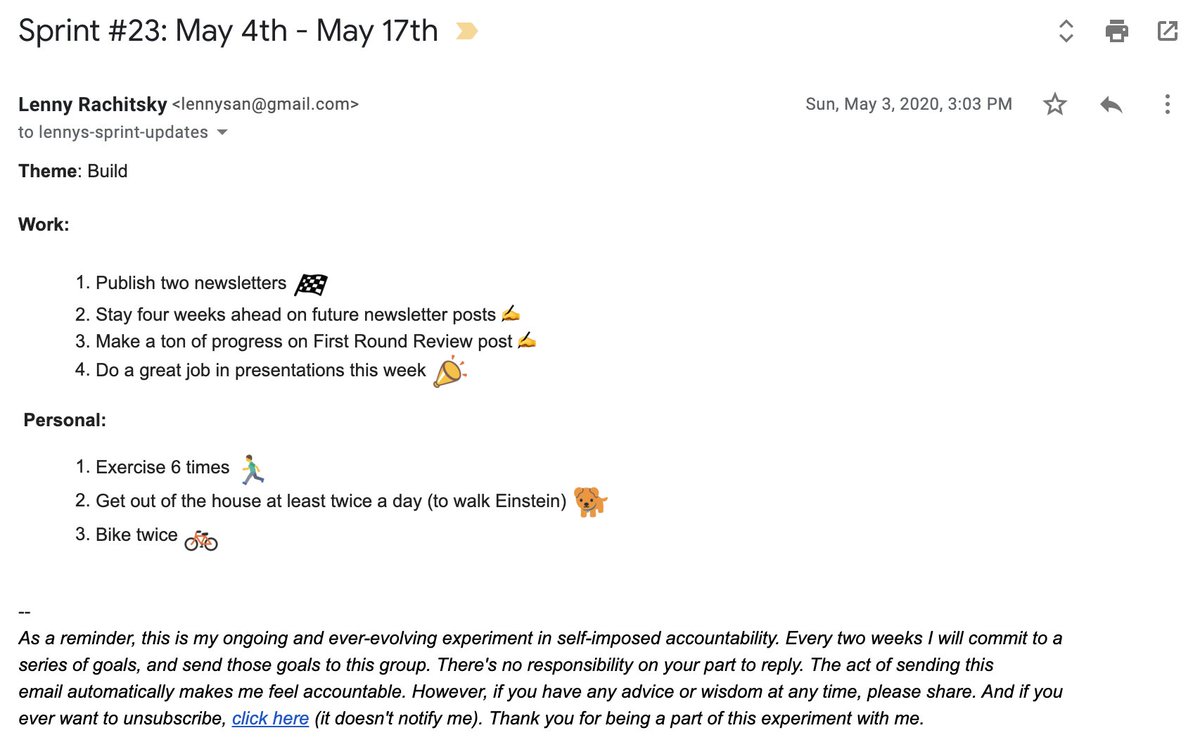
1c/ If you *really* want to be motivated, ask people for money. Nothing motivates you more than people paying you for regular
0/ First of all, just sharing advice about this topic gives me serious impostor syndrome because writing is still pretty new to me, and I have much to learn. But these are things that have helped me, and I hope they'll help you.
1/ Strategy 1: Commit publicly
This was maybe 50% of my initial motivation. Having told people I was going to write weekly made me feel bad when even thinking about skipping a week. It gave me just enough nudge to keep
I'm kicking off an experiment. Inspired by the great @joulee, and building off of the great inbound questions I continue to get from ya'll -- I\u2019m going to start using my newsletter to answer your questions. \U0001f44b
— Lenny Rachitsky (@lennysan) September 12, 2019
Sign up belowhttps://t.co/z1F1efMcue
1b/ You don't need to make this super public. Just sending an email to a few friends regularly with your concrete goals about writing (and anything else) works wonders.
1c/ If you *really* want to be motivated, ask people for money. Nothing motivates you more than people paying you for regular
Life alert: I\u2019m adding a paid plan to my newsletter \U0001f91e
— Lenny Rachitsky (@lennysan) April 7, 2020
After much prodding from readers and friends, I\u2019m going to take the leap and give this life-path a shot.
Consider subscribing and joining me on this journey \U0001f64fhttps://t.co/gtFm4POGSQ
More from Startups


.@zapier built a $140M ARR business on $1.4M in VC that has become the logic layer of the no-code industry.
But it has the potential to be something even bigger: the Netflix of productivity.
Our report and a thread 👉
We believe @seqouia and @steadfast got a good deal buying into Zapier at $5B.
We value Zapier at $7B based on:
- 30-50% YoY growth over the next five years
- Zapier’s monopoly status in the solopreneur/SMB market
- 30-40% YoY growth of no-code TAM
No-code is huge and growing, but as @edavidpeterson has written, no-code is about more than tools: it’s about a philosophy that emphasizes interoperability and customizing your software to your needs.
https://t.co/UJY6BRtXwl
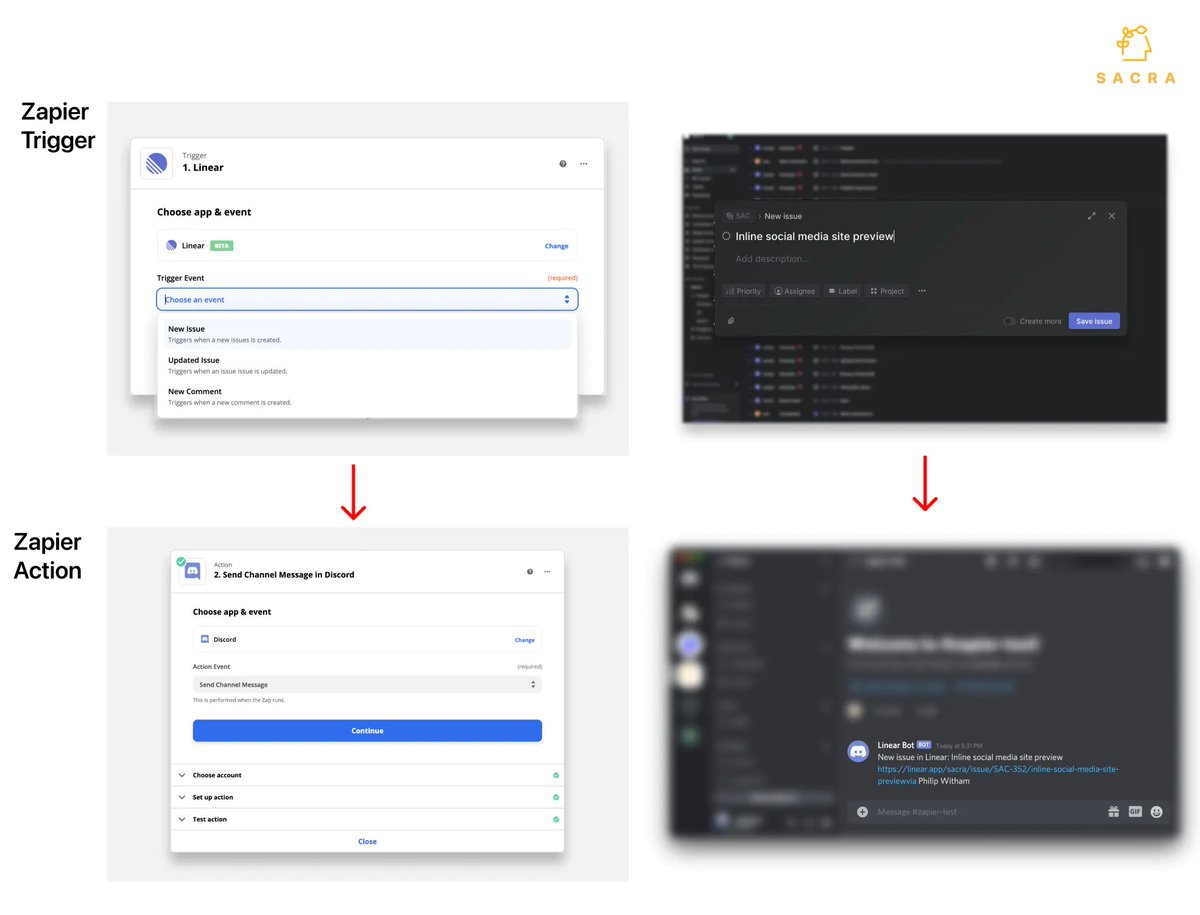
.@zapier enabled interoperability by building a solution to one of the intractable problems in SaaS: APIs that don’t talk to each other.
The product took off and hit $100M ARR in just 9 years, comparable to companies that have raised 100x as much money.
https://t.co/0Thk42eRpJ
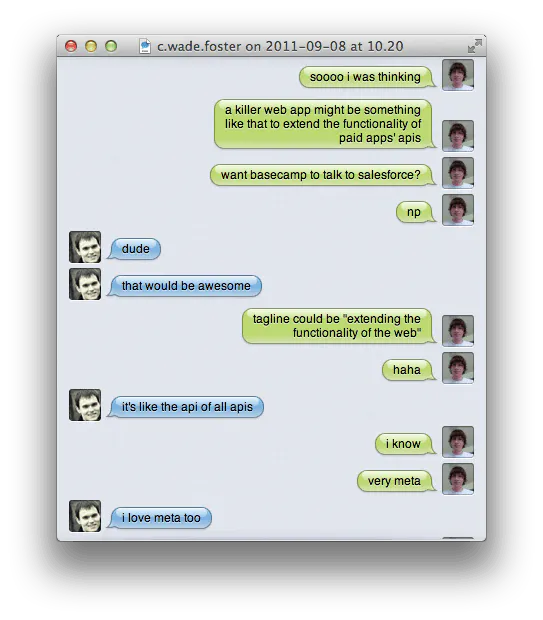
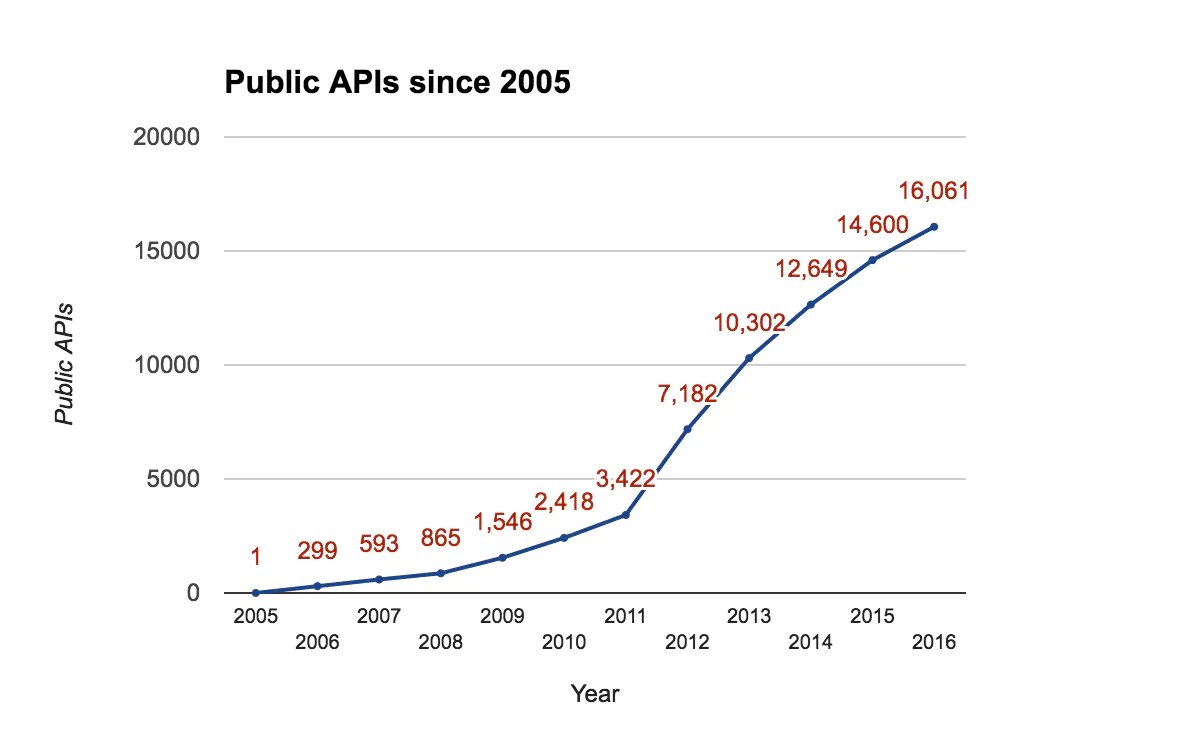
Zapier was riding an explosion in APIs that started the same year they were founded—2011.
Suddenly, every SaaS business wanted to offer its users extensibility, but not spend time figuring out what integrations to build or building them.
That’s where Zapier came in handy.
But it has the potential to be something even bigger: the Netflix of productivity.
Our report and a thread 👉
We believe @seqouia and @steadfast got a good deal buying into Zapier at $5B.
We value Zapier at $7B based on:
- 30-50% YoY growth over the next five years
- Zapier’s monopoly status in the solopreneur/SMB market
- 30-40% YoY growth of no-code TAM
No-code is huge and growing, but as @edavidpeterson has written, no-code is about more than tools: it’s about a philosophy that emphasizes interoperability and customizing your software to your needs.
https://t.co/UJY6BRtXwl
Trying this on for size\u2026
— David Peterson (@edavidpeterson) January 14, 2021
\u201cNo code\u201d isn\u2019t a coherent category. It\u2019s a design philosophy.
But tools built with this philosophy in mind will be the biggest winners of the next decade.
Let me explain what I mean by way of analogy.
.@zapier enabled interoperability by building a solution to one of the intractable problems in SaaS: APIs that don’t talk to each other.
The product took off and hit $100M ARR in just 9 years, comparable to companies that have raised 100x as much money.
https://t.co/0Thk42eRpJ
Ever notice that Zapier is doing $100m+ and has no direct competition? Found their niche and crushed it \U0001f44c
— Tyler Tringas (@tylertringas) November 7, 2019
Zapier was riding an explosion in APIs that started the same year they were founded—2011.
Suddenly, every SaaS business wanted to offer its users extensibility, but not spend time figuring out what integrations to build or building them.
That’s where Zapier came in handy.

I gathered the best design tools for startups.
Save 100+ hours researching.
A thread 🧵👇️
1. https://t.co/JuO4PMIkK6
Checklist Design is a collection of best UI and UX practices to provide a complete, honest and rewarding experience for your users.
Price: Free
{ 1 / 12 }
2. https://t.co/pBbmgt6ITD
Coolors is a super fast color schemes generator for designers. Create, save and share perfect palettes in seconds!
Price: Free
{ 2 / 12 }
3. https://t.co/GYboviE1yX
Blush makes it easy for anyone to add stunning illustrations to their work with a huge collection of designs from artists around globe.
Price: Free + Paid
{ 3 / 12 }
4. https://t.co/eLsLkLAyNm
Feather is a collection of simply beautiful open source icons. Each icon is designed on a 24x24 grid with an emphasis on simplicity, consistency and readability.
Price: Free
{ 4 / 12 }
Save 100+ hours researching.
A thread 🧵👇️
1. https://t.co/JuO4PMIkK6
Checklist Design is a collection of best UI and UX practices to provide a complete, honest and rewarding experience for your users.
Price: Free
{ 1 / 12 }
2. https://t.co/pBbmgt6ITD
Coolors is a super fast color schemes generator for designers. Create, save and share perfect palettes in seconds!
Price: Free
{ 2 / 12 }
3. https://t.co/GYboviE1yX
Blush makes it easy for anyone to add stunning illustrations to their work with a huge collection of designs from artists around globe.
Price: Free + Paid
{ 3 / 12 }
4. https://t.co/eLsLkLAyNm
Feather is a collection of simply beautiful open source icons. Each icon is designed on a 24x24 grid with an emphasis on simplicity, consistency and readability.
Price: Free
{ 4 / 12 }