Categories Society



Part 3 of 3 focuses on what happens to people after they turn away from the church.
Most said they were shunned, excommunicated, and defamed by their former friends, even by some of their family members when they left.
Former members of a #ygk church say its leader, known as "Apostle,\u201d promised them miracles, but instead they were traumatized.
— Global Kingston (@CKWS_TV) December 17, 2020
As faith communities like these grow, the former members are calling for oversight of independent, charismatic churches.https://t.co/eVnG52dBcm
In part 1, I described how people’s whole lives played out at the church.
https://t.co/TiqrkjJONI
After leaving, they had to relearn how to live.
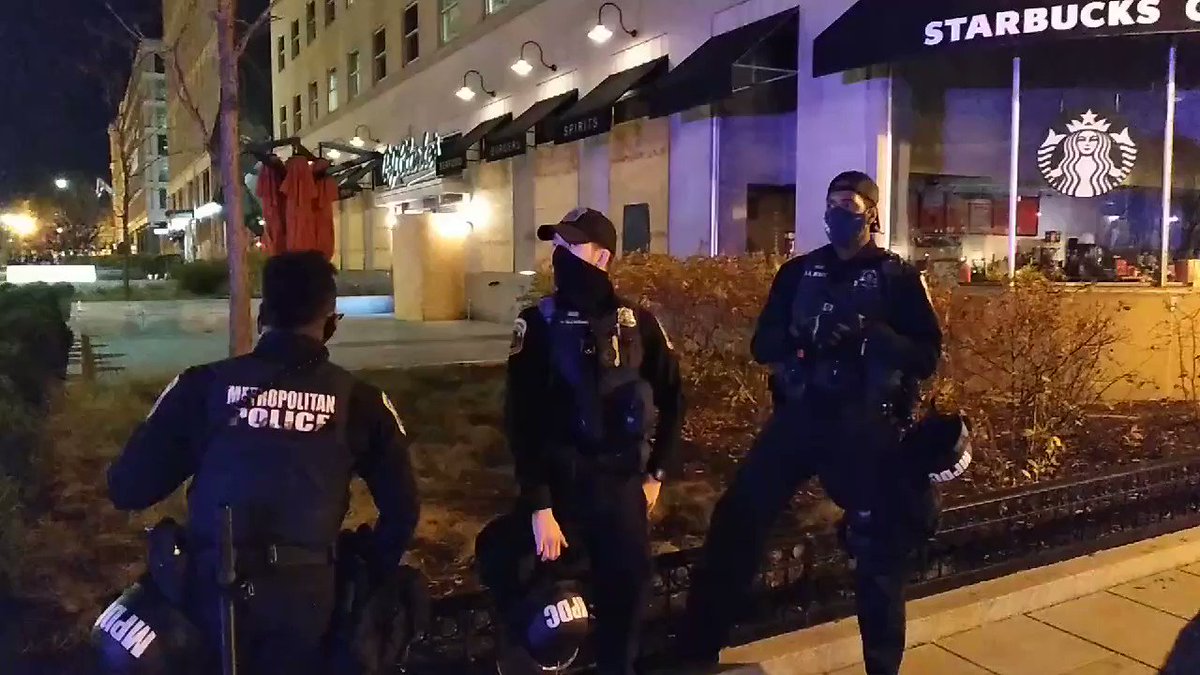
They never listened “secular” music or watched certain movies, some were even told to boycott Starbucks, because it supports Pride
Going back into the "real world" made one former member feel like she was "losing her mind."
Also, part 3 shows the extreme fear that some people had after leaving.
One person said she worried she would literally be struck by lighting if she spoke badly about the church. #ygk



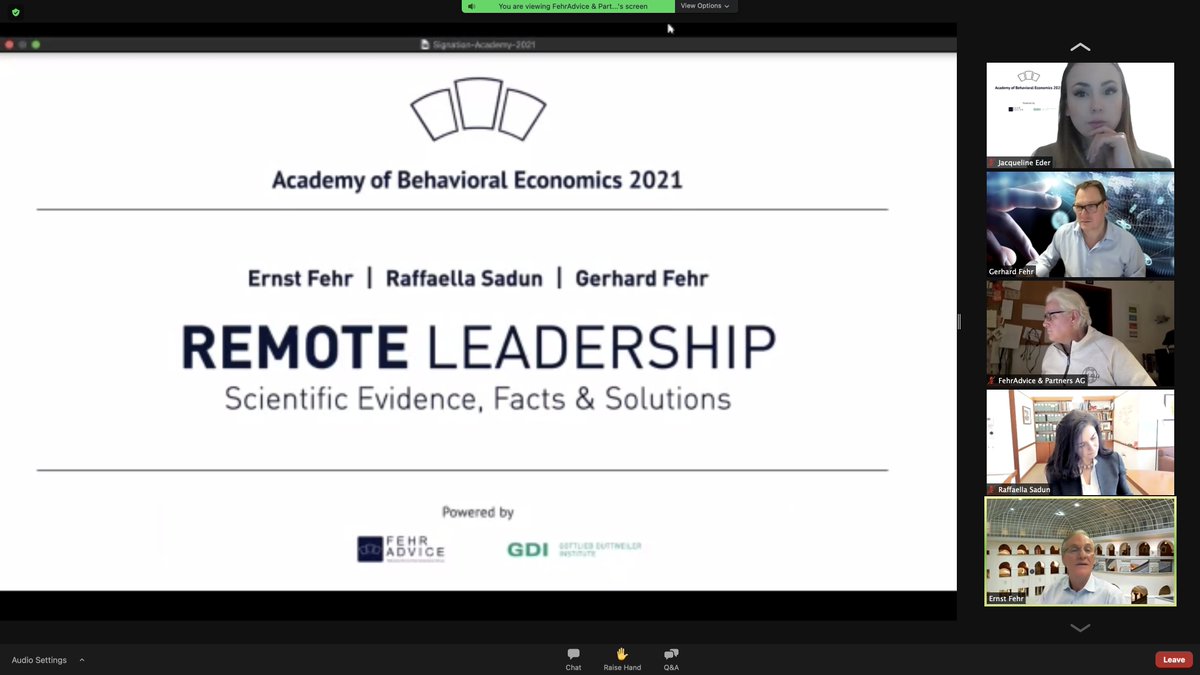
What does good leadership look like when everyone works from home?\u2013Top scientists @raffasadun and Ernst Fehr will provide you with some answers on 27 January \u2013 online and for free in our Academy of Behavioral Economics https://t.co/Di6hRqPvAA
— G. Duttweiler Inst' (@GDInstitute) January 15, 2021
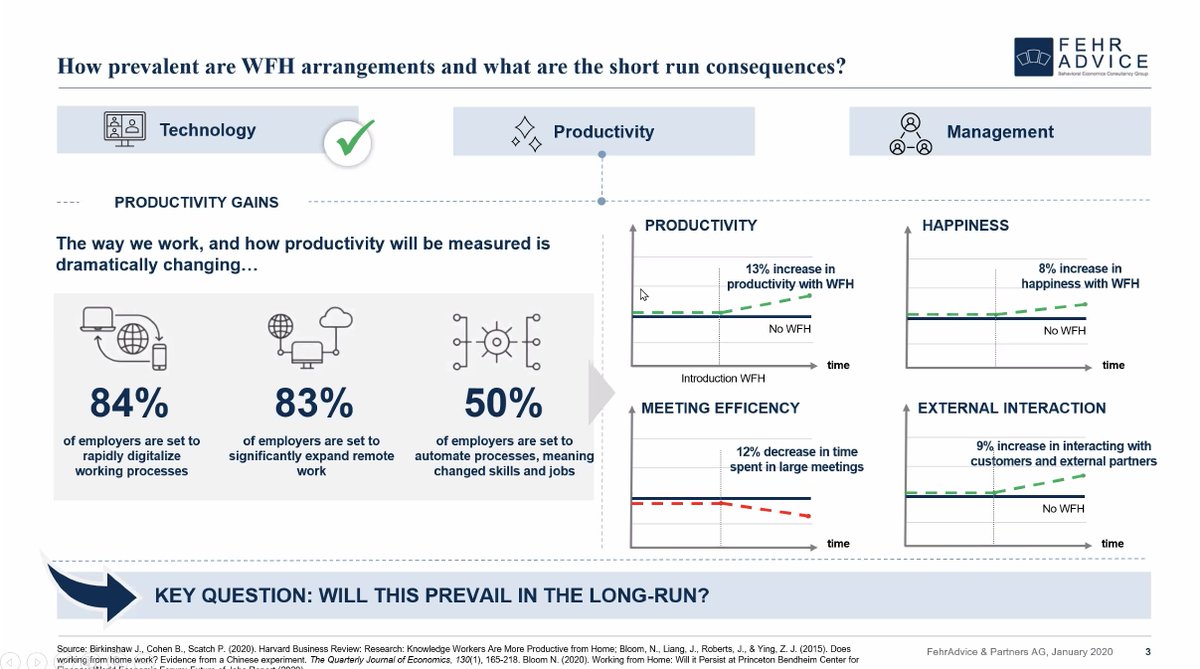
Ernst Fehr is talking about evidence and challenges of work at home arrangements.
Key question: Do we have the technological capacities to work at home? And is it a trend or a sustainable transformation?
Ernst Fehr @econ_uzh #EconomicsForSociety
Will this prevail in the long-run?
Ernst Fehr @econ_uzh #EconomicsForSociety
The problem of sustaining cooperation in the long-run: How do we prevent the deterioration of collaboration?
Ernst Fehr @econ_uzh #EconomicsForSociety


After nearly a year of Covid crisis management, Paul Reid says key learnings include: virus comes back during a period of respite; increasing transmissibility of Covid; the virus thrives on gatherings | https://t.co/zUowRQi9zg pic.twitter.com/RhWj5bESTa
— RT\xc9 News (@rtenews) January 28, 2021
A a layman, I seem to recall our Public Health doctors saying these things to anyone who would listen close on a year ago.
https://t.co/DxRl3Qa3IA
About a year to the day that I stormed into my department & said we need to start preparing for this Wuhan virus. Response from on-high to my suggestion a national operational group be put together as a starting point - silence followed by "That wouldn't be inappropriate" https://t.co/MumCYKO60u
— Sinead Donohue (@sinead_donohue) January 21, 2021
One for the book.
https://t.co/MHulHu9BHz
Clear outline of deficits across regional public health and stark consequences for pandemic control. Should have been urgently addressed a yr ago but imperative now. @marietcasey
— Fionnuala Donohue (@mac_fionn) January 28, 2021
Neil Michael: Under-investment in public health undermines zero Covid efforts https://t.co/iclMTUf1tG


To those arguing winter is always like this in the NHS: you are wrong. I faced four serious winter crises as Health Sec and the situation now is off-the-scale worse than any of those.
It’s true that we often had to cancel elective care in Jan to protect emergency care but that too is under severe pressure with record trolley waits for the very sickest patients
Exclusive: Leaks reveal record waits for emergency care due to covid pressures https://t.co/CrxYPUJG7v
— Health Service Journal (@HSJnews) January 4, 2021
Even more worryingly fewer heart attack patients appear to be presenting in ICUs, perhaps because they are not dialling 999 when they need
Full credit to NHS for keeping cancer services open but in Wave 1 there was still a 2/3 drop in cancer appts: people didn’t come forward to GPs or want to go to hospitals, with many potentially avoidable cancer deaths. We hoped to avoid that this time but now looking unlikely.