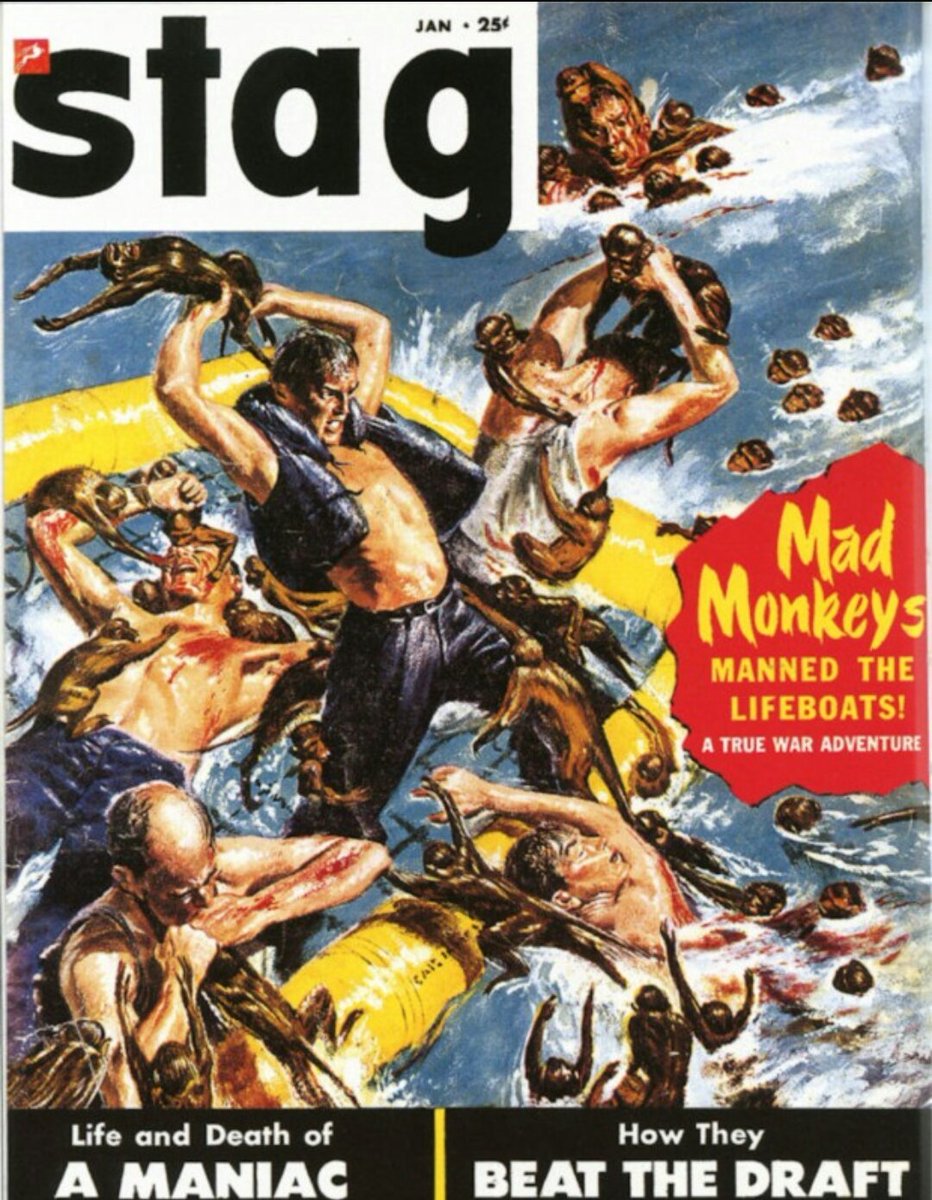
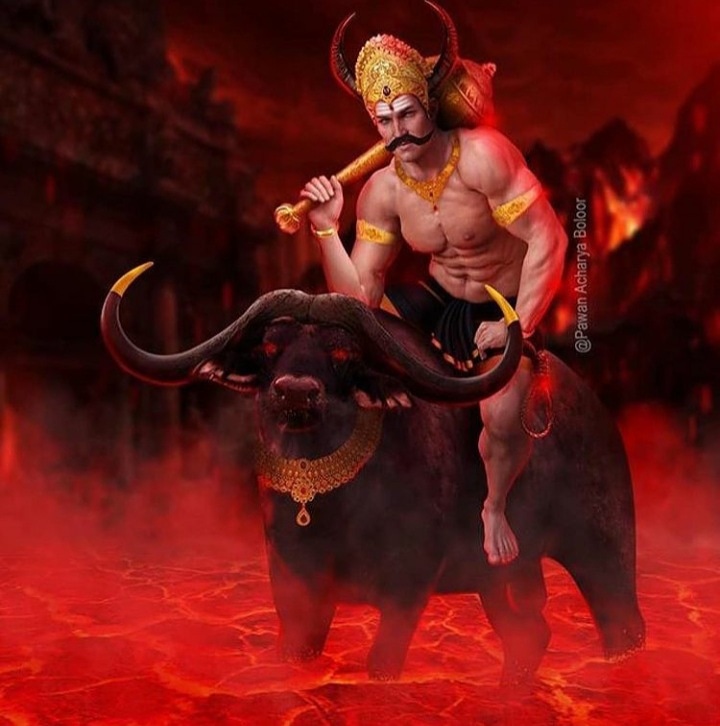
https://t.co/uWmEqLo2Hs
THE MILGRAM EXPERIMENTS
"Milgram (1963) examined justifications for acts of genocide offered by those accused at the World War 2, Nuremberg War trials. Their defence often was based on "obedience", they were just following orders from their superiors."


65% (two-thirds) of participants (i.e., teachers) continued to the highest level of 450 volts. All the participants continued to 300 volts. Milgram did more than one experiment – he carried out 18 variations of his study -
"Ordinary people are likely to follow orders given by an authority figure, even to the extent of killing an innocent human being. Obedience to authority is ingrained in us all from the way we are brought up."


'The legal and philosophic aspects of obedience are of enormous import, but they say very little about how most people behave in concrete situations. "
More from Duncan J Campbell


https://t.co/ukabnTVViq
https://t.co/IFCWPEFyIy
2019
"In China and India alone, an estimated 2 million baby girls go "missing" each year. They are selectively aborted, killed as newborns, or abandoned and left to die."
https://t.co/wtIt7fUoKU
JOURNAL ARTICLE
Female Infanticide in China
Bernice J. Lee
https://t.co/Hg91jjtZFW
In the early 1980s there were 108 male births to every 100 female, only slightly above natural rate; by 2000 that had soared to 120 males, some provinces, such as Anhui, Jiangxi/Shaanxi, to more than 130. The result is more than 35 million women "missing"
https://t.co/C7A3t8mnyp
2012
"In China, a ”one-child” policy, enforced by the state with forced sterilizations and abortions, exacerbates gendercide"
https://t.co/IFCWPEFyIy
2019
"In China and India alone, an estimated 2 million baby girls go "missing" each year. They are selectively aborted, killed as newborns, or abandoned and left to die."
https://t.co/wtIt7fUoKU
JOURNAL ARTICLE
Female Infanticide in China
Bernice J. Lee
https://t.co/Hg91jjtZFW
In the early 1980s there were 108 male births to every 100 female, only slightly above natural rate; by 2000 that had soared to 120 males, some provinces, such as Anhui, Jiangxi/Shaanxi, to more than 130. The result is more than 35 million women "missing"
https://t.co/C7A3t8mnyp
2012
"In China, a ”one-child” policy, enforced by the state with forced sterilizations and abortions, exacerbates gendercide"
What is going on at SWANSEA UNIVERSITY in Wales?
1.
https://t.co/d5NKtNlxxa
Sounds as if its connected to Bill Gates "LUCIFERASE" Vaccine?
2.
https://t.co/k0w1mjaPg0
"HILLARY RODHAM CLINTON SCHOOL OF LAW"
- AT SWANSEA UNIVERSITY!!!

3.
https://t.co/jifuWq6cGq
Remember all those FIRES, over the Summer!!!
4.
https://t.co/H3lstFyYx8
WUHAN PARTNERSHIP
"Links between Swansea & Wuhan date back to 1855 when Swansea missionary Griffith John founded the Wuhan Union Hospital.
This relationship was strengthened when representatives of the two cities signed an agreement".

5.
https://t.co/5b1JqiEQzi
Swansea University Strengthens Links with China

1.
https://t.co/d5NKtNlxxa
Sounds as if its connected to Bill Gates "LUCIFERASE" Vaccine?
2.
https://t.co/k0w1mjaPg0
"HILLARY RODHAM CLINTON SCHOOL OF LAW"
- AT SWANSEA UNIVERSITY!!!
3.
https://t.co/jifuWq6cGq
Remember all those FIRES, over the Summer!!!
4.
https://t.co/H3lstFyYx8
WUHAN PARTNERSHIP
"Links between Swansea & Wuhan date back to 1855 when Swansea missionary Griffith John founded the Wuhan Union Hospital.
This relationship was strengthened when representatives of the two cities signed an agreement".
5.
https://t.co/5b1JqiEQzi
Swansea University Strengthens Links with China
https://t.co/tsTubhXYFM
2018
"Bribery and corruption in the NHS ‘being underreported"
The NHSCFA calculated that fraud costs the NHS £1.29bn each year, in its annual report and accounts – enough to pay for more than 40,000 staff nurses or to buy 5,000 ambulances."

1.
2.
3.
https://t.co/YPfXciseV0
4.
2017
2018
"Bribery and corruption in the NHS ‘being underreported"
The NHSCFA calculated that fraud costs the NHS £1.29bn each year, in its annual report and accounts – enough to pay for more than 40,000 staff nurses or to buy 5,000 ambulances."
1.
https://t.co/DY4GBHNrxN
— Duncan J Campbell (@Maven1967) December 17, 2020
2014
"NHS finance chief sacked over \u2018irregularities\u2019 at hospital"
Checks uncovered evidence one-off income was misrepresented in accounts in a practice dating back beyond 2013-14, predicted cost savings were over-stated at \xa36m when they amounted to \xa32m. pic.twitter.com/LHZHeJcXfE
2.
https://t.co/7T8RGTWE7x
— Duncan J Campbell (@Maven1967) December 17, 2020
"NHS errors 'deliberately hidden' The NHS has "failed" to hold anyone to account for a large scale financial mismanagement at a local trust, a damning report has concluded".
3.
https://t.co/kiTv4Ei5gg
— Duncan J Campbell (@Maven1967) December 17, 2020
2018
"The NHS Tayside board was misled'' over the state of the organisation's finances A review carried out by accountants Grant Thornton found that since 2012 the health board had misrepresented'' its financial performance by holding'' \xa35.3 million". pic.twitter.com/k9K72NlxGd
https://t.co/YPfXciseV0
4.
2017
https://t.co/7YOljIWqxk
1. Who was Behind Mao ZEDONG CCP Founder/Despot?
"In 1903, Yale Divinity School established a number of schools and hospitals throughout China".One of ‘Yale in China’s’ most important students was Mao Zedong."
https://t.co/to9zVieAd5

2.

3 YALE = SKULL & BONES!!!

4. Gun CONTROL!!!

1. Who was Behind Mao ZEDONG CCP Founder/Despot?
"In 1903, Yale Divinity School established a number of schools and hospitals throughout China".One of ‘Yale in China’s’ most important students was Mao Zedong."
https://t.co/to9zVieAd5
2.
3 YALE = SKULL & BONES!!!
4. Gun CONTROL!!!
More from Science

Localized Surface Plasmon Resonance - an overview | ScienceDirect Topics
https://t.co/mzS7vVSREJ
https://t.co/353PdAX2fa
https://t.co/3yBImjOdd4
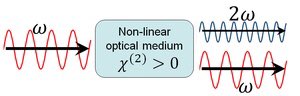
In some cases, almost 100% of the light energy can be converted to the second harmonic frequency. These cases typically involve intense pulsed laser beams passing through large crystals, and careful alignment to obtain phase matching.
https://t.co/mzS7vVSREJ
https://t.co/353PdAX2fa
https://t.co/3yBImjOdd4
In some cases, almost 100% of the light energy can be converted to the second harmonic frequency. These cases typically involve intense pulsed laser beams passing through large crystals, and careful alignment to obtain phase matching.


So it turns out that an organization I thought was doing good work, the False Memory Syndrome Foundation (associated with Center for Inquiry, James Randi, and Martin Gardner) was actually caping for pedophiles. Uhhhh oops?
Since this, bizarrely, turned out to be one of my longest videos ever (??) here's a quick thread to sum it up for those of you like myself with short attention spans. 1/10
In the '90s the False Memory Syndrome Foundation was founded to call attention to the problem of adults suddenly "remembering" child abuse that never actually happened, often under hypnosis. Skeptics like James Randi & Martin Gardner joined their board. 2/10
A new article reveals that the FMSF was founded by parents who had been credibly and PRIVATELY accused of molestation by their now-adult daughter. They publicized the accusation, destroyed the daughter's reputation, and started the foundation. 3/10
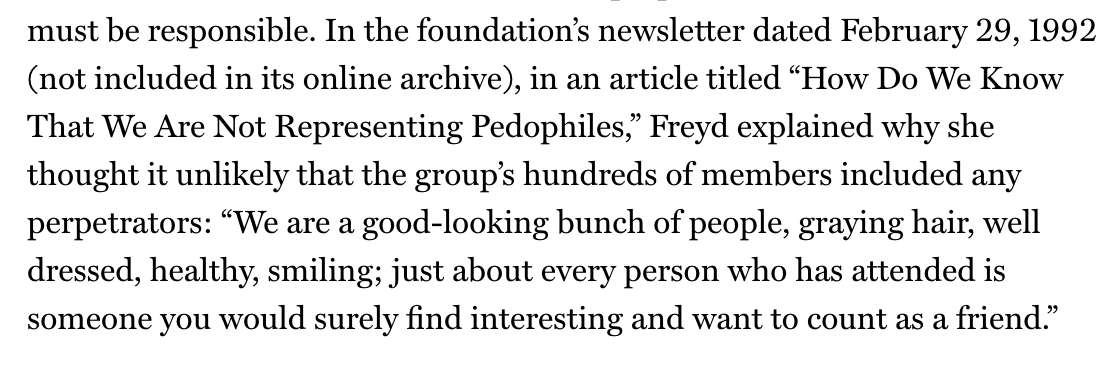
The FMSF assumed any accused pedo who joined was innocent, saying "We are a good-looking bunch of people, graying hair, well dressed, healthy, smiling; just about every person who has attended is someone you would surely find interesting and want to count as a friend" 😬 4/10
I was Wrong about False Memories: Satanic Panic, Pedophiles, Ted Bundy, and the Lost in the Mall Studies https://t.co/6XKTfGOqwl
— skepchicks (@skepchicks) January 15, 2021
Since this, bizarrely, turned out to be one of my longest videos ever (??) here's a quick thread to sum it up for those of you like myself with short attention spans. 1/10
In the '90s the False Memory Syndrome Foundation was founded to call attention to the problem of adults suddenly "remembering" child abuse that never actually happened, often under hypnosis. Skeptics like James Randi & Martin Gardner joined their board. 2/10
A new article reveals that the FMSF was founded by parents who had been credibly and PRIVATELY accused of molestation by their now-adult daughter. They publicized the accusation, destroyed the daughter's reputation, and started the foundation. 3/10
The FMSF assumed any accused pedo who joined was innocent, saying "We are a good-looking bunch of people, graying hair, well dressed, healthy, smiling; just about every person who has attended is someone you would surely find interesting and want to count as a friend" 😬 4/10

You May Also Like


1/ Here’s a list of conversational frameworks I’ve picked up that have been helpful.
Please add your own.
2/ The Magic Question: "What would need to be true for you
3/ On evaluating where someone’s head is at regarding a topic they are being wishy-washy about or delaying.
“Gun to the head—what would you decide now?”
“Fast forward 6 months after your sabbatical--how would you decide: what criteria is most important to you?”
4/ Other Q’s re: decisions:
“Putting aside a list of pros/cons, what’s the *one* reason you’re doing this?” “Why is that the most important reason?”
“What’s end-game here?”
“What does success look like in a world where you pick that path?”
5/ When listening, after empathizing, and wanting to help them make their own decisions without imposing your world view:
“What would the best version of yourself do”?
Please add your own.
2/ The Magic Question: "What would need to be true for you
1/\u201cWhat would need to be true for you to\u2026.X\u201d
— Erik Torenberg (@eriktorenberg) December 4, 2018
Why is this the most powerful question you can ask when attempting to reach an agreement with another human being or organization?
A thread, co-written by @deanmbrody: https://t.co/Yo6jHbSit9
3/ On evaluating where someone’s head is at regarding a topic they are being wishy-washy about or delaying.
“Gun to the head—what would you decide now?”
“Fast forward 6 months after your sabbatical--how would you decide: what criteria is most important to you?”
4/ Other Q’s re: decisions:
“Putting aside a list of pros/cons, what’s the *one* reason you’re doing this?” “Why is that the most important reason?”
“What’s end-game here?”
“What does success look like in a world where you pick that path?”
5/ When listening, after empathizing, and wanting to help them make their own decisions without imposing your world view:
“What would the best version of yourself do”?