Thinking about the foolishness of God’s love vs the wisdom of humans.
“For God's foolishness is wiser than human wisdom, and God's weakness is stronger than human strength.” (1 Corinthians 1:25)
In the Bible we find many books including Job, Psalms, Proverbs, Ecclesiastes, and Song of Solomon.
Other human wisdom include mainstream “-isms.”
We call these healthy boundaries.
Jesus is our best example as He is a human.
He appears to us first as a helpless baby, dependent on his parents. He loves selflessly, to the point of his own humiliation among his peers.
Jesus’ love is the revelation and model of God’s love.
Not as an institution or government or set of principles or self preservative boundaries or RELIGION itself, but simply in response to Christ, who is revealed AS LOVE, as FOOLISH LOVE in everyday ordinary life.
My struggle is every humans’ struggle, not wisdom, but love.
My struggle is responding to hate and condemnation and humiliation by foolishly loving my abuser, my oppressor and my enemy.
Love is patient and kind.
Wisdom builds boundaries of self-preservation.
Love is not self-seeking and keeps no record of wrongs.
Wisdom is faith in the world.
Love is faith in the divine.
More from Life


THREAD: 12 Things Everyone Should Know About IQ
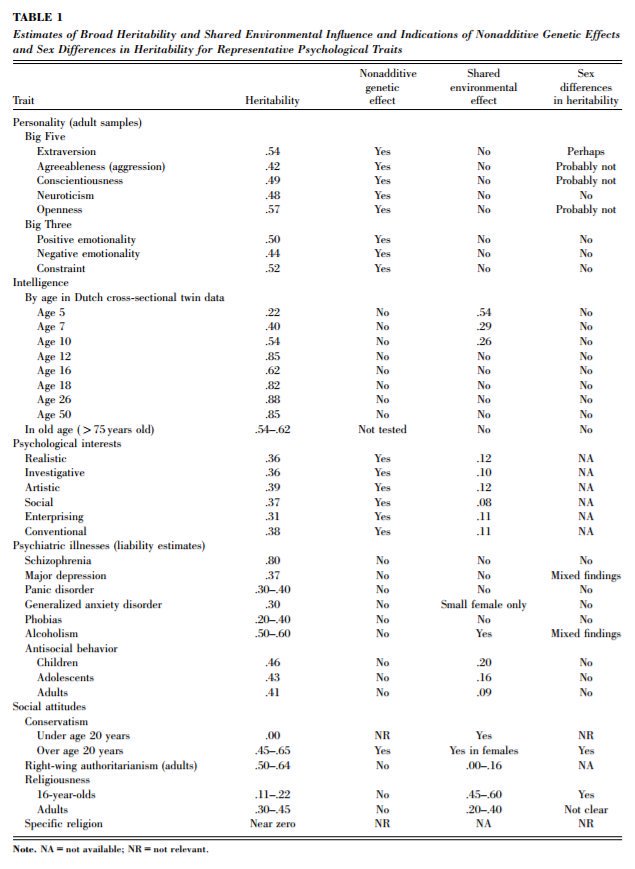
1. IQ is one of the most heritable psychological traits – that is, individual differences in IQ are strongly associated with individual differences in genes (at least in fairly typical modern environments). https://t.co/3XxzW9bxLE
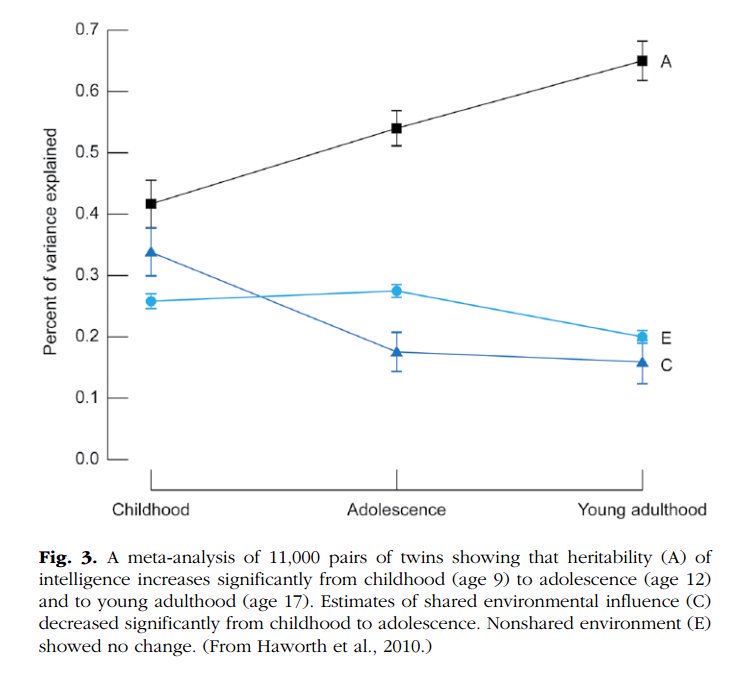
2. The heritability of IQ *increases* from childhood to adulthood. Meanwhile, the effect of the shared environment largely fades away. In other words, when it comes to IQ, nature becomes more important as we get older, nurture less. https://t.co/UqtS1lpw3n
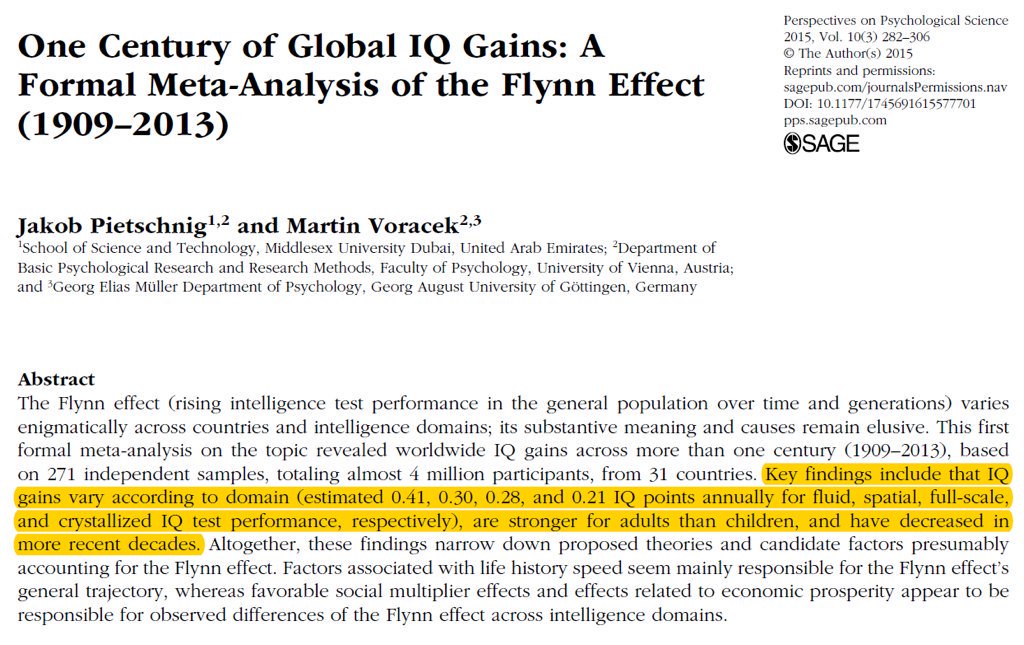
3. IQ scores have been increasing for the last century or so, a phenomenon known as the Flynn effect. https://t.co/sCZvCst3hw (N ≈ 4 million)
(Note that the Flynn effect shows that IQ isn't 100% genetic; it doesn't show that it's 100% environmental.)
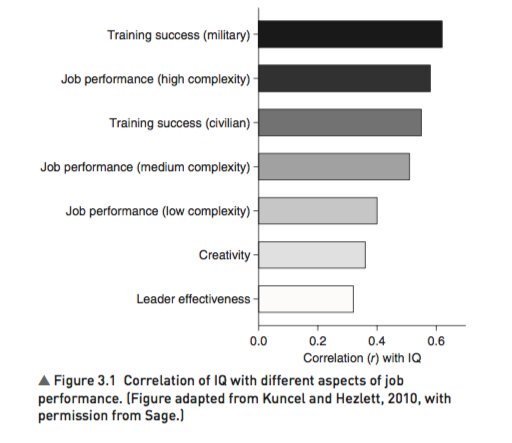
4. IQ predicts many important real world outcomes.
For example, though far from perfect, IQ is the single-best predictor of job performance we have – much better than Emotional Intelligence, the Big Five, Grit, etc. https://t.co/rKUgKDAAVx https://t.co/DWbVI8QSU3
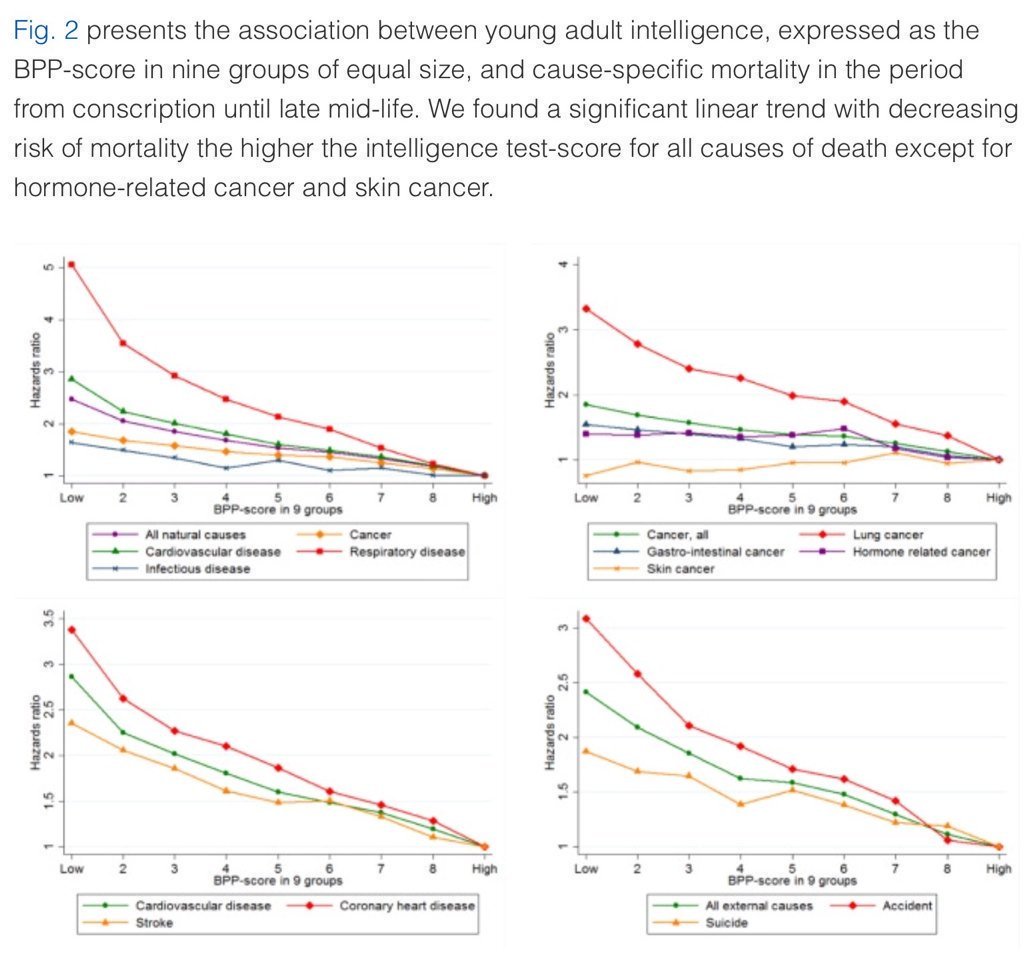
5. Higher IQ is associated with a lower risk of death from most causes, including cardiovascular disease, respiratory disease, most forms of cancer, homicide, suicide, and accident. https://t.co/PJjGNyeQRA (N = 728,160)
1. IQ is one of the most heritable psychological traits – that is, individual differences in IQ are strongly associated with individual differences in genes (at least in fairly typical modern environments). https://t.co/3XxzW9bxLE
2. The heritability of IQ *increases* from childhood to adulthood. Meanwhile, the effect of the shared environment largely fades away. In other words, when it comes to IQ, nature becomes more important as we get older, nurture less. https://t.co/UqtS1lpw3n
3. IQ scores have been increasing for the last century or so, a phenomenon known as the Flynn effect. https://t.co/sCZvCst3hw (N ≈ 4 million)
(Note that the Flynn effect shows that IQ isn't 100% genetic; it doesn't show that it's 100% environmental.)
4. IQ predicts many important real world outcomes.
For example, though far from perfect, IQ is the single-best predictor of job performance we have – much better than Emotional Intelligence, the Big Five, Grit, etc. https://t.co/rKUgKDAAVx https://t.co/DWbVI8QSU3
5. Higher IQ is associated with a lower risk of death from most causes, including cardiovascular disease, respiratory disease, most forms of cancer, homicide, suicide, and accident. https://t.co/PJjGNyeQRA (N = 728,160)


Today is a day to celebrate love in our lives.
And here at ACLU-MA, we know that justice is a labor of love. Here are some of our favorite moments of love and justice in the last year, to brighten your #ValentinesDay.
💞👇💞
Almost exactly a year ago, our clients Hanz and Maudy were reunited after being separated by the cruel "Return to Mexico" policy.
And here at ACLU-MA, we know that justice is a labor of love. Here are some of our favorite moments of love and justice in the last year, to brighten your #ValentinesDay.
💞👇💞
Almost exactly a year ago, our clients Hanz and Maudy were reunited after being separated by the cruel "Return to Mexico" policy.
Yesterday, a family of asylum seekers were reunited. Hanz & his son were subjected to #MPP, a cruel policy that forced them into dangerous cities in northern Mexico. We sued on their behalf, allowing them to rejoin their family in Massachusetts. pic.twitter.com/Kce6MTpS9C
— ACLU Massachusetts (@ACLU_Mass) February 7, 2020