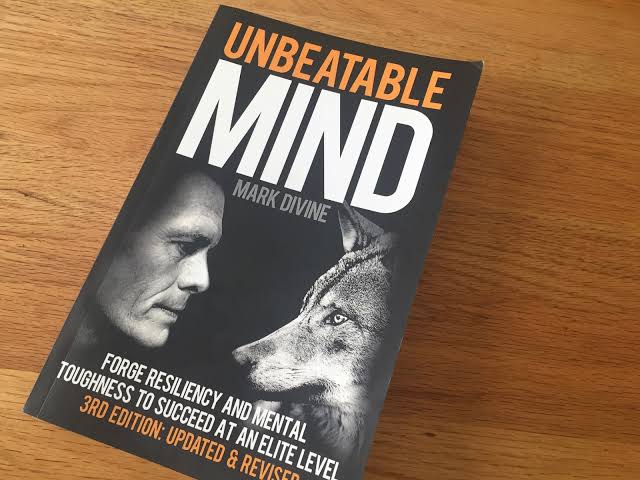
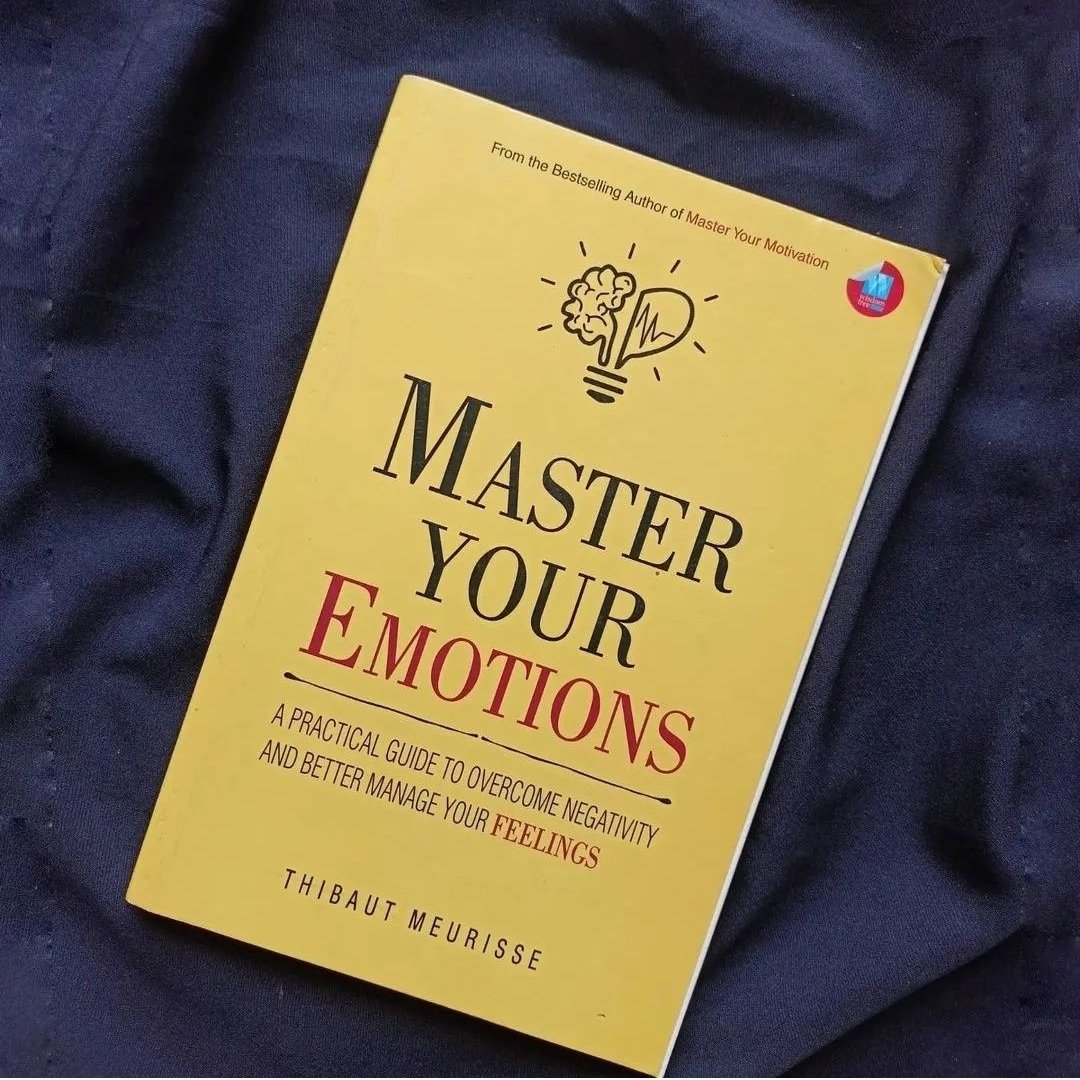
8 Books That Will Teach You How To Become Mentally Strong :
1. Can't Hurt Me



Read “Live Intentionally”
It will help you:
- Build Confidence
- Become Disciplined
- Break out of Laziness
Over 9,000+ Lives Changed
Get your copy now
https://t.co/pYrnKna6oJ
More from Learning













Lifelong learning is a competitive advantage.
But contrary to what you’ve been told, lifelong learners are built, not born.
THREAD: 20 lifelong learning habits you can start developing today.
Stimulate Dynamically
The mind is a muscle - it needs to be stimulated dynamically to continue to grow.
Don’t rely on one “exercise” - develop a menu of options.
Write, read, listen, watch. Solve puzzles, play games. Enjoy it!
Stimulate dynamically, learn dynamically.
Build Learning Circles
The most powerful learning is communal, not individual.
Build learning circles with other intellectually curious minds.
Engage regularly with no set intention or goal.
Community is everything. Embrace it.
Keep Asking Why
“Why?” is the most useful tool in our learning toolkit.
But somewhere along the line, we are told to stop asking why and just accept “facts” as we are told them.
Reject the norm.
If you want to understand the world, take a cue from our kids - keep asking why!
Adopt a Process Orientation
Prioritize process.
Learn for the sake of learning, not always for a specific goal.
When you prioritize process, you become flexible in where you are headed.
Life is a winding, confusing journey - forward progress is all that matters.
But contrary to what you’ve been told, lifelong learners are built, not born.
THREAD: 20 lifelong learning habits you can start developing today.
Stimulate Dynamically
The mind is a muscle - it needs to be stimulated dynamically to continue to grow.
Don’t rely on one “exercise” - develop a menu of options.
Write, read, listen, watch. Solve puzzles, play games. Enjoy it!
Stimulate dynamically, learn dynamically.
Build Learning Circles
The most powerful learning is communal, not individual.
Build learning circles with other intellectually curious minds.
Engage regularly with no set intention or goal.
Community is everything. Embrace it.
Keep Asking Why
“Why?” is the most useful tool in our learning toolkit.
But somewhere along the line, we are told to stop asking why and just accept “facts” as we are told them.
Reject the norm.
If you want to understand the world, take a cue from our kids - keep asking why!
First principles thinking is a powerful mental model for driving non-linear outcomes. It also requires a willingness to ask difficult, uncomfortable questions.
— Sahil Bloom (@SahilBloom) March 14, 2021
Here are a few to help you get started: pic.twitter.com/KyuAr7IUf7
Adopt a Process Orientation
Prioritize process.
Learn for the sake of learning, not always for a specific goal.
When you prioritize process, you become flexible in where you are headed.
Life is a winding, confusing journey - forward progress is all that matters.