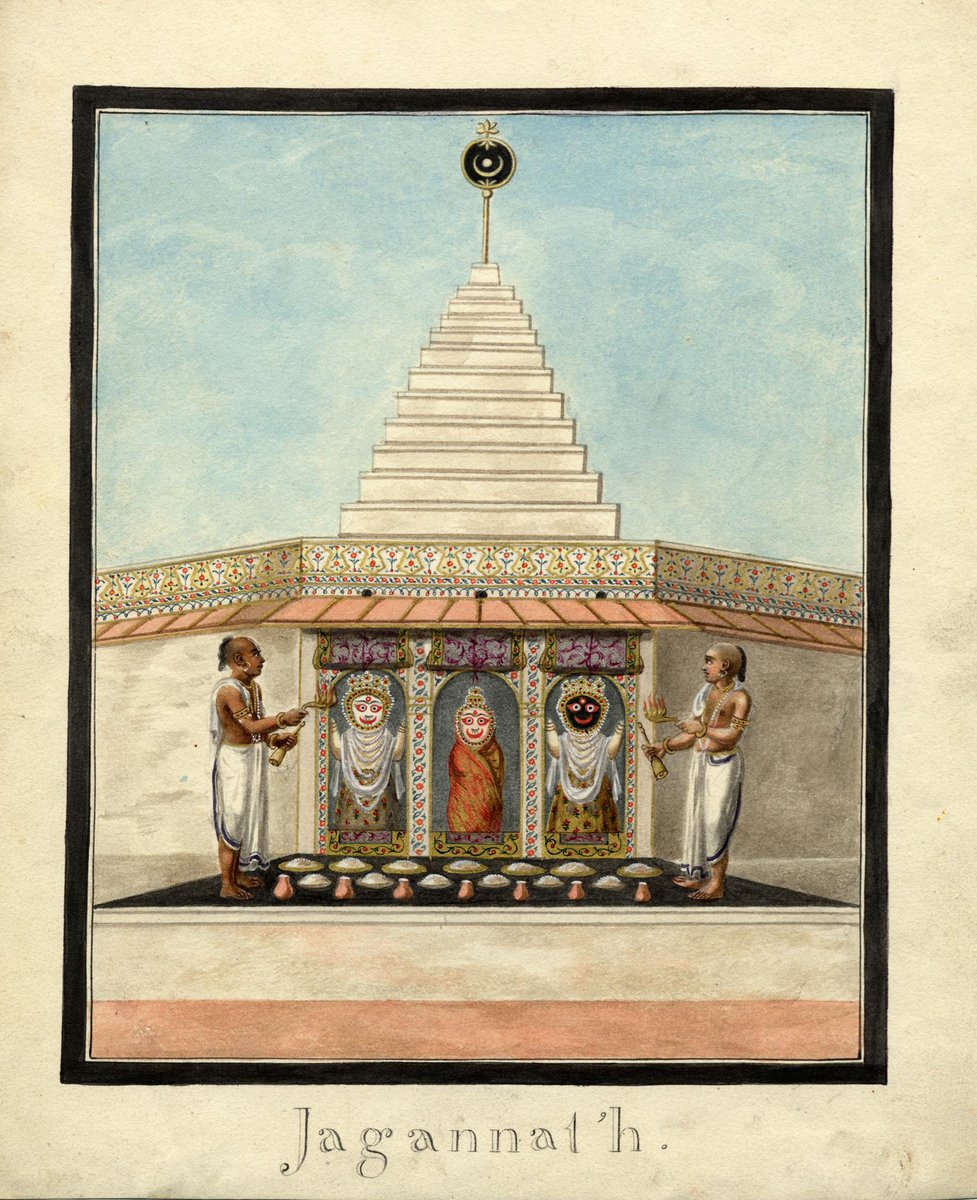
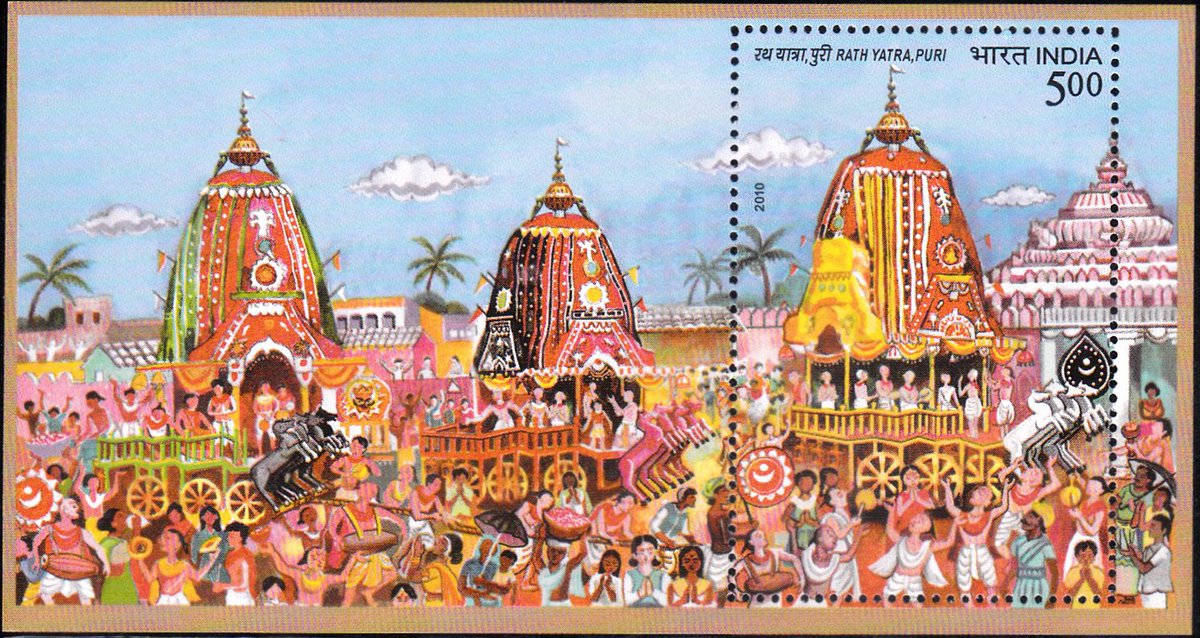
the massive chariot of Jagannatha being pulled through the streets devotees during the Rath Yatra.
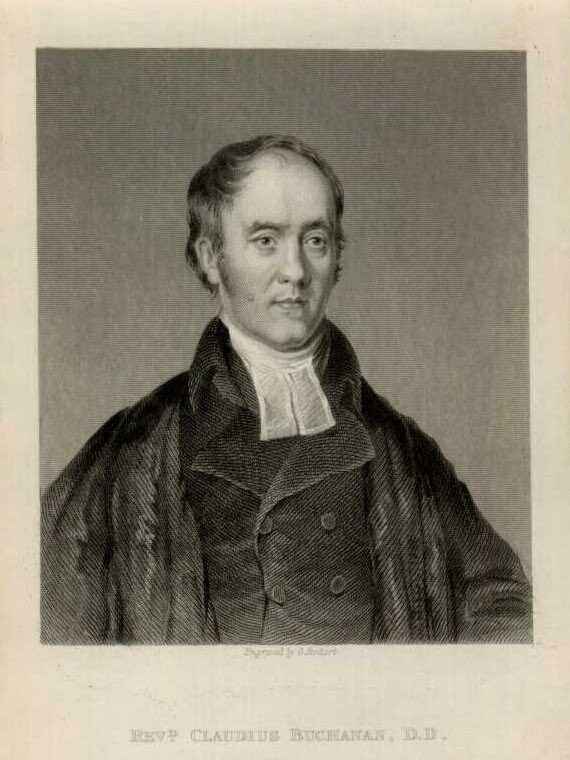
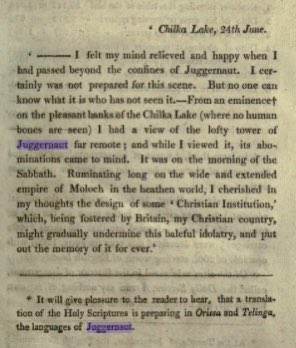
Rev. Claudius Buchanan was the first to popularize “the Juggernaut” in both Britain and the United States in the early 1800s. Buchanan was an Anglican chaplain stationed in India,
and a staunch supporter of Christian missions to India. In his letters sent back home from India, Buchanan described ‘“Juggernaut” as a dangerous, violent, and bloody religious cult. These letters were reprinted in Christian missionary magazines on both sides of the Atlantic.
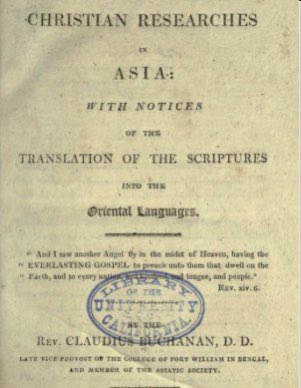
In 1811, Buchanan published Christian Researches in Asia, his broad examination of the religious state of India and its need for Christian missions. He described devotees throwing themselves under the wheels of Juggernaut’s chariots.
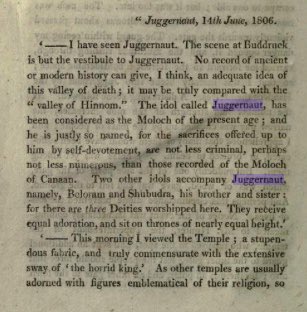
He used a biblical reference to the Old Testament’s description of the heathen god Moloch (to whom people sacrificed their children) to explain Juggernaut to his Christian audience:
“The idol called Juggernaut has been considered as the Moloch of the present age; and he is justly so named, for the sacrifices offered up to him by self-devotement are not less criminal, perhaps not less numerous, than those recorded of the Moloch of Cannan.”
“Ruminating long on the.. empire of Moloch in the heathen world, I cherished my thoughts on the design of some ‘Christian institution’, which, being fostered by Britain, my Christian country, might gradually undermine this baleful idolatry, and put out the memory of it forever.”
In the book he also claimed that Juggernaut “is said to smile when the libation of blood is made.” For Buchanan, Juggernaut represented everything that was wrong with “heathenism” in India that Christianity could solve: a symbol of violence, bloodshed, death, and “idolatry.”
Buchanan’s description of Juggernaut became quite popular. Christian Researches in Asia was reprinted in numerous editions in America and Britain. The descriptions of Juggernaut were excerpted in nearly every missionary magazine in the country.
When American missionaries were first sent to India in 1812, they sent back their own descriptions of Juggernaut to be published in American missionary magazines that continued to represent the god as violent and idolatrous.
This idea/image of Juggernaut was so well-known in Protestant missionary circles that one missionary magazine from 1813 even used Juggernaut as a metaphor for the vice of alcohol. Like Juggernaut, the article argued, alcohol has “shrines on the banks of almost every brook” and
“four thousand self-devoted human victims, immolated every year upon its altars.” Thus, “juggernaut” started to become a term for any violent or dangerous force.
By the 1930s, the negative connotations of the word were so established that an anti-communist book labeled communism “the red juggernaut.”
In 1963, The Juggernaut made his first appearance as a villain in Marvel’s X-Men comics. Juggernaut no longer had anything to do with the temple in India, but it still represented power, violence, death, and danger.
From the beginning, “Juggernaut” and “Jagannath” were not the same thing. The process of Anglicization and transmission that Buchanan and other Christians engaged in meant that “Juggernaut” was purely a product of the Western imagination.
The missionary “pagan idolatry” image was used to advocate for christian missions, a depiction which more so represented the fears and values of Protestant missionaries than it did Hinduism.
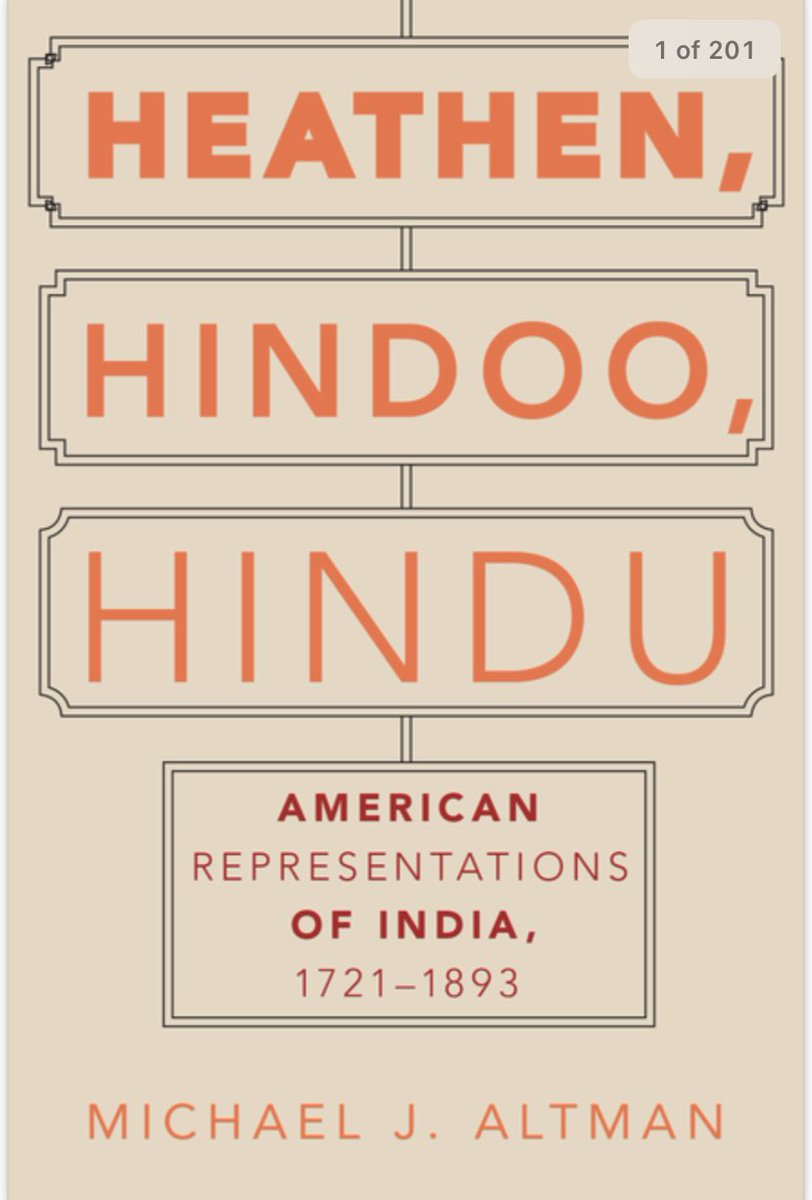
Source: Heathen, Hindoo, Hindu: American Representations of India by Micheal J Altman
The following tweets are taken from the paper titled: “Rathas and Rajas: The Car Festival at Puri”, by Hermann Kulke - that confirms that the “self-sacrifice and bloodshed” described by missionaries was greatly exaggerated
(
https://t.co/zJSg9fMr3S):
Self-immolation under the wheels of Jagannatha's car was stressed in these early descriptions, even though by 1818, a young government officer reported only three such incidents during the preceding four years, of which at least one was an accident.
The common belief in the frequency of these self-immolations and the propaganda of missionaries against this "stronghold and fountain-head of idolatry" made Jagannatha a metaphor synonymous with "anything to which persons blindly devote themselves, or are ruthlessly sacrificed".
Ironically it was this missionary zeal that contributed to the resurgence of the Jagannath worship, particularly in the late 19th c. when the Rath Yatra became the most popular religious event of Eastern India - a symbol of Oriya Nationalism during the independence struggle.
highly recommend this book by
@MichaelJAltman. It’s on sale on amazon right now too!