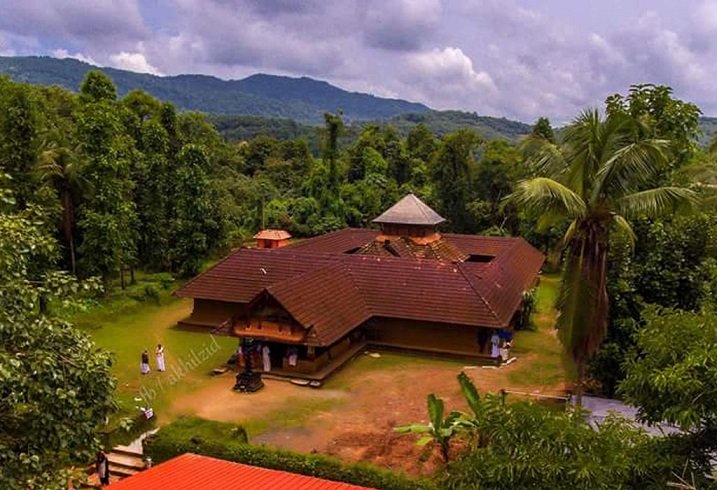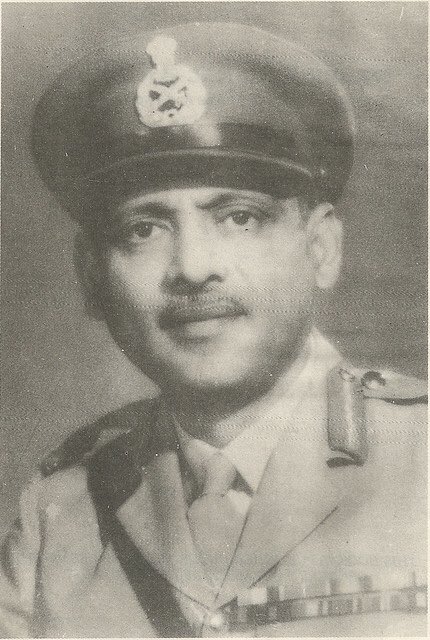
Post Independence, Army wanted to select the most experienced Indian commander as Army chief. But Nehru without consulting anyone appointed Gen Rob Lockhart, a senior British Army officer as the Commander-in-Chief (C-in-C) of the Indian Army.
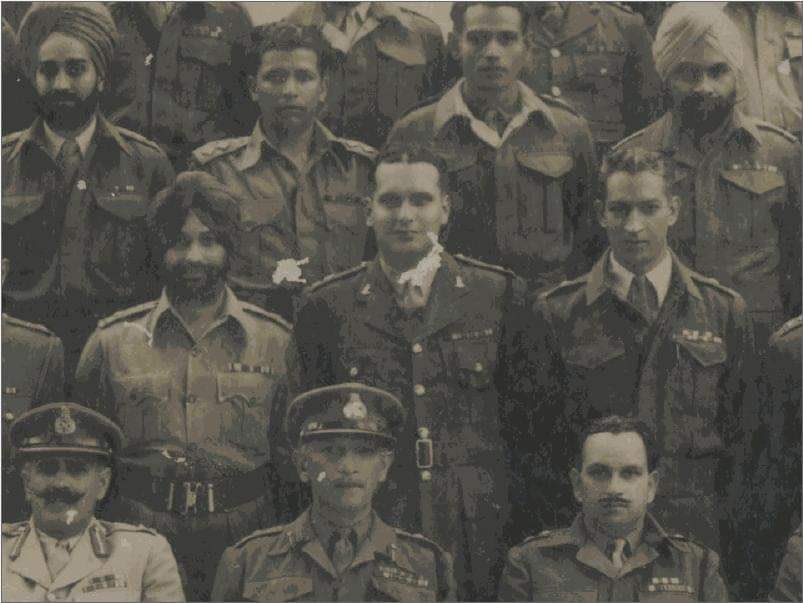
The next day emergency meeting was called to select the new Army Chief. Prime Minister Nehru chaired the meeting which was attended by the then Defence Minister Baldev Singh (YES MAN of Nehru),+
In the meeting Nehru started, “We should appoint a new Army Chief, as Gen Lockhart had resigned from the post. I consider that+
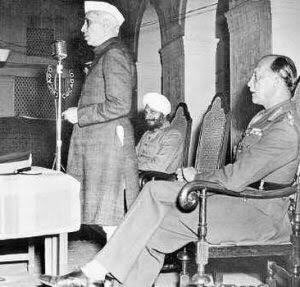
Everybody in the meeting was silent. The army officers felt very humiliated and insulted by Nehru’s words. Def. Minister Baldev Singh immediately+
But there was one man who stood and said “Sir, I have a point….You see sir, we don’t have a man with enough experience to lead a nation too, so shouldn’t we appoint someone from Britain as the first PM+
Annoyed Nehru interrupted and said “Are you saying that you are ready to be the first C-in-C of the Indian Army?”
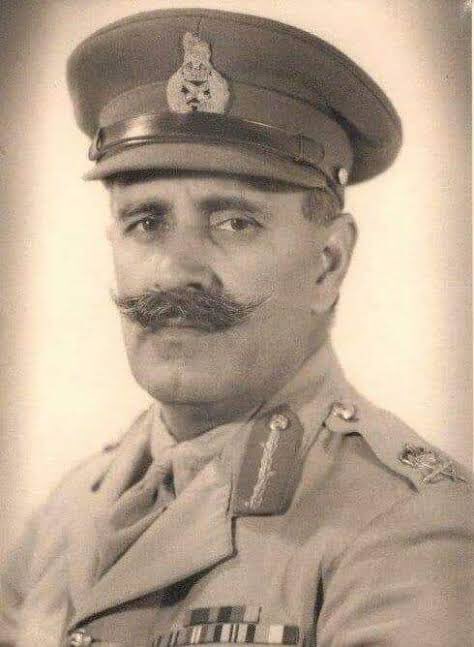
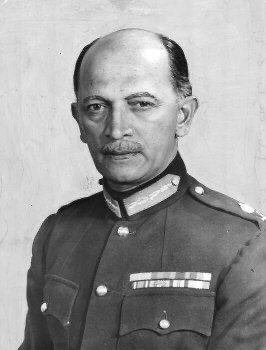
The entire room stood and applauded the suggestion made by Lt Gen Nathu Singh Rathore. Gen Cariappa was made the first Indian C-in-C of the Indian Army in 1949.


More from History








You May Also Like


THREAD PART 1.
On Sunday 21st June, 14 year old Noah Donohoe left his home to meet his friends at Cave Hill Belfast to study for school. #RememberMyNoah💙
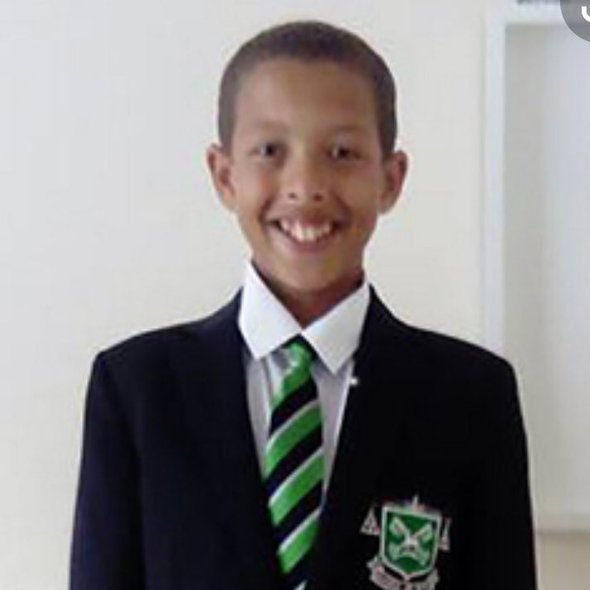
He was on his black Apollo mountain bike, fully dressed, wearing a helmet and carrying a backpack containing his laptop and 2 books with his name on them. He also had his mobile phone with him.
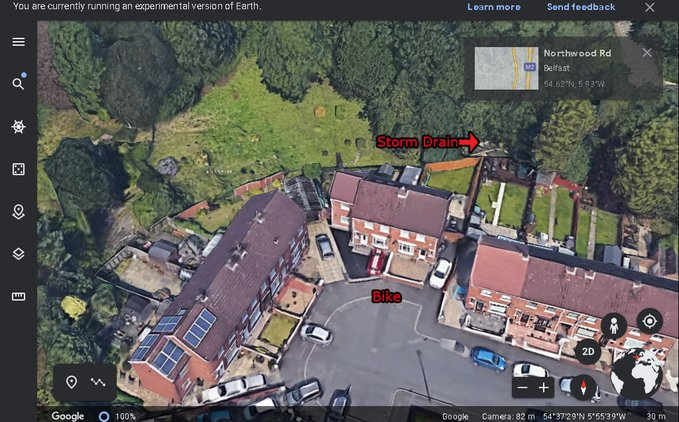
On the 27th of June. Noah's naked body was sadly discovered 950m inside a storm drain, between access points. This storm drain was accessible through an area completely unfamiliar to him, behind houses at Northwood Road. https://t.co/bpz3Rmc0wq
"Noah's body was found by specially trained police officers between two drain access points within a section of the tunnel running under the Translink access road," said Mr McCrisken."
Noah's bike was also found near a house, behind a car, in the same area. It had been there for more than 24 hours before a member of public who lived in the street said she read reports of a missing child and checked the bike and phoned the police.
On Sunday 21st June, 14 year old Noah Donohoe left his home to meet his friends at Cave Hill Belfast to study for school. #RememberMyNoah💙
He was on his black Apollo mountain bike, fully dressed, wearing a helmet and carrying a backpack containing his laptop and 2 books with his name on them. He also had his mobile phone with him.
On the 27th of June. Noah's naked body was sadly discovered 950m inside a storm drain, between access points. This storm drain was accessible through an area completely unfamiliar to him, behind houses at Northwood Road. https://t.co/bpz3Rmc0wq
"Noah's body was found by specially trained police officers between two drain access points within a section of the tunnel running under the Translink access road," said Mr McCrisken."
Noah's bike was also found near a house, behind a car, in the same area. It had been there for more than 24 hours before a member of public who lived in the street said she read reports of a missing child and checked the bike and phoned the police.