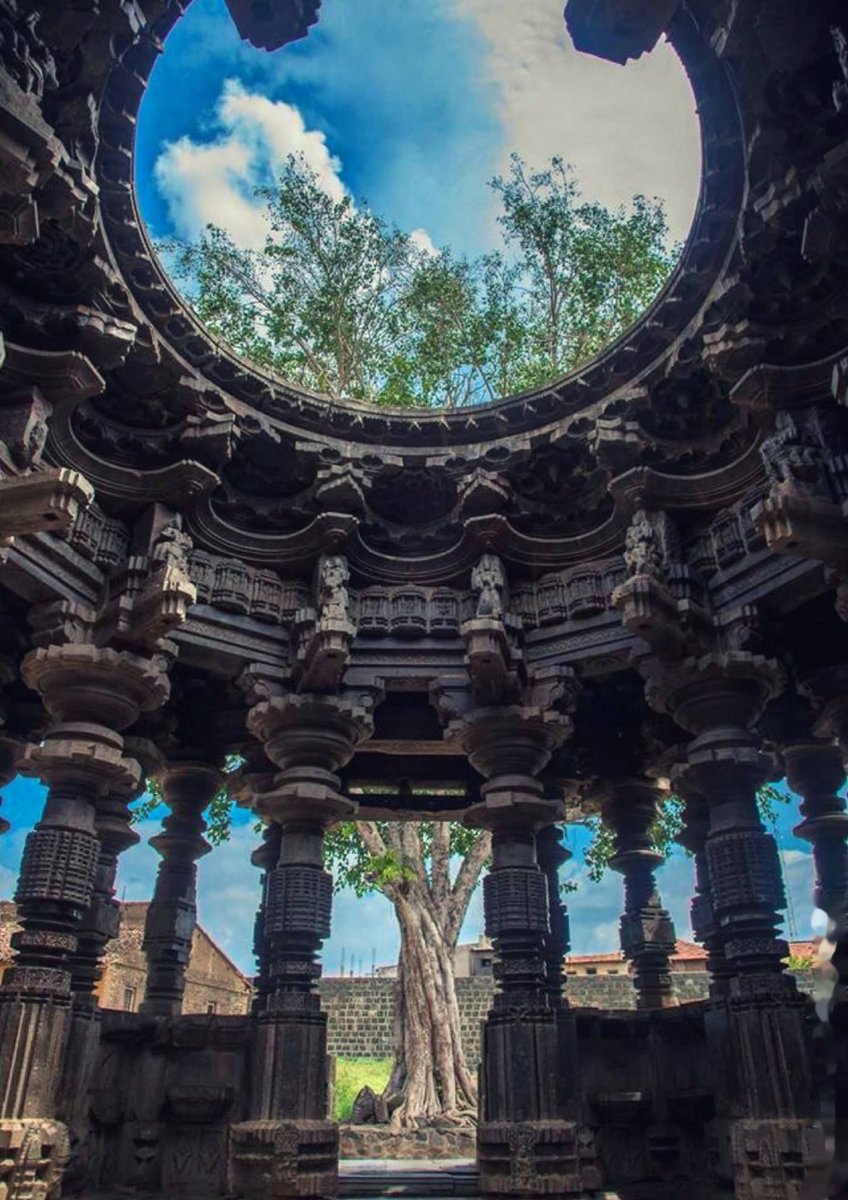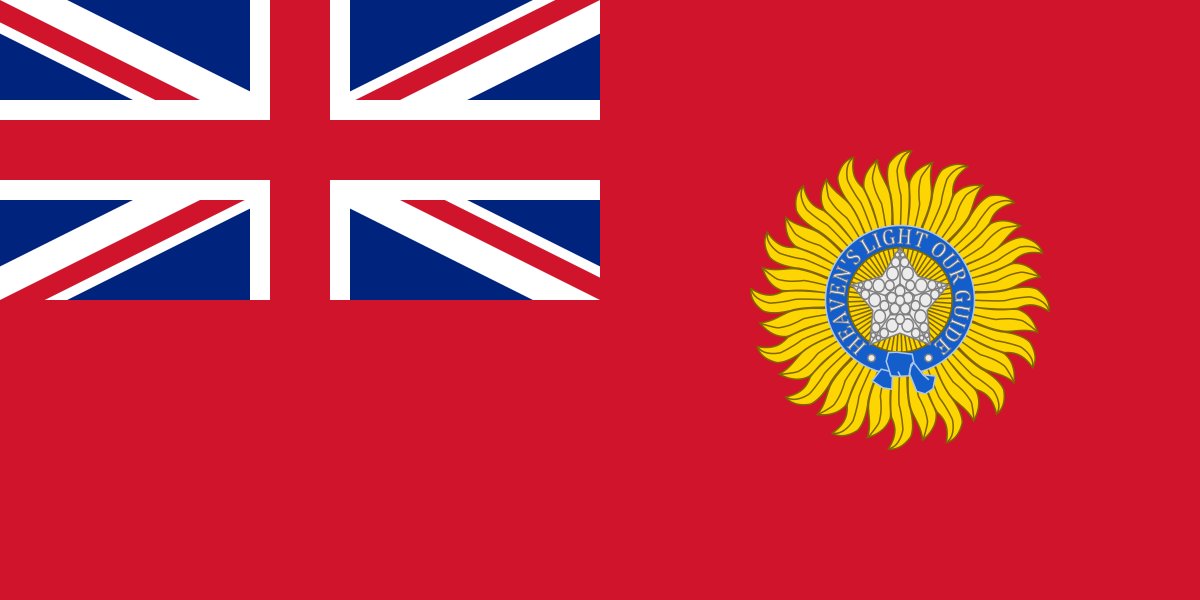
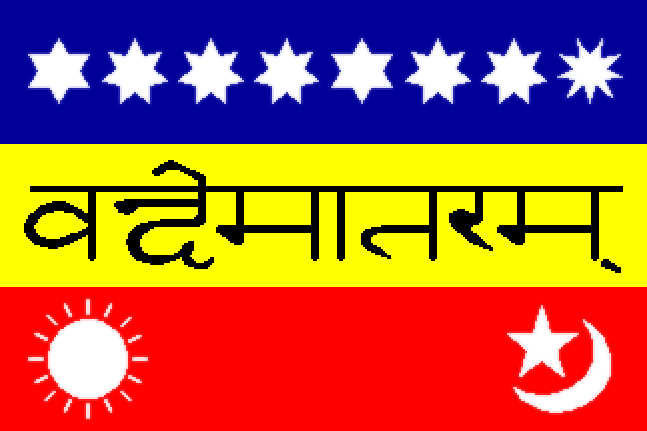
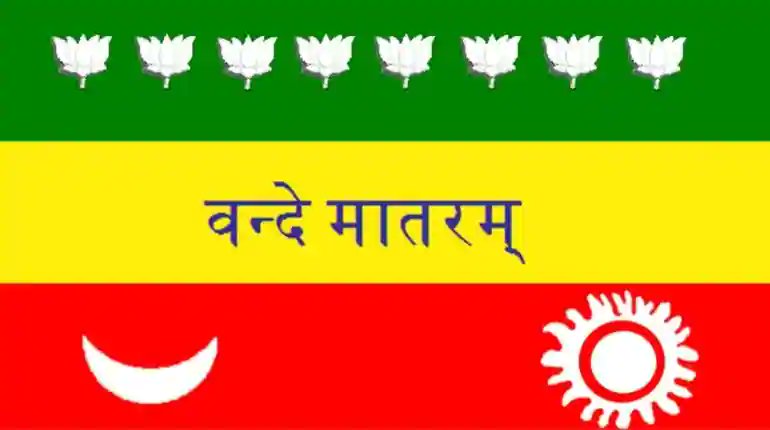
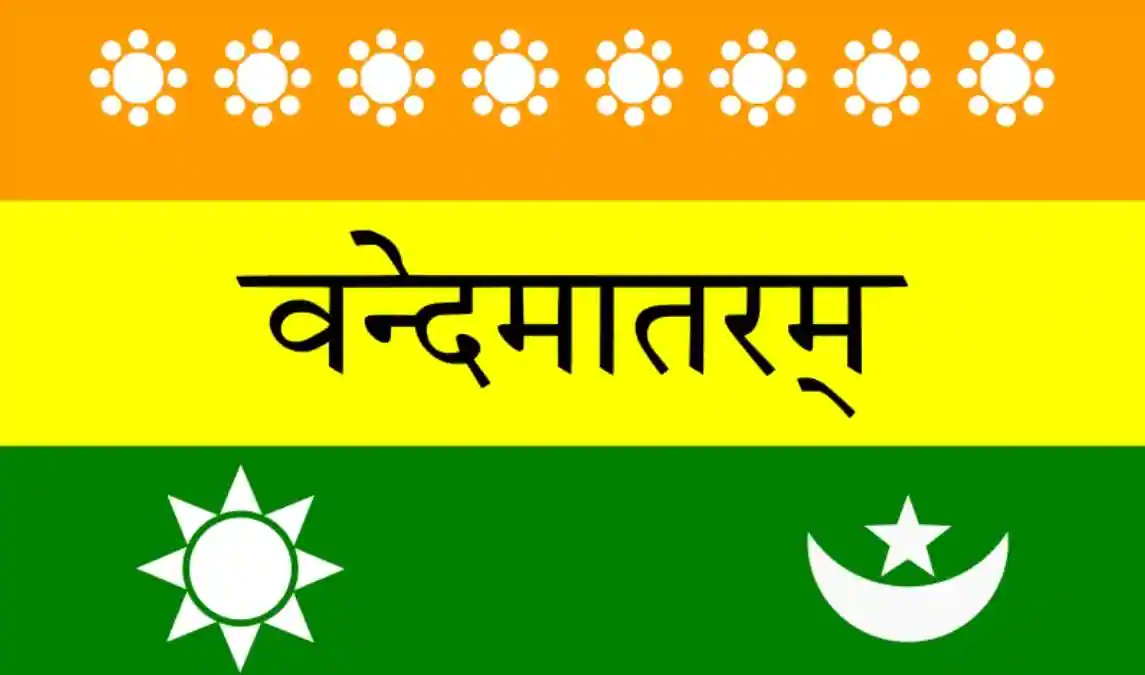
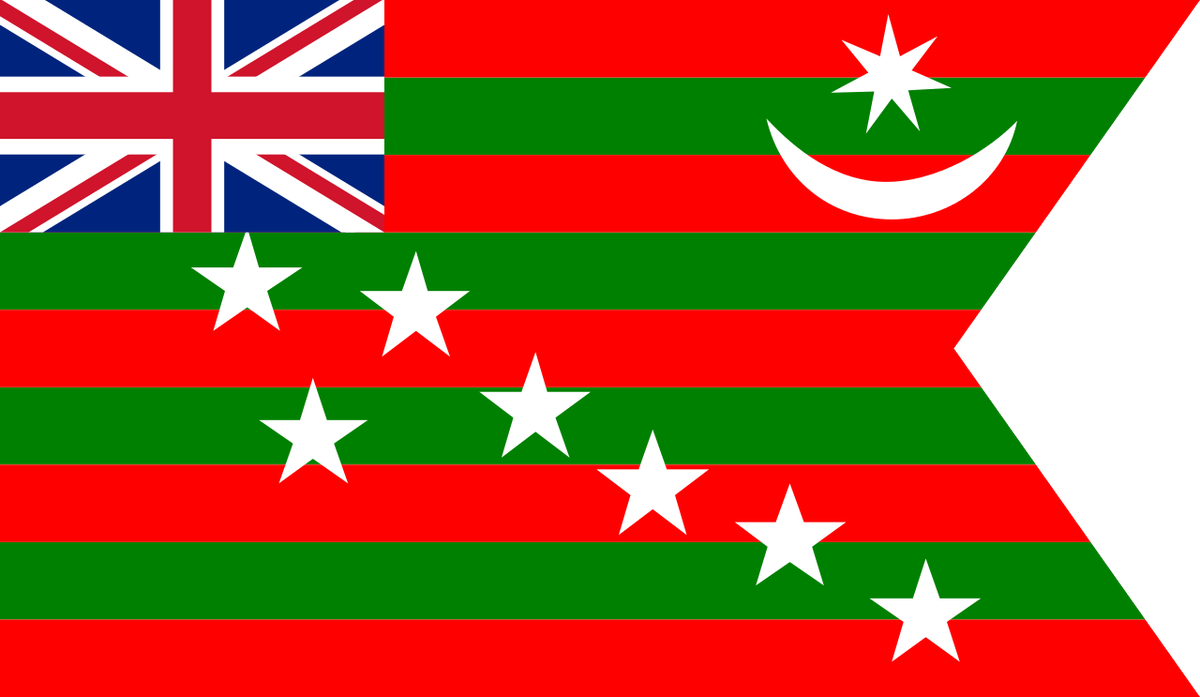
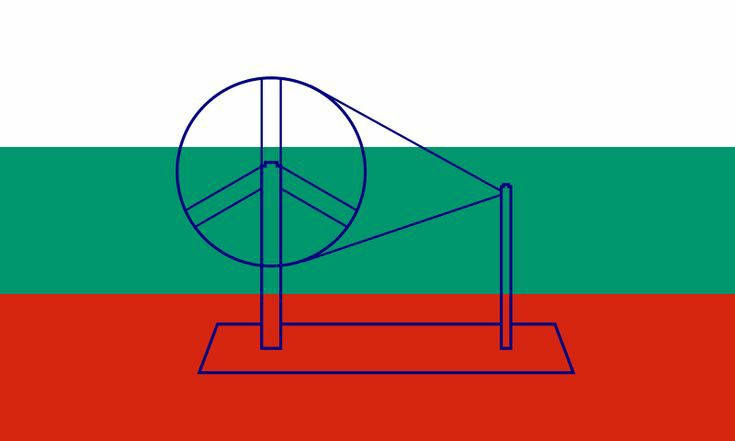
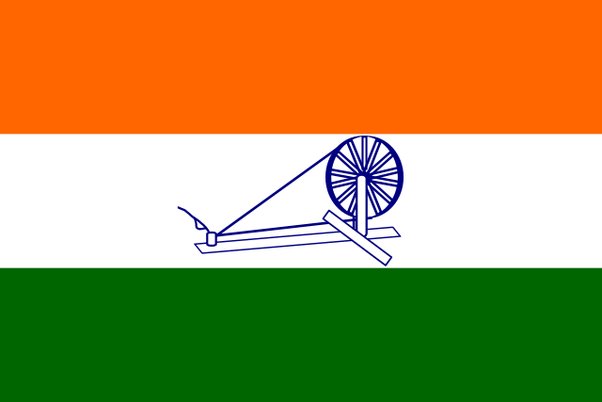
THE EVOLUTION OF OUR NATIONAL FLAG (1857-1947)
The INDIAN NATIONAL FLAG is not just a flag! It's a testimony of patriotism and seamless sacrifice. A symbol representing one of the oldest civilizations on this planet.
Let's hope what happened yesterday never repeats!
(Thread)
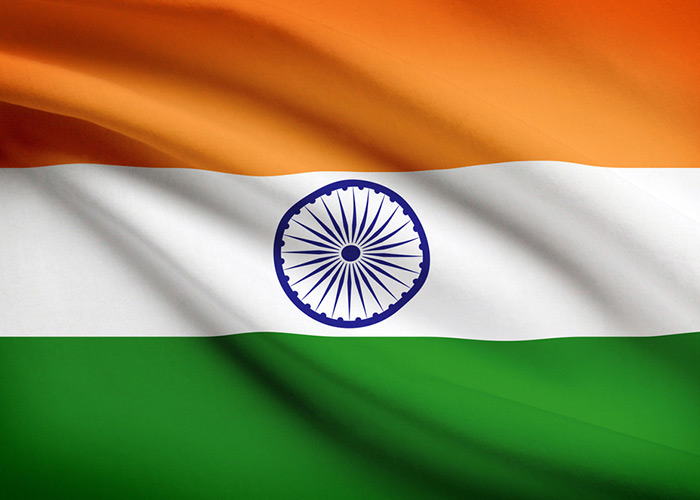
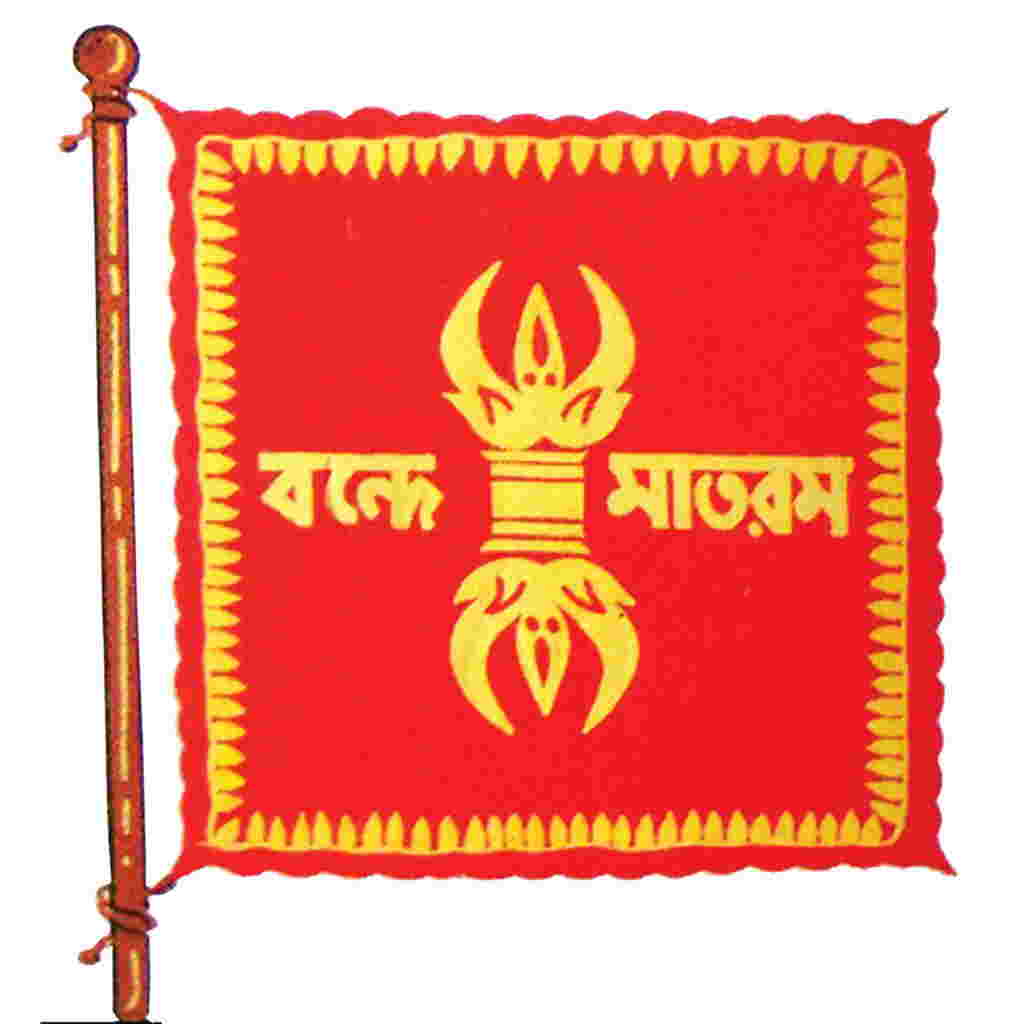


More from Pegasus of Dharma
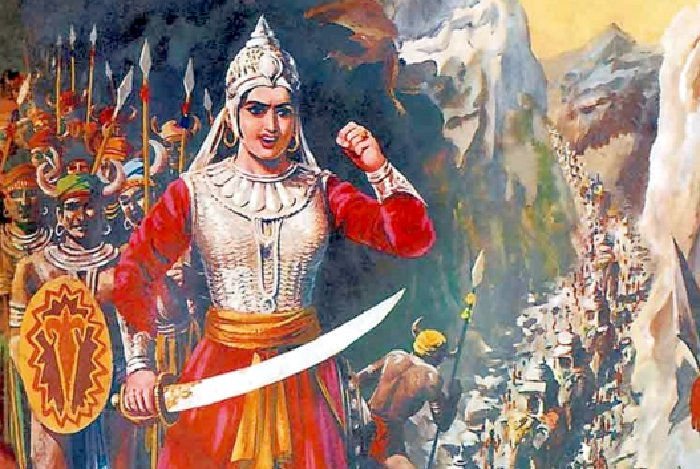
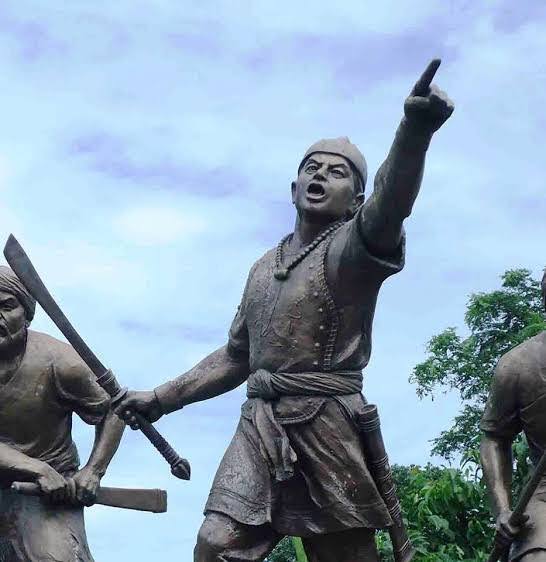
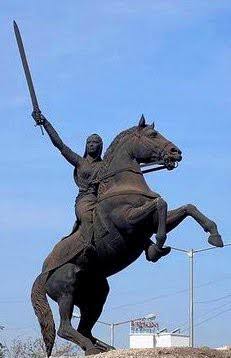
More from World







Niger state shares borders with Zamfara, kebbi, Kaduna & Benin Republic. Terrorists from Niger republic and Burkina faso easily move money and arms across the borders of Kebbi, Zamfara and Benin R into Niger state. According to UN over 900,000 people have been displaced in B'Faso https://t.co/65YEMJhqDp
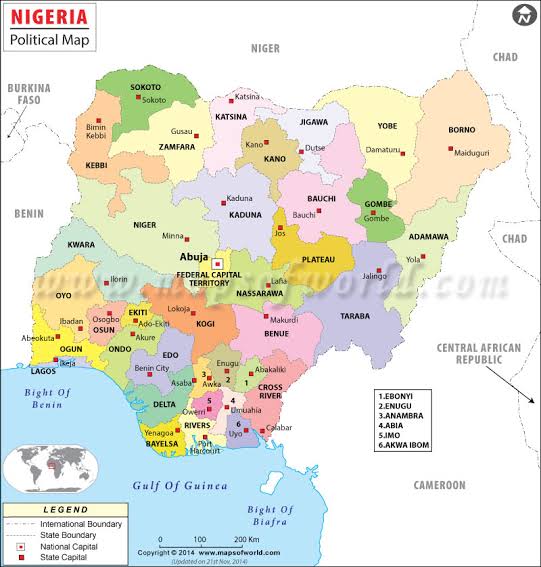
Niger, Mali and Burkina faso are weak countries populated by Shell terrorists who have now found a safe haven in the forests in Kaduna and Niger state. Birin Gwari, Mokwa forest, Nanati forests, Kanji lake areas.
No decent human resides permanently in forests.
We are facing both external and internal threats from these weak and failed countries we are surrounded with. As a senator you know that a FG police system with less than 300k officers can't actively police the landmass and borders in the North.
Form your state police now!
You and other senators should scrap the FG police system and devote the unaudited security votes and constituency allowance to policing your corridors and forests. Let the airforce bomb them and put your rangers in the forests. Issue an ultimatum for those in the forests to leave
You are all living in a dream if you think the current police structure will become efficient overnight.
Budget, Personnel, Technology, Equipment, Surveillance..It's impossible.
Form your state and community police and flush out the terrorists.
I am shocked and saddened by the attack on GSS, Kagara in Rafi LGA that led to the abduction of innocent schoolboys in Niger East. It is appalling that acts of violence against our educational institutions are becoming a norm & perpetrated on defenseless children.
— Senator Moh\u2019d Sani Musa (@MohdSaniMusa) February 17, 2021
Niger, Mali and Burkina faso are weak countries populated by Shell terrorists who have now found a safe haven in the forests in Kaduna and Niger state. Birin Gwari, Mokwa forest, Nanati forests, Kanji lake areas.
No decent human resides permanently in forests.
We are facing both external and internal threats from these weak and failed countries we are surrounded with. As a senator you know that a FG police system with less than 300k officers can't actively police the landmass and borders in the North.
Form your state police now!
You and other senators should scrap the FG police system and devote the unaudited security votes and constituency allowance to policing your corridors and forests. Let the airforce bomb them and put your rangers in the forests. Issue an ultimatum for those in the forests to leave
You are all living in a dream if you think the current police structure will become efficient overnight.
Budget, Personnel, Technology, Equipment, Surveillance..It's impossible.
Form your state and community police and flush out the terrorists.

You May Also Like


The UN just voted to condemn Israel 9 times, and the rest of the world 0.
View the resolutions and voting results here:
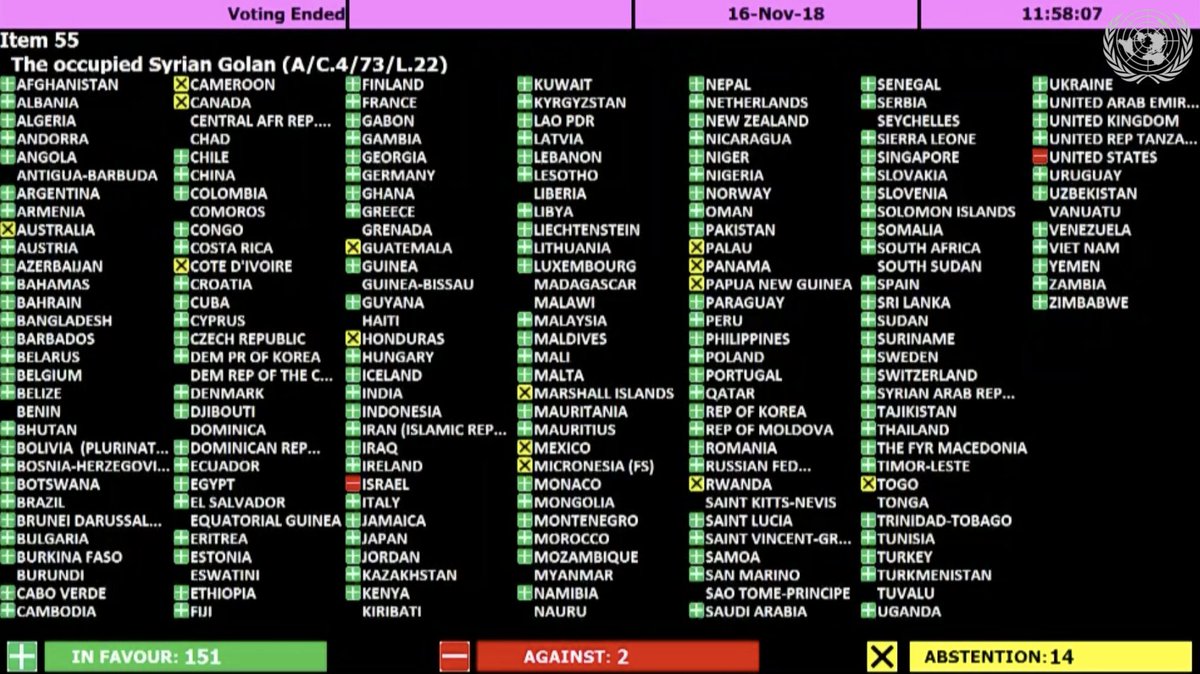
The resolution titled "The occupied Syrian Golan," which condemns Israel for "repressive measures" against Syrian citizens in the Golan Heights, was adopted by a vote of 151 - 2 - 14.
Israel and the U.S. voted 'No' https://t.co/HoO7oz0dwr
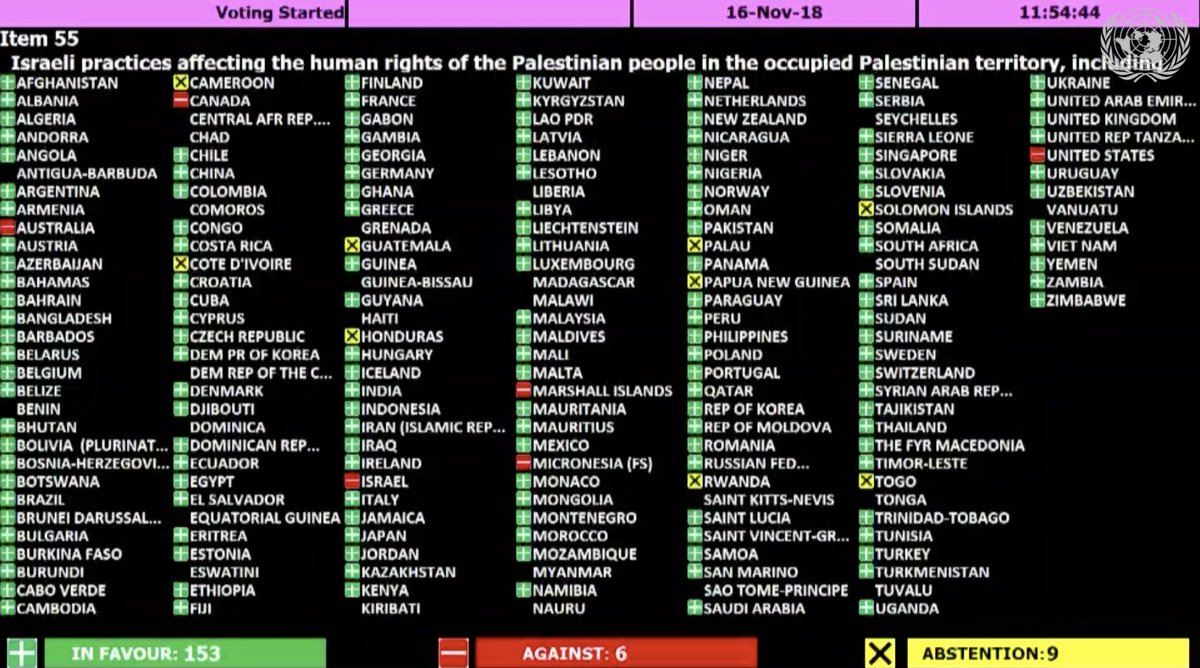
The resolution titled "Israeli practices affecting the human rights of the Palestinian people..." was adopted by a vote of 153 - 6 - 9.
Australia, Canada, Israel, Marshall Islands, Micronesia, and the U.S. voted 'No' https://t.co/1Ntpi7Vqab
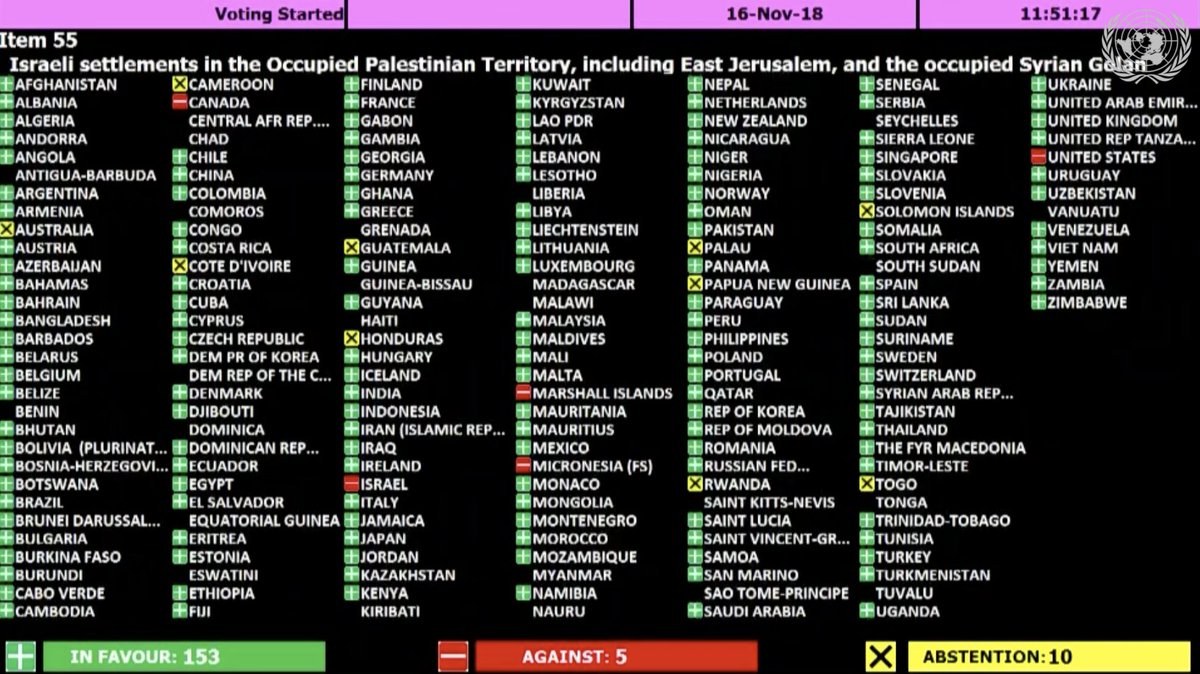
The resolution titled "Israeli settlements in the Occupied Palestinian Territory, including East Jerusalem, and the occupied Syrian Golan" was adopted by a vote of 153 – 5 – 10.
Canada, Israel, Marshall Islands, Micronesia, and the U.S. voted 'No'
https://t.co/REumYgyRuF
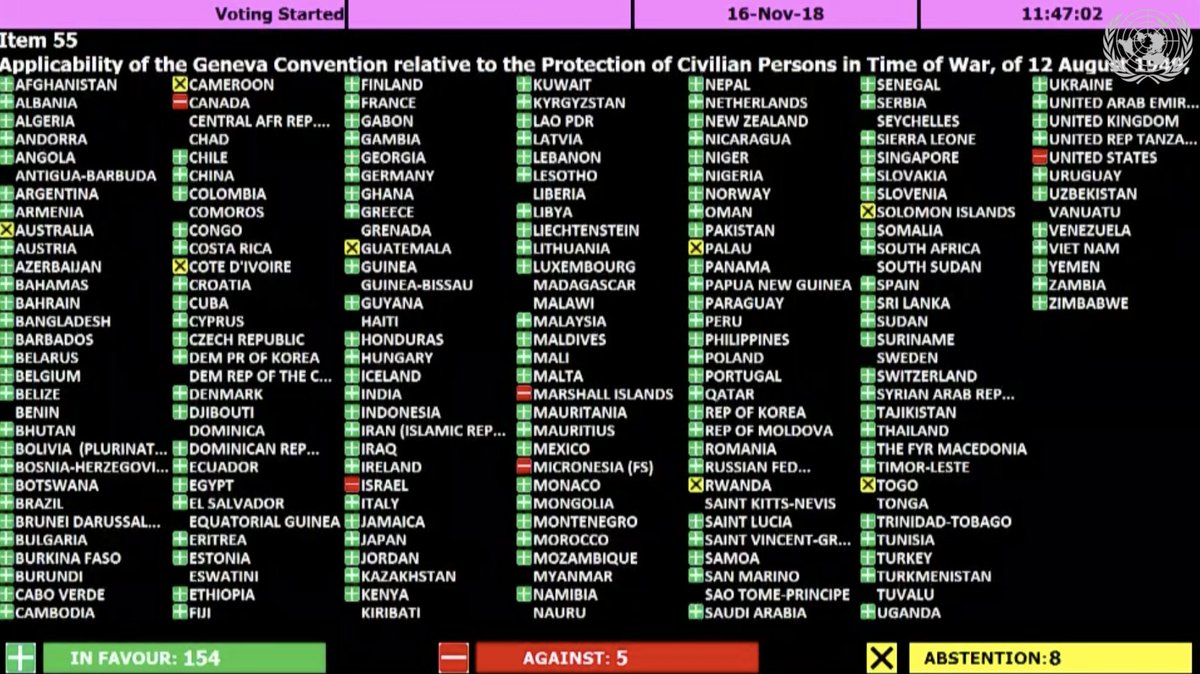
The resolution titled "Applicability of the Geneva Convention... to the
Occupied Palestinian Territory..." was adopted by a vote of 154 - 5 - 8.
Canada, Israel, Marshall Islands, Micronesia, and the U.S. voted 'No'
https://t.co/xDAeS9K1kW
View the resolutions and voting results here:
The resolution titled "The occupied Syrian Golan," which condemns Israel for "repressive measures" against Syrian citizens in the Golan Heights, was adopted by a vote of 151 - 2 - 14.
Israel and the U.S. voted 'No' https://t.co/HoO7oz0dwr
The resolution titled "Israeli practices affecting the human rights of the Palestinian people..." was adopted by a vote of 153 - 6 - 9.
Australia, Canada, Israel, Marshall Islands, Micronesia, and the U.S. voted 'No' https://t.co/1Ntpi7Vqab
The resolution titled "Israeli settlements in the Occupied Palestinian Territory, including East Jerusalem, and the occupied Syrian Golan" was adopted by a vote of 153 – 5 – 10.
Canada, Israel, Marshall Islands, Micronesia, and the U.S. voted 'No'
https://t.co/REumYgyRuF
The resolution titled "Applicability of the Geneva Convention... to the
Occupied Palestinian Territory..." was adopted by a vote of 154 - 5 - 8.
Canada, Israel, Marshall Islands, Micronesia, and the U.S. voted 'No'
https://t.co/xDAeS9K1kW