2 of 23:
When describing the 101st Airborne Division and the remnants of the 60th and 28th Divisions in Bastogne, many historians will tell you that the Americans were surrounded.
3 of 23:
That is accurate but it is insufficiently descriptive. "Surrounded" does not really come close to representing the odds stacked up against our Paratroopers by mid-day on Friday.
4 of 23:
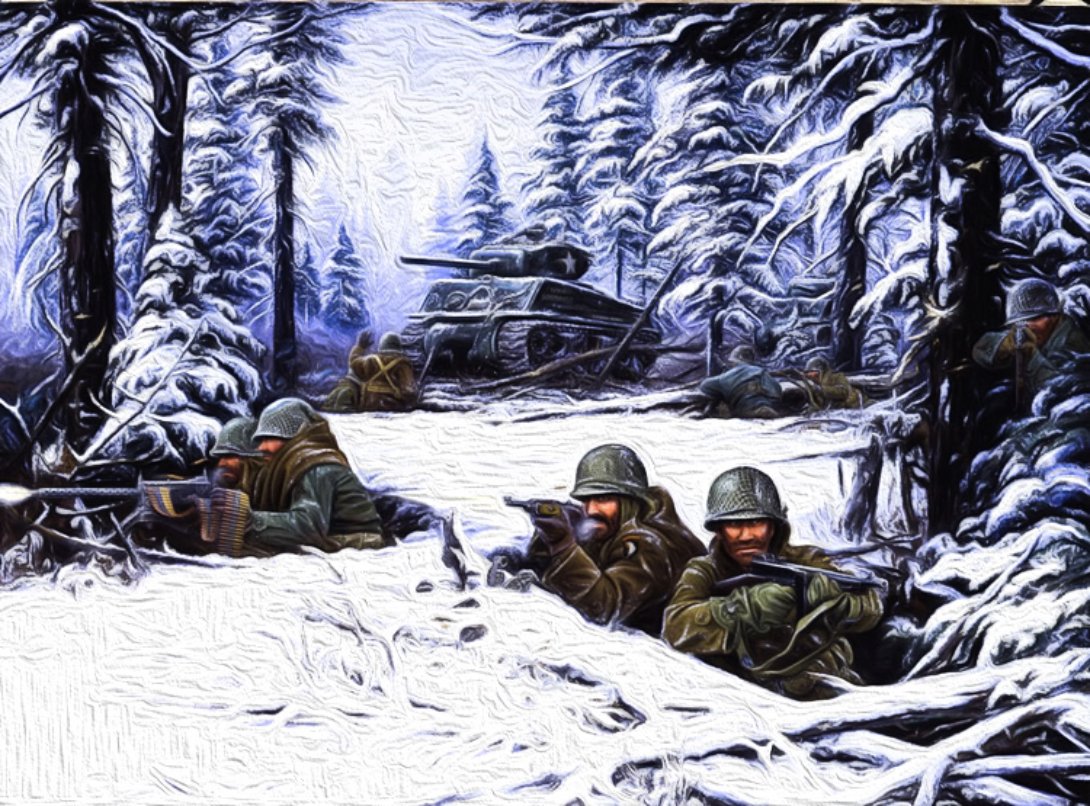
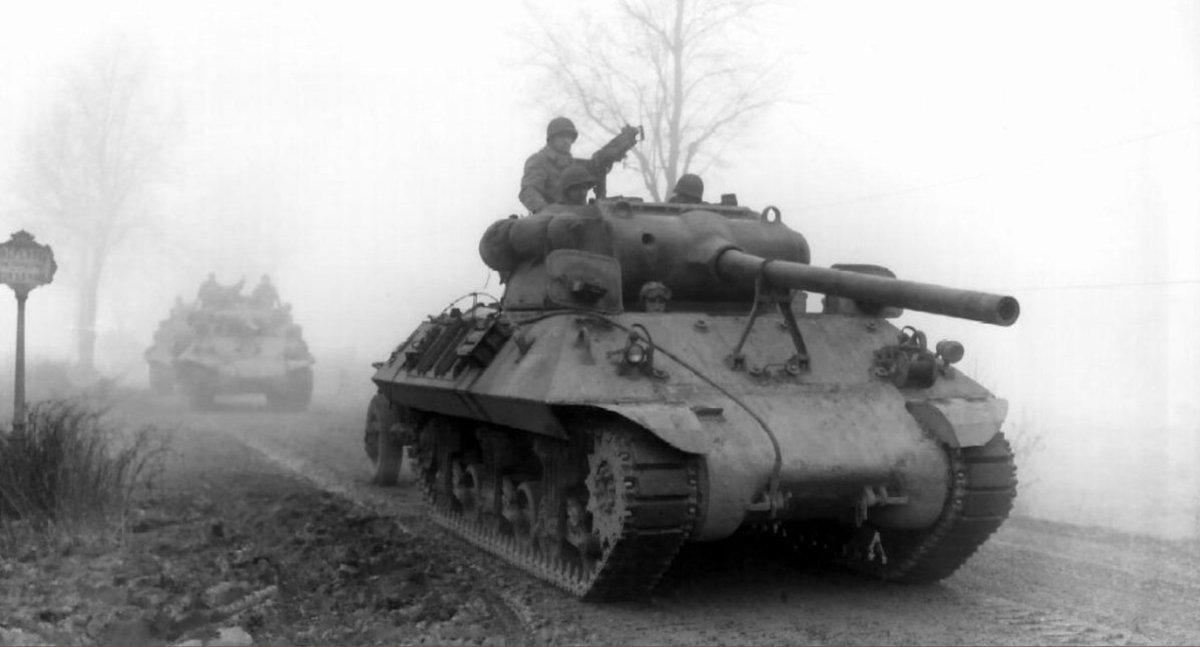
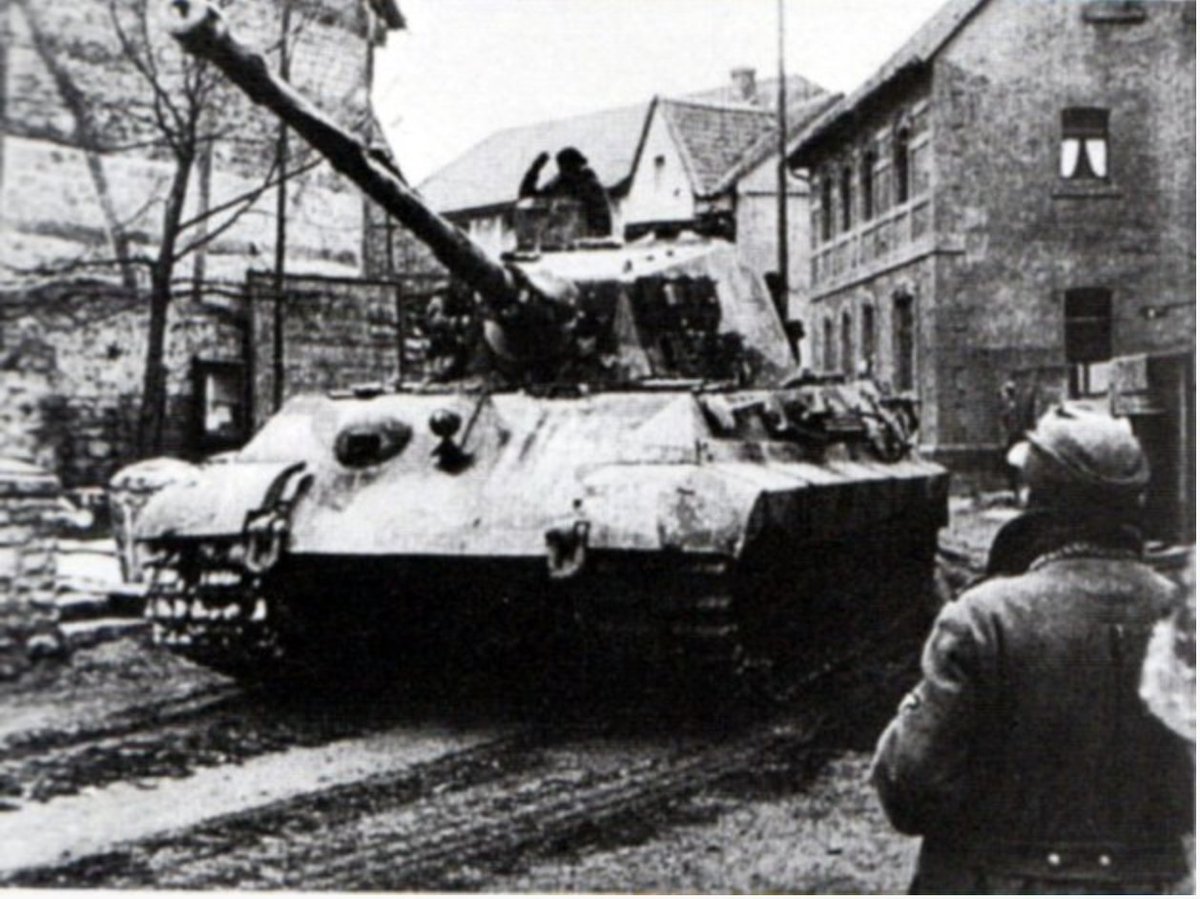
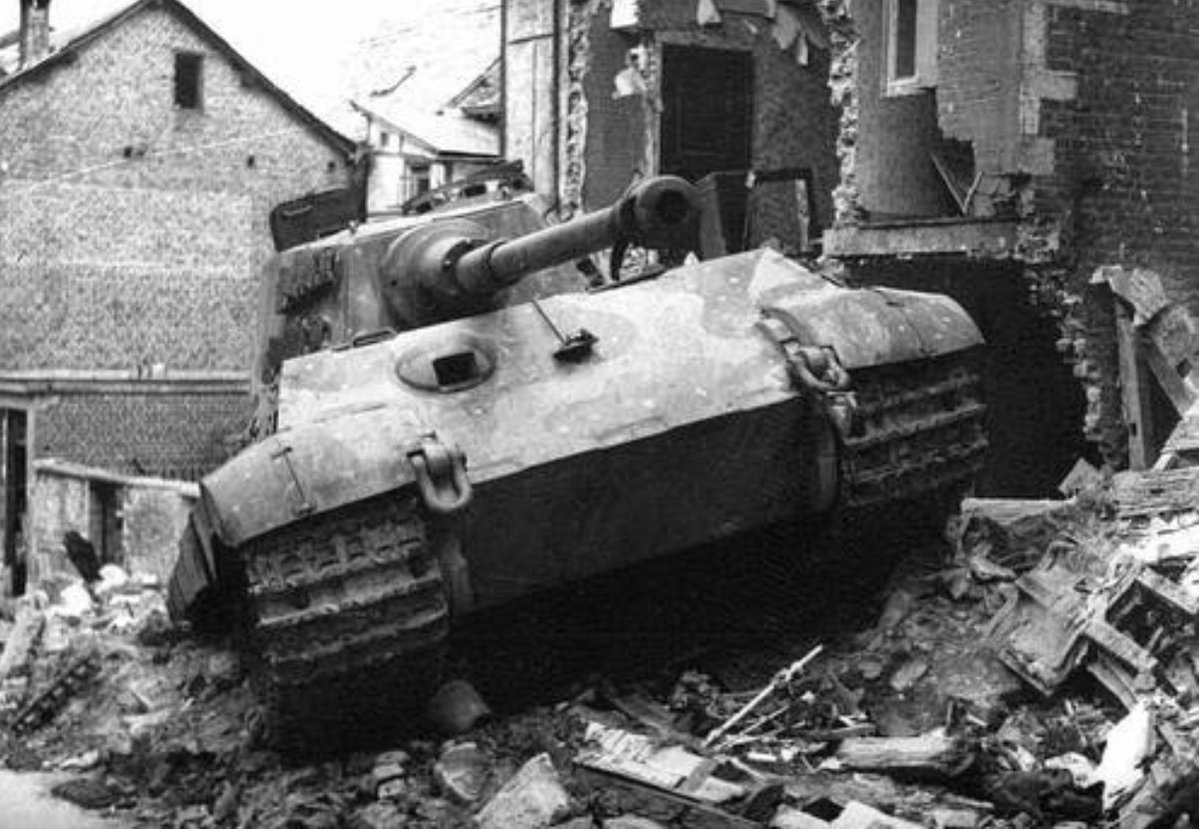
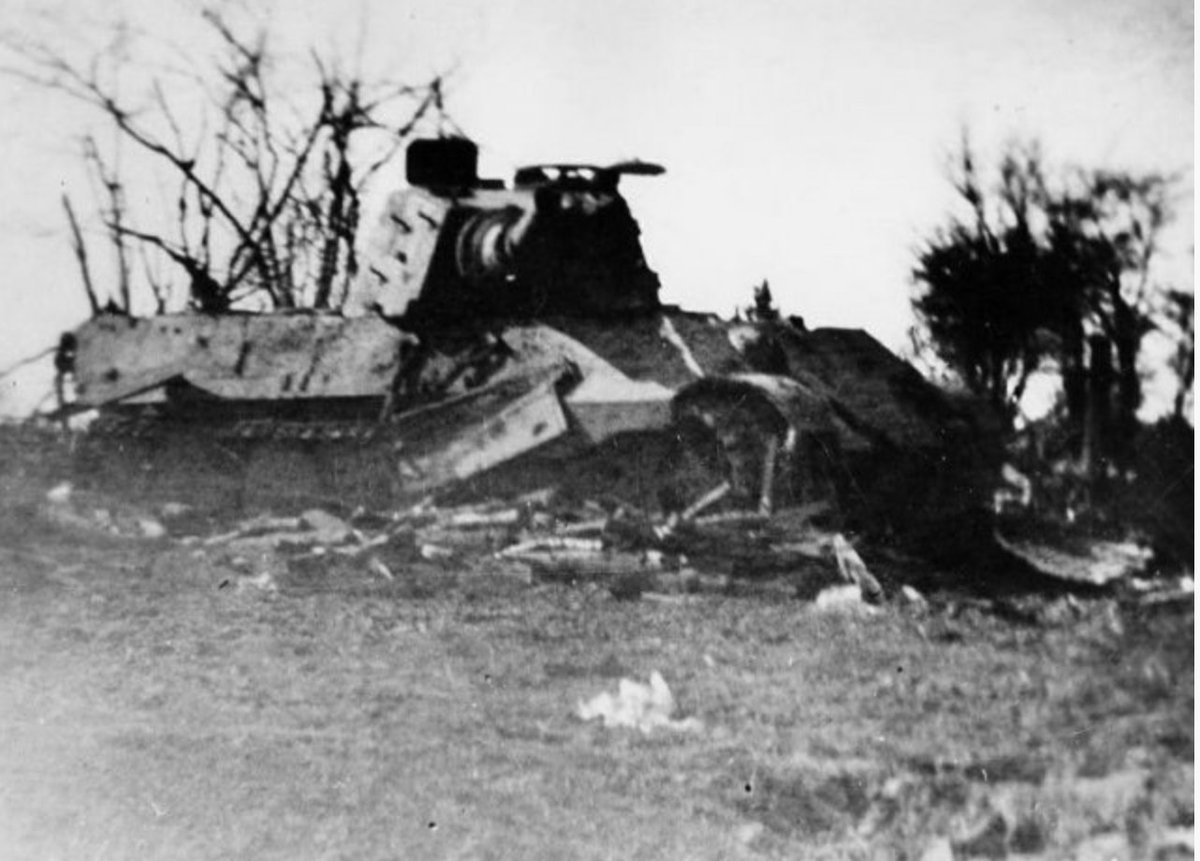
A group of 18,000 Paratroopers, including approximately 2,000 untrained replacement troops who had never seen combat, were facing 45,000 fighters from the Fifth Panzer Army’s XLVII Panzer Corps with the newest Tiger tanks.
5 of 23:
The Paratroopers were led by an acting commander.
They were low on ammunition, and their medical detachment was destroyed earlier that morning.
The Tiger tanks severed the last open road south out of Bastogne, completing a full encirclement of our boys.
6 of 23:
To any rational observer, Bastogne was lost.
7 of 23:
Shakespeare told us in “As You Like It" that misery makes some men beggars and other men kings.
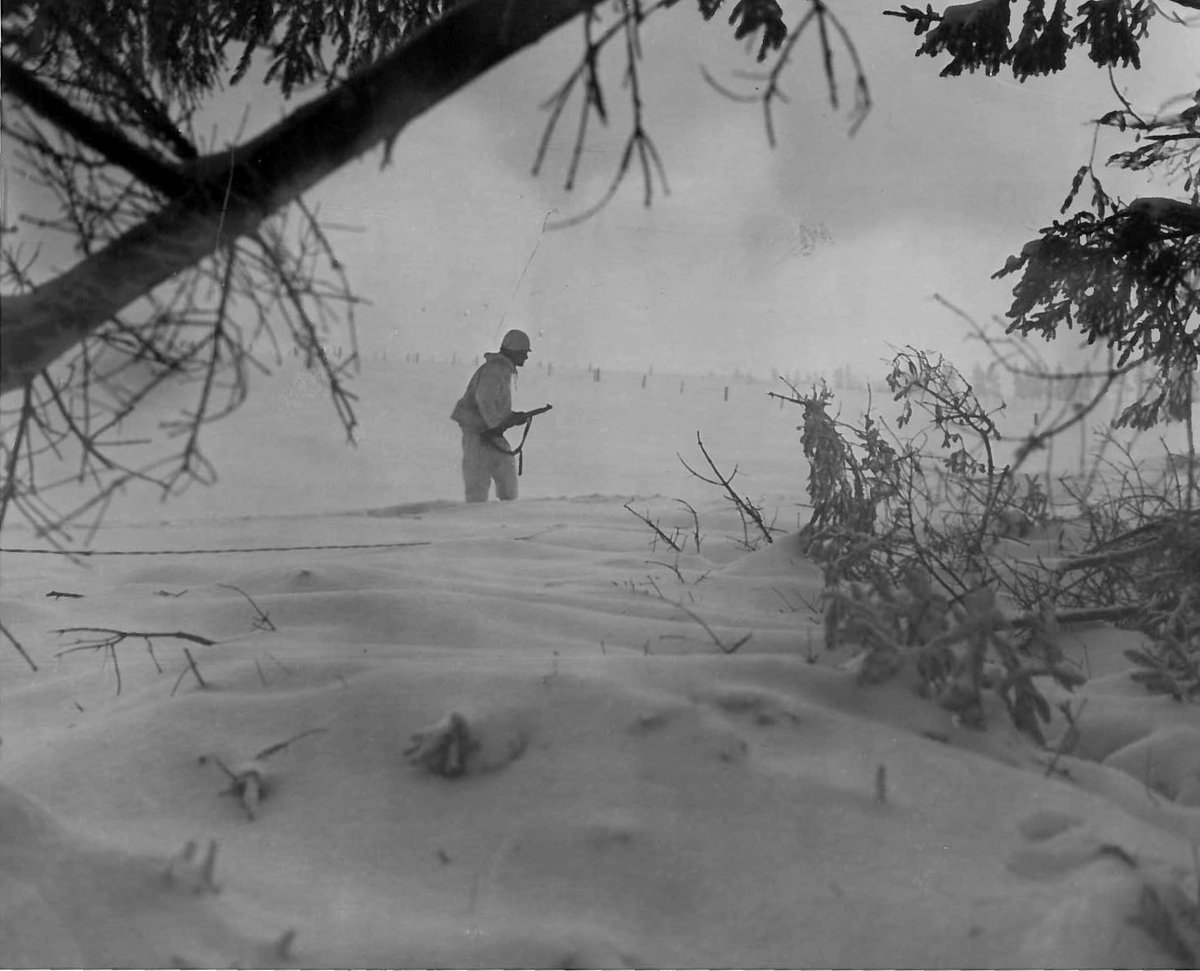
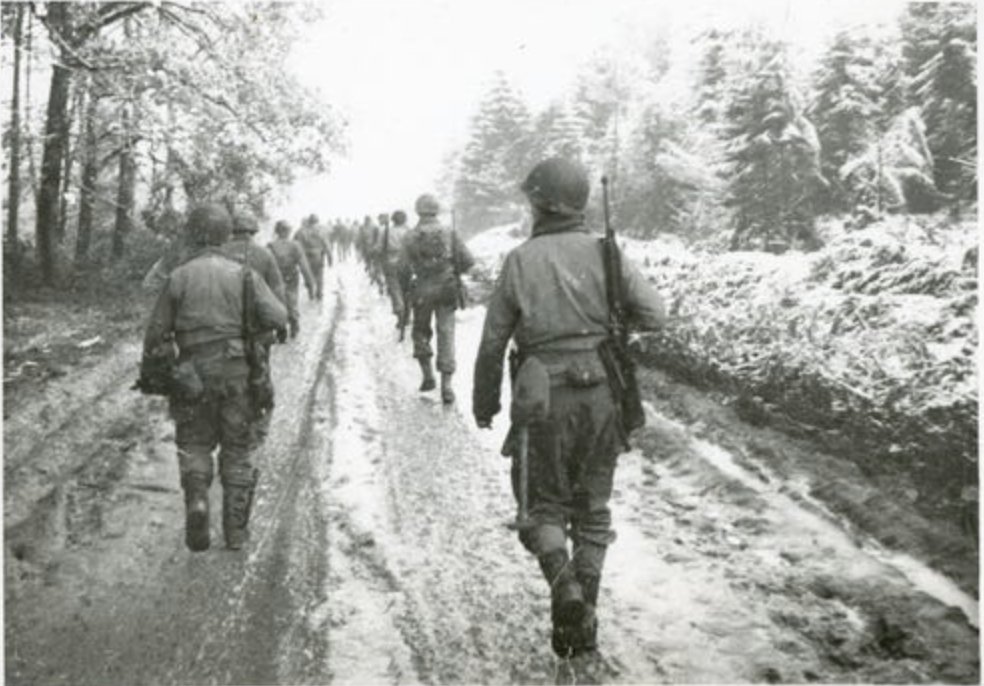
In this misery, in this incredible adversity, in a muddy, snow-dusted godforsaken Belgian town, the Paratroopers of the 101st Airborne Division emerged as kings.
8 of 23:
Around 11:30 AM: Two German officers with two German enlisted troops waving a white flag approached the 101st's Staff Sergeant Carl Dickinson, Technical Sergeant Oswald Butler, and medic Private First Class Ernest Premetz.
9 of 23:
One of the Germans, speaking English, told the Americans that he had a message for the commanding officer.
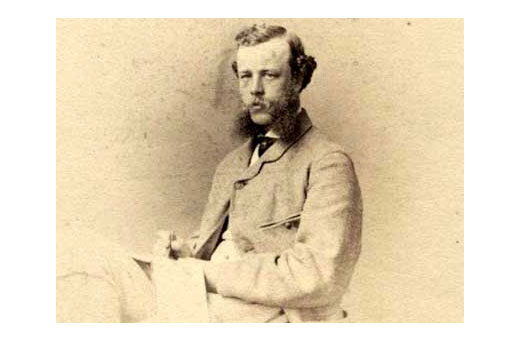
Carl Dickinson [pictured here] and Oswald Butler blindfolded the two officers and escorted them to their command post. Premetz remained with the two enlisted.
10 of 23:
The German officers were escorted to the command post of F Company, 327th Glider Infantry Regiment [a subordinate unit of the 101st Airborne].
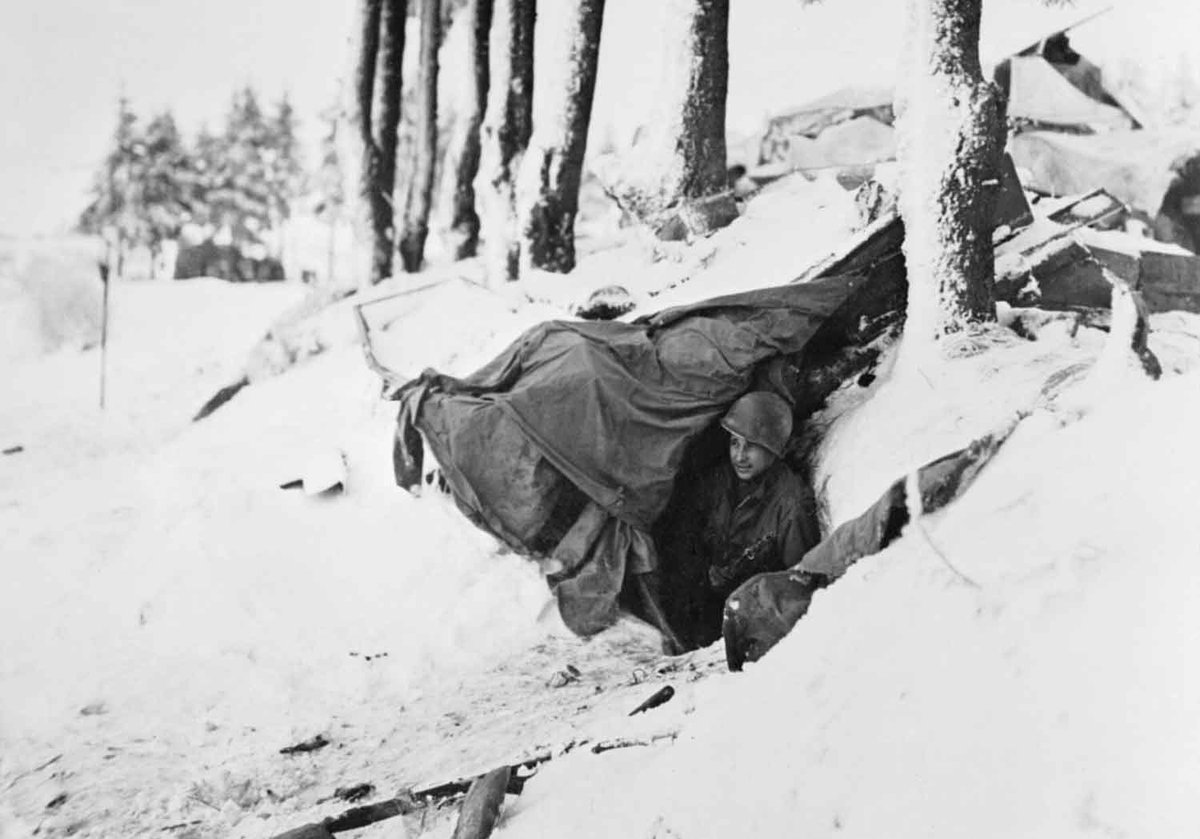
The command post was basically a large foxhole located in a wooded area about a quarter-mile away
11 of 23:
At the command post, the German officers met the F Company Commander, Captain James Adams. The Germans handed Captain Adams this letter.
12 of 23:
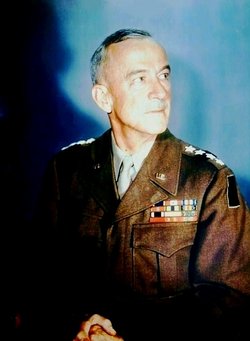
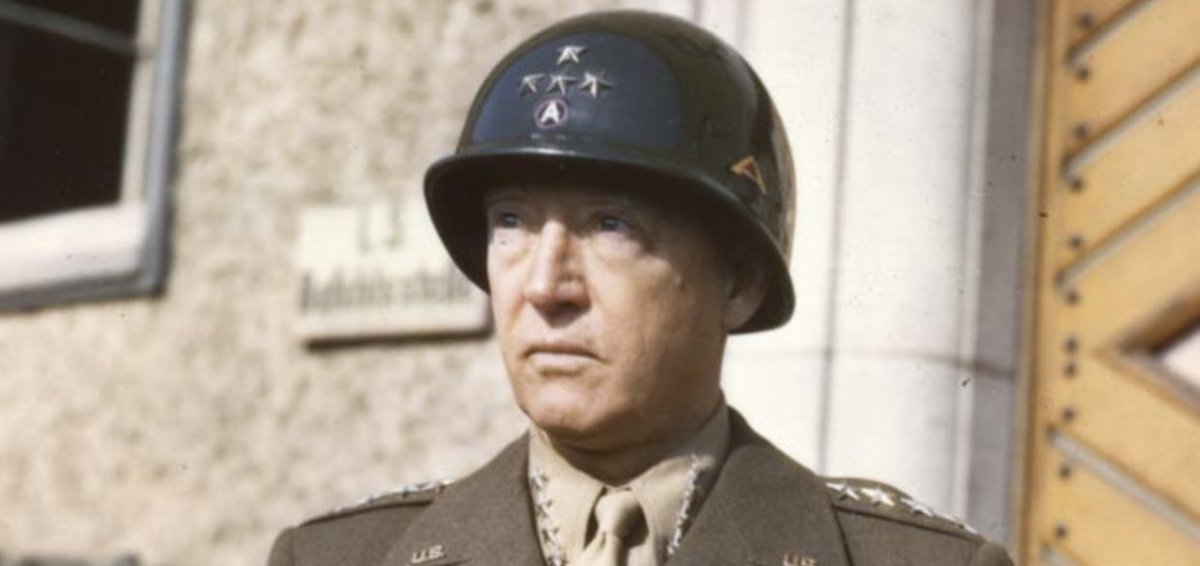
The letter, signed by this man, Heinrich Freiherr von Lüttwitz, commander of the XLVII Panzer Corps, offered the 101st a dignified exit from an impossible situation. The Americans had two hours to surrender, or the German tanks would close in and kill everyone.
13 of 23:
Leaving the blindfolded German officers with his troops, Captain Adams set off to find General McAuliffe, the acting 101st Airborne Division commander.
It took 50 minutes for the note to reach McAuliffe.
By that time, the general had 70 minutes to surrender.
14 of 23:
It took him about 9 seconds to make a decision. “Nuts!” he said. (In 1940’s America “Nuts” was an expression of anger, akin to “Go to hell!").
15 of 23:
McAuliffe wrote that an 8-word answer on the bottom of the German note and directed that it be delivered back to the German officers.
He wrote 8 words: To the German Commander. Nuts!
-The American Commander
16 of 23:
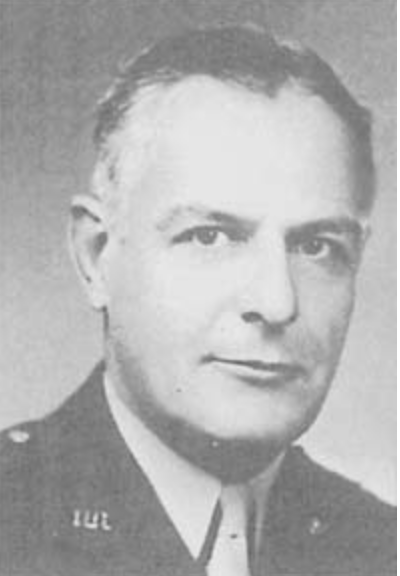
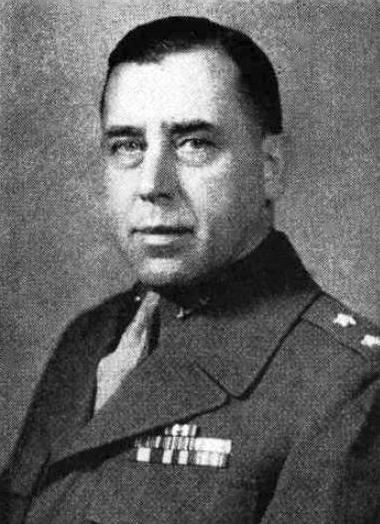
This man, Colonel Joseph Harper, the commander of the 327th Glider Regiment, carried the note back to the German officers and removed their blindfolds.
17 of 23:
The German officers did not understand McAuliffe's note. They thought it may have been the start of some kind of surrender negotiation
18 of 23:
Colonel Harper explained that they were mistaken; “Nuts!” meant that the Americans were absolutely not going to surrender.
19 of 23:
The Germans were stunned. “We will kill many Americans. We will close in on you."
“Be on your way,” Harper politely told them to depart.
20 of 23:
Everything described above is accurate. This account is confirmed by four first-hand reports (to include one written by one of the German officers) in original source documents on file at the Army Heritage Center in Carlisle, Pennsylvania.
21 of 23:
This exchange would grow to become one of the most legendary stories in American military history.
22 of 23:
Due to this story, Tony McAuliffe has become a global symbol of the grit and pride of the 101st Airborne Division.
Pictured here is the general's bust in Place McAuliffe, a square near the center of Bastogne named in Tony’s honor.
FINAL
For the next five days, inspired by their gritty commander, the men of the 101st Airborne Division would fight like lions.