1 OF 15:

BATTLE OF THE BULGE DAY 3: DECEMBER 18, 1944

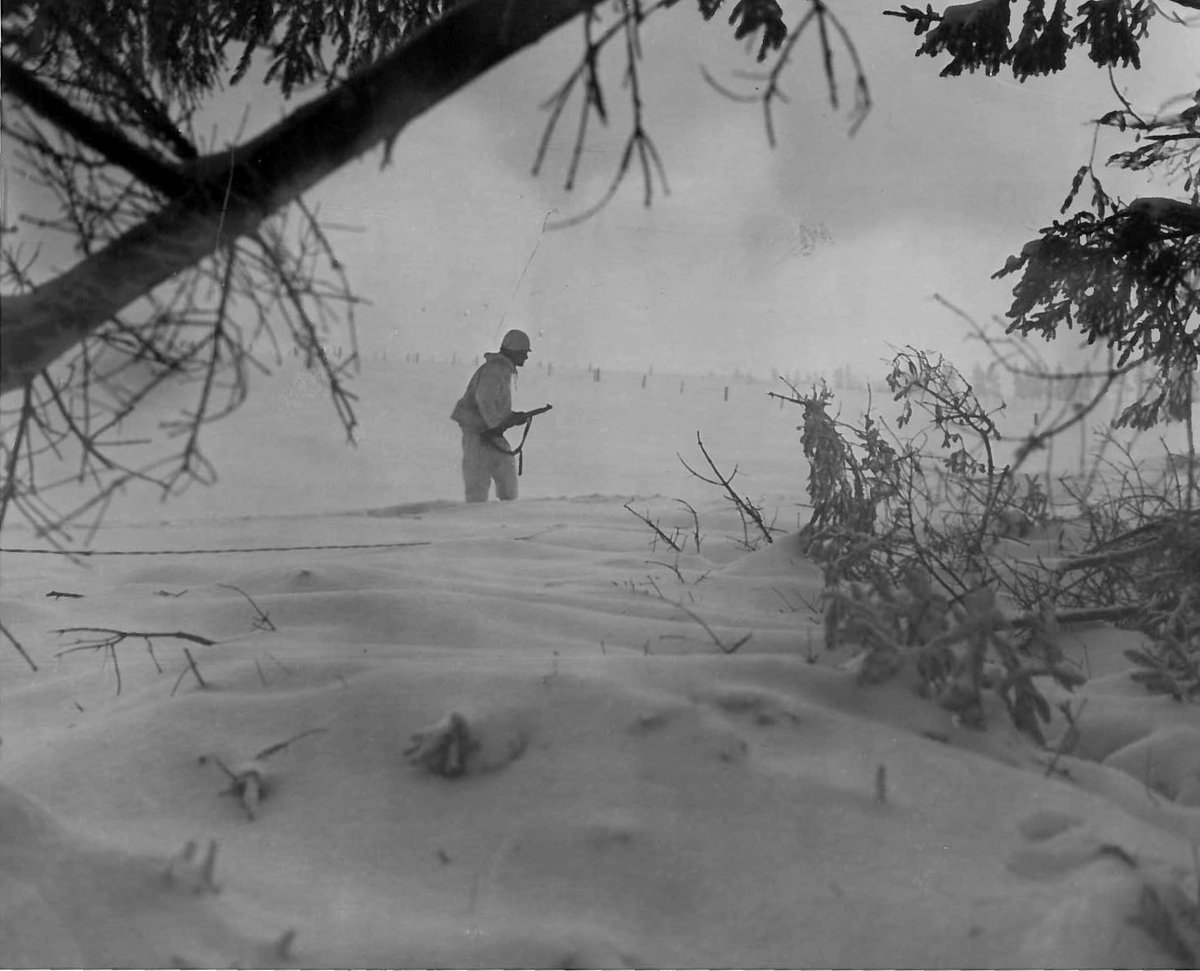
Battling Bastards of Bastogne

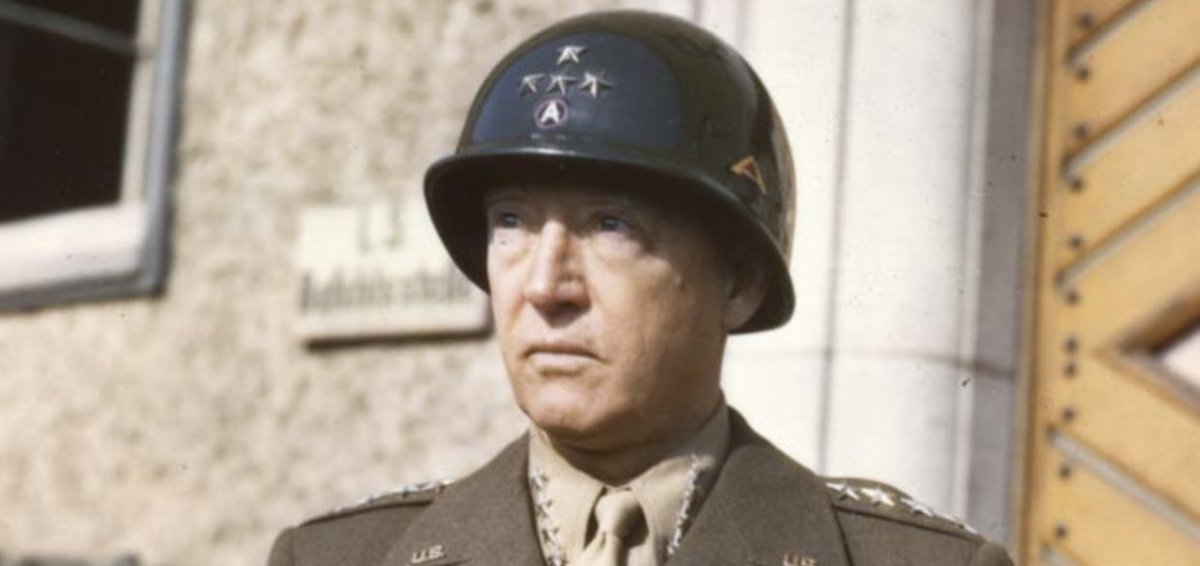
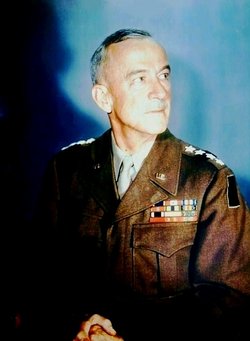
~2:15 AM, Major General Matthew Ridgway, unaware of the fighting in Ardennes, and sleeping in his HQ, is awakened by a call from Lieutenant General Courtney Hodges, commander of First Army.

2 of 15:

Hodges, calling from the town of Spa in Belgium, tells Ridgway that the Germans are smashing through the Ardennes & the XVIII Airborne Corps had been released from theater reserve and assigned to First Army to help push back the offensive.
3 of 15:

Until just recently, with the creation of the 18th Airborne Corps, there was no traditional "reserve" in the European Theater. Now, the 18th was the reserve.
4 of 15:

Ridgway sends the 101st and 82nd into the teeth of the ferocious German attack.

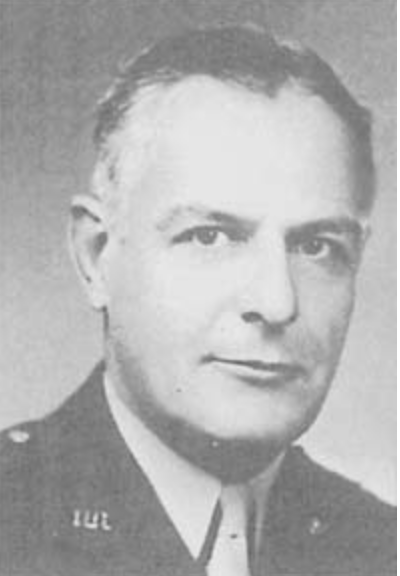
Here’s Jim Gavin, 82nd commander, who would push east to Werbomont, Belgium.

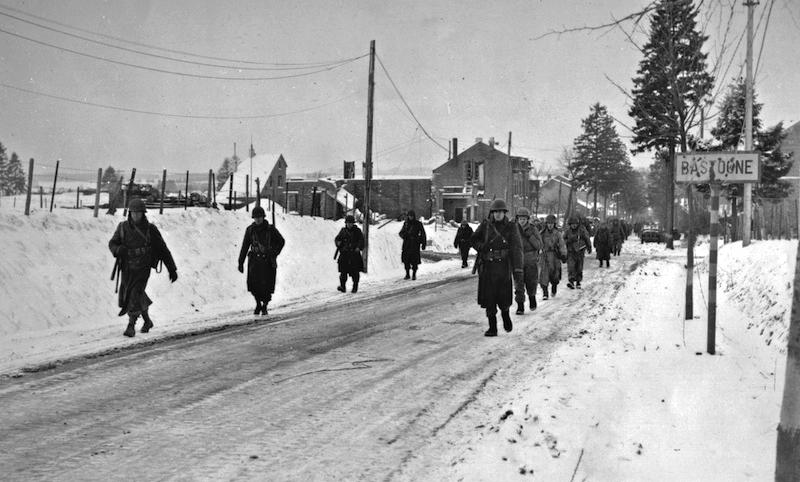
The 101st would drive into the wood chipper outside of Bastogne, Belgium.
5 of 15:

The 101st, in particular, was in no shape to go back into the fight.
6 of 15:

Several hundred paratroopers from the Screaming Eagles were in field hospitals for treatment of wounds suffered in Operation Market Garden at the time the call came in. These paratroopers could not go back out to the fight.
7 of 15:

So, the 101st was already at a manpower deficit.

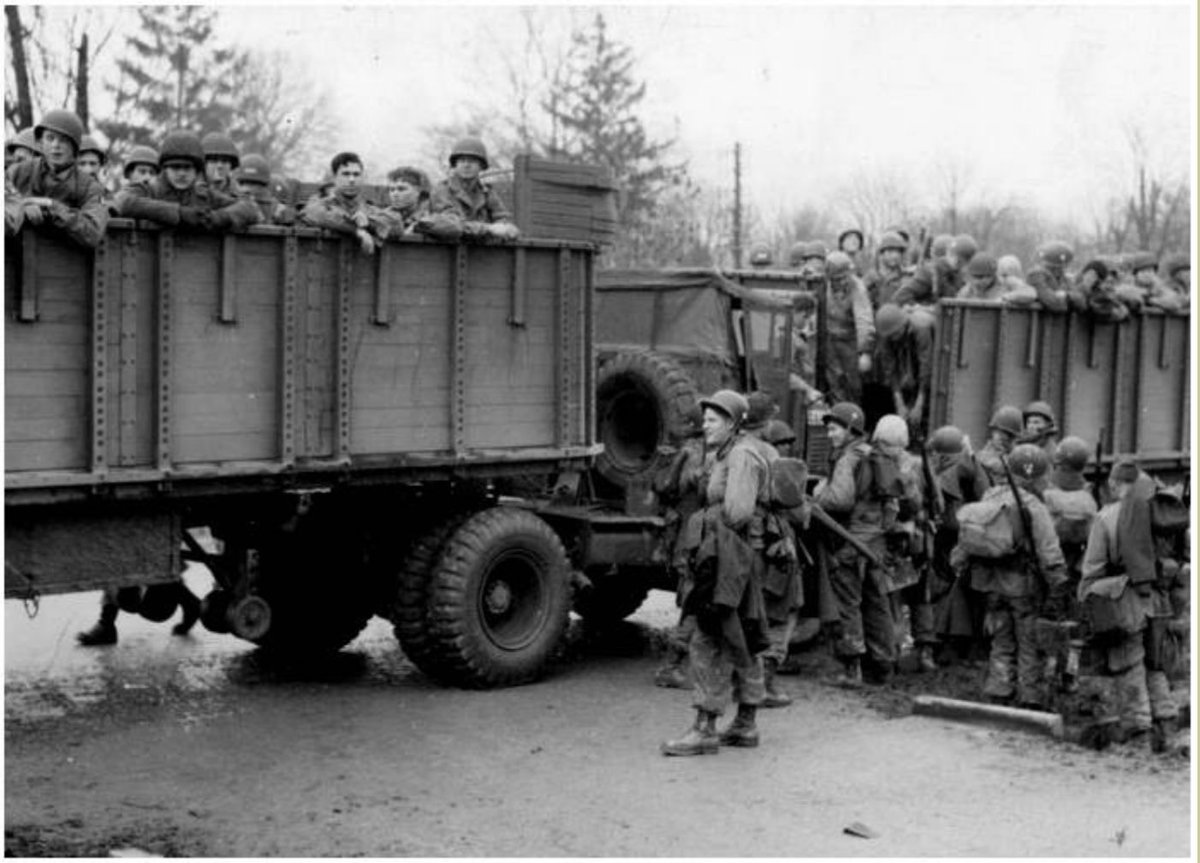
Platoon sergeants walked through the troop barracks, they gave no instructions other than “You ain’t reserve no more, get in the trucks.” They had no additional information to provide.
8 of 15:

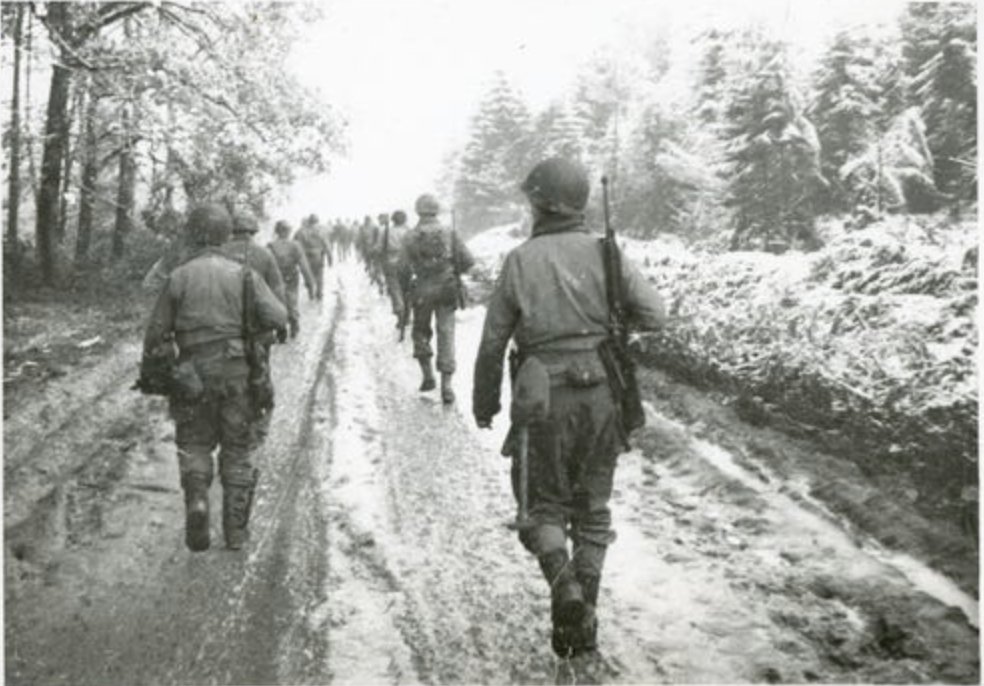
About a thousand of the men of the 101st who piled into trucks to drive more than 100 miles to get into the fight were “replacement troopers.” These men received only a week of field training in France.
9 of 15:

They then were moved over to the 101st to replace the Paratroopers killed in Operation Market Garden. Many of these new paratroopers had no helmets or rifles.

So, the 101st also had a training deficit.
10 of 15:

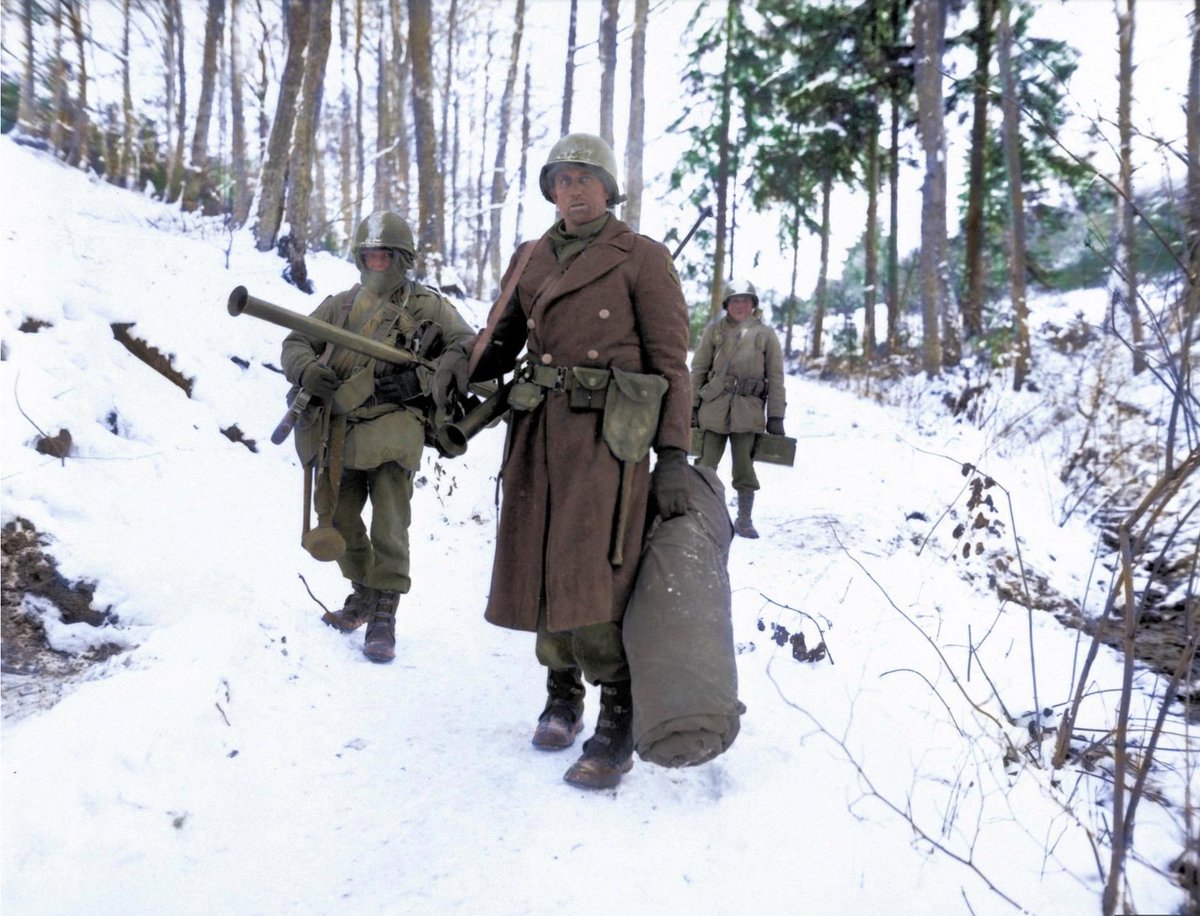
Many of the 101st Paratroopers had never received cold weather equipment. They were about to get tossed into a numbing sub-zero glacial blast without the right gear.
11 of 15:

As the men approached Bastogne, they could hear ferocious artillery fire and knew they were going to be in a hell of a fight.
12 of 15:

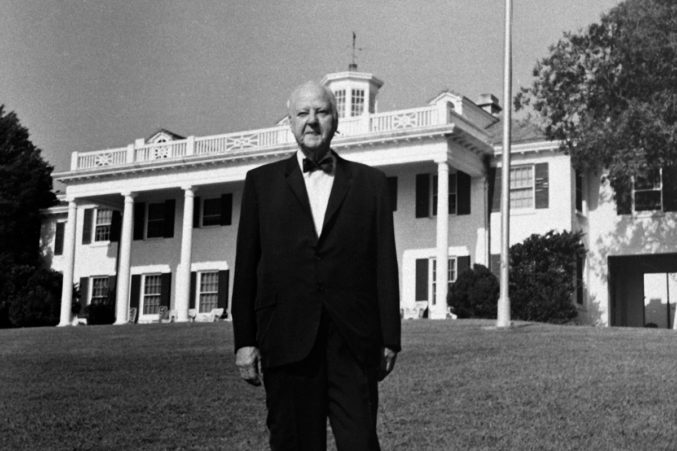
Their commander, Maxwell Taylor, was in DC at a staff conference (hell of a time to go TDY). All the better, the men didn't like Taylor...he wasn't a Soldier's leader and he didn't live and fight with the boys.

The men LOVED the acting commander, Tony McAuliffe.
13 of 15:

Upon arrival in Bastogne at the end of the day on December 18th, General McAuliffe placed his headquarters in the Hotel de Commerce. As he watched the men disembark the trucks, McAuliffe knew he was in trouble.
14 of 15:

He was an acting commander leading outnumbered ill-equipped replacement troops fighting the best-trained, best-resourced Panzer forces in the Germany Army.
FINAL:

McAuliffe knew that if they could win against these odds, the 101st Airborne Division, newly formed for this war, would become legendary.

More from XVIII Airborne Corps🐉

More from History

You May Also Like

MDZS is laden with buddhist references. As a South Asian person, and history buff, it is so interesting to see how Buddhism, which originated from India, migrated, flourished & changed in the context of China. Here's some research (🙏🏼 @starkjeon for CN insight + citations)

1. LWJ’s sword Bichen ‘is likely an abbreviation for the term 躲避红尘 (duǒ bì hóng chén), which can be translated as such: 躲避: shunning or hiding away from 红尘 (worldly affairs; which is a buddhist teaching.) (
https://t.co/zF65W3roJe) (abbrev. TWX)

2. Sandu (三 毒), Jiang Cheng’s sword, refers to the three poisons (triviṣa) in Buddhism; desire (kāma-taṇhā), delusion (bhava-taṇhā) and hatred (vibhava-taṇhā).

These 3 poisons represent the roots of craving (tanha) and are the cause of Dukkha (suffering, pain) and thus result in rebirth.

Interesting that MXTX used this name for one of the characters who suffers, arguably, the worst of these three emotions.

3. The Qian kun purse “乾坤袋 (qián kūn dài) – can be called “Heaven and Earth” Pouch. In Buddhism, Maitreya (मैत्रेय) owns this to store items. It was believed that there was a mythical space inside the bag that could absorb the world.” (TWX)
"I lied about my basic beliefs in order to keep a prestigious job. Now that it will be zero-cost to me, I have a few things to say."


We know that elite institutions like the one Flier was in (partial) charge of rely on irrelevant status markers like private school education, whiteness, legacy, and ability to charm an old white guy at an interview.

Harvard's discriminatory policies are becoming increasingly well known, across the political spectrum (see, e.g., the recent lawsuit on discrimination against East Asian applications.)

It's refreshing to hear a senior administrator admits to personally opposing policies that attempt to remedy these basic flaws. These are flaws that harm his institution's ability to do cutting-edge research and to serve the public.

Harvard is being eclipsed by institutions that have different ideas about how to run a 21st Century institution. Stanford, for one; the UC system; the "public Ivys".