
Delusional. And no way to run a country. Far higher barriers to trade with the EU from Friday. And still subject to EU influence on our laws. To deny this is also to deny the ability to tackle the problems we will face.
Today I voted for the Treaty with the EU. However, this is not the end. There are outstanding issues which must be addressed and there must be greater Parliamentary scrutiny of the deal. One day is simply not long enough. pic.twitter.com/tVuKwtZH7A
— David Davis (@DavidDavisMP) December 30, 2020
I cannot vote for this deal, which this Government will use to drive down rights and protections, and step up the sell-off of our vital public services.
— Jeremy Corbyn (@jeremycorbyn) December 30, 2020
We need instead to break with failed race-to-the-bottom policies and build a Britain that puts people before private profit.
More from David Henig
Not the easiest to follow, but for those interested in the big picture of trade relations between US, EU and China this exchange between @alanbeattie and @IanaDreyer is an essential read. Real debate on key issues, and good points on both sides.
Also reading this from @gideonrachman on EU-China. My view (cynically?) - that EU-China is a deal that makes a lot of sense given a probably unresolvable trade policy superpower triangle with the US, and best for the EU to move while China will.
The US and EU roughly agree on China that it should do some things differently, but not really the details of what those are. Meanwhile the EU and US have long standing trade policy differences, which neither (or their key stakeholders) prioritise resolving.
For the EU, the China deal has sent a message to the new US administration, you can't just tell us what to do. And delivered some (probably marginal in reality) benefits to business. For China, this is the 3rd deal with EU or US in 12 months. Pretty clear strategy there.
The key assumption that lies at the heart of too much writing on EU-US relations is that the two should cooperate on trade. After 25 years of largely failing to do so, I'd suggest we might want to question that a bit more deeply.
V good points but overall I stick with the conclusion that this is a v risky deal.
— Alan Beattie (@alanbeattie) January 5, 2021
1. It\u2019s overstating it to say that COM now has final say over investment. FDI screening remains a MS competency. COM has had to take a v secondary supporting role over Huawei and 5G.
1/n https://t.co/RVg2jnoFgK
Also reading this from @gideonrachman on EU-China. My view (cynically?) - that EU-China is a deal that makes a lot of sense given a probably unresolvable trade policy superpower triangle with the US, and best for the EU to move while China will.
The US and EU roughly agree on China that it should do some things differently, but not really the details of what those are. Meanwhile the EU and US have long standing trade policy differences, which neither (or their key stakeholders) prioritise resolving.
For the EU, the China deal has sent a message to the new US administration, you can't just tell us what to do. And delivered some (probably marginal in reality) benefits to business. For China, this is the 3rd deal with EU or US in 12 months. Pretty clear strategy there.
The key assumption that lies at the heart of too much writing on EU-US relations is that the two should cooperate on trade. After 25 years of largely failing to do so, I'd suggest we might want to question that a bit more deeply.
Going to have to disagree with my learned friend here. If anyone moved on level playing field it was the UK, on the principle of a ratchet, or tariffs for divergence which was still being denied midweek. Changing the way in this might be achieved (many options) is insignificant.
It is the same "I move in principle you move in detail" shift we saw with the Northern Ireland protocol last year, when no PM could accept a border between GB and NI suddenly did, just as recently no PM would accept tariffs for divergence and seems to have done.
So, are we at deal yet? No, and it remains far from certain, but better than the gloom of Saturday. I still think the PM wants his ideal where everyone is happy, still hopes if only he can speak to Macron and Merkel he could get it, still to decide.
And even if there is a deal it is now too late for either business to adjust to it, or the EU to ratify it according to normal procedure. In both cases you'd think we'd need an extension, but there is a big shrug on this whole question. Nobody knows.
And so, yet again on Brexit, we wait. In particular, those who actually do the trade, the businesses we rely on, are forced to wait for a formal outcome while preparing as best they can. Let's see what happens.
Fish was never a deal breaker. Level playing field was
— Mujtaba Rahman (@Mij_Europe) December 14, 2020
But LPF now more likely to come together after @EU_Commission move (on trade test for unlocking remedial measures & scope of arbitration over remedial measures)
If it does, expect deal on \U0001f420\U0001f421 too
It is the same "I move in principle you move in detail" shift we saw with the Northern Ireland protocol last year, when no PM could accept a border between GB and NI suddenly did, just as recently no PM would accept tariffs for divergence and seems to have done.
So, are we at deal yet? No, and it remains far from certain, but better than the gloom of Saturday. I still think the PM wants his ideal where everyone is happy, still hopes if only he can speak to Macron and Merkel he could get it, still to decide.
Second, I still maintain that Johnson has not made a decision here. Some days he leans towards Deal, sometimes towards No Deal
— Jon Worth (@jonworth) December 14, 2020
He has been stuck for weeks, and still is. He\u2019d ideally just not decide *anything*
And even if there is a deal it is now too late for either business to adjust to it, or the EU to ratify it according to normal procedure. In both cases you'd think we'd need an extension, but there is a big shrug on this whole question. Nobody knows.
And so, yet again on Brexit, we wait. In particular, those who actually do the trade, the businesses we rely on, are forced to wait for a formal outcome while preparing as best they can. Let's see what happens.
More from Government





You May Also Like

So friends here is the thread on the recommended pathway for new entrants in the stock market.
Here I will share what I believe are essentials for anybody who is interested in stock markets and the resources to learn them, its from my experience and by no means exhaustive..
First the very basic : The Dow theory, Everybody must have basic understanding of it and must learn to observe High Highs, Higher Lows, Lower Highs and Lowers lows on charts and their
Even those who are more inclined towards fundamental side can also benefit from Dow theory, as it can hint start & end of Bull/Bear runs thereby indication entry and exits.
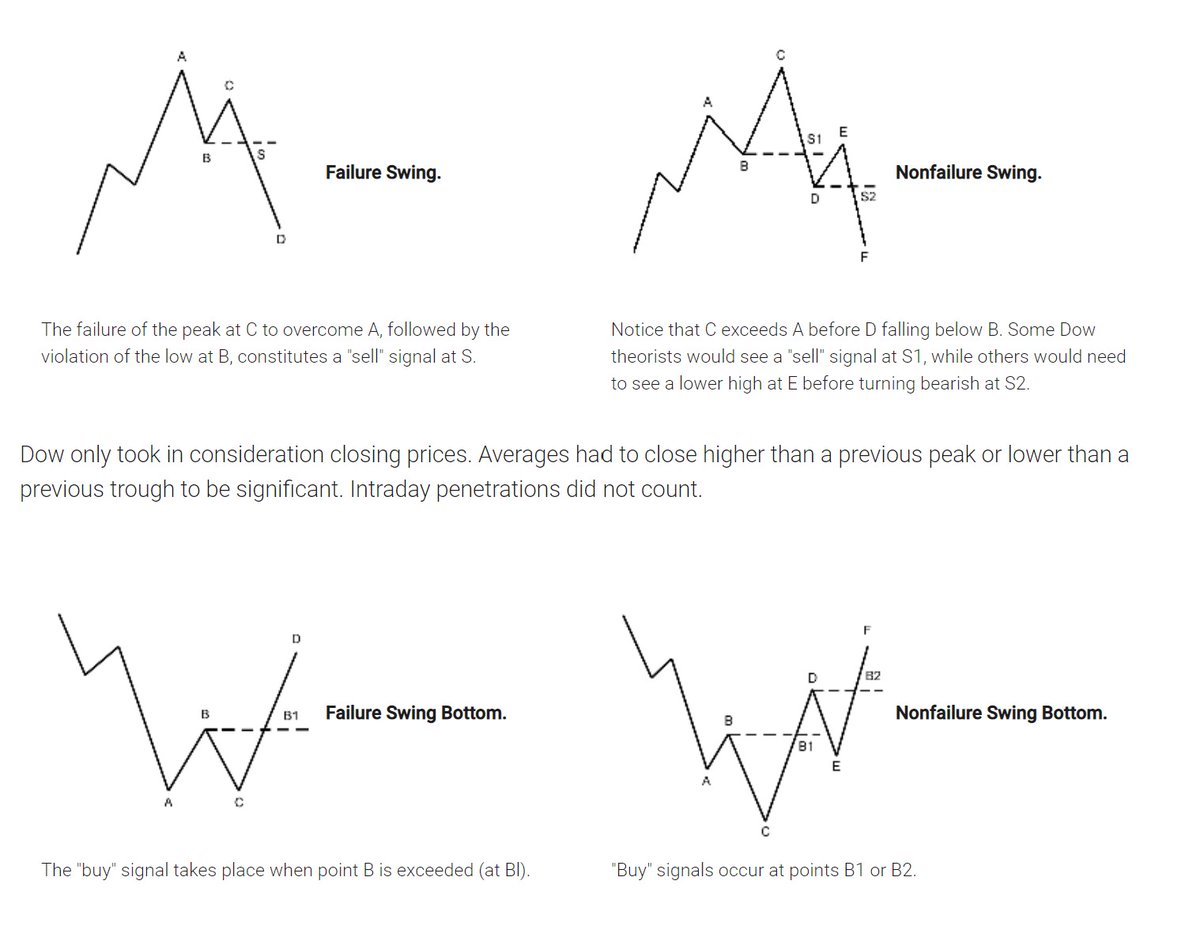
Next basic is Wyckoff's Theory. It tells how accumulation and distribution happens with regularity and how the market actually
Dow theory is old but
Here I will share what I believe are essentials for anybody who is interested in stock markets and the resources to learn them, its from my experience and by no means exhaustive..
First the very basic : The Dow theory, Everybody must have basic understanding of it and must learn to observe High Highs, Higher Lows, Lower Highs and Lowers lows on charts and their
Even those who are more inclined towards fundamental side can also benefit from Dow theory, as it can hint start & end of Bull/Bear runs thereby indication entry and exits.
Next basic is Wyckoff's Theory. It tells how accumulation and distribution happens with regularity and how the market actually
Dow theory is old but
Old is Gold....
— Professor (@DillikiBiili) January 23, 2020
this Bharti Airtel chart is a true copy of the Wyckoff Pattern propounded in 1931....... pic.twitter.com/tQ1PNebq7d





fascinated by this man, mario cortellucci, and his outsized influence on ontario and GTA politics. cortellucci, who lives in vaughan and ran as a far-right candidate for the italian senate back in 2018 - is a major ford donor...
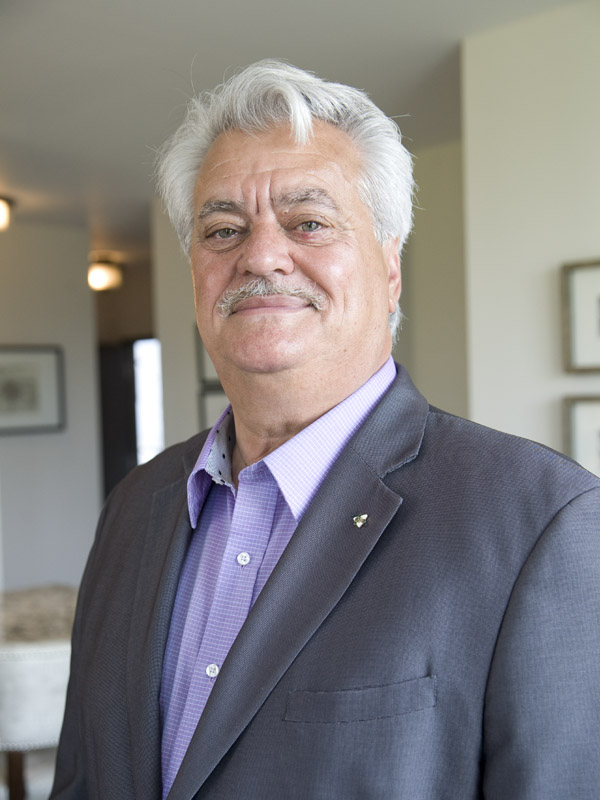
his name might sound familiar because the new cortellucci vaughan hospital at mackenzie health, the one doug ford has been touting lately as a covid-centric facility, is named after him and his family
but his name also pops up in a LOT of other ford projects. for instance - he controls the long term lease on big parts of toronto's portlands... where doug ford once proposed building an nfl stadium and monorail... https://t.co/weOMJ51bVF
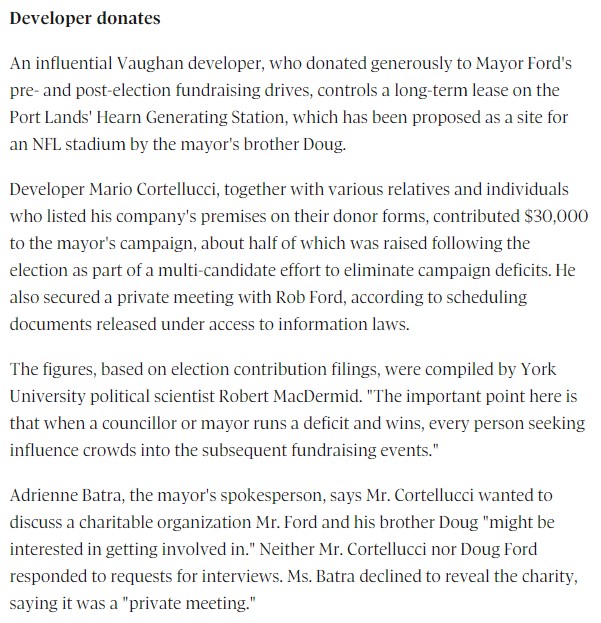
cortellucci, who is a developer, also owns a large chunk of the greenbelt. doug ford's desire to develop the greenbelt has been
and late last year he rolled back the mandate of conservation authorities there, prompting the resignations of several members of the greenbelt advisory
his name might sound familiar because the new cortellucci vaughan hospital at mackenzie health, the one doug ford has been touting lately as a covid-centric facility, is named after him and his family
but his name also pops up in a LOT of other ford projects. for instance - he controls the long term lease on big parts of toronto's portlands... where doug ford once proposed building an nfl stadium and monorail... https://t.co/weOMJ51bVF
cortellucci, who is a developer, also owns a large chunk of the greenbelt. doug ford's desire to develop the greenbelt has been
and late last year he rolled back the mandate of conservation authorities there, prompting the resignations of several members of the greenbelt advisory
