
🩸FIBONACCI retracement and GOLDEN RATIO - PART 2
Before we move forward, kindly like and retweet if you find our content is adding something to your knowledge.

Drawing Fibonacci retracemnts are fairly simple. The main point we look into is, If the direction of retracment is up or down side.
✅ If the trend is up, choose lower point and a higher point. Connect lower point with higher point using Fibo tool.
✅Take lower point as point from where the trend has started, which means one should not take points where consolidation was going on.
The choice of points is debatable. There is no fixed method. But above mentioned technique works and has a fair probability of success.
✅0.618
✅0.5
In an up trending stock, If stock starts consolidating and reversing from 0.618 of retracement, we term it as bullish sign and trend is going to be continued towards new high.
🎯Time frame can be daily and weekly charts


LIKE and RETWEET if you found the knowledge is worth sharing.
More from The Chartians




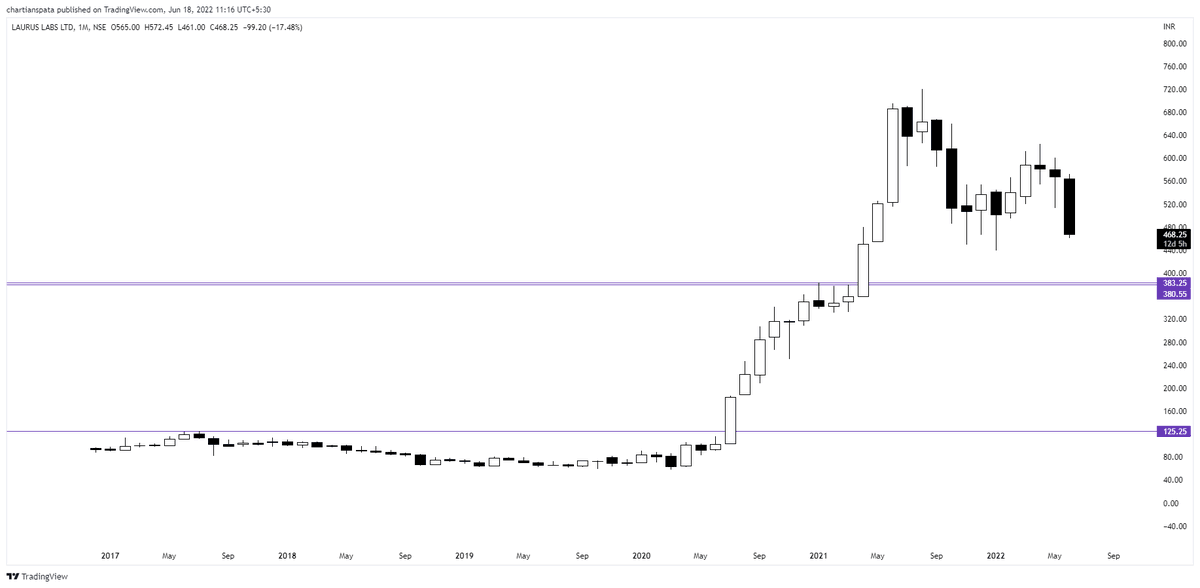
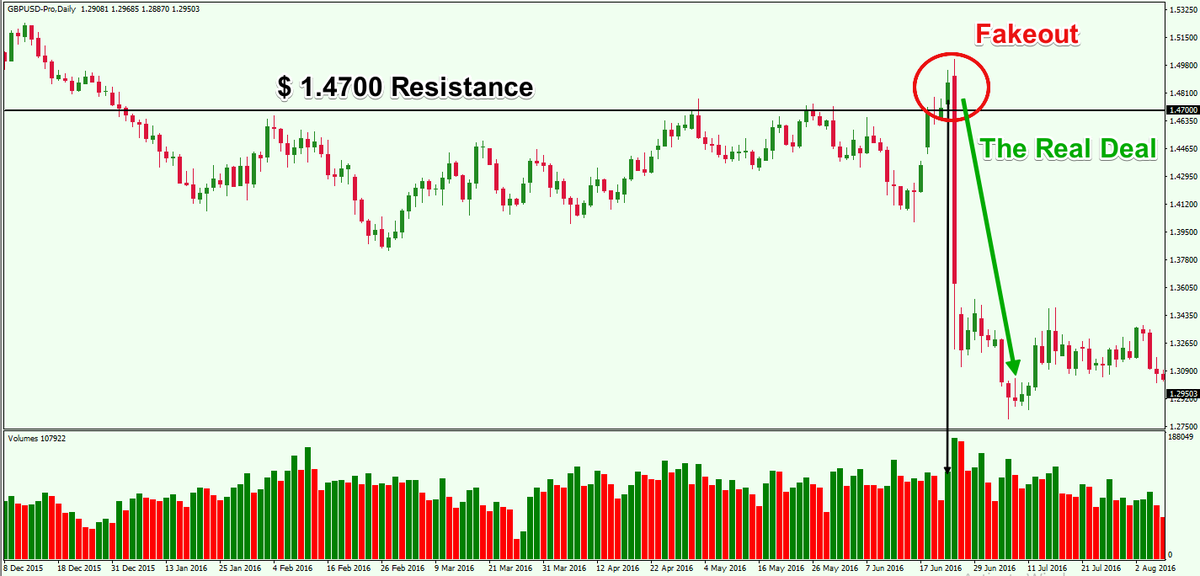
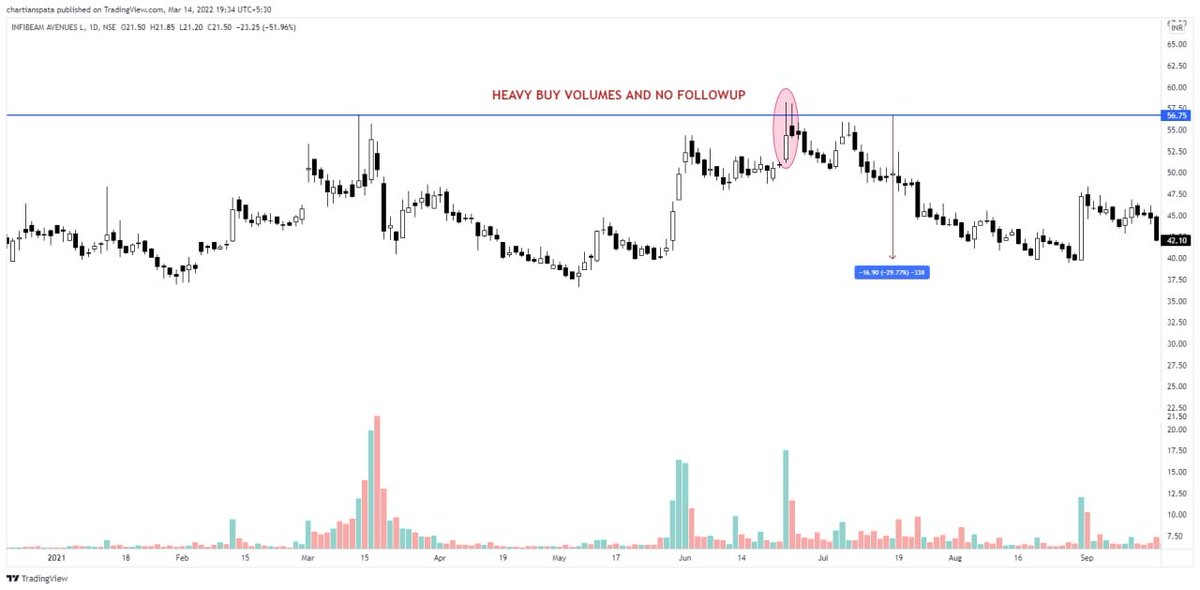
More from Fibonacci


1.
Start fibo retracement from swing high, not the other way around. Simply 0 point should b where retracement started
2.
The base should b chosen as major swing low. Can't just pick a random point
Start fibo retracement from swing high, not the other way around. Simply 0 point should b where retracement started
2.
The base should b chosen as major swing low. Can't just pick a random point
Similar views (shared Yesterday) Aneesh Bhai\U0001f447https://t.co/UxJZFdWJxh
— Bharat Sahni (@NiveshakBharat) September 29, 2021

You May Also Like







"I really want to break into Product Management"
make products.
"If only someone would tell me how I can get a startup to notice me."
Make Products.
"I guess it's impossible and I'll never break into the industry."
MAKE PRODUCTS.
Courtesy of @edbrisson's wonderful thread on breaking into comics – https://t.co/TgNblNSCBj – here is why the same applies to Product Management, too.
There is no better way of learning the craft of product, or proving your potential to employers, than just doing it.
You do not need anybody's permission. We don't have diplomas, nor doctorates. We can barely agree on a single standard of what a Product Manager is supposed to do.
But – there is at least one blindingly obvious industry consensus – a Product Manager makes Products.
And they don't need to be kept at the exact right temperature, given endless resource, or carefully protected in order to do this.
They find their own way.
make products.
"If only someone would tell me how I can get a startup to notice me."
Make Products.
"I guess it's impossible and I'll never break into the industry."
MAKE PRODUCTS.
Courtesy of @edbrisson's wonderful thread on breaking into comics – https://t.co/TgNblNSCBj – here is why the same applies to Product Management, too.
"I really want to break into comics"
— Ed Brisson (@edbrisson) December 4, 2018
make comics.
"If only someone would tell me how I can get an editor to notice me."
Make Comics.
"I guess it's impossible and I'll never break into the industry."
MAKE COMICS.
There is no better way of learning the craft of product, or proving your potential to employers, than just doing it.
You do not need anybody's permission. We don't have diplomas, nor doctorates. We can barely agree on a single standard of what a Product Manager is supposed to do.
But – there is at least one blindingly obvious industry consensus – a Product Manager makes Products.
And they don't need to be kept at the exact right temperature, given endless resource, or carefully protected in order to do this.
They find their own way.