Here is a list of Philosophy of Economics courses offered at different universities and their syllabi. These are the ones I could find via Google Search. If you are teaching PhilEcon and your syllabus is available online, please reply to this thread with its link. Thank you.

More from Economy

1. "ThE gReAt rEplAcEMeNt iS A cOnSpiRaCy tHEorY" https://t.co/BXdtcNxrVf

2. "ThE gReAt rEplAcEMeNt iS A cOnSpiRaCy tHEorY"

3. "ThE gReAt rEplAcEMeNt iS A cOnSpiRaCy tHEorY"

4. "ThE gReAt rEplAcEMeNt iS A cOnSpiRaCy tHEorY"
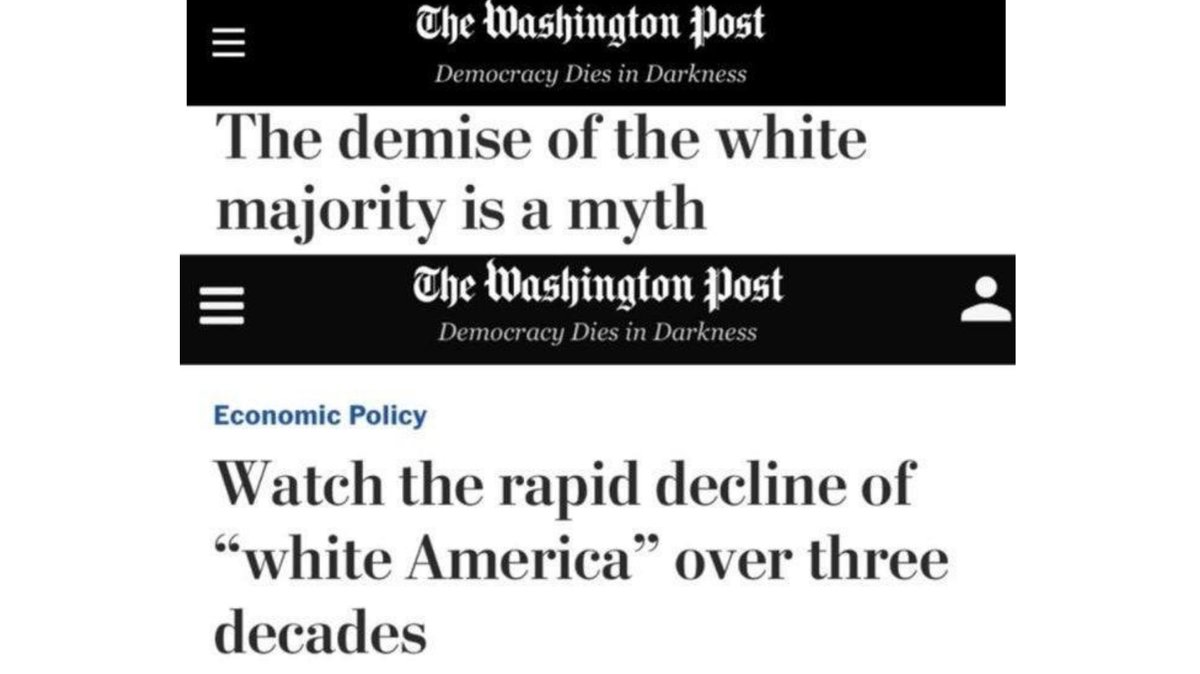
5. "ThE gReAt rEplAcEMeNt iS A cOnSpiRaCy tHEorY"
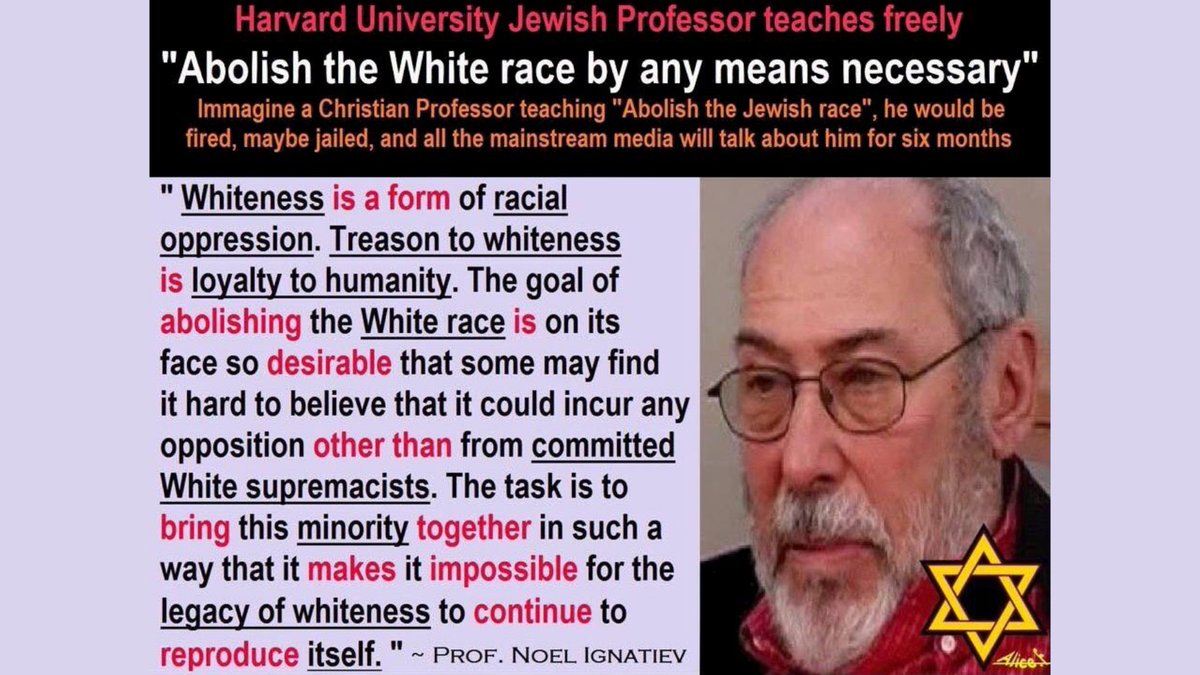
The great replacement isn't a conspiracy theory, it is the inevitable outcome of non-stop immigration of populations whom do not wish to assimilate and have way higher birth rates than the native population... It's purely a mathematical reality.
— Angelo John Gage (@AngeloJohnGage) December 30, 2020
2. "ThE gReAt rEplAcEMeNt iS A cOnSpiRaCy tHEorY"
3. "ThE gReAt rEplAcEMeNt iS A cOnSpiRaCy tHEorY"
4. "ThE gReAt rEplAcEMeNt iS A cOnSpiRaCy tHEorY"
5. "ThE gReAt rEplAcEMeNt iS A cOnSpiRaCy tHEorY"


You May Also Like







I'm going to do two history threads on Ethiopia, one on its ancient history, one on its modern story (1800 to today). 🇪🇹
I'll begin with the ancient history ... and it goes way back. Because modern humans - and before that, the ancestors of humans - almost certainly originated in Ethiopia. 🇪🇹 (sub-thread):
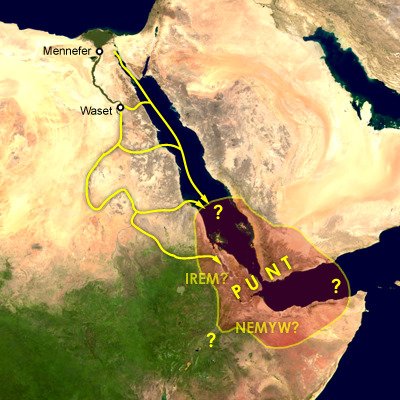
The first likely historical reference to Ethiopia is ancient Egyptian records of trade expeditions to the "Land of Punt" in search of gold, ebony, ivory, incense, and wild animals, starting in c 2500 BC 🇪🇹
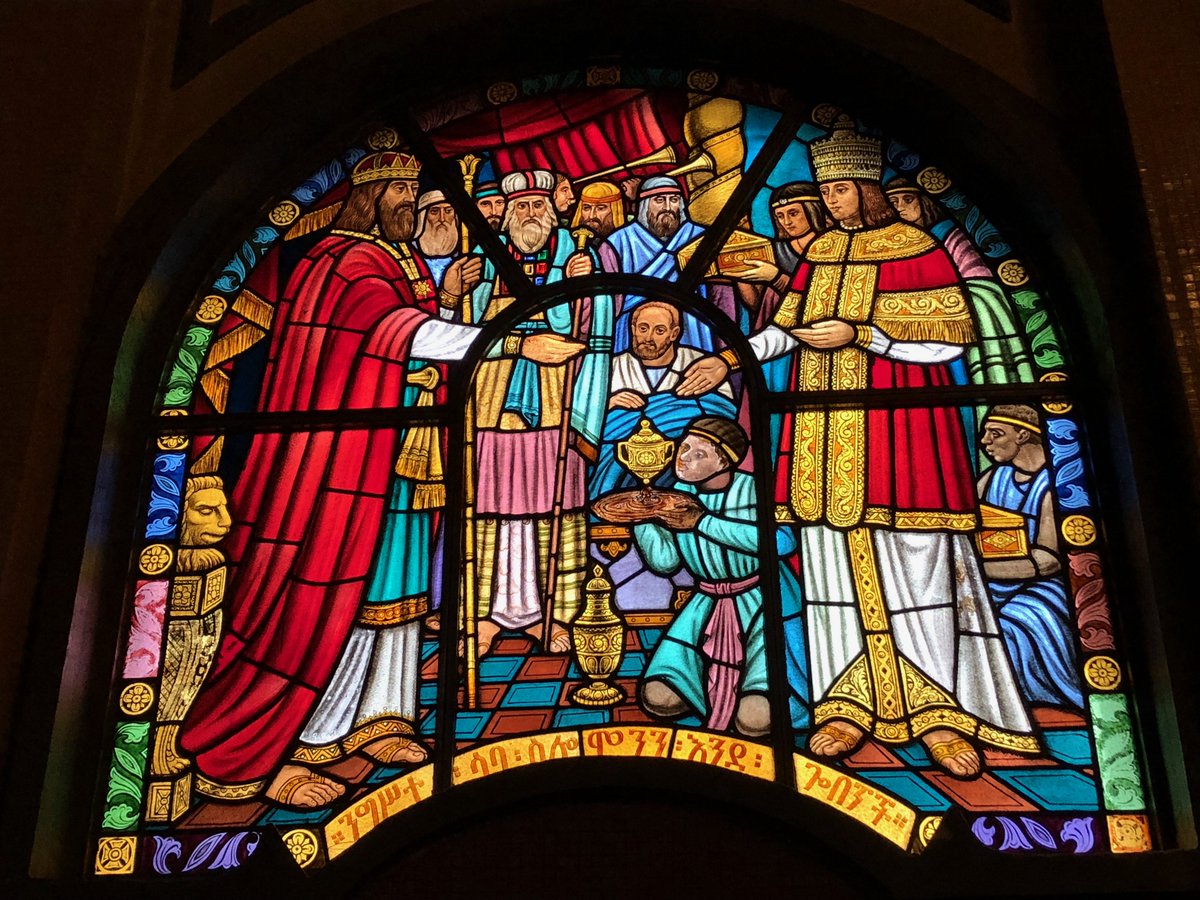
Ethiopians themselves believe that the Queen of Sheba, who visited Israel's King Solomon in the Bible (c 950 BC), came from Ethiopia (not Yemen, as others believe). Here she is meeting Solomon in a stain-glassed window in Addis Ababa's Holy Trinity Church. 🇪🇹
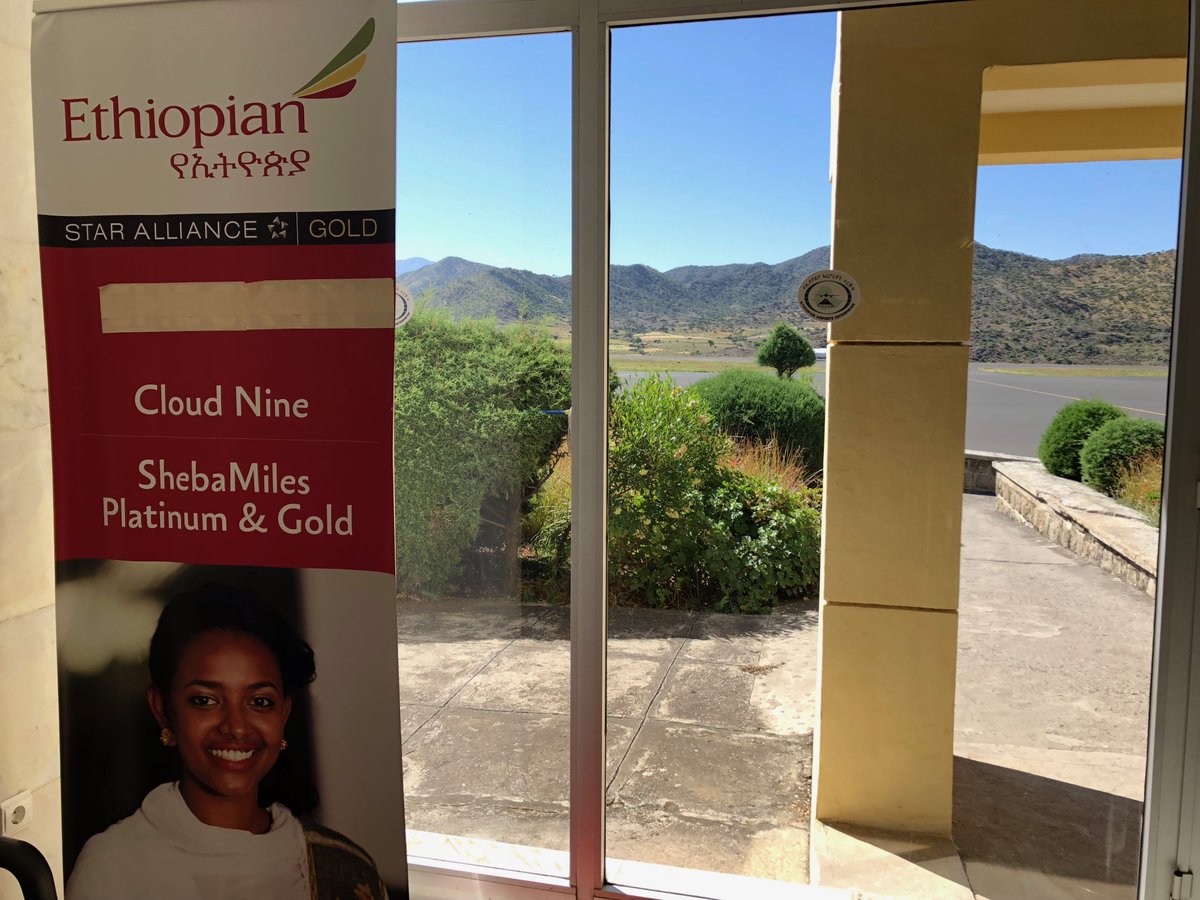
References to the Queen of Sheba are everywhere in Ethiopia. The national airline's frequent flier miles are even called "ShebaMiles". 🇪🇹
I'll begin with the ancient history ... and it goes way back. Because modern humans - and before that, the ancestors of humans - almost certainly originated in Ethiopia. 🇪🇹 (sub-thread):
The famous \u201cLucy\u201d, an early ancestor of modern humans (Australopithecus) that lived 3.2 million years ago, and was discovered in 1974 in Ethiopia, displayed in the national museum in Addis Ababa \U0001f1ea\U0001f1f9 pic.twitter.com/N3oWqk1SW2
— Patrick Chovanec (@prchovanec) November 9, 2018
The first likely historical reference to Ethiopia is ancient Egyptian records of trade expeditions to the "Land of Punt" in search of gold, ebony, ivory, incense, and wild animals, starting in c 2500 BC 🇪🇹
Ethiopians themselves believe that the Queen of Sheba, who visited Israel's King Solomon in the Bible (c 950 BC), came from Ethiopia (not Yemen, as others believe). Here she is meeting Solomon in a stain-glassed window in Addis Ababa's Holy Trinity Church. 🇪🇹
References to the Queen of Sheba are everywhere in Ethiopia. The national airline's frequent flier miles are even called "ShebaMiles". 🇪🇹