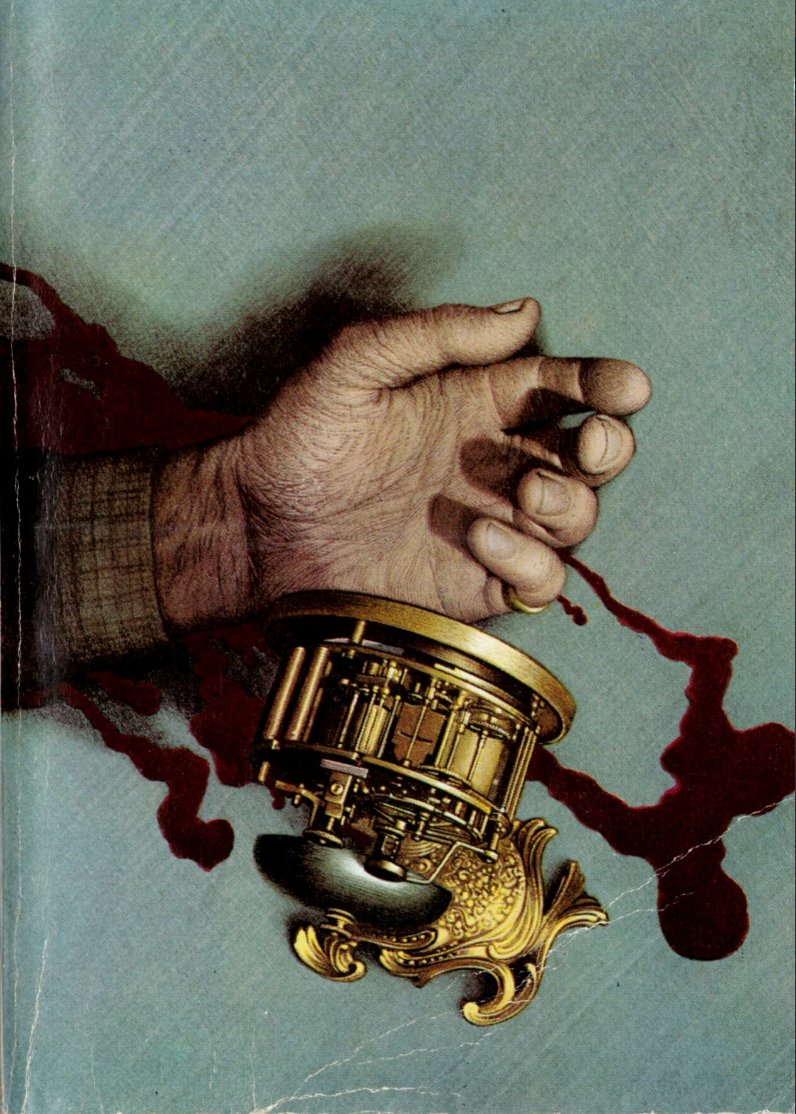
At it's #NewYearsEve we're going to end the year by playing the Agatha Christie game!
I'll show you the book cover artwork by Tom Adams, and you guess the Fontana edition Agatha Christie novel it's from.
Here's your first one...
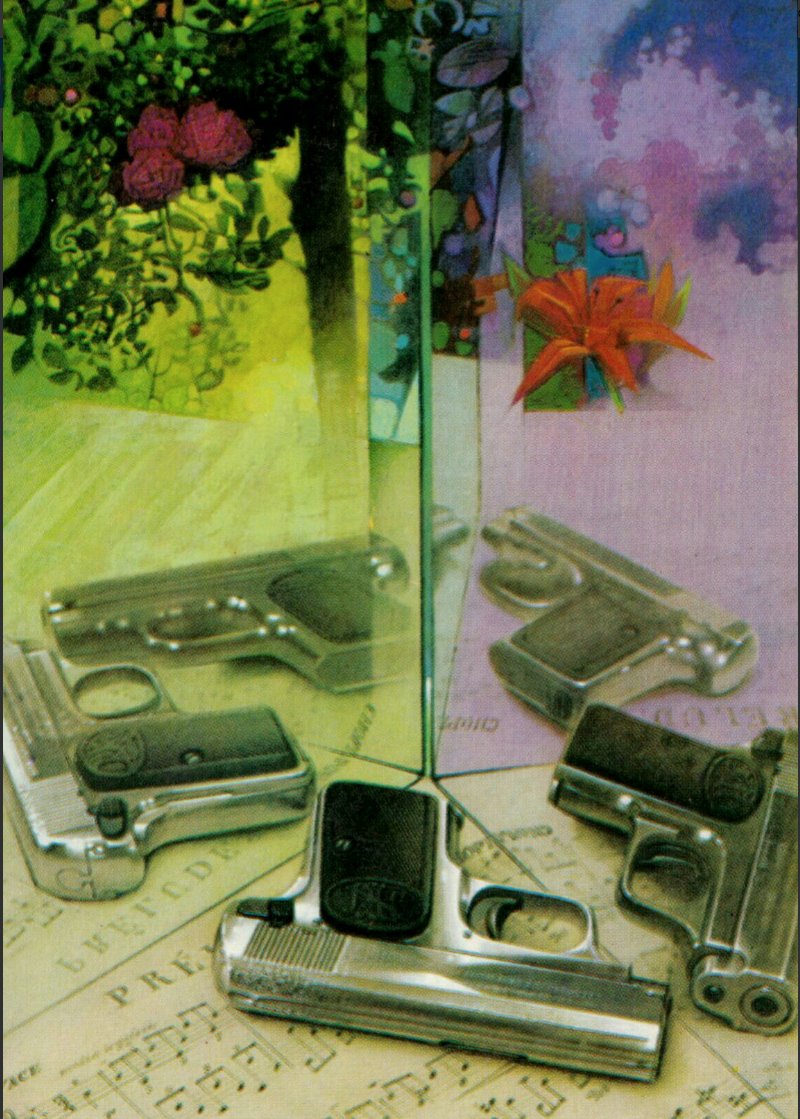

I'll post the answers in a bit, so get your guesses in now please!



More from Pulp Librarian















More from Culture

Great article from @AsheSchow. I lived thru the 'Satanic Panic' of the 1980's/early 1990's asking myself "Has eveyrbody lost their GODDAMN MINDS?!"
The 3 big things that made the 1980's/early 1990's surreal for me.
1) Satanic Panic - satanism in the day cares ahhhh!
2) "Repressed memory" syndrome
3) Facilitated Communication [FC]
All 3 led to massive abuse.
"Therapists" -and I use the term to describe these quacks loosely - would hypnotize people & convince they they were 'reliving' past memories of Mom & Dad killing babies in Satanic rituals in the basement while they were growing up.
Other 'therapists' would badger kids until they invented stories about watching alligators eat babies dropped into a lake from a hot air balloon. Kids would deny anything happened for hours until the therapist 'broke through' and 'found' the 'truth'.
FC was a movement that started with the claim severely handicapped individuals were able to 'type' legible sentences & communicate if a 'helper' guided their hands over a keyboard.
For three years I have wanted to write an article on moral panics. I have collected anecdotes and similarities between today\u2019s moral panic and those of the past - particularly the Satanic Panic of the 80s.
— Ashe Schow (@AsheSchow) September 29, 2018
This is my finished product: https://t.co/otcM1uuUDk
The 3 big things that made the 1980's/early 1990's surreal for me.
1) Satanic Panic - satanism in the day cares ahhhh!
2) "Repressed memory" syndrome
3) Facilitated Communication [FC]
All 3 led to massive abuse.
"Therapists" -and I use the term to describe these quacks loosely - would hypnotize people & convince they they were 'reliving' past memories of Mom & Dad killing babies in Satanic rituals in the basement while they were growing up.
Other 'therapists' would badger kids until they invented stories about watching alligators eat babies dropped into a lake from a hot air balloon. Kids would deny anything happened for hours until the therapist 'broke through' and 'found' the 'truth'.
FC was a movement that started with the claim severely handicapped individuals were able to 'type' legible sentences & communicate if a 'helper' guided their hands over a keyboard.




A thread of very good, wonderful, truly Super Bowls.
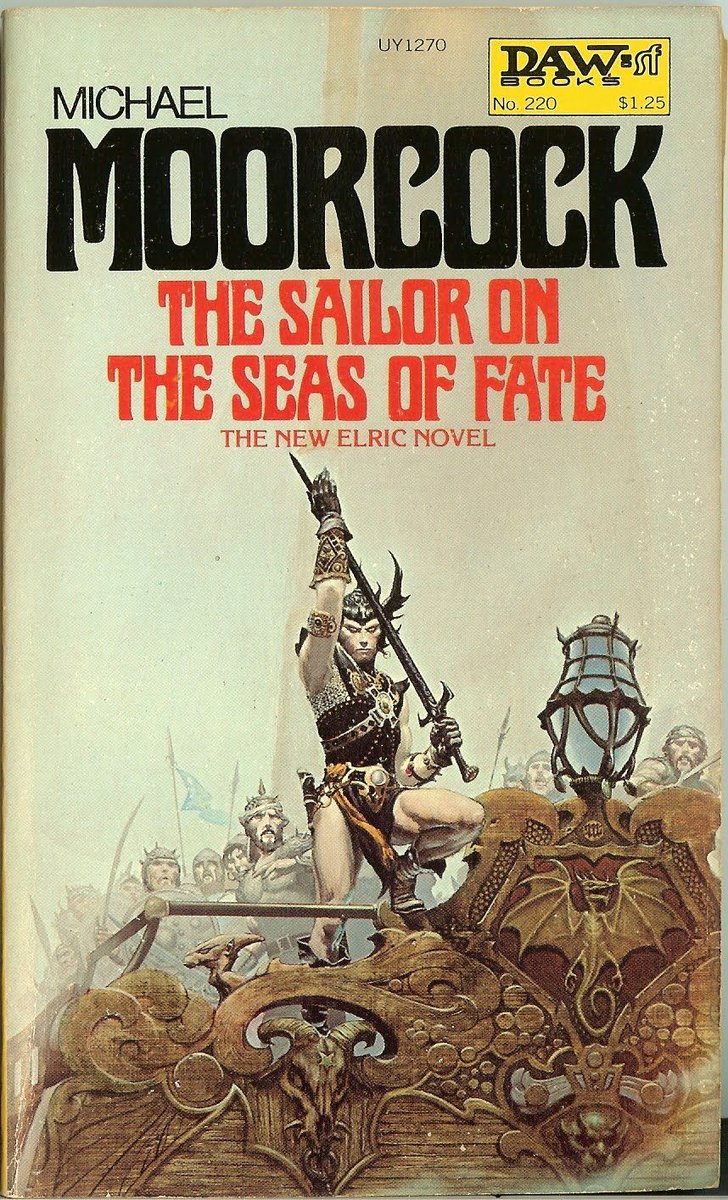
Translucent agate bowl with ornamental grooves and coffee-and-cream marbling. Found near Qift in southern Egypt. 300 - 1,000 BC. 📷 Getty Museum https://t.co/W1HfQZIG2V
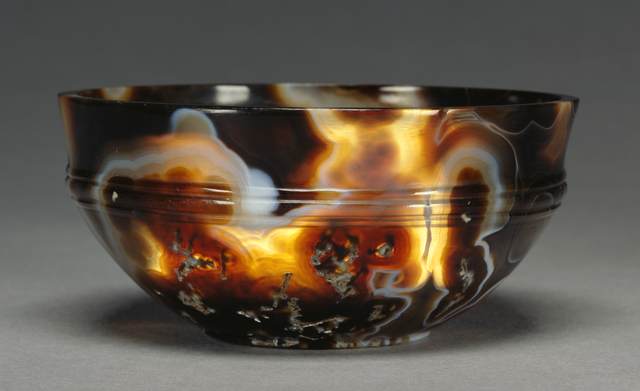
Technicolor dreambowl, found in a grave near Zadar on Croatia's Dalmatian Coast. Made by melding and winding thin bars of glass, each adulterated with different minerals to get different colors. 1st century AD. 📷 Zadar Museum of Ancient Glass https://t.co/H9VfNrXKQK
100,000-year-old abalone shells used to mix red ocher, marrow, charcoal, and water into a colorful paste. Possibly the oldest artist's palettes ever discovered. Blombos Cave, South Africa. 📷https://t.co/0fMeYlOsXG

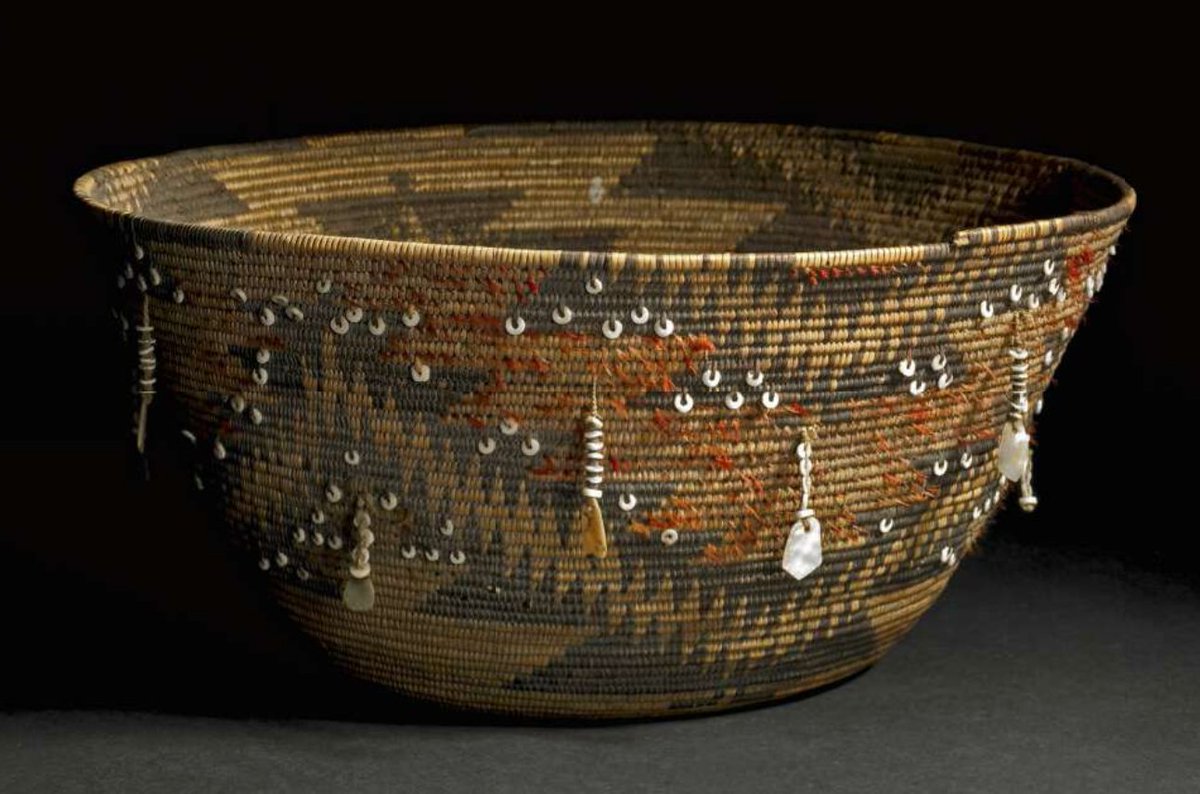
Reed basket bowl with shell and feather ornaments. Possibly from the Southern Pomo or Lake Miwok cultures. Found in Santa Barbara, CA, circa 1770. 📷 British Museum https://t.co/F4Ix0mXAu6
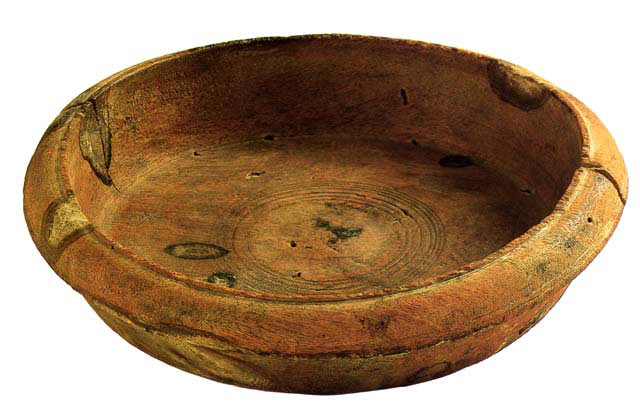
Wooden bowl with concentric circles and rounded rim, most likely made of umbrella thorn acacia (Vachellia/Acacia tortilis). Qumran. 1st Century BCE. 📷 https://t.co/XZCw67Ho03
Translucent agate bowl with ornamental grooves and coffee-and-cream marbling. Found near Qift in southern Egypt. 300 - 1,000 BC. 📷 Getty Museum https://t.co/W1HfQZIG2V
Technicolor dreambowl, found in a grave near Zadar on Croatia's Dalmatian Coast. Made by melding and winding thin bars of glass, each adulterated with different minerals to get different colors. 1st century AD. 📷 Zadar Museum of Ancient Glass https://t.co/H9VfNrXKQK
100,000-year-old abalone shells used to mix red ocher, marrow, charcoal, and water into a colorful paste. Possibly the oldest artist's palettes ever discovered. Blombos Cave, South Africa. 📷https://t.co/0fMeYlOsXG
Reed basket bowl with shell and feather ornaments. Possibly from the Southern Pomo or Lake Miwok cultures. Found in Santa Barbara, CA, circa 1770. 📷 British Museum https://t.co/F4Ix0mXAu6
Wooden bowl with concentric circles and rounded rim, most likely made of umbrella thorn acacia (Vachellia/Acacia tortilis). Qumran. 1st Century BCE. 📷 https://t.co/XZCw67Ho03
You May Also Like





A brief analysis and comparison of the CSS for Twitter's PWA vs Twitter's legacy desktop website. The difference is dramatic and I'll touch on some reasons why.
Legacy site *downloads* ~630 KB CSS per theme and writing direction.
6,769 rules
9,252 selectors
16.7k declarations
3,370 unique declarations
44 media queries
36 unique colors
50 unique background colors
46 unique font sizes
39 unique z-indices
https://t.co/qyl4Bt1i5x

PWA *incrementally generates* ~30 KB CSS that handles all themes and writing directions.
735 rules
740 selectors
757 declarations
730 unique declarations
0 media queries
11 unique colors
32 unique background colors
15 unique font sizes
7 unique z-indices
https://t.co/w7oNG5KUkJ

The legacy site's CSS is what happens when hundreds of people directly write CSS over many years. Specificity wars, redundancy, a house of cards that can't be fixed. The result is extremely inefficient and error-prone styling that punishes users and developers.
The PWA's CSS is generated on-demand by a JS framework that manages styles and outputs "atomic CSS". The framework can enforce strict constraints and perform optimisations, which is why the CSS is so much smaller and safer. Style conflicts and unbounded CSS growth are avoided.
Legacy site *downloads* ~630 KB CSS per theme and writing direction.
6,769 rules
9,252 selectors
16.7k declarations
3,370 unique declarations
44 media queries
36 unique colors
50 unique background colors
46 unique font sizes
39 unique z-indices
https://t.co/qyl4Bt1i5x
PWA *incrementally generates* ~30 KB CSS that handles all themes and writing directions.
735 rules
740 selectors
757 declarations
730 unique declarations
0 media queries
11 unique colors
32 unique background colors
15 unique font sizes
7 unique z-indices
https://t.co/w7oNG5KUkJ
The legacy site's CSS is what happens when hundreds of people directly write CSS over many years. Specificity wars, redundancy, a house of cards that can't be fixed. The result is extremely inefficient and error-prone styling that punishes users and developers.
The PWA's CSS is generated on-demand by a JS framework that manages styles and outputs "atomic CSS". The framework can enforce strict constraints and perform optimisations, which is why the CSS is so much smaller and safer. Style conflicts and unbounded CSS growth are avoided.