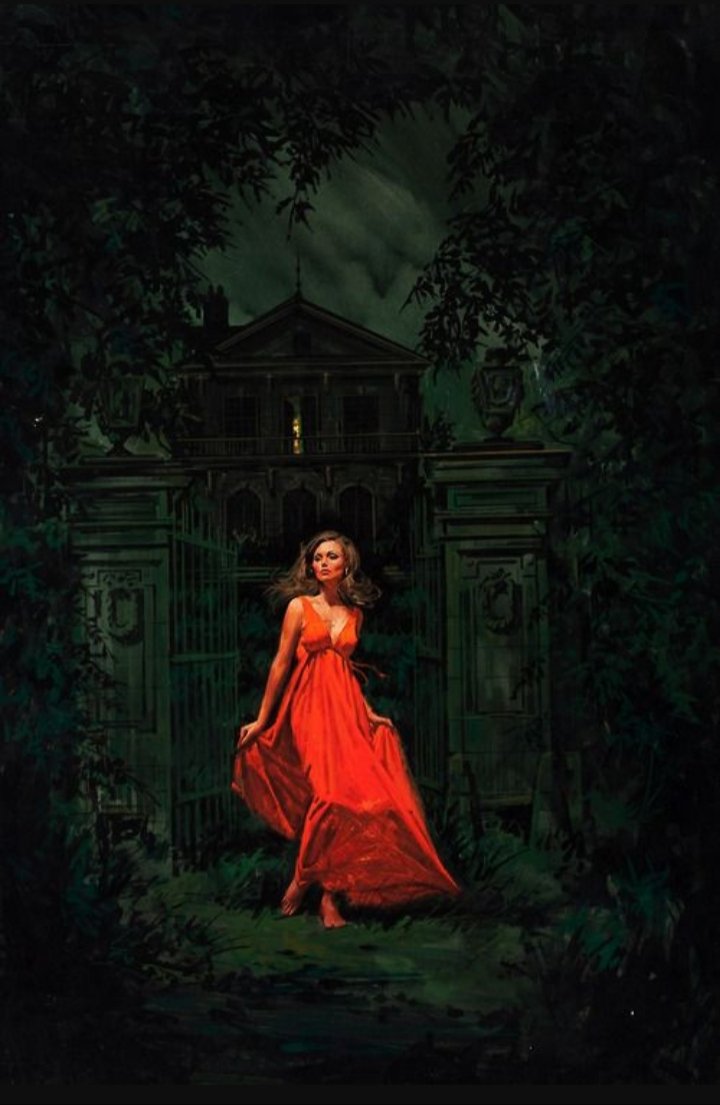
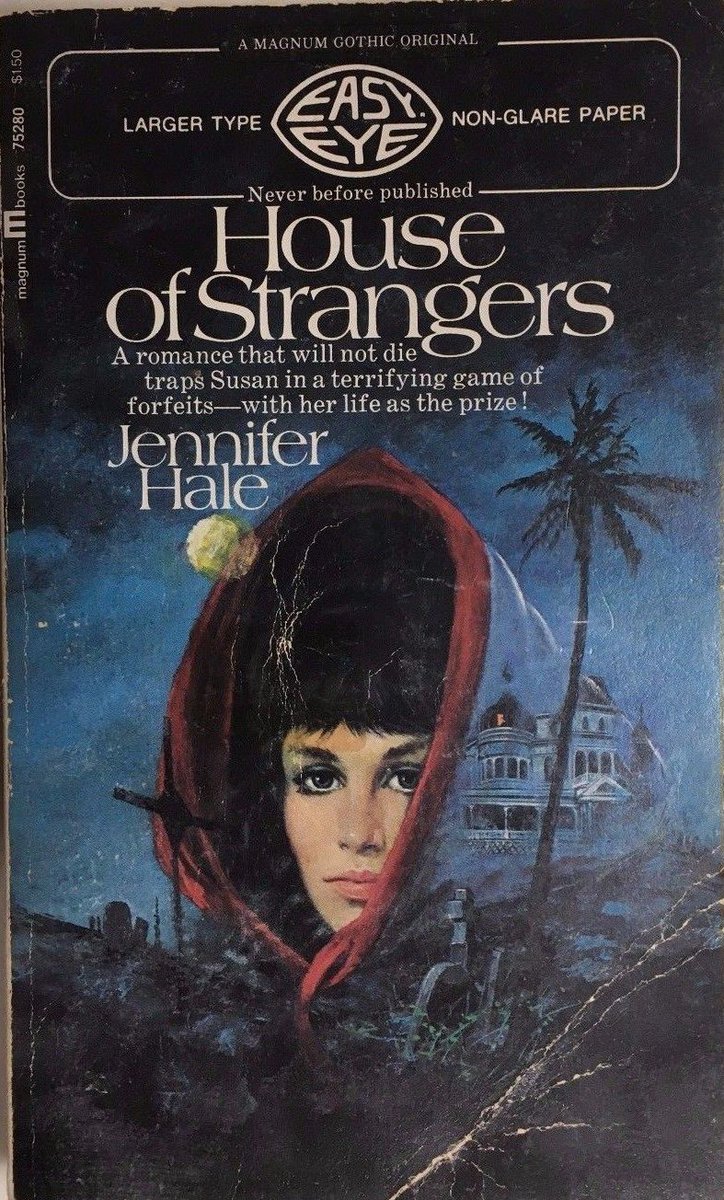
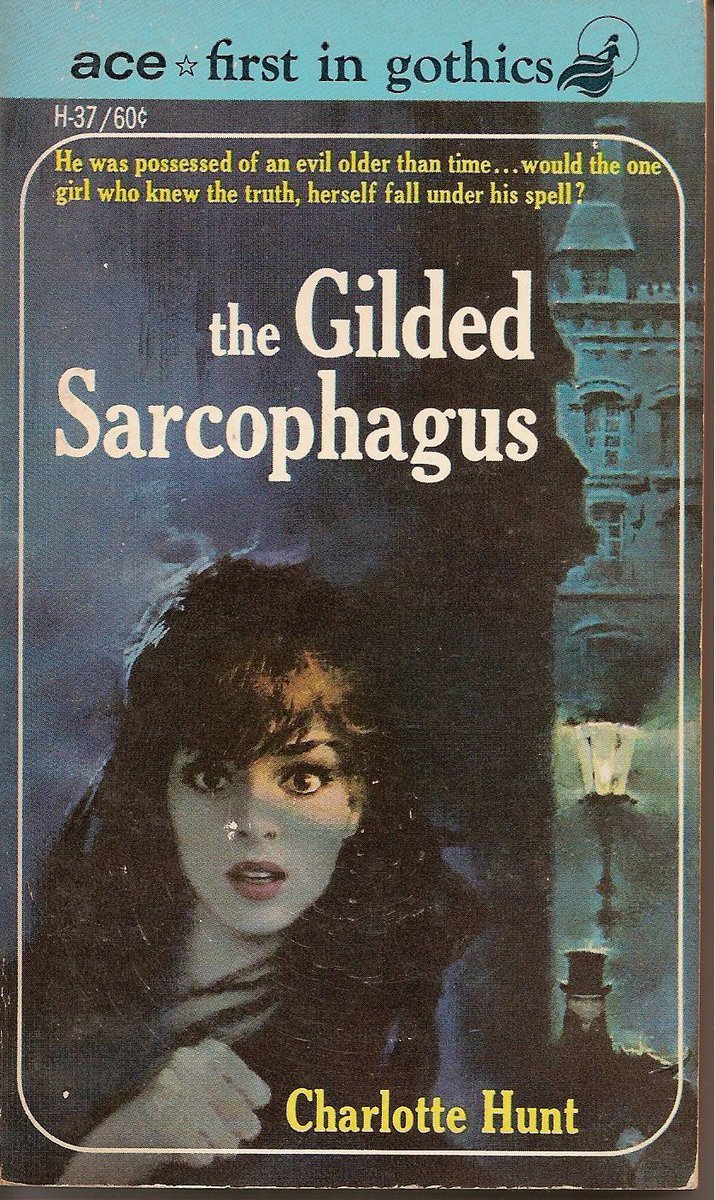
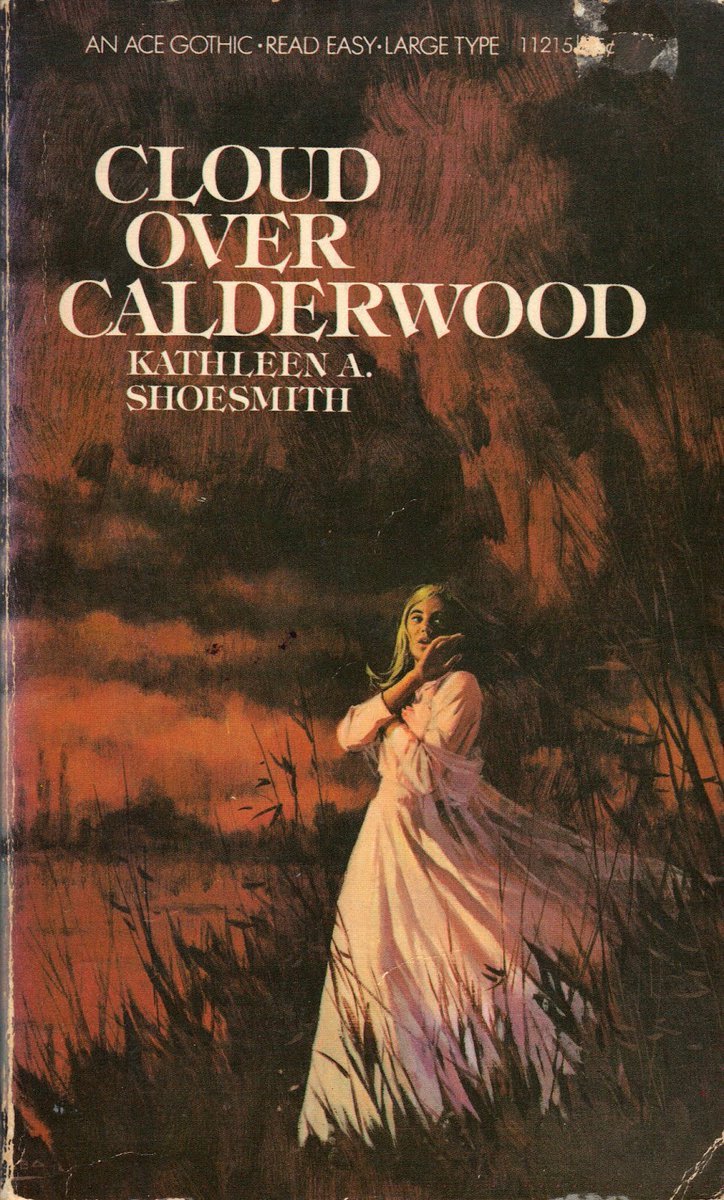
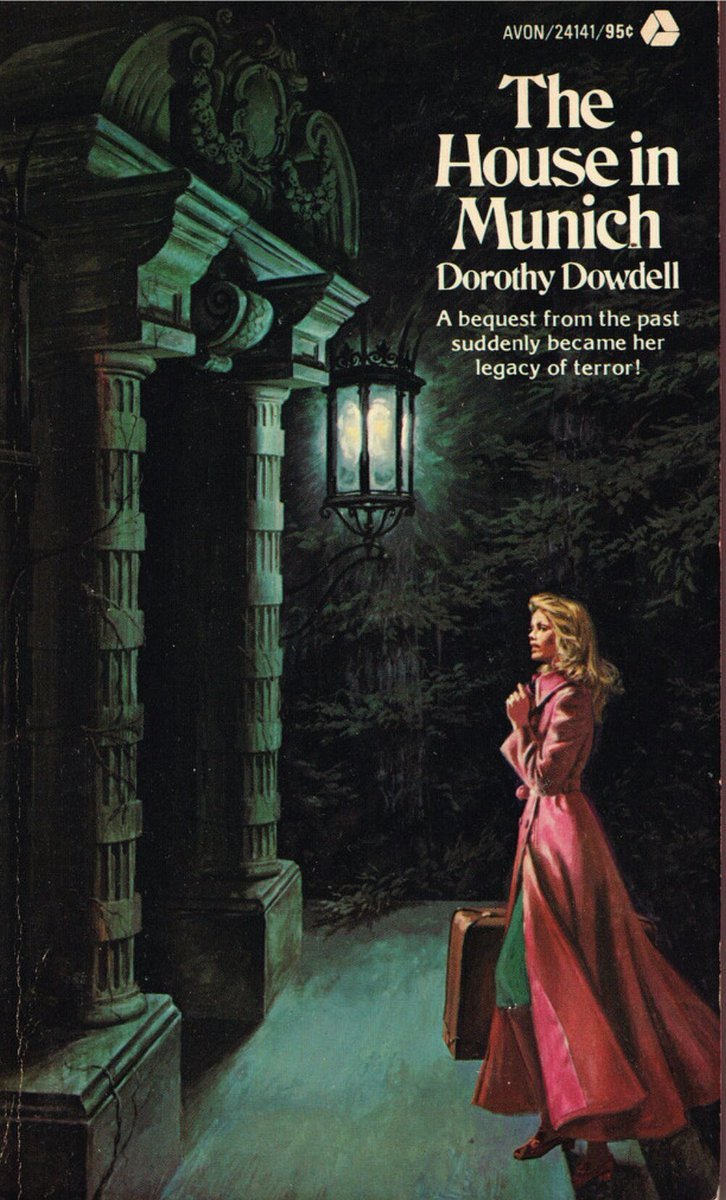
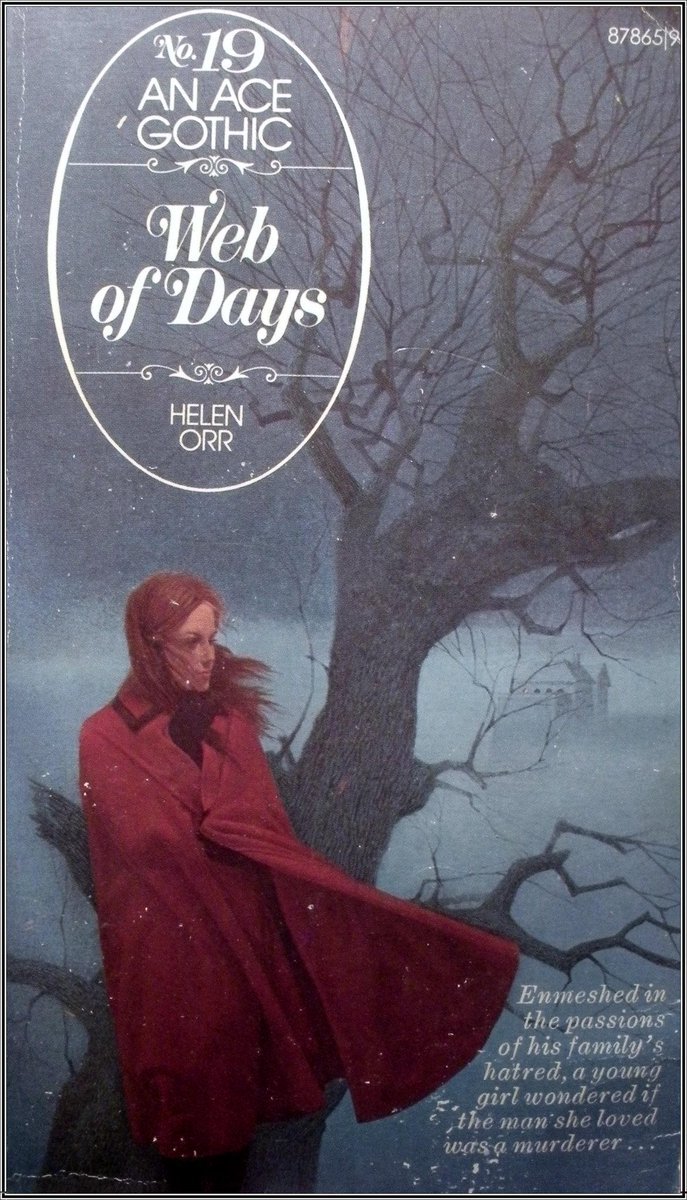
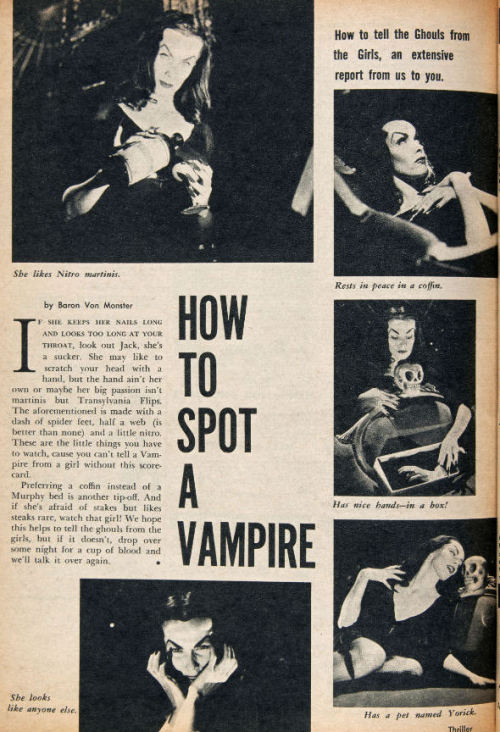
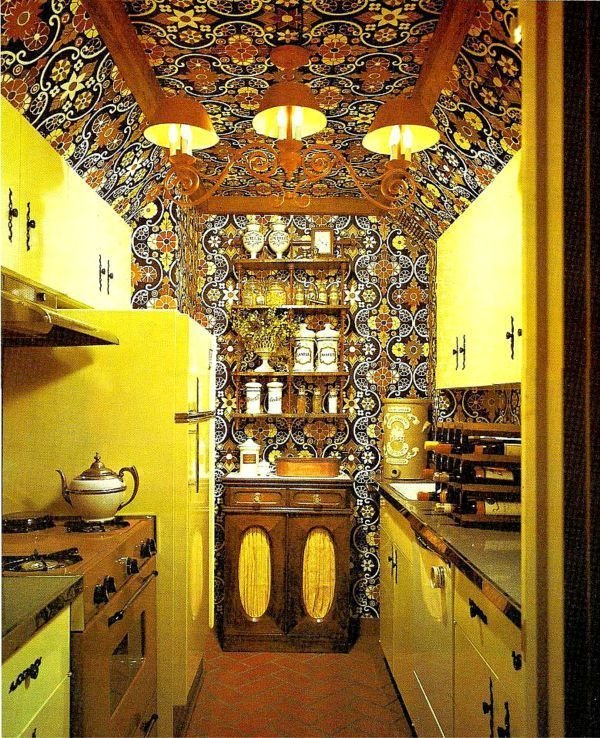
Now many readers have asked me over the years "how do I (with my great hair) go about fleeing a gothic house?"

That's a very good question, because it's not as easy as it seems...

There are of course many gothic domiciles that women with great hair can flee from:
- a house
- a mansion
- a castle
- a chateau
More adventurous gothic heroines can also choose to flee:
- a manor
- a keep
- a graveyard
- some dark foggy towers
As gothic houses come in all shapes and sizes you may come across the following things which require fleeing:
- Strangers (call a taxi)
- Tombs (walk to the nearest exit)
- Hell (fleeing recommended)
- Darkest Death (head start required)
There are some items that are a clear giveaway that you are in, or near, a gothic house that requires fleeing. Look around you and see if you can spot:
- sarcophagi
- crucibles (unless in a chemistry lab)
- anemones
- any form of ides
Given the above you may want to work up gradually to fleeing a gothic house. Try fleeing the following first to build up your skills:
- clouds
- plants
- insects
- unexpected wine stains
If gothic houses aren't your thing you can always flee (with great hair) a range of animals instead:
- crows
- cats
- an elephant
- 400 rabbits
Gothic house fleeing is a worldwide hobby so feel free to run away from any abodes you find in the following locations:
- München
- Venetzia
- Hawai'i
- Canada
Despite what you may think it doesn't matter what you wear to flee a gothic house; what matters is how you wear it:
- is your hair wind-blown enough?
- is your dress billowing correctly?
- do you look sufficiently haunted?
- did you leave one light on before you fled?
Finally please remember the following before you flee your gothic house:
- dress lightly
- avoid disturbing the neighbours
- don't stop to chat
- remember to write and say 'thank you' to the host afterwards
Congratulations! You're now ready to flee your first gothic house. Don't forget to play some Kate Bush first to get you in the mood!

More pulp advice another time...

More from Pulp Librarian

More from Culture

You May Also Like

https://t.co/6cRR2B3jBE
Viruses and other pathogens are often studied as stand-alone entities, despite that, in nature, they mostly live in multispecies associations called biofilms—both externally and within the host.

https://t.co/FBfXhUrH5d


Microorganisms in biofilms are enclosed by an extracellular matrix that confers protection and improves survival. Previous studies have shown that viruses can secondarily colonize preexisting biofilms, and viral biofilms have also been described.


...we raise the perspective that CoVs can persistently infect bats due to their association with biofilm structures. This phenomenon potentially provides an optimal environment for nonpathogenic & well-adapted viruses to interact with the host, as well as for viral recombination.


Biofilms can also enhance virion viability in extracellular environments, such as on fomites and in aquatic sediments, allowing viral persistence and dissemination.