1/ An excellent new paper from Denmark that tracks every vaccination given to nursing home residents there shows an 40% RISE in infections immediately after the first @pfizer dose and no efficacy at any point. Protection in this population after “full” vaccination is 64%...
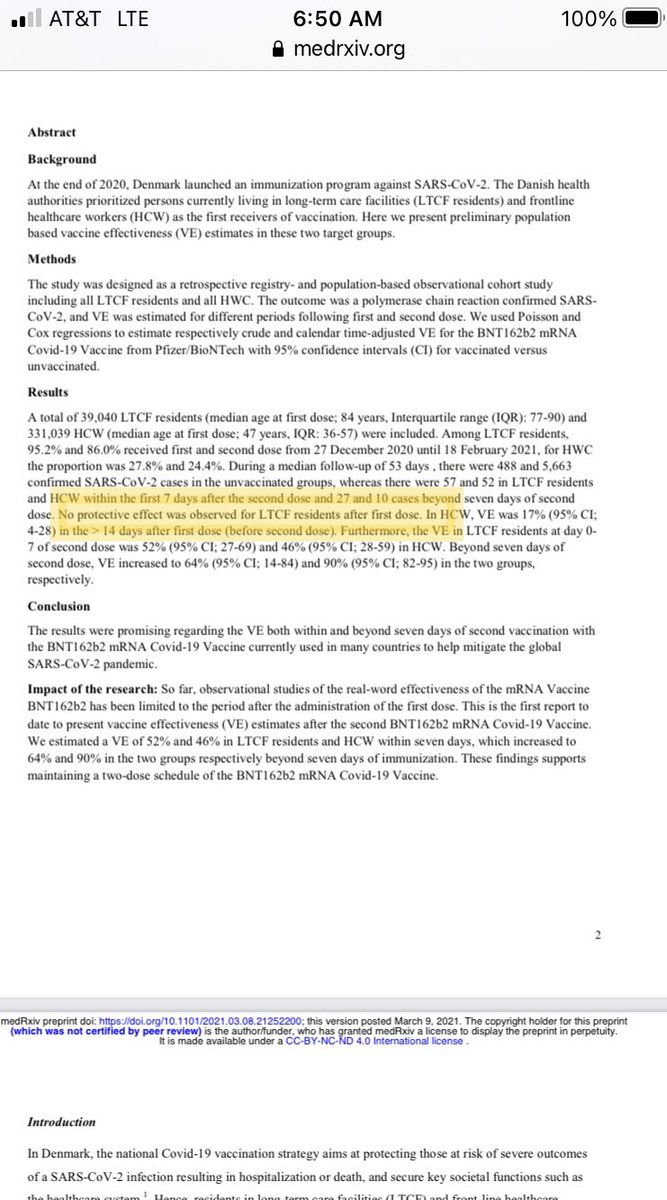
Source: https://t.co/RtyNiWlfXL
More from Category c19

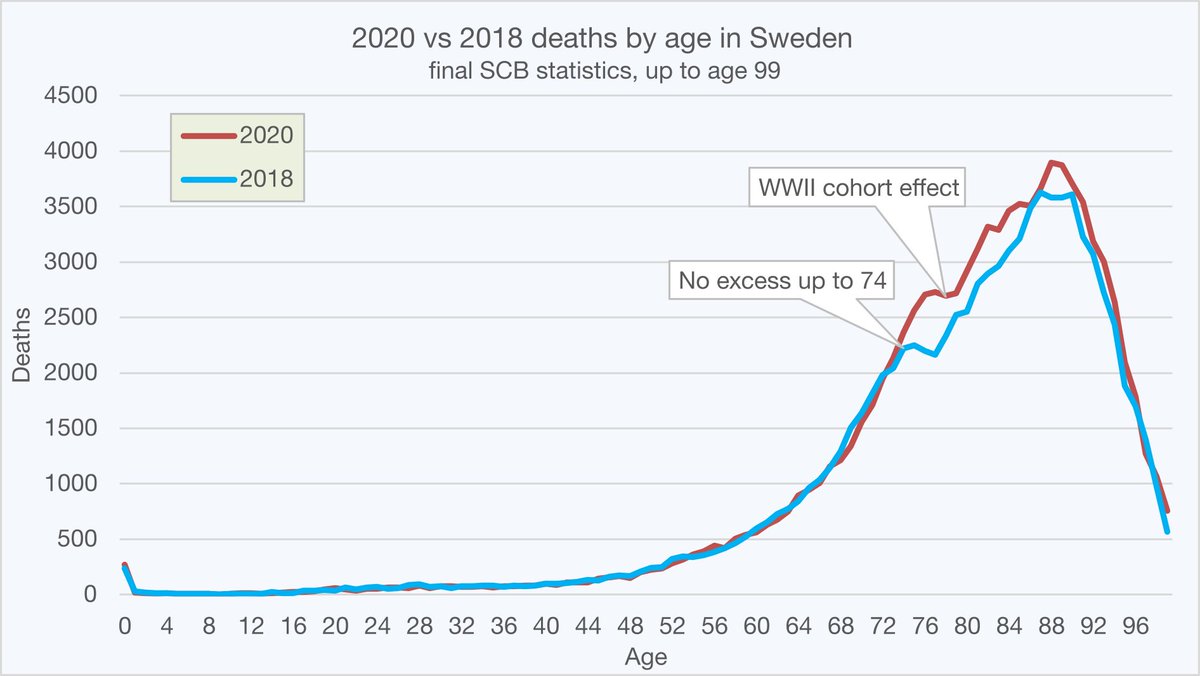
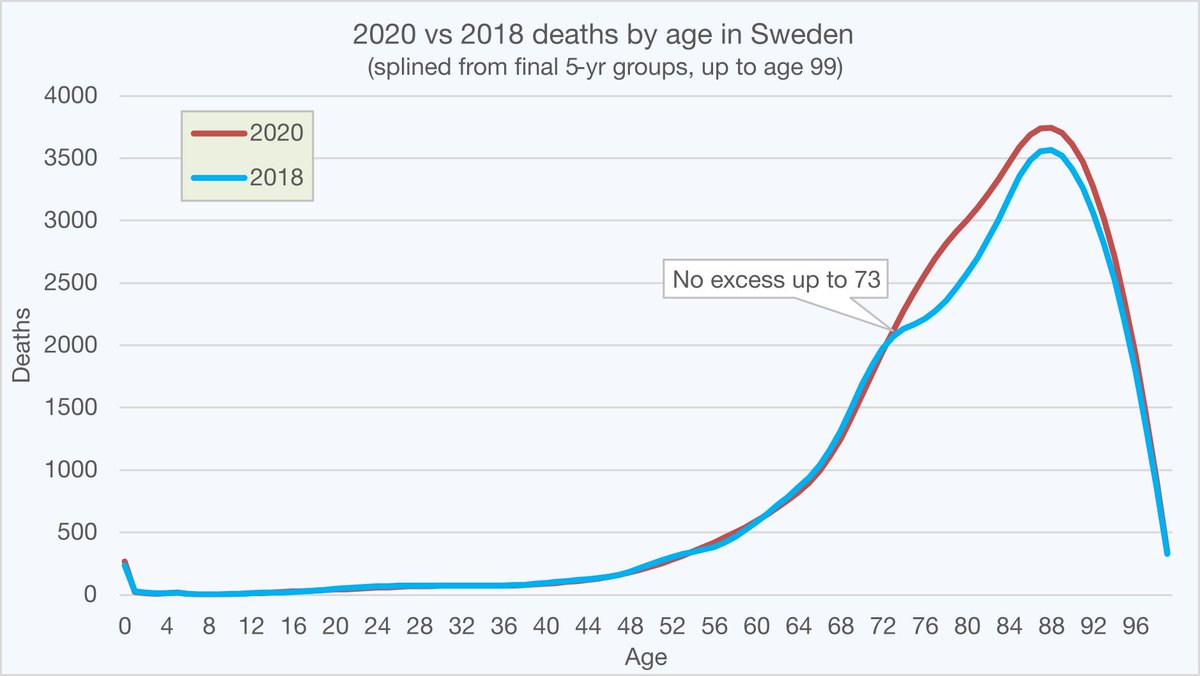

A brief tutorial in health education to show you how sound health education models have been used for manipulation instead of creating health awareness during the COVID 19 pandemic. We'll uses masks as an example of a health behavior.
Are you ready to explore? 1/n
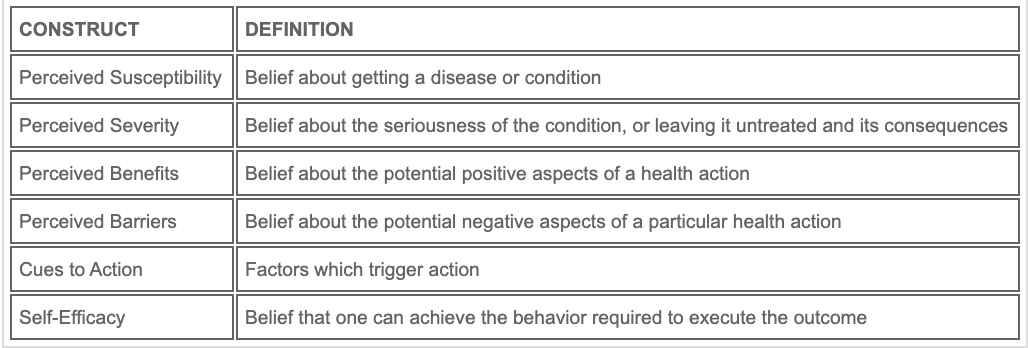
The Health Belief Model (HBM) consists of 5 components: perceived threat (lethality + Susceptibility),
perceived benefits,
perceived barriers and
cues to action.
Familiarise yourself with the definition of each concept in this table. 2/n
https://t.co/1tOz1cJFvc
Study this diagram to understand how the components are interrelated. 3/n
https://t.co/iUoaqNkgyP
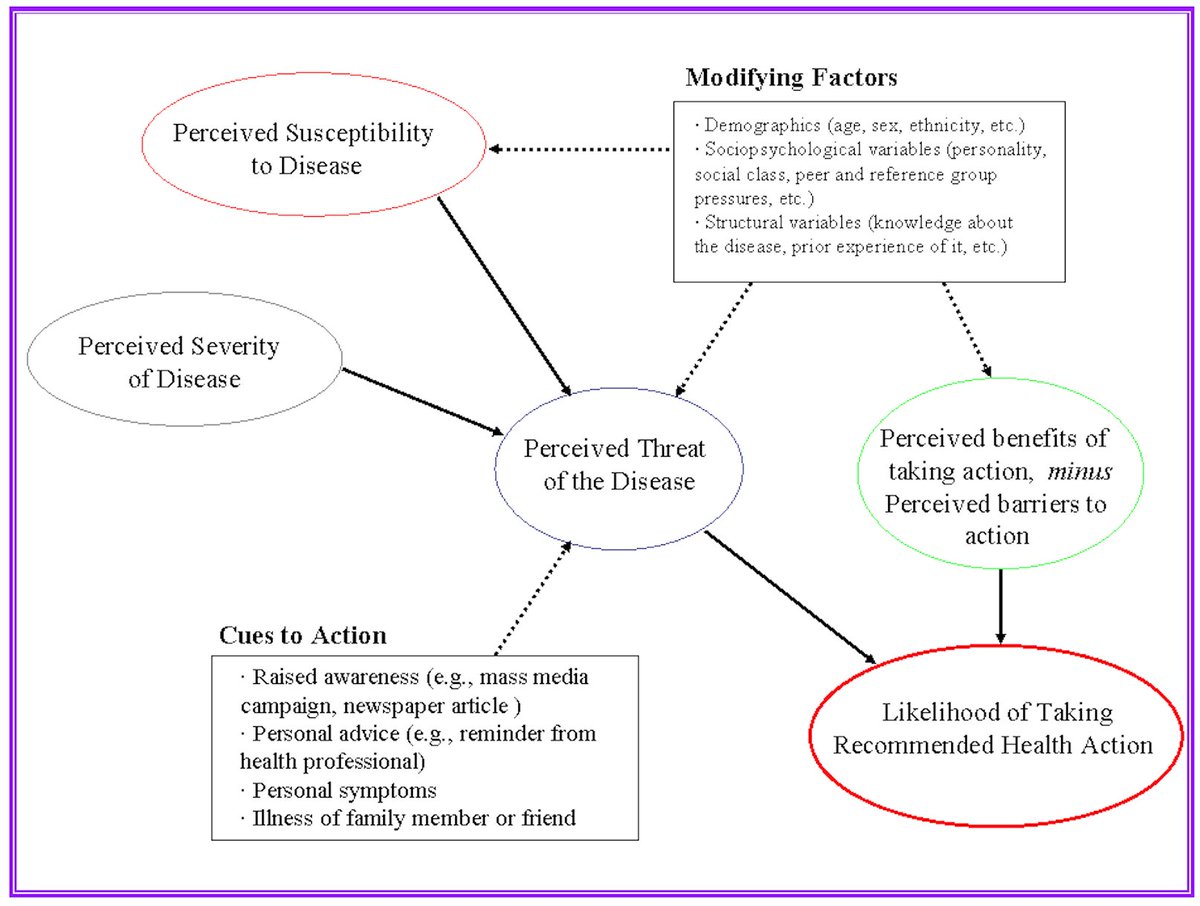
Now let’s apply this to the COVID 19 pandemic.
Review this diagram to see how the HBM applies to the behaviour of mask-wearing.
“perceived susceptibility appeared to be the most significant factor determining compliance” 4/n
https://t.co/xF6uwUx12N
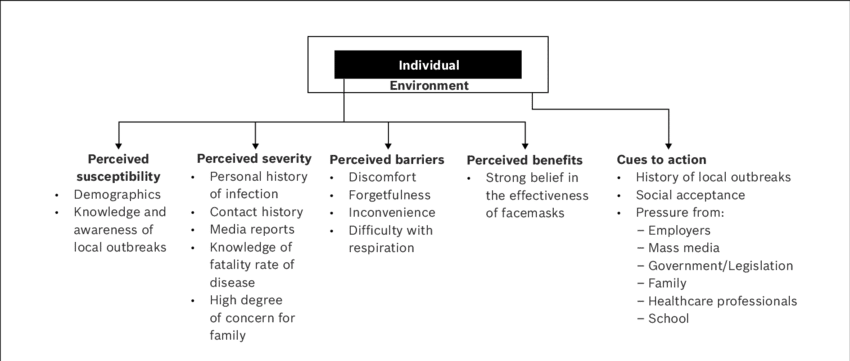
Part I: The HBM
Increase the perceived threat of a disease
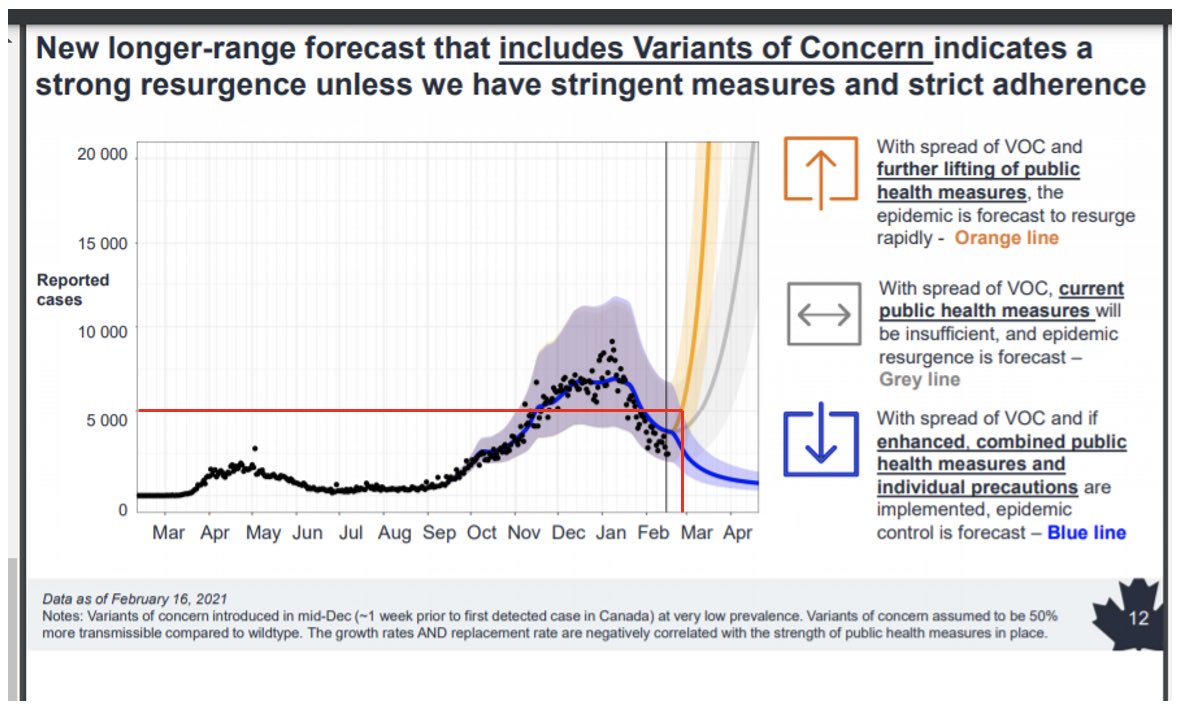
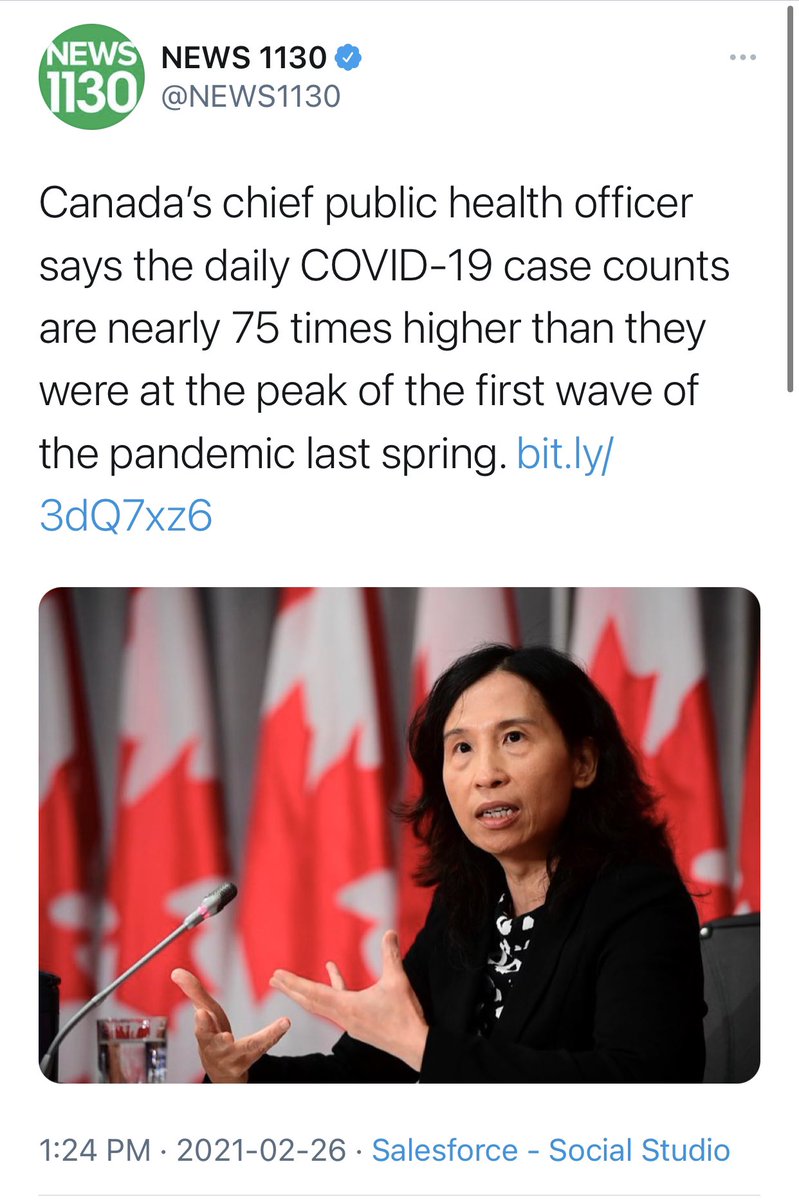
1) increase perceived severity: Confusing the general public with CFR & IFR- 2 indicators that are an order of magnitude apart.
People understood wrongly that the fatality rate of C19 is
Are you ready to explore? 1/n
The Health Belief Model (HBM) consists of 5 components: perceived threat (lethality + Susceptibility),
perceived benefits,
perceived barriers and
cues to action.
Familiarise yourself with the definition of each concept in this table. 2/n
https://t.co/1tOz1cJFvc
Study this diagram to understand how the components are interrelated. 3/n
https://t.co/iUoaqNkgyP
Now let’s apply this to the COVID 19 pandemic.
Review this diagram to see how the HBM applies to the behaviour of mask-wearing.
“perceived susceptibility appeared to be the most significant factor determining compliance” 4/n
https://t.co/xF6uwUx12N
Part I: The HBM
Increase the perceived threat of a disease
1) increase perceived severity: Confusing the general public with CFR & IFR- 2 indicators that are an order of magnitude apart.
People understood wrongly that the fatality rate of C19 is
"Globally, about 3.4% of reported #COVID19 cases have died. By comparison, seasonal flu generally kills far fewer than 1% of those infected"-@DrTedros #coronavirus
— World Health Organization (WHO) (@WHO) March 3, 2020

It's all here folks...How the CoVid Con was 37 years in the marking
3/4
https://t.co/WBAnAUO0UU
3/4
https://t.co/WBAnAUO0UU
Finally, this film demonstrates that EVERY SINGLE aspect of the fraudulent "science" used to the sell SARS-2=CoVid fraud was perfected in the 1980s to sell the HIV=AIDS fraud. https://t.co/Gjqo2lGjQw
— Ken McCarthy (@KenMcCarthy) March 10, 2021




You May Also Like







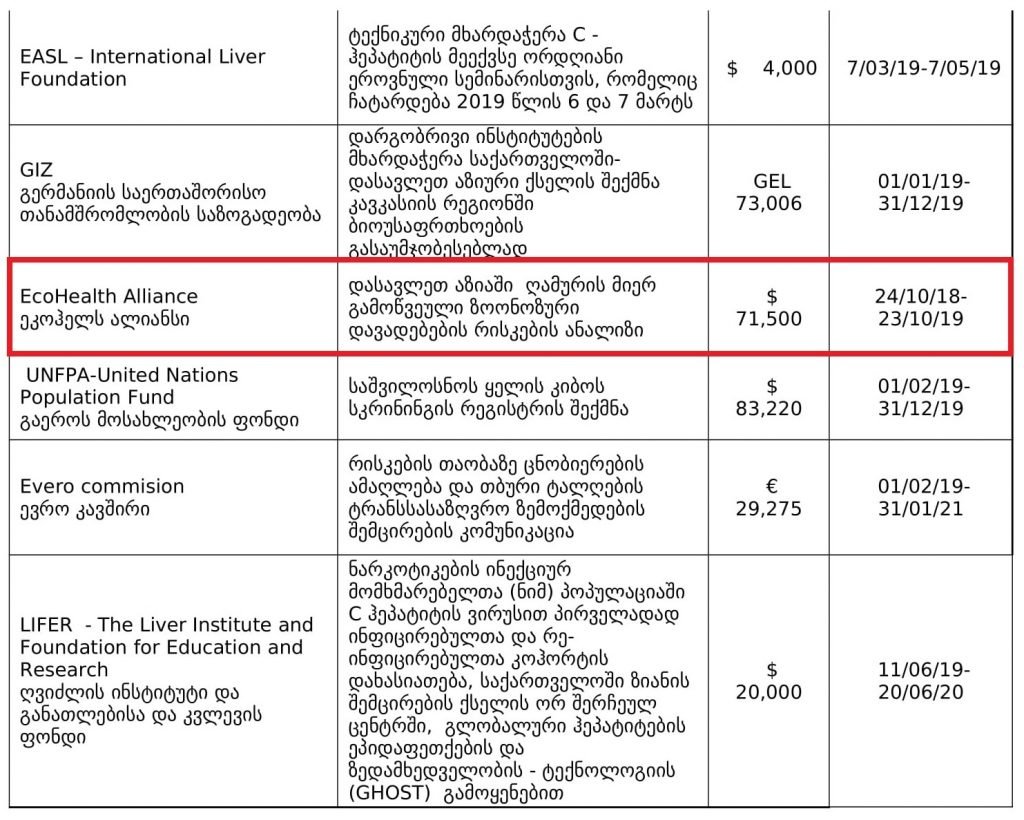
1. Project 1742 (EcoHealth/DTRA)
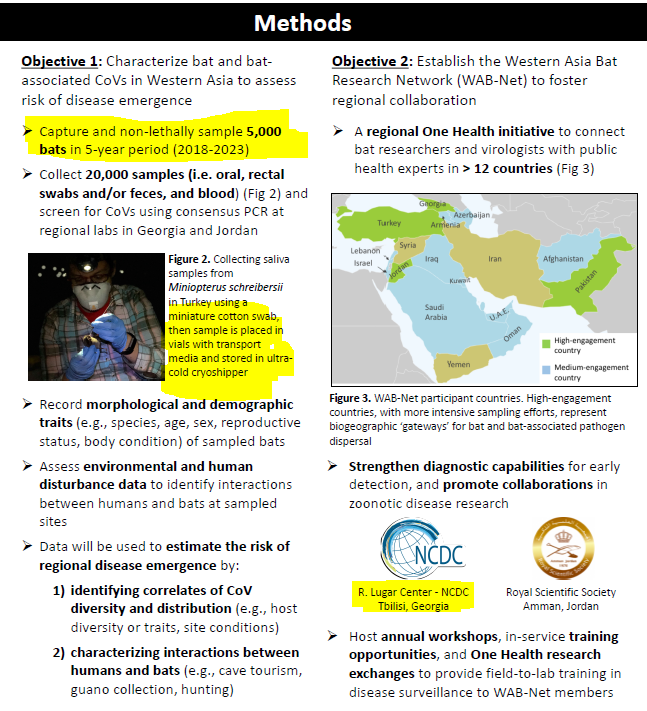
Risks of bat-borne zoonotic diseases in Western Asia
Duration: 24/10/2018-23 /10/2019
Funding: $71,500
@dgaytandzhieva
https://t.co/680CdD8uug
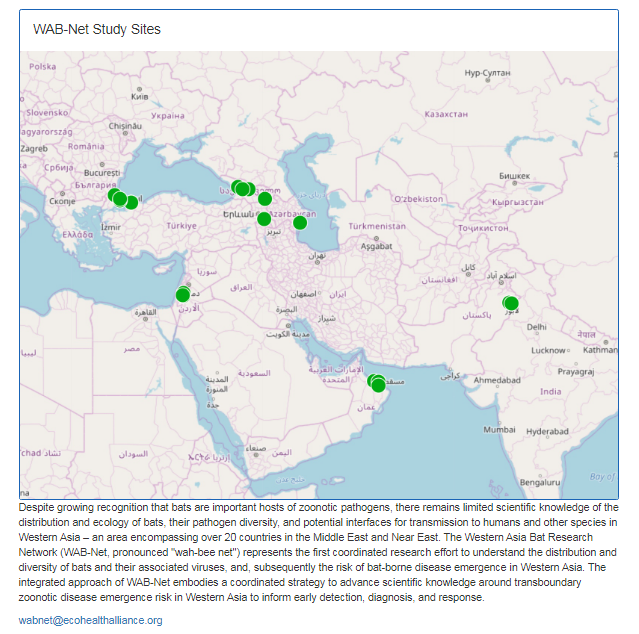
2. Bat Virus Database
Access to the database is limited only to those scientists participating in our ‘Bats and Coronaviruses’ project
Our intention is to eventually open up this database to the larger scientific community
https://t.co/mPn7b9HM48
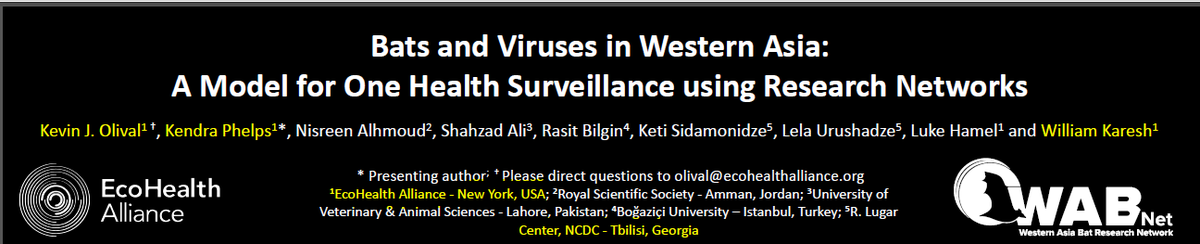
3. EcoHealth Alliance & DTRA Asking for Trouble
One Health research project focused on characterizing bat diversity, bat coronavirus diversity and the risk of bat-borne zoonotic disease emergence in the region.
https://t.co/u6aUeWBGEN
4. Phelps, Olival, Epstein, Karesh - EcoHealth/DTRA
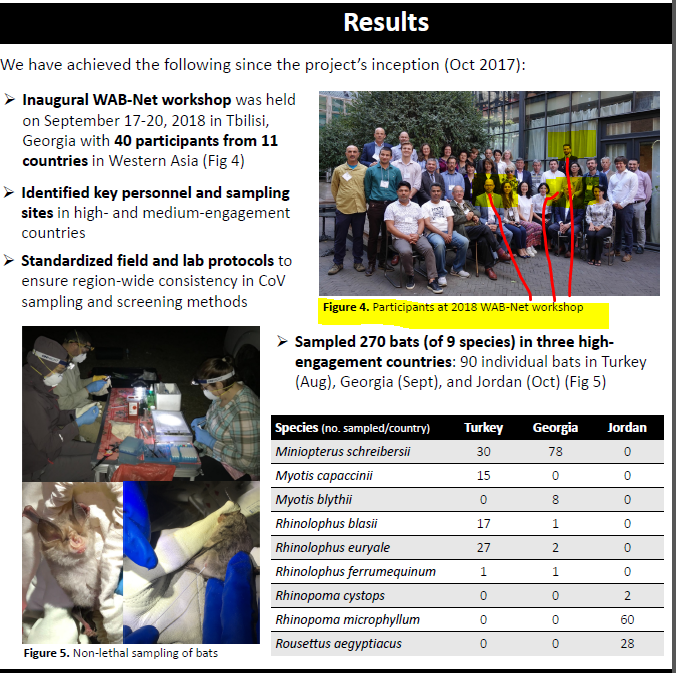
5, Methods and Expected Outcomes
(Unexpected Outcome = New Coronavirus Pandemic)
Risks of bat-borne zoonotic diseases in Western Asia
Duration: 24/10/2018-23 /10/2019
Funding: $71,500
@dgaytandzhieva
https://t.co/680CdD8uug
2. Bat Virus Database
Access to the database is limited only to those scientists participating in our ‘Bats and Coronaviruses’ project
Our intention is to eventually open up this database to the larger scientific community
https://t.co/mPn7b9HM48
3. EcoHealth Alliance & DTRA Asking for Trouble
One Health research project focused on characterizing bat diversity, bat coronavirus diversity and the risk of bat-borne zoonotic disease emergence in the region.
https://t.co/u6aUeWBGEN
4. Phelps, Olival, Epstein, Karesh - EcoHealth/DTRA
5, Methods and Expected Outcomes
(Unexpected Outcome = New Coronavirus Pandemic)