
After closing below S1 if it closes above S1 next day or any day enter the same position again vice versa for R1
𝙎𝙝𝙖𝙧𝙞𝙣𝙜 𝙢𝙮 𝙬𝙞𝙨𝙙𝙤𝙢 𝑾𝒐𝒏'𝒕 𝒃𝒆 𝒔𝒖𝒓𝒑𝒓𝒊𝒔𝒆𝒅 𝒊𝒇 𝒕𝒐𝒎𝒐𝒓𝒓𝒐𝒘 𝒖 𝒓𝒆𝒂𝒅 𝒕𝒉𝒆 𝒔𝒂𝒎𝒆 𝒔𝒕𝒖𝒇𝒇 𝒊𝒏 50𝒌 𝒘𝒐𝒓𝒌𝒔𝒉𝒐𝒑 𝒐𝒓 𝒔𝒐𝒎𝒆𝒐𝒏𝒆 𝒎𝒂𝒏𝒂𝒈𝒊𝒏𝒈 𝒚𝒐𝒖𝒓 𝒎𝒐𝒏𝒆𝒚 𝒘𝒊𝒕𝒉 𝒔𝒂𝒎𝒆 𝒍𝒐𝒈𝒊𝒄
Simple and effective way 2 make Money
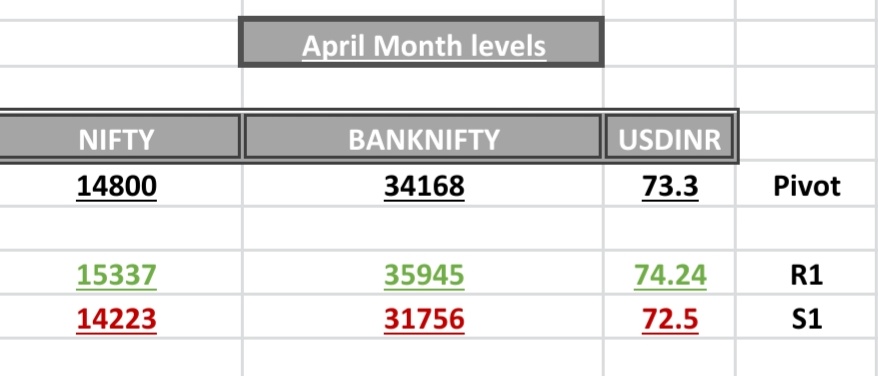
After closing below S1 if it closes above S1 next day or any day enter the same position again vice versa for R1
Incase of R1 15337 take 15300ce
N in case of S1 14221 use 14200pe
Sell both and hold till expiry or exit if nifty closes below S1 or above R1 around closing
If the same bounces above S1 and falls below R1 re-enfer same strikes
More from Optionslearnings



You May Also Like




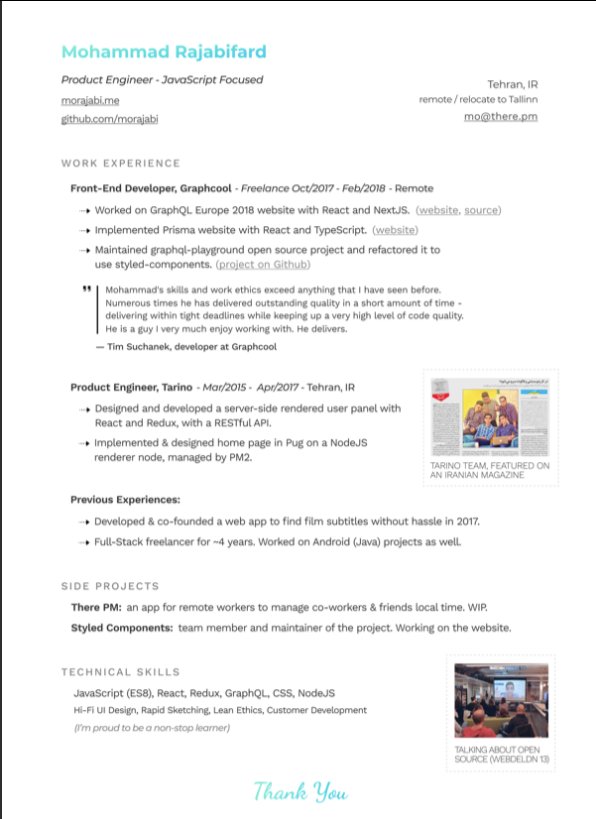
👨💻 Last resume I sent to a startup one year ago, sharing with you to get ideas:
- Forget what you don't have, make your strength bold
- Pick one work experience and explain what you did in detail w/ bullet points
- Write it towards the role you apply
- Give social proof
/thread
"But I got no work experience..."
Make a open source lib, make a small side project for yourself, do freelance work, ask friends to work with them, no friends? Find friends on Github, and Twitter.
Bonus points:
- Show you care about the company: I used the company's brand font and gradient for in the resume for my name and "Thank You" note.
- Don't list 15 things and libraries you worked with, pick the most related ones to the role you're applying.
-🙅♂️"copy cover letter"
"I got no firends, no work"
One practical way is to reach out to conferences and offer to make their website for free. But make sure to do it good. You'll get:
- a project for portfolio
- new friends
- work experience
- learnt new stuff
- new thing for Twitter bio
If you don't even have the skills yet, why not try your chance for @LambdaSchool? No? @freeCodeCamp. Still not? Pick something from here and learn https://t.co/7NPS1zbLTi
You'll feel very overwhelmed, no escape, just acknowledge it and keep pushing.
- Forget what you don't have, make your strength bold
- Pick one work experience and explain what you did in detail w/ bullet points
- Write it towards the role you apply
- Give social proof
/thread
"But I got no work experience..."
Make a open source lib, make a small side project for yourself, do freelance work, ask friends to work with them, no friends? Find friends on Github, and Twitter.
Bonus points:
- Show you care about the company: I used the company's brand font and gradient for in the resume for my name and "Thank You" note.
- Don't list 15 things and libraries you worked with, pick the most related ones to the role you're applying.
-🙅♂️"copy cover letter"
"I got no firends, no work"
One practical way is to reach out to conferences and offer to make their website for free. But make sure to do it good. You'll get:
- a project for portfolio
- new friends
- work experience
- learnt new stuff
- new thing for Twitter bio
If you don't even have the skills yet, why not try your chance for @LambdaSchool? No? @freeCodeCamp. Still not? Pick something from here and learn https://t.co/7NPS1zbLTi
You'll feel very overwhelmed, no escape, just acknowledge it and keep pushing.


Took me 5 years to get the best Chartink scanners for Stock Market, but you’ll get it in 5 mminutes here ⏰
Do Share the above tweet 👆
These are going to be very simple yet effective pure price action based scanners, no fancy indicators nothing - hope you liked it.
https://t.co/JU0MJIbpRV
52 Week High
One of the classic scanners very you will get strong stocks to Bet on.
https://t.co/V69th0jwBr
Hourly Breakout
This scanner will give you short term bet breakouts like hourly or 2Hr breakout
Volume shocker
Volume spurt in a stock with massive X times
Do Share the above tweet 👆
These are going to be very simple yet effective pure price action based scanners, no fancy indicators nothing - hope you liked it.
https://t.co/JU0MJIbpRV
52 Week High
One of the classic scanners very you will get strong stocks to Bet on.
https://t.co/V69th0jwBr
Hourly Breakout
This scanner will give you short term bet breakouts like hourly or 2Hr breakout
Volume shocker
Volume spurt in a stock with massive X times