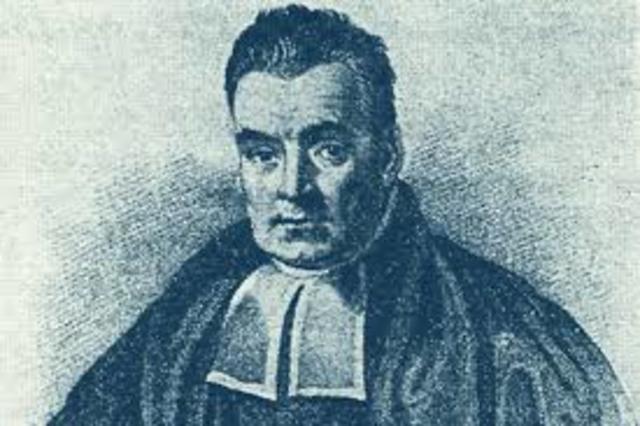
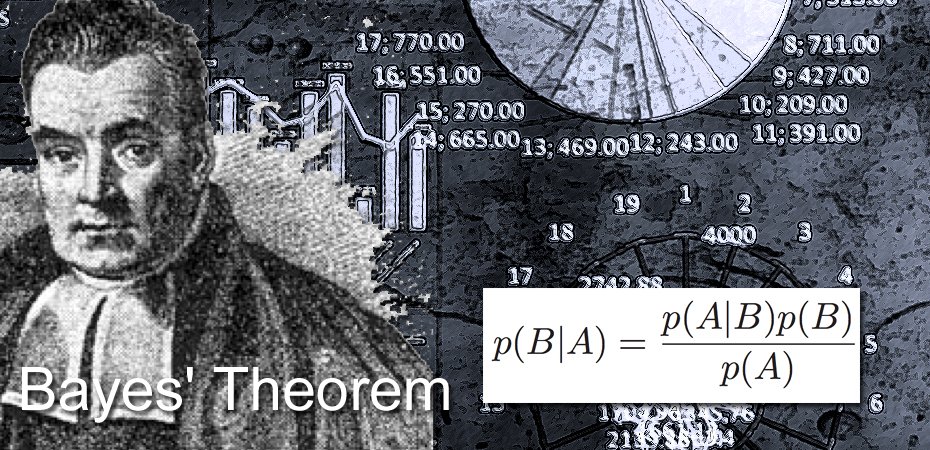
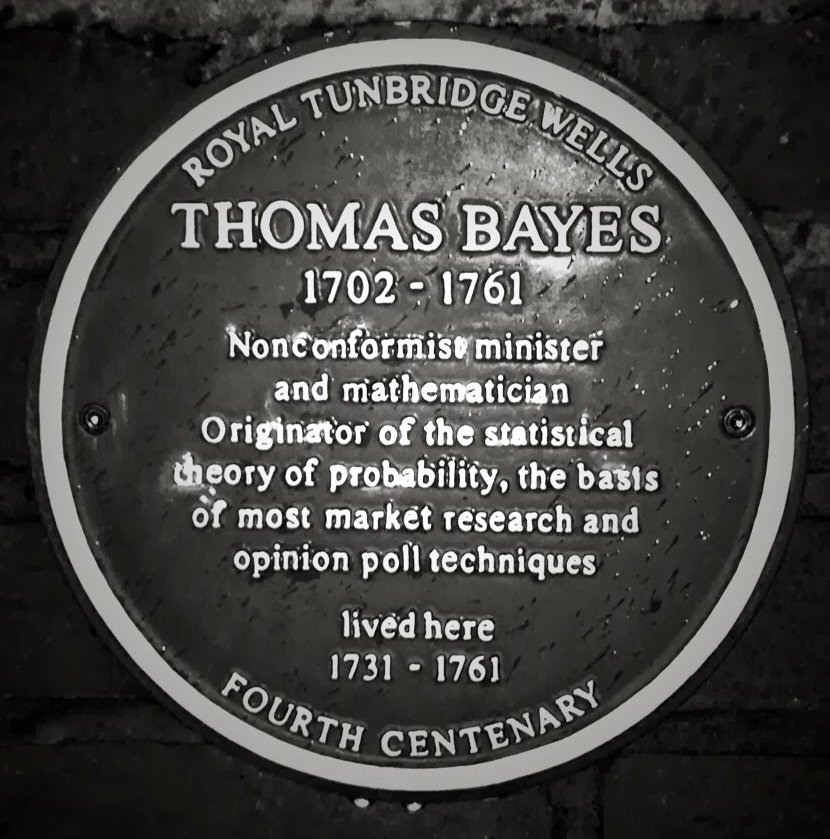
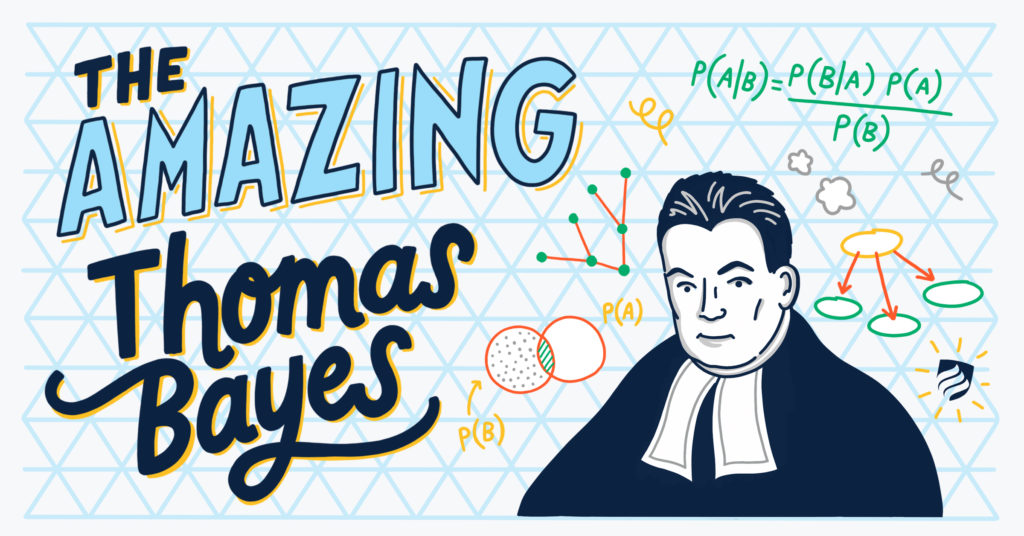
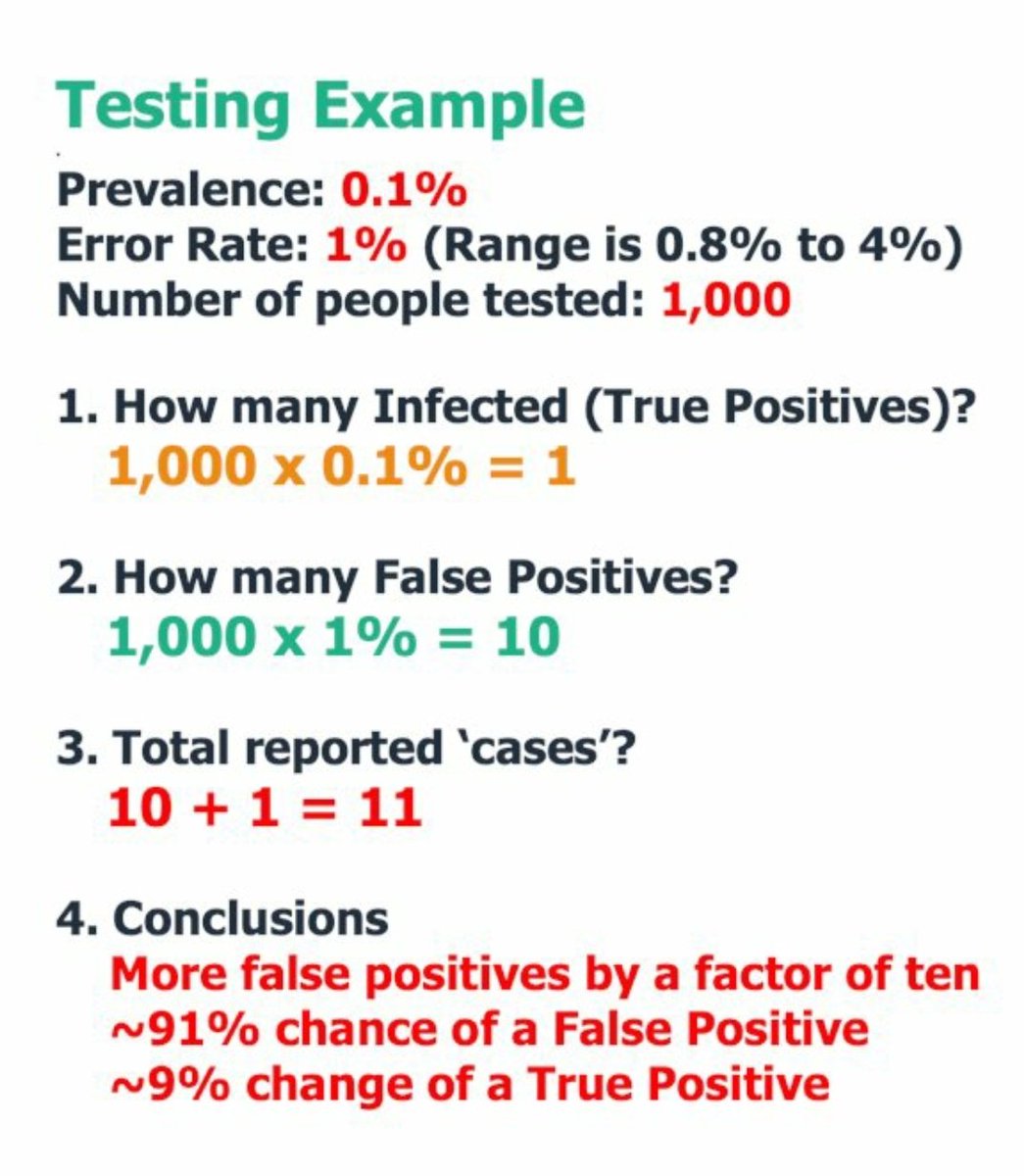
BAYES' THEOREM: The basic reason we get so many false positives to COVID19. The disease is so rare that the number of false positives greatly outnumbers the people who truly have the disease: THE MATHS:
https://t.co/oLHyxYJW9H
https://t.co/29FNwq0Qw2
"The national statistician has downgraded its estimate of coronavirus in England on October 17 to just 4.89 people per 10,000." or ~ 0.05%. That means that only 1 in 2000 people may be carrying SARS related viral RNA fragments which could be 2 months old. https://t.co/XqpNaY6BzQ
— Robin Monotti FRSA MA BSc (@robinmonotti) December 8, 2020
https://t.co/rthjPRJWeB
ITALY: CONFIRMED BY ITALIAN HEALTH SERVICE: False positives to Covid19 test as diagnosis are 95%. Legal cases started against testing under charges of fraud to procure public funding, false alarm, ideological false, and manslaughter. pic.twitter.com/C9b7BbzdKa
— Robin Monotti FRSA MA BSc (@robinmonotti) November 25, 2020
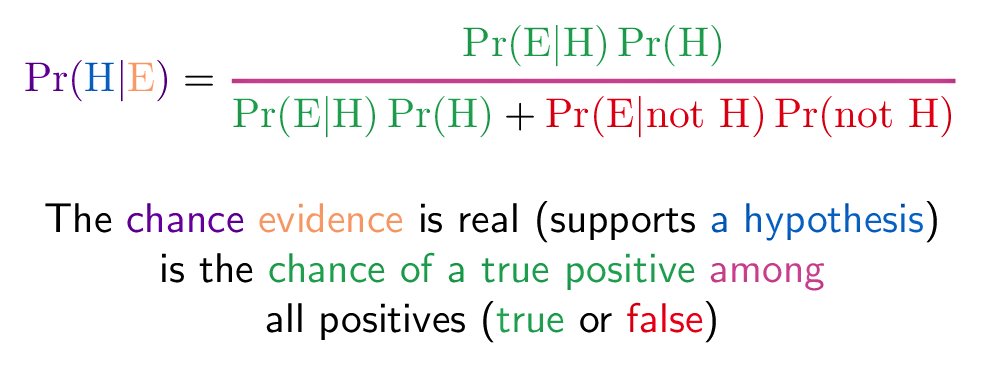
#BAYESTHEOREM MEDICAL MASS TESTING CALCULATOR:
— Robin Monotti FRSA MA BSc (@robinmonotti) December 9, 2020
Try it yourself to understand how many false positives you get by changing minor variables: \U0001f447https://t.co/7wVMvrpgAW pic.twitter.com/PHbweWK1TK
https://t.co/kFnQVoCspb
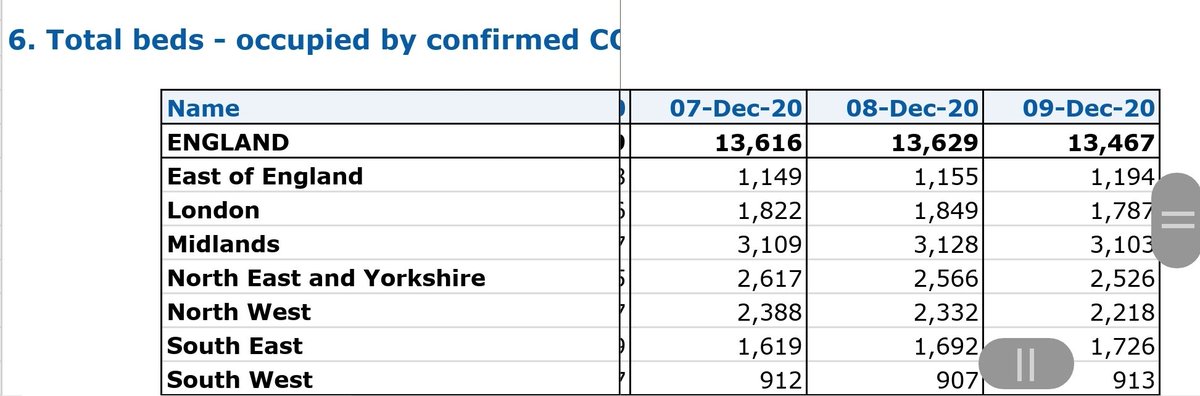
LATERAL FLOW: False positive rate of "0.4% with a sensitivity of 58% and specificity of 99.6%, would mean that 100\u2009000 people being tested would find 630 positives\u2014of which only 230 would actually have covid-19, while 400 would be false positives.
— Robin Monotti FRSA MA BSc (@robinmonotti) November 17, 2020
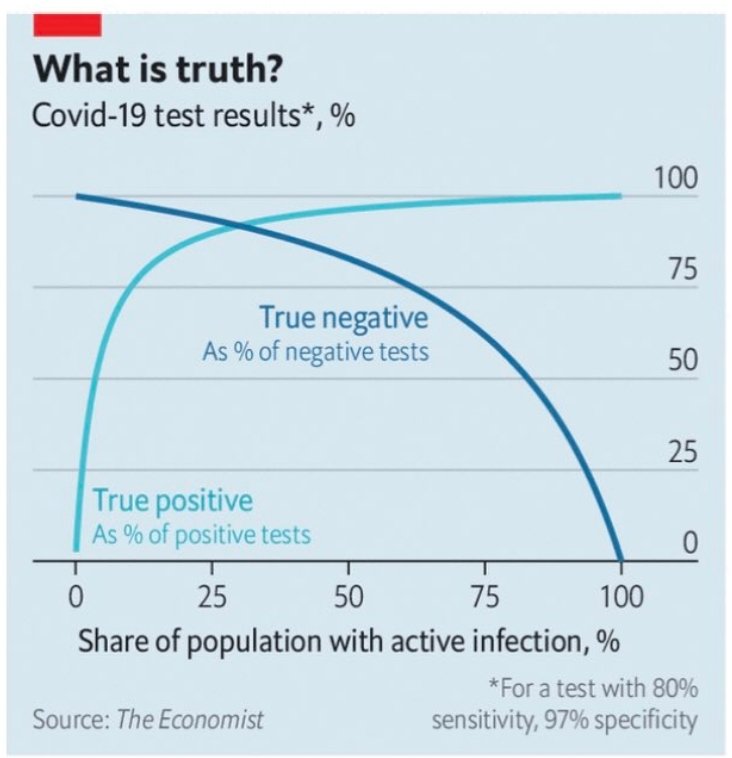
https://t.co/8hsZ1hNjD7
Official estimates from mass testing in England (including asymptomatic) puts Covid19 "infections" at 0.9% https://t.co/2ljzi9YfKN
— Robin Monotti FRSA MA BSc (@robinmonotti) December 11, 2020
@lucyfrazermp 20/11:
— Edmund Fordham (@EdmundFordham) November 28, 2020
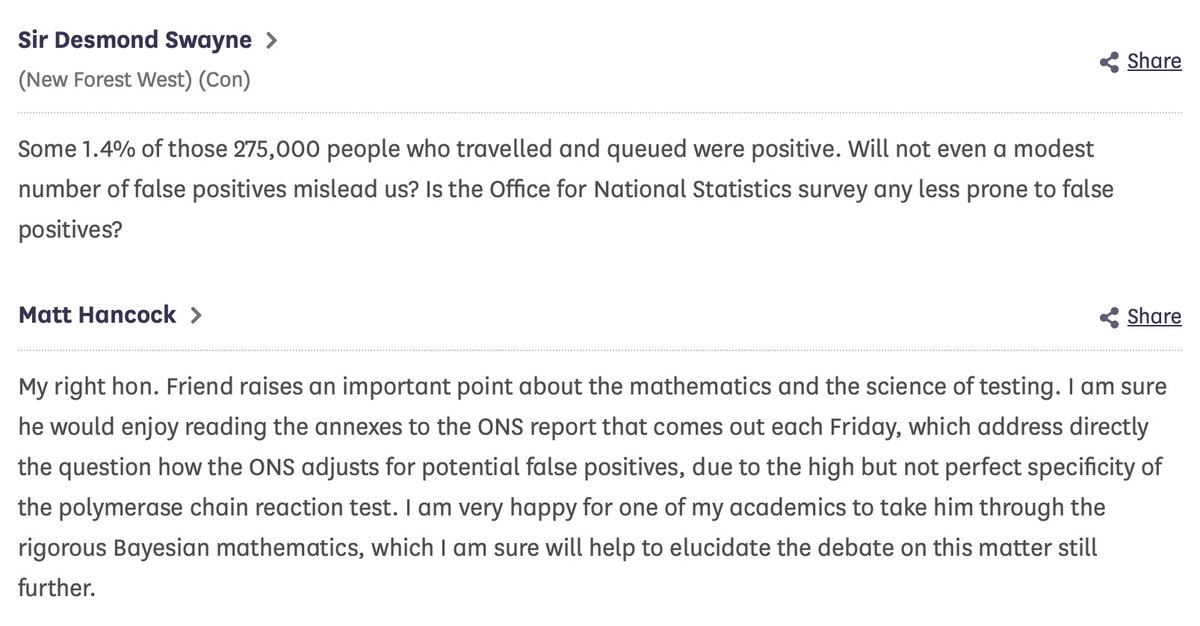
2. Apparently @MattHancock tells HoC 17/09 how ONS \u201cadjusts for False Positives\u201d. Looked it up.@DesmondSwayne asks;@MattHancock doesn\u2019t answer.
Obfuscates with \u201crigorous Bayesian mathematics\u201d
\u201cOne of his academics" will \u201ctake him through it\u201d
(thread) pic.twitter.com/42YO9vaioy
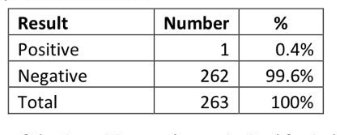
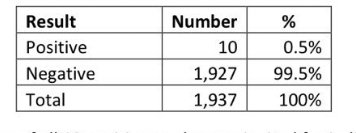
#BAYESTHEOREM @ Cambridge University. 0.4% of 262 students came back as positive after the first "test". All came back as negative after the second. Government only tests once. ONS would say there is 0.4% prevalence instead it's 0%. pic.twitter.com/zeAQAAOeRN
— Robin Monotti FRSA MA BSc (@robinmonotti) December 13, 2020
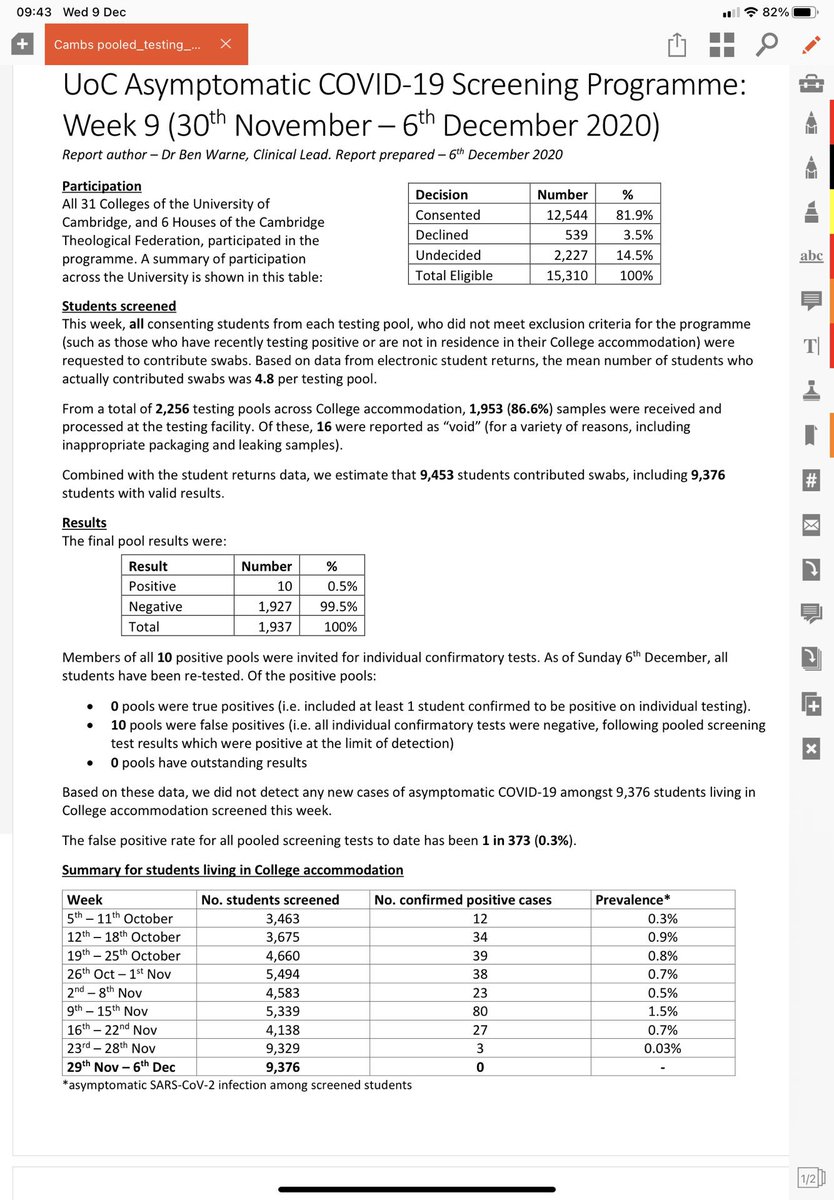
https://t.co/pZcFlMBKEZ
"I am very happy for one of my academics to take him through the rigorous Bayesian mathematics, which I am sure will help to elucidate the debate on this matter still further." @MattHancock to @DesmondSwaynehttps://t.co/pZcFlMBKEZ
— Robin Monotti FRSA MA BSc (@robinmonotti) December 15, 2020
https://t.co/aidVGWOVqH
Numerical details aside, the use of Bayes's theorem and the principle described are valid. Taught in epidemiology courses.
— \u05e4\u05e8\u05d5\u05e4' \u05d0\u05d9\u05d9\u05dc \u05e9\u05d7\u05e8 (@prof_shahar) December 16, 2020
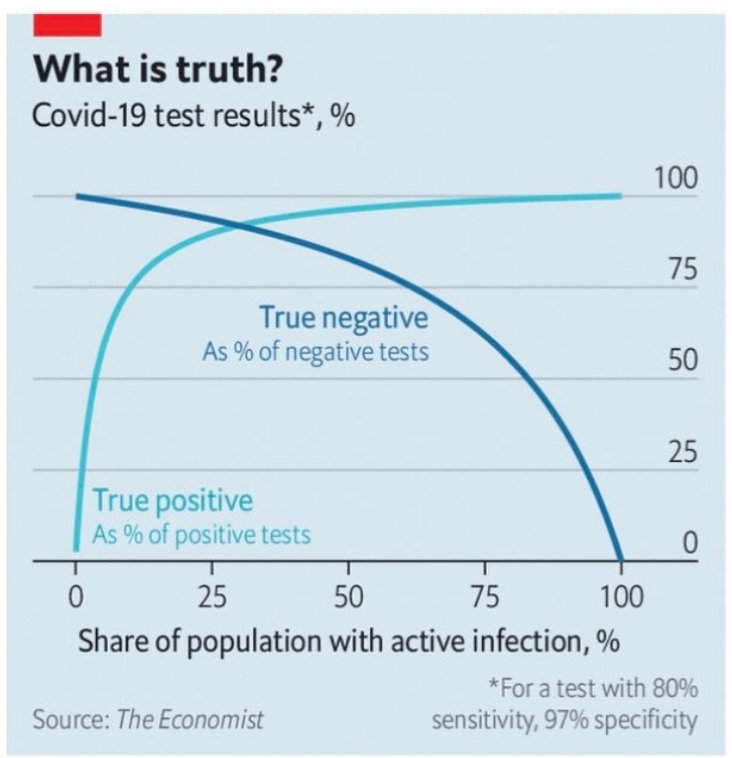
Extreme example. If disease prevalence is zero, predictive value of positive test is zero. Every positive is false positive.
A similar graph in the thread pic.twitter.com/ddvBe36OmU
\u26a0\ufe0fWHO WARNING ON BAYES THEOREM & TESTING \u26a0\ufe0f
— Robin Monotti FRSA MA BSc (@robinmonotti) December 16, 2020
"Healthcare providers are encouraged to take into consideration testing results along with clinical signs and symptoms, confirmed status of any contacts"https://t.co/GkRJzdn70b pic.twitter.com/jXPQDqqnVE
More from Robin Monotti FRSA MA BSc
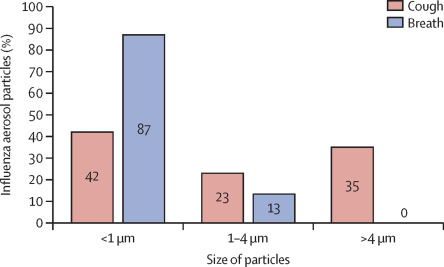
I’m not just a lockdown sceptic. I know lockdowns increase infections rather than decrease them because I read research first hand. I’m a citizen in a democracy who wants Government policy to be evidence-based, not epidemiological modelling based. Crazy, I know.
Lockdowns increase infections because they lower immunity & therefore increase the disease. After hospitals & care homes households account for the largest number of transmissions. Schools/universities act as a break in transmission of the disease. All evidence based.
Transmission does not mean infection. I can transmit SARSCoV2 but I can't transmit Covid19. Whether SARSCoV2 develops at all into mild or severe Covid19 depends entirely on the immune system of the recipient. Early treatment prevents severe Covid19, the right treatment cures it.
"Children act more as a brake on infection," said Prof. Reinhard Berner, the head of pediatric medicine at Dresden University Hospital and leader of the study. "Not every infection that reaches them is passed
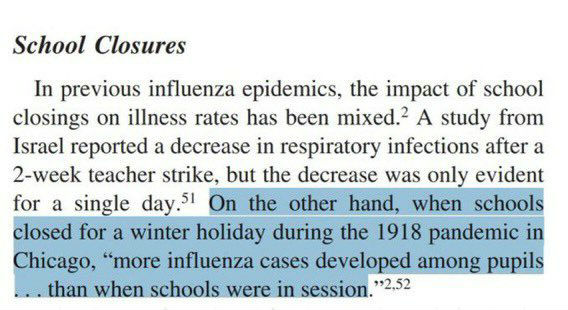
Closing schools increases transmission of respiratory viral infection because children act as a break on the community transmission of the virus. We have known this since 1918:
https://t.co/TPRYQ1LAAJ
Lockdowns increase infections because they lower immunity & therefore increase the disease. After hospitals & care homes households account for the largest number of transmissions. Schools/universities act as a break in transmission of the disease. All evidence based.
Transmission does not mean infection. I can transmit SARSCoV2 but I can't transmit Covid19. Whether SARSCoV2 develops at all into mild or severe Covid19 depends entirely on the immune system of the recipient. Early treatment prevents severe Covid19, the right treatment cures it.
"Children act more as a brake on infection," said Prof. Reinhard Berner, the head of pediatric medicine at Dresden University Hospital and leader of the study. "Not every infection that reaches them is passed
Closing schools increases transmission of respiratory viral infection because children act as a break on the community transmission of the virus. We have known this since 1918:
https://t.co/TPRYQ1LAAJ
More from Category c19


The genesis of a pandemic.
The #Corona crisis began with a panopticon of absurd events, improbable coincidences and outright lies.
Time for a review of the impossibilities.
A thread 🧵
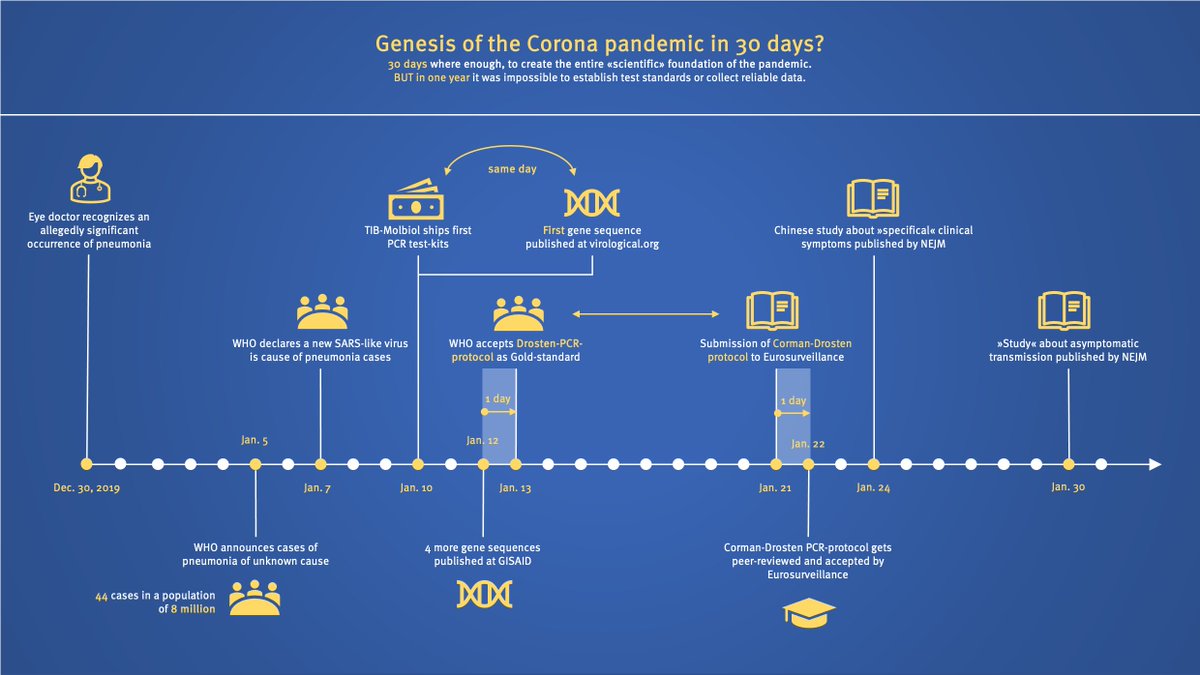
1/ At the end of December 2019, Wenliang, an eye doctor from Wuhan, noticed an allegedly unusual incidence of pneumonia. It remains a mystery what is unusual about 44 patients in a city with over 8 million citizens during winter.
2/ On Jan. 5, WHO informs for the first time about a pneumonia of unknown cause, which it can clarify by 7 January. The virus is believed to be a close relative of SARS. A fish market allegedly is the origin. The #Zoonosis legend, unproven until today, is born.

3/ On Jan. 10, the first gene sequence of the virus today called #SARS-CoV2 appears at https://t.co/tqxKgyykBr, and on Jan. 12, 4 more sequences are published by @edwardcholmes in the GISAID (Global Initiative on Sharing All Influenza Data)
4/ As early as January 13, just a single day later, WHO accepts Mr. #Drosten|s PCR testing protocol as gold
The #Corona crisis began with a panopticon of absurd events, improbable coincidences and outright lies.
Time for a review of the impossibilities.
A thread 🧵
1/ At the end of December 2019, Wenliang, an eye doctor from Wuhan, noticed an allegedly unusual incidence of pneumonia. It remains a mystery what is unusual about 44 patients in a city with over 8 million citizens during winter.
2/ On Jan. 5, WHO informs for the first time about a pneumonia of unknown cause, which it can clarify by 7 January. The virus is believed to be a close relative of SARS. A fish market allegedly is the origin. The #Zoonosis legend, unproven until today, is born.
3/ On Jan. 10, the first gene sequence of the virus today called #SARS-CoV2 appears at https://t.co/tqxKgyykBr, and on Jan. 12, 4 more sequences are published by @edwardcholmes in the GISAID (Global Initiative on Sharing All Influenza Data)
4/ As early as January 13, just a single day later, WHO accepts Mr. #Drosten|s PCR testing protocol as gold

You May Also Like





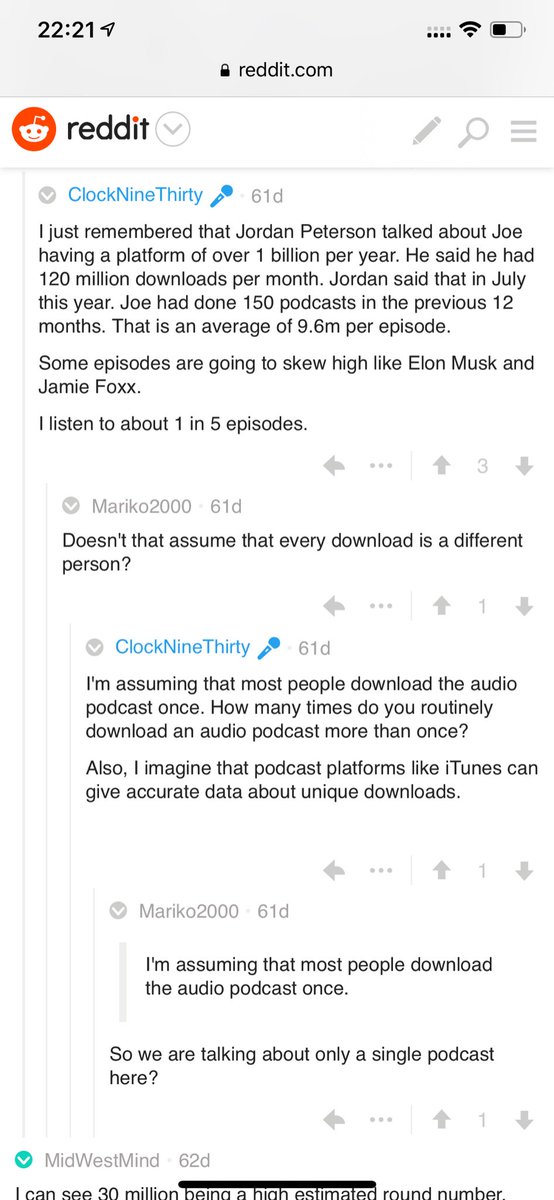
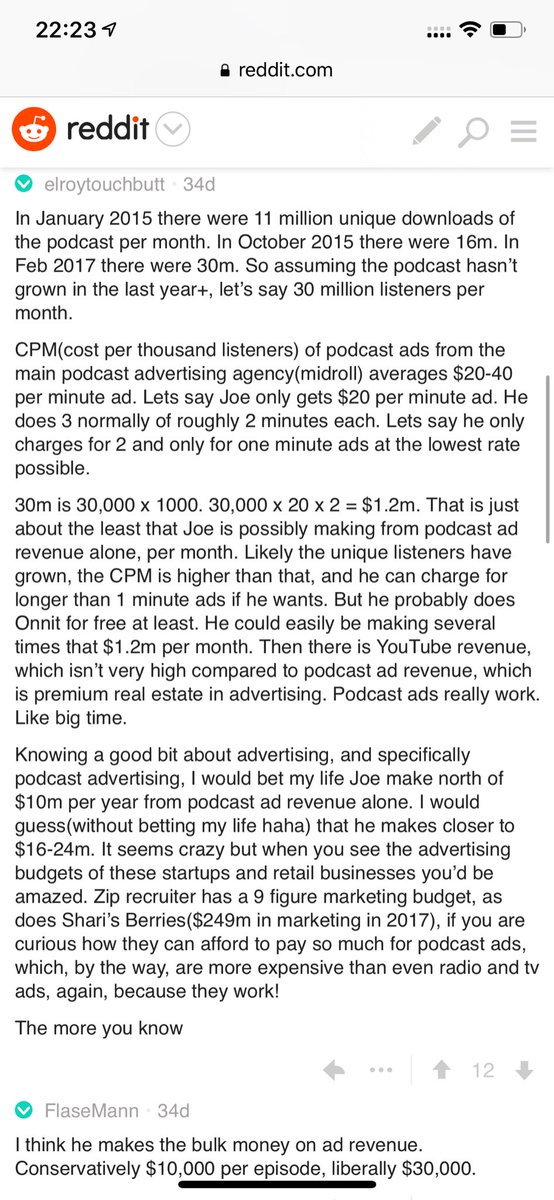
Joe Rogan's podcast is now is listened to 1.5+ billion times per year at around $50-100M/year revenue.
Independent and 100% owned by Joe, no networks, no middle men and a 100M+ people audience.
👏
https://t.co/RywAiBxA3s
Joe is the #1 / #2 podcast (depends per week) of all podcasts
120 million plays per month source https://t.co/k7L1LfDdcM
https://t.co/aGcYnVDpMu
Independent and 100% owned by Joe, no networks, no middle men and a 100M+ people audience.
👏
https://t.co/RywAiBxA3s
Joe is the #1 / #2 podcast (depends per week) of all podcasts
120 million plays per month source https://t.co/k7L1LfDdcM
https://t.co/aGcYnVDpMu