
THREAD on ancient Hindu system of measurement(मानापकरणविधानम्)
The Shilpa shastras give much insight into how dimensions such as length,width,height etc were measured. It is using this system that the smallest of murthis to the biggest of buildings were planned & constructed (1)
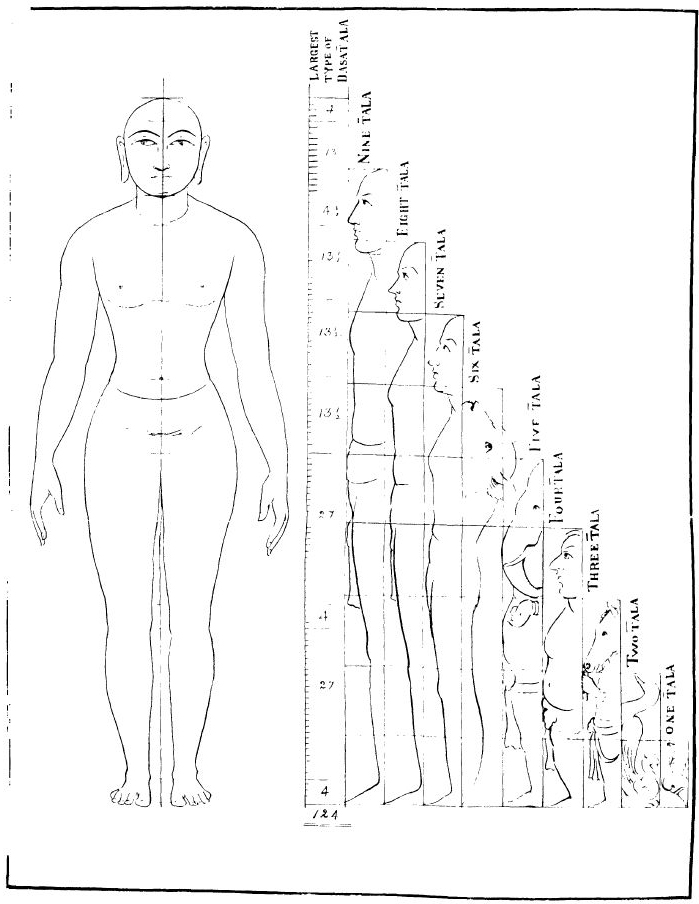
1) Sthapati
2) Sutragrahin
3) Vardhaki
4) Takshaka
Each one of the above have a specific role in the process of planning & construction (3)
वर्धकी(किर्) मानकर्मज्ञः तक्षणात्तक्षकः स्मृतः
Shastras say Sthapati must be well versed in all Shastras, Sutragrahin holds the Sutra(measuring rope), Vardhaki is well versed in measuring & Takshaka is well versed in carpentry (4)
ताभिरष्टाभिर्गुणितं रथधूलिरिति स्मृतम्
Shastra defines the smallest unit of measurement as a Paramanu (an atom). It is that unit which is perceptible to eyes of the Rishis. 8 Paramanu make what is called a Ratha-dhuli(molecule) (6)
वालागैरष्टधायुक्तं लिक्षा परिकीर्तितम्
8 such Ratha-dhuli combined together form a वालाग्र/Valagra (hair end)
8 hair-ends joined together form what is known as a लिक्षा/Liksha (a nit)
Nits are eggs of lice (insect)
(7)
यूकैरष्टाभिः(भिश्च) प्रोक्तं यवमेवं विधीयते
8 Likshas (nits) combined together form a यूक/Yuka (one lice insect)
8 Yukas combined together give us a यव/Yava (barleycorn)
Barleycorn is 1/3rd of an inch (around 8.47 mm)
(8)
8 Yavas (barleycorn) combined together give us an Angula (finger breadth). The Angula is the most important usable unit of measurement . It has been used & mentioned in the Rig Veda. Angula forms the basis for other bigger units. (9)
षट्सप्ताष्टयवैरेतत्कनिष्ठो(ष्ठ)मध्यमोत्तमम्
To account for different finger breadths, the Angula has been further classified into 3 different types. The small (6 yavas), the intermediate (7 yavas) & the large (8 yavas).
(10)
Vitasti is the distance between the tips of the stretched out thumb & ring finger.
(11)

An Angula added to one Kishku is called प्राजापत्य/Prajapatya(cubit)
(A cubit is the distance between tip of the middle finger to elbow)
25 Angulas together give us 1 Prajapatya Hasta
(12)

A cubit of 26 Angulas is called a धनुर्मुष्टि/Dhanur-mushti (bowlength)
सप्तविंशतिकाङ्गुल्यं हस्तमुक्तं धनुर्ग्रहम[हः]
A cubit of 27 Angulas is called a धनुर्ग्रह/ Dhanur-graha.
(13)
4 Dhanur mushtis make a दण्डा/Danda (churning stick)
8 such Dandas make what is known as a रज्जु/Rajju (measuring rope)
(14)

The Kishku measurement is recommended for the making of conveyances like chariots. It is also made use for the making of furniture.
Prajapatya measurement is used for planning & construction of mansions. (15)
There are bigger units of measurements like Gavyuti & Yojanas which are used for measuring geographical distances.
The scope of this thread is limited to measurements used in Architecture. (16)
It is using this system of measurement that all of the most intricate murthis to the biggest of Temples/Palaces/Cities of ancient Bharat were planned & constructed.
/end

https://t.co/qcgt1Y7kKU
The need to revive ancient Hindu architectural methods.
— Ugra (@_ugra_) December 11, 2020
Do read. https://t.co/kKgwer9p3O
More from Ugra




More from All







You May Also Like

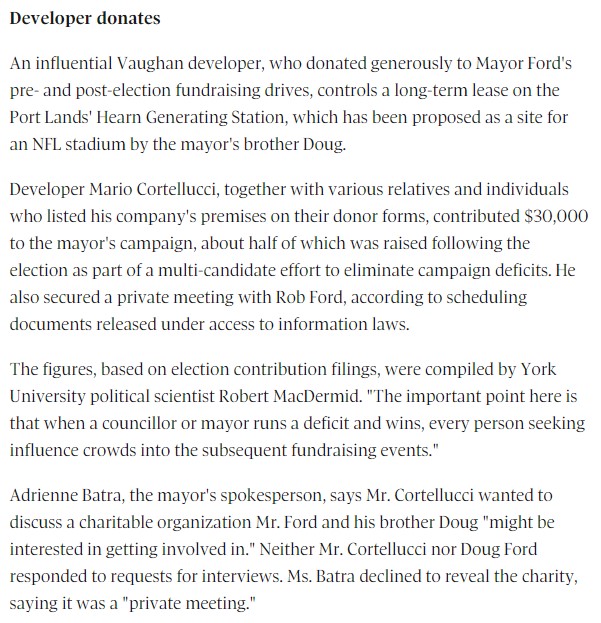
fascinated by this man, mario cortellucci, and his outsized influence on ontario and GTA politics. cortellucci, who lives in vaughan and ran as a far-right candidate for the italian senate back in 2018 - is a major ford donor...
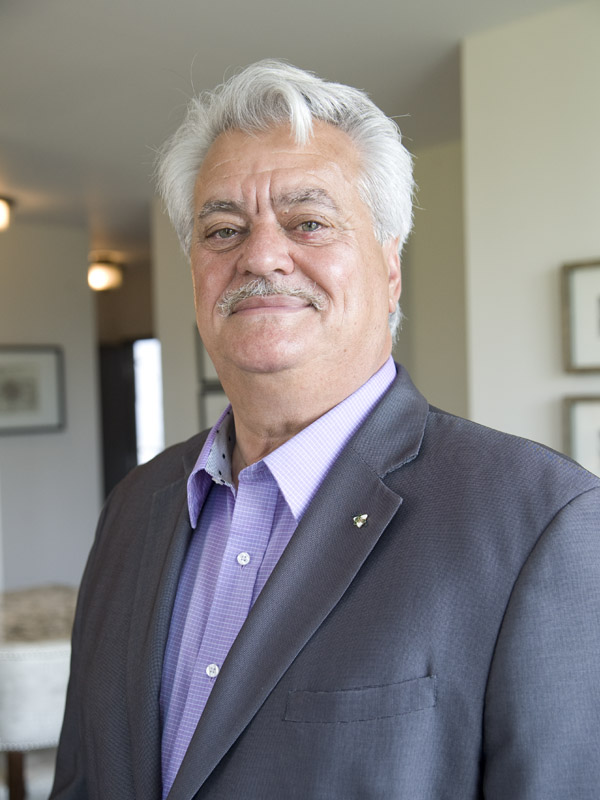
his name might sound familiar because the new cortellucci vaughan hospital at mackenzie health, the one doug ford has been touting lately as a covid-centric facility, is named after him and his family
but his name also pops up in a LOT of other ford projects. for instance - he controls the long term lease on big parts of toronto's portlands... where doug ford once proposed building an nfl stadium and monorail... https://t.co/weOMJ51bVF
cortellucci, who is a developer, also owns a large chunk of the greenbelt. doug ford's desire to develop the greenbelt has been
and late last year he rolled back the mandate of conservation authorities there, prompting the resignations of several members of the greenbelt advisory
his name might sound familiar because the new cortellucci vaughan hospital at mackenzie health, the one doug ford has been touting lately as a covid-centric facility, is named after him and his family
but his name also pops up in a LOT of other ford projects. for instance - he controls the long term lease on big parts of toronto's portlands... where doug ford once proposed building an nfl stadium and monorail... https://t.co/weOMJ51bVF
cortellucci, who is a developer, also owns a large chunk of the greenbelt. doug ford's desire to develop the greenbelt has been
and late last year he rolled back the mandate of conservation authorities there, prompting the resignations of several members of the greenbelt advisory





1/ Here’s a list of conversational frameworks I’ve picked up that have been helpful.
Please add your own.
2/ The Magic Question: "What would need to be true for you
3/ On evaluating where someone’s head is at regarding a topic they are being wishy-washy about or delaying.
“Gun to the head—what would you decide now?”
“Fast forward 6 months after your sabbatical--how would you decide: what criteria is most important to you?”
4/ Other Q’s re: decisions:
“Putting aside a list of pros/cons, what’s the *one* reason you’re doing this?” “Why is that the most important reason?”
“What’s end-game here?”
“What does success look like in a world where you pick that path?”
5/ When listening, after empathizing, and wanting to help them make their own decisions without imposing your world view:
“What would the best version of yourself do”?
Please add your own.
2/ The Magic Question: "What would need to be true for you
1/\u201cWhat would need to be true for you to\u2026.X\u201d
— Erik Torenberg (@eriktorenberg) December 4, 2018
Why is this the most powerful question you can ask when attempting to reach an agreement with another human being or organization?
A thread, co-written by @deanmbrody: https://t.co/Yo6jHbSit9
3/ On evaluating where someone’s head is at regarding a topic they are being wishy-washy about or delaying.
“Gun to the head—what would you decide now?”
“Fast forward 6 months after your sabbatical--how would you decide: what criteria is most important to you?”
4/ Other Q’s re: decisions:
“Putting aside a list of pros/cons, what’s the *one* reason you’re doing this?” “Why is that the most important reason?”
“What’s end-game here?”
“What does success look like in a world where you pick that path?”
5/ When listening, after empathizing, and wanting to help them make their own decisions without imposing your world view:
“What would the best version of yourself do”?