ChatGPT is the most powerful tool to make money online.

But with mediocre prompts, you get nowhere.

Here's my simple 13-step process I use to create and optimize prompts to make $13,000 every month (you can have it for free):

What you'll learn in this thread:

• How to create sophisticated and tailored AI prompts
• How to understand what audiences want and need
• How to optimize prompts for maximum output
• How to use AI to create new products
• How to monetize AI prompts
1. Defining the problem

To create a good prompt you need to understand the problem.

• What is the expected output of ChatGPT?
• Can you do the task manually?
• What input is required?

The first step should be doing the task manually.
2. Validate the problem

Pretend you are ChatGPT, ask someone you know to prompt you.

Write down:
• What was your thought process?
• Did you need more information?
• Is this task valuable for the person you are helping?

Define the:
• Input
• Steps
• Output
• Benchmark
3. Mess around with ChatGPT

• Try asking it to just do the task in one go.
• Try asking how it would break down the task.
• Try formulating the task differently.

Evaluate?

• Did it understand the steps?
• Was the quality good enough?
• Was it consistent?
4. Debug

The words you use matter.

Try:

• Use the same words you would use.
• Use the right terminology.
• Don't have typos.

See how using words impacts the output.
5. Try adding more information.

Just like you, ChatGPT needs to do research.

Try giving background information on the task you want it to do:
• Related books or people.
• Explanations and definitions.
• Example of how it should do the steps.

Give it a chance to reflect.
6. Make it think

ChatGPT jumps to conclusions. You need to make it think.

Instead of answering a question directly, make it independently asks itself follow-up questions whose answers lead to the final answer.
7. Select the plattform

The prompt needs to be usable for your customers.

You have three options:
1. Sell the prompt.
2. Make an app around the prompt.
3. Use the prompt in an existing app.

How?
1. Sell on gumroad
2. Use no-code + Openai api
3. Your app and + Openai api
8. Iterate the prompt

Use customer feedback to optimize the prompt.

• Did they understand the output?
• Did it meet their expectation?
• Was the step-by-step process intuitive?

In almost all cases, you will face these problems.
9. Aligning customer expectations.

In generative AI the customers have expectations.

You need to surpass expectations.

How?
• Show examples to expect.
• Explain output.
• Output content that is difficult to make.
10. Pivot

At Tribescaler customers didn't like our generated twitter thread content, except for one sentence, the hook.

In user testing:
"Can I save that hook? I want to use it".

The customer shouldn't be able to imagine life without your prompt.
11. Monetize

Using OpenAI costs money.

Important principle:
Charge a percentage of the value created, not to cover costs.

A good prompt should create enormous value.
11. What is a good prompt?

Prompts do different things:
- Answer: Ask about anything.
- Creating: Article generation.
- Upskill you: Write code.

The highest value is all at once.

Example:
- How to survive in the arctic?
- Get ideas.
- Make mindmap.
https://t.co/SqDMUaFrC2
12. Advanced topics

You need more advanced techniques to survive as an AI startup in 2023.

Here are tools to get you started:

• Prompt engineering: https://t.co/hHodEcEs9i
• GPT Memory: https://t.co/o5H7Y2D2Z8
• Integrate Google: https://t.co/RO3YghYhGH
And that's it!

If you enjoyed this and you're into AI and prompt engineering:

1. Follow me @Claybight for more badass threads like this

2. Retweet the 1st tweet of this thread to help inspire others
TL;DR (Part I)

13-step process I use to create prompts to make $13,000 every month.

• Understand the problem and validate it
• Mess around with ChatGPT
• Debug your AI prompts
• Integrate more information
• Make it think
• Select the platform
• Iterate your prompts
TL;DR (Part II)

• Align customer expectations
• Pivot to a better solution
• Monetize your skills
• What is a good prompt?
• GPT-3 stack technologies

More from All

Master Thread of all my threads!

Hello!! 👋

• I have curated some of the best tweets from the best traders we know of.

• Making one master thread and will keep posting all my threads under this.

• Go through this for super learning/value totally free of cost! 😃

1. 7 FREE OPTION TRADING COURSES FOR


2. THE ABSOLUTE BEST 15 SCANNERS EXPERTS ARE USING

Got these scanners from the following accounts:

1. @Pathik_Trader
2. @sanjufunda
3. @sanstocktrader
4. @SouravSenguptaI
5. @Rishikesh_ADX


3. 12 TRADING SETUPS which experts are using.

These setups I found from the following 4 accounts:

1. @Pathik_Trader
2. @sourabhsiso19
3. @ITRADE191
4.


4. Curated tweets on HOW TO SELL STRADDLES.

Everything covered in this thread.
1. Management
2. How to initiate
3. When to exit straddles
4. Examples
5. Videos on
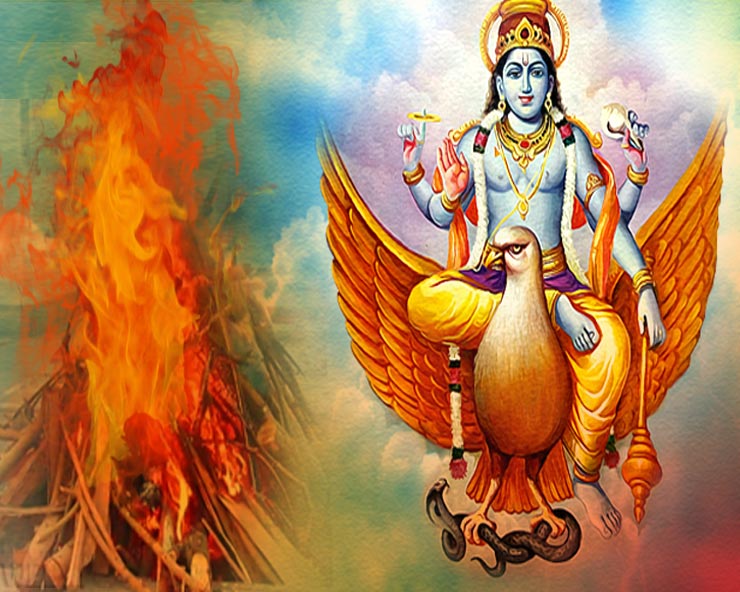
🌺श्री गरुड़ पुराण - संक्षिप्त वर्णन🌺

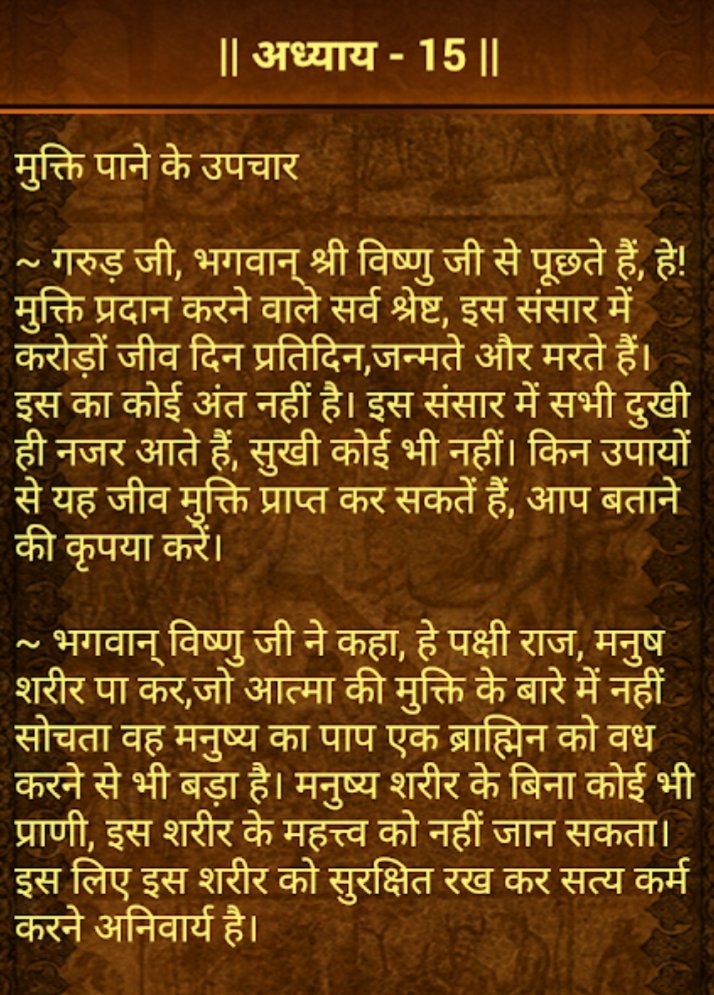
हिन्दु धर्म के 18 पुराणों में से एक गरुड़ पुराण का हिन्दु धर्म में बड़ा महत्व है। गरुड़ पुराण में मृत्यु के बाद सद्गती की व्याख्या मिलती है। इस पुराण के अधिष्ठातृ देव भगवान विष्णु हैं, इसलिए ये वैष्णव पुराण है।


गरुड़ पुराण के अनुसार हमारे कर्मों का फल हमें हमारे जीवन-काल में तो मिलता ही है परंतु मृत्यु के बाद भी अच्छे बुरे कार्यों का उनके अनुसार फल मिलता है। इस कारण इस पुराण में निहित ज्ञान को प्राप्त करने के लिए घर के किसी सदस्य की मृत्यु के बाद का समय निर्धारित किया गया है...

..ताकि उस समय हम जीवन-मरण से जुड़े सभी सत्य जान सकें और मृत्यु के कारण बिछडने वाले सदस्य का दुख कम हो सके।
गरुड़ पुराण में विष्णु की भक्ति व अवतारों का विस्तार से उसी प्रकार वर्णन मिलता है जिस प्रकार भगवत पुराण में।आरम्भ में मनु से सृष्टि की उत्पत्ति,ध्रुव चरित्र की कथा मिलती है।


तदुपरांत सुर्य व चंद्र ग्रहों के मंत्र, शिव-पार्वती मंत्र,इन्द्र सम्बंधित मंत्र,सरस्वती मंत्र और नौ शक्तियों के बारे में विस्तार से बताया गया है।
इस पुराण में उन्नीस हज़ार श्लोक बताए जाते हैं और इसे दो भागों में कहा जाता है।
प्रथम भाग में विष्णुभक्ति और पूजा विधियों का उल्लेख है।

मृत्यु के उपरांत गरुड़ पुराण के श्रवण का प्रावधान है ।
पुराण के द्वितीय भाग में 'प्रेतकल्प' का विस्तार से वर्णन और नरकों में जीव के पड़ने का वृत्तांत मिलता है। मरने के बाद मनुष्य की क्या गति होती है, उसका किस प्रकार की योनियों में जन्म होता है, प्रेत योनि से मुक्ति के उपाय...
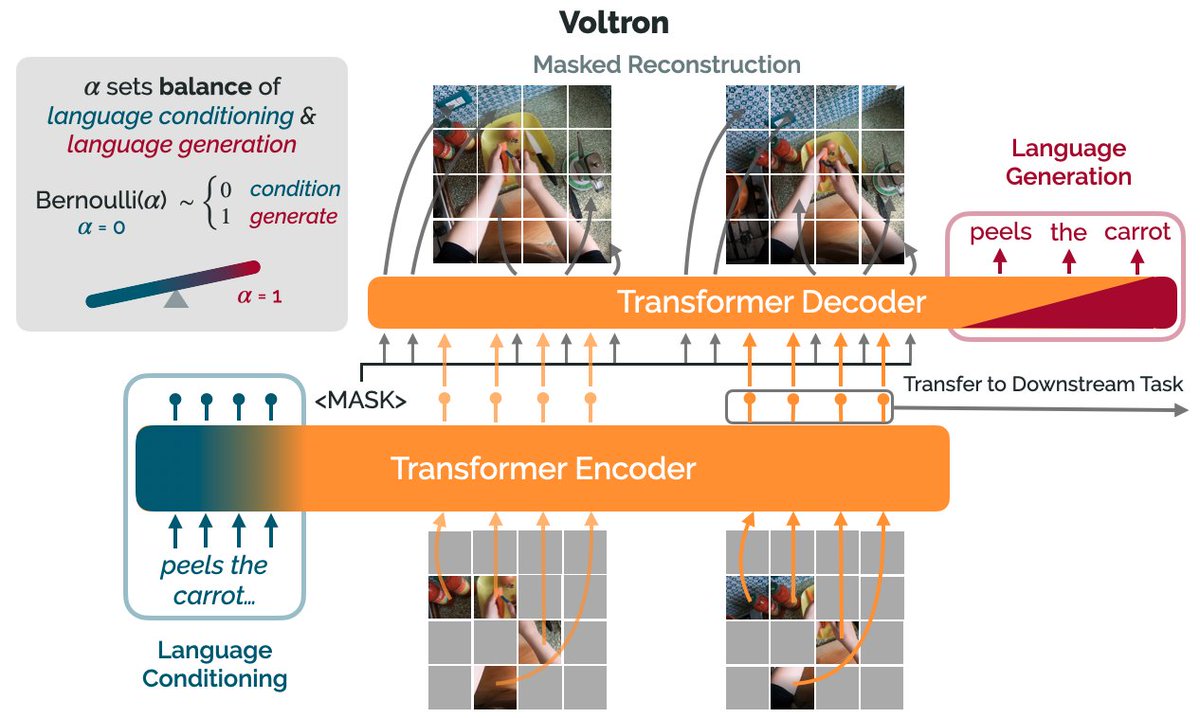
How can we use language supervision to learn better visual representations for robotics?

Introducing Voltron: Language-Driven Representation Learning for Robotics!

Paper: https://t.co/gIsRPtSjKz
Models: https://t.co/NOB3cpATYG
Evaluation: https://t.co/aOzQu95J8z

🧵👇(1 / 12)


Videos of humans performing everyday tasks (Something-Something-v2, Ego4D) offer a rich and diverse resource for learning representations for robotic manipulation.

Yet, an underused part of these datasets are the rich, natural language annotations accompanying each video. (2/12)

The Voltron framework offers a simple way to use language supervision to shape representation learning, building off of prior work in representations for robotics like MVP (
https://t.co/Pb0mk9hb4i) and R3M (https://t.co/o2Fkc3fP0e).

The secret is *balance* (3/12)

Starting with a masked autoencoder over frames from these video clips, make a choice:

1) Condition on language and improve our ability to reconstruct the scene.

2) Generate language given the visual representation and improve our ability to describe what's happening. (4/12)

By trading off *conditioning* and *generation* we show that we can learn 1) better representations than prior methods, and 2) explicitly shape the balance of low and high-level features captured.

Why is the ability to shape this balance important? (5/12)

You May Also Like

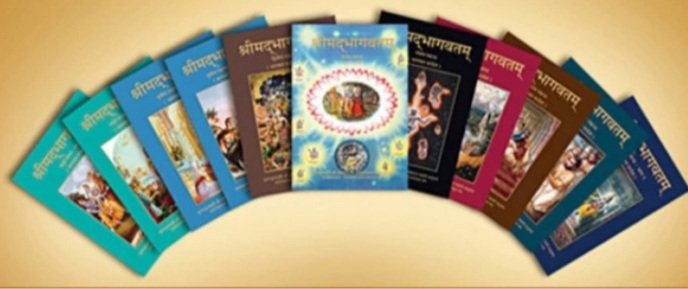
IMPORTANCE, ADVANTAGES AND CHARACTERISTICS OF BHAGWAT PURAN

It was Ved Vyas who edited the eighteen thousand shlokas of Bhagwat. This book destroys all your sins. It has twelve parts which are like kalpvraksh.

In the first skandh, the importance of Vedvyas


and characters of Pandavas are described by the dialogues between Suutji and Shaunakji. Then there is the story of Parikshit.
Next there is a Brahm Narad dialogue describing the avtaar of Bhagwan. Then the characteristics of Puraan are mentioned.

It also discusses the evolution of universe.(
https://t.co/2aK1AZSC79 )

Next is the portrayal of Vidur and his dialogue with Maitreyji. Then there is a mention of Creation of universe by Brahma and the preachings of Sankhya by Kapil Muni.


In the next section we find the portrayal of Sati, Dhruv, Pruthu, and the story of ancient King, Bahirshi.
In the next section we find the character of King Priyavrat and his sons, different types of loks in this universe, and description of Narak. ( https://t.co/gmDTkLktKS )


In the sixth part we find the portrayal of Ajaamil ( https://t.co/LdVSSNspa2 ), Daksh and the birth of Marudgans( https://t.co/tecNidVckj )

In the seventh section we find the story of Prahlad and the description of Varnashram dharma. This section is based on karma vaasna.
The YouTube algorithm that I helped build in 2011 still recommends the flat earth theory by the *hundreds of millions*. This investigation by @RawStory shows some of the real-life consequences of this badly designed AI.


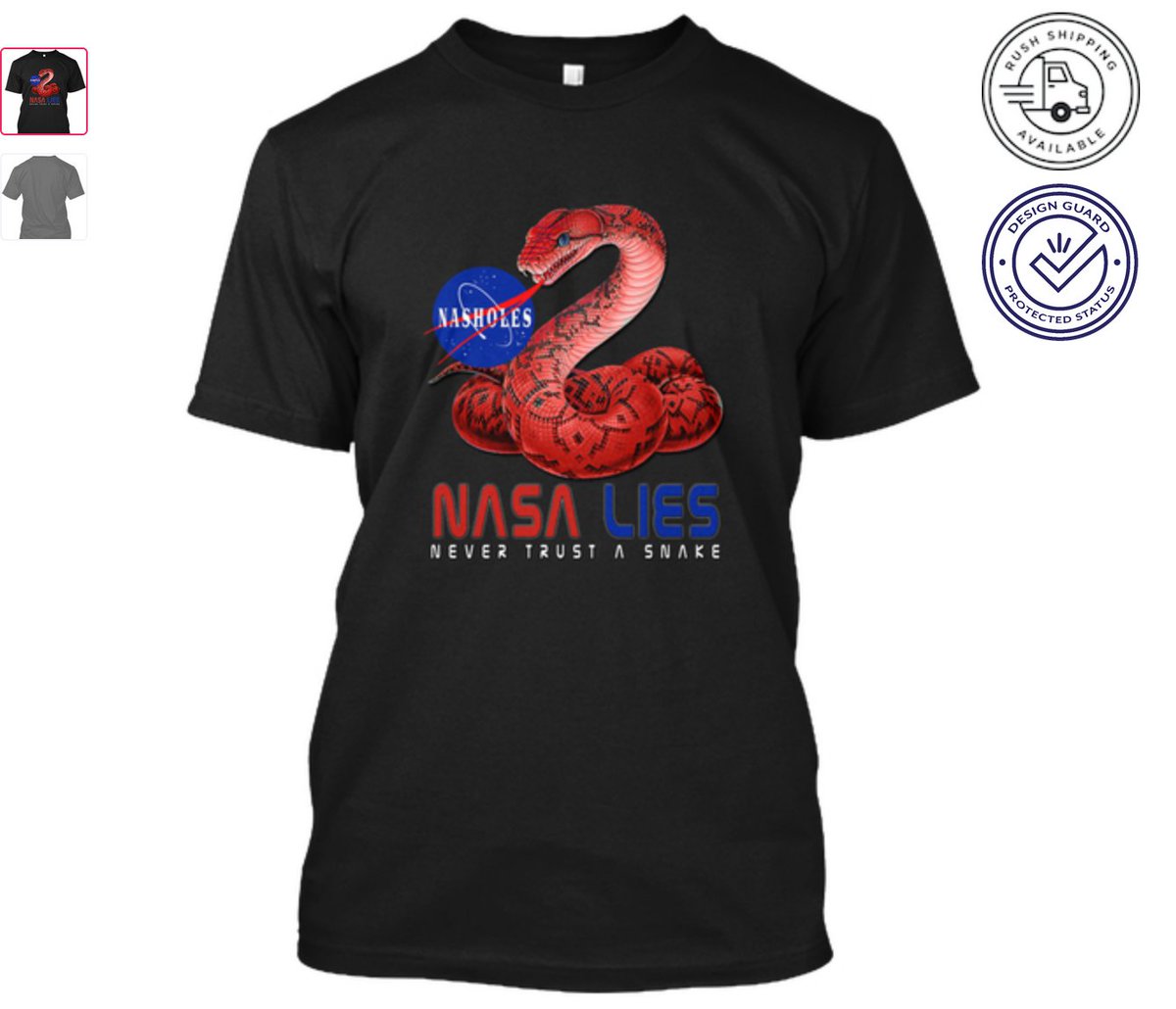
This spring at SxSW, @SusanWojcicki promised "Wikipedia snippets" on debated videos. But they didn't put them on flat earth videos, and instead @YouTube is promoting merchandising such as "NASA lies - Never Trust a Snake". 2/


A few example of flat earth videos that were promoted by YouTube #today:
https://t.co/TumQiX2tlj 3/

https://t.co/uAORIJ5BYX 4/

https://t.co/yOGZ0pLfHG 5/