How to Read chart ( example Tata Motors )🧵🧵

- Short Term
- Long Term
- Reversal

Kindly like Re Tweet for Max Reach

1) Check Current trend :

Here in chart :
Retest - Chart breakout from downtrend
Wave 1 > Consolidation 1 > Wave 2 > Consolidation 2

Now Wave 3 above breakout of Consolidation 2
2) When this uptrend can reverse ?

- Resistance of Wave 1 = Support of Wave 2
- Till price is above high of previous wave its uptrend
- If it breaks trend weakens and may reverse
3) When to enter ?

- Chart consolidates after every pump
- Always enter in breakout of consolidation

Shown in chart below -
4) When to exit ?

- When it breaks the high of previous wave / upside
- When it breaks trendline support
- When there is BIG BIG Red candle
5) How to ride momentum -

- Enter on breakout from consolidation
- Enter on BIG Green candles
- Enter on EMA Consolidations
6) Kindly follow my handle @myfirststock99 as I keep posting such learning stuff every weekend.

Join telegram for more updates - https://t.co/i2GEoB7pS2

More from My First Stock

A thread full of Learning Threads🧵🧵

1) How to Read candles
2) How to use Trading view Screeners
3) How to create custom screeners
4) Find Multibagger stocks
5) Intraday chart analysis
6) Fundamental terms
7) Straddle buying strategy

Kindly Re Tweet for max reach 🙏

1) Candlestick analysis


2) Trading View


3) Create custom screeners


4) Find Multibagger Stocks

More from All

You May Also Like

I just finished Eric Adler's The Battle of the Classics, and wanted to say something about Joel Christiansen's review linked below. I am not sure what motivates the review (I speculate a bit below), but it gives a very misleading impression of the book. 1/x


The meat of the criticism is that the history Adler gives is insufficiently critical. Adler describes a few figures who had a great influence on how the modern US university was formed. It's certainly critical: it focuses on the social Darwinism of these figures. 2/x

Other insinuations and suggestions in the review seem wildly off the mark, distorted, or inappropriate-- for example, that the book is clickbaity (it is scholarly) or conservative (hardly) or connected to the events at the Capitol (give me a break). 3/x

The core question: in what sense is classics inherently racist? Classics is old. On Adler's account, it begins in ancient Rome and is revived in the Renaissance. Slavery (Christiansen's primary concern) is also very old. Let's say classics is an education for slaveowners. 4/x

It's worth remembering that literacy itself is elite throughout most of this history. Literacy is, then, also the education of slaveowners. We can honor oral and musical traditions without denying that literacy is, generally, good. 5/x
THE MEANING, SIGNIFICANCE AND HISTORY OF SWASTIK

The Swastik is a geometrical figure and an ancient religious icon. Swastik has been Sanatan Dharma’s symbol of auspiciousness – mangalya since time immemorial.


The name swastika comes from Sanskrit (Devanagari: स्वस्तिक, pronounced: swastik) &denotes “conducive to wellbeing or auspicious”.
The word Swastik has a definite etymological origin in Sanskrit. It is derived from the roots su – meaning “well or auspicious” & as meaning “being”.


"सु अस्ति येन तत स्वस्तिकं"
Swastik is de symbol through which everything auspicios occurs

Scholars believe word’s origin in Vedas,known as Swasti mantra;

"🕉स्वस्ति ना इन्द्रो वृधश्रवाहा
स्वस्ति ना पूषा विश्ववेदाहा
स्वस्तिनास्तरक्ष्यो अरिश्तनेमिही
स्वस्तिनो बृहस्पतिर्दधातु"


It translates to," O famed Indra, redeem us. O Pusha, the beholder of all knowledge, redeem us. Redeem us O Garudji, of limitless speed and O Bruhaspati, redeem us".

SWASTIK’s COSMIC ORIGIN

The Swastika represents the living creation in the whole Cosmos.


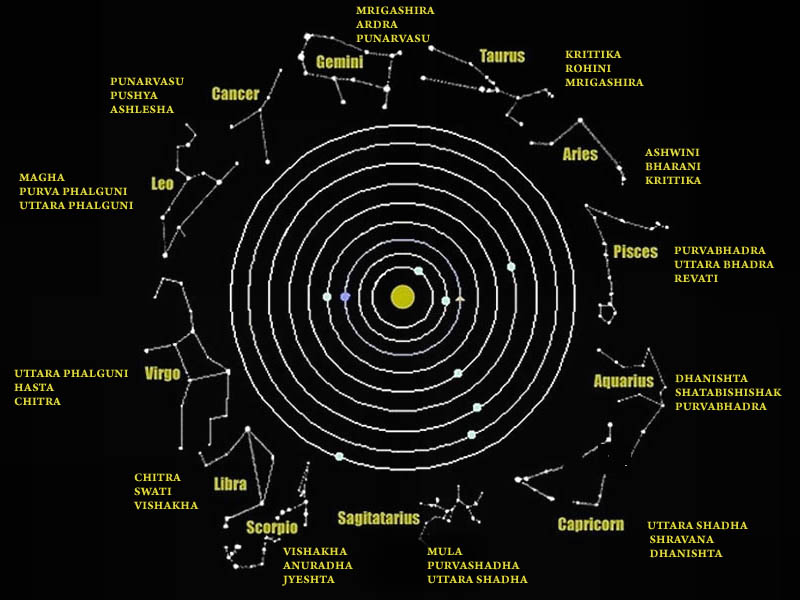
Hindu astronomers divide the ecliptic circle of cosmos in 27 divisions called
https://t.co/sLeuV1R2eQ this manner a cross forms in 4 directions in the celestial sky. At centre of this cross is Dhruva(Polestar). In a line from Dhruva, the stars known as Saptarishi can be observed.