
Abia is an acronym from the four main groups of people in the state as at the time it was formed in 1991: Aba Bende Isuikwuato Afikpo.
How the 36 Nigerian states got their names. A thread 🧵

Abia is an acronym from the four main groups of people in the state as at the time it was formed in 1991: Aba Bende Isuikwuato Afikpo.
Adamawa was named after a warrior, Modibbo Adama Bin Ardo Hassan, that conquered the region in the beginning of the 19th century.
The state got its name from the corrupted version of Oma Mbala (Ànyịm Ọma Mbala), a popular river in the area.
'Bauchi’ is Hausa word meaning the southern flanks of Hausaland. Tribes living in the southern parts of the Hausaland were referred to as "kasashen bauchi" and the area they lived in later came to be known simply as Bauchi.
Bayelsa is a combination of the acronyms of three local government areas which were pulled out of old Rivers state — Brass LGA known as BALGA, Yenegoa LGA known as YELGA and Sagbama LGA known as SALGA. in the formation of their names is BA + YEL + SA
The state was named after the "europeanised" corruption of 'Binuwe', the Batta word for ‘Mother of Waters’.
The alternative name of the Kanuris, the predominant ethnic group in the state, is 'Borno' which gave inspiration for the naming of the state.
Ebonyi is the anglicised version of 'Aboine', a river that cuts through Abakaliki, the state capital.
The Bini people who dwell in the area had always referred to themselves as Edo or Iduu. This inspired the name of the state.
‘Okiti’ is a term that is said to denote a settlement of many hills. It later became 'Ekiti'.
Due to the many hills and rocky terrain in the area, the people named it in igbo, "Enu Ugwu" meaning "top of the hill". The state is named after the anglicised version, Enugu.
'Kadunas' is the plural form of crocodile in Hausa. The state therefore got its name from the many crocodiles in Kaduna River
Kano was the name of a blacksmith from the Gaya tribe who settled in the area while sourcing for ironstone. The state was named after him.
The state was named after the wife of a popular local ruler known as Janzama. Her name was Katsina
Since the popular confluence in Nigeria is located in the state, Kogi is said to have been derived from ‘kogin’, the hausa word for river.
River Niger used to be called River Kwara by the Nupes at the Northern border of the state. The state was named after this.
In 1472, the first set of Europeans to set foot in Lagos were the Portuguese. Due to the many lagoons and rivers in the town, they named it Lagos, which is the Portuguese word for 'lakes'.
Nasarawa is a native word for 'victorious'. The state was named by the founder of Nasarawa kingdom, Makama Dogo
Ondo is a word used for settlers. The state was named after the settlers of the old Ondo Kingdom
The state was named after the picturesque Jos plateau. Jos got its name from the mispronunciation of the town 'Gwosh'
Sokoto is the anglicized version of the Arabic word ‘suk’ meaning ‘market’ or ‘place of commerce’. The state itself was named after the defunct Sokoto Caliphate
Komadugu Yobe (Waube or Ouobe) or River Yobe (or River of Yo) inspired the name of the state.
This state was named after Zamfarawa, one of the subdialects of the Eastern Hausa group.
"Abuja" was in the earlier 20th century the name of the nearby town now called Suleja.
The indigenous inhabitants of Abuja are the Gbagyi (Gwari), with the Gbagyi language formerly the major of the region language

Join now 👇🏾
https://t.co/Yo8FWP9mli
More from World


fascinated by this man, mario cortellucci, and his outsized influence on ontario and GTA politics. cortellucci, who lives in vaughan and ran as a far-right candidate for the italian senate back in 2018 - is a major ford donor...
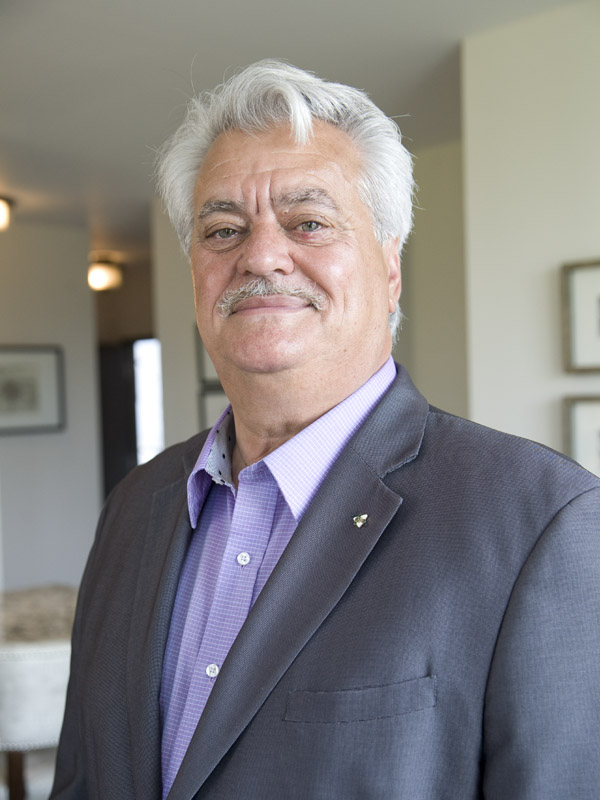
his name might sound familiar because the new cortellucci vaughan hospital at mackenzie health, the one doug ford has been touting lately as a covid-centric facility, is named after him and his family
but his name also pops up in a LOT of other ford projects. for instance - he controls the long term lease on big parts of toronto's portlands... where doug ford once proposed building an nfl stadium and monorail... https://t.co/weOMJ51bVF
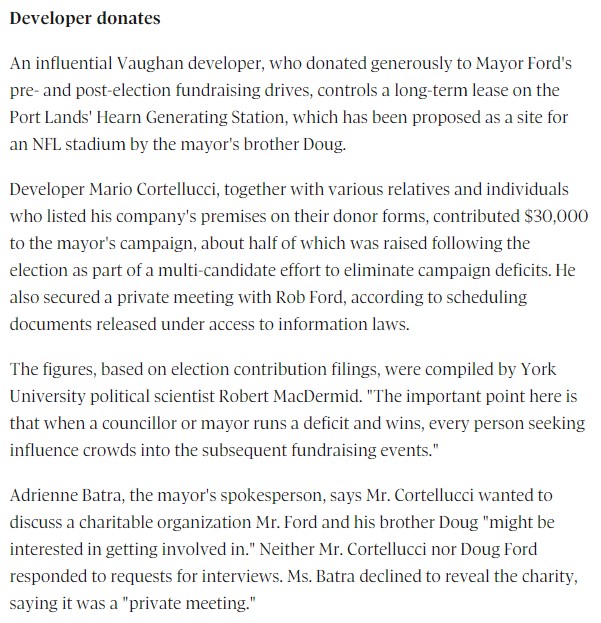
cortellucci, who is a developer, also owns a large chunk of the greenbelt. doug ford's desire to develop the greenbelt has been
and late last year he rolled back the mandate of conservation authorities there, prompting the resignations of several members of the greenbelt advisory
his name might sound familiar because the new cortellucci vaughan hospital at mackenzie health, the one doug ford has been touting lately as a covid-centric facility, is named after him and his family
but his name also pops up in a LOT of other ford projects. for instance - he controls the long term lease on big parts of toronto's portlands... where doug ford once proposed building an nfl stadium and monorail... https://t.co/weOMJ51bVF
cortellucci, who is a developer, also owns a large chunk of the greenbelt. doug ford's desire to develop the greenbelt has been
and late last year he rolled back the mandate of conservation authorities there, prompting the resignations of several members of the greenbelt advisory

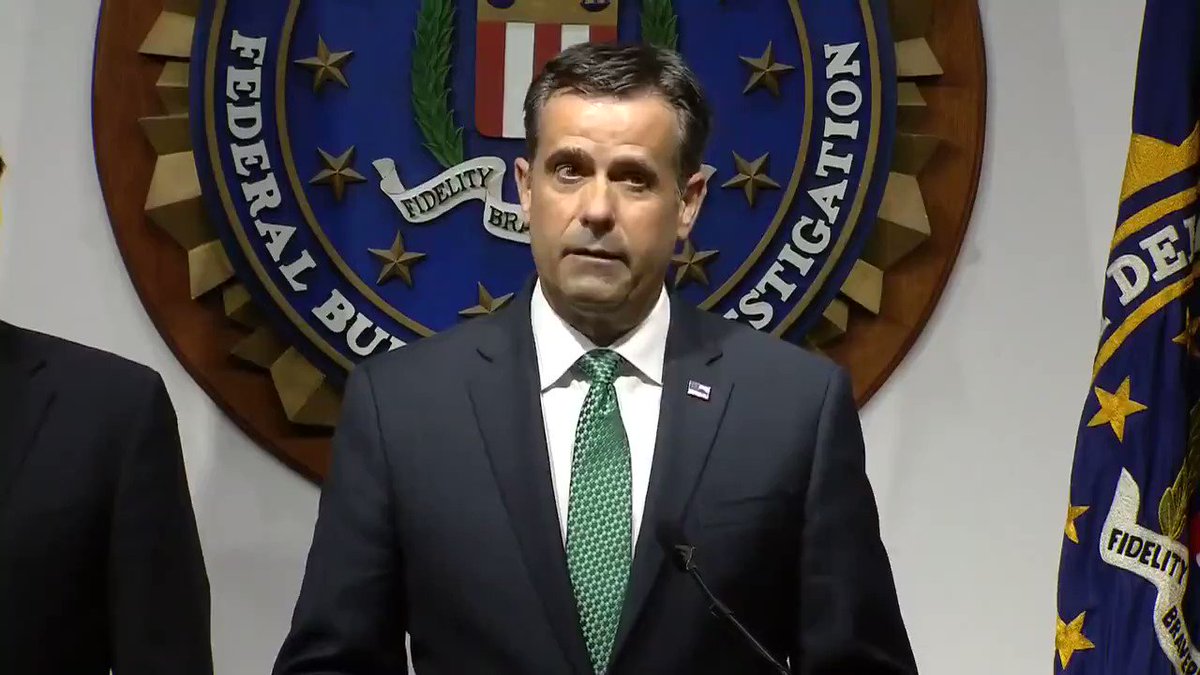

Watch the entire discussion if you have the time to do so. But if not, please make sure to watch Edhem Eldem summarizing ~150 years of democracy in Turkey in 6 minutes (starting on 57'). And if you can't watch it, fear not; I've transcribed it for you (as public service). Thread:
"Let me start by saying that I am a historian, I see dead people. But more seriously, I am constantly torn between the temptation to see patterns developing over time, and the fear of hasty generalizations and anachronistic comparisons. 1/n
"Nevertheless, the present situation forces me to explore the possible historical dimensions of the problem we're facing today. 2/n
"(...)I intend to go further back in time and widen the angle in order to focus on the confusion I believe exists between the notions of 'state', 'government', and 'public institutions' in Turkey. 3/n
"In the summer of 1876, that's a historical quote, as Midhat Pasa was trying to draft a constitution, Edhem Pasa wrote to Saffet Pasa, and I quote in Turkish, 'Bize Konstitusyon degil enstitusyon lazim' ('It is not a constitution we need but institutions'). 4/n
https://t.co/1GtPJaxi1H - Ka\xe7\u0131rmay\u0131n bu muhte\u015fem Bo\u011fazi\xe7i hocalar\u0131 ge\xe7idini !
— dilek cinar (@dlkcinar) February 16, 2021
"Let me start by saying that I am a historian, I see dead people. But more seriously, I am constantly torn between the temptation to see patterns developing over time, and the fear of hasty generalizations and anachronistic comparisons. 1/n
"Nevertheless, the present situation forces me to explore the possible historical dimensions of the problem we're facing today. 2/n
"(...)I intend to go further back in time and widen the angle in order to focus on the confusion I believe exists between the notions of 'state', 'government', and 'public institutions' in Turkey. 3/n
"In the summer of 1876, that's a historical quote, as Midhat Pasa was trying to draft a constitution, Edhem Pasa wrote to Saffet Pasa, and I quote in Turkish, 'Bize Konstitusyon degil enstitusyon lazim' ('It is not a constitution we need but institutions'). 4/n

You May Also Like


First thread of the year because I have time during MCO. As requested, a thread on the gods and spirits of Malay folk religion. Some are indigenous, some are of Indian origin, some have Islamic
Before I begin, it might be worth explaining the Malay conception of the spirit world. At its deepest level, Malay religious belief is animist. All living beings and even certain objects are said to have a soul. Natural phenomena are either controlled by or personified as spirits
Although these beings had to be respected, not all of them were powerful enough to be considered gods. Offerings would be made to the spirits that had greater influence on human life. Spells and incantations would invoke their
Two known examples of such elemental spirits that had god-like status are Raja Angin (king of the wind) and Mambang Tali Arus (spirit of river currents). There were undoubtedly many more which have been lost to time
Contact with ancient India brought the influence of Hinduism and Buddhism to SEA. What we now call Hinduism similarly developed in India out of native animism and the more formal Vedic tradition. This can be seen in the multitude of sacred animals and location-specific Hindu gods
i wonder if you can make a thread bout witchcraft in malaysia.. or list of our own local gods/deites..
— r a y a \U0001f319 (@lcvelylilith) February 20, 2020
Before I begin, it might be worth explaining the Malay conception of the spirit world. At its deepest level, Malay religious belief is animist. All living beings and even certain objects are said to have a soul. Natural phenomena are either controlled by or personified as spirits
Although these beings had to be respected, not all of them were powerful enough to be considered gods. Offerings would be made to the spirits that had greater influence on human life. Spells and incantations would invoke their
Animist ceremonies of a religious or magical nature were normally held for the purpose of divination or making a request. This would either be done at a keramat or at a shrine similar to the Thai spirit houses or Chinese roadside shrines pic.twitter.com/I1hliyi0x3
— \u2745\u1710\u170b\u1713\u170e (@uglyluhan) June 16, 2019
Two known examples of such elemental spirits that had god-like status are Raja Angin (king of the wind) and Mambang Tali Arus (spirit of river currents). There were undoubtedly many more which have been lost to time
Contact with ancient India brought the influence of Hinduism and Buddhism to SEA. What we now call Hinduism similarly developed in India out of native animism and the more formal Vedic tradition. This can be seen in the multitude of sacred animals and location-specific Hindu gods


