Tomorrow on #HMD2021 we remember victims of the genocidal Nazi regime and of the many acts of other governments in the years since and in today. As it’s @Humanists_UK 125th anniversary and a year for humanist history, I also want to think about the Nazis' humanist victims. 1/9

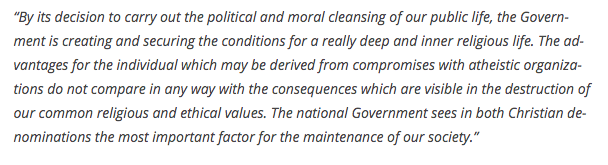
In 1933 the Nazi government banned humanist and other freethinking and secular groups. Hitler boasted he'd won his ‘fight against the atheist movement’ and ‘stamped it out’. That year Hitler made many speeches saying that only Christian organisations could be permitted 2/9
The largest organisation that found itself banned was the Deutscher Freidenkerbund. It had 600,000 members and was founded just 15 years before @Humanists_UK. Its headquarters were confiscated and given to the Protestant churches, who converted it into a Christian mission 3/9
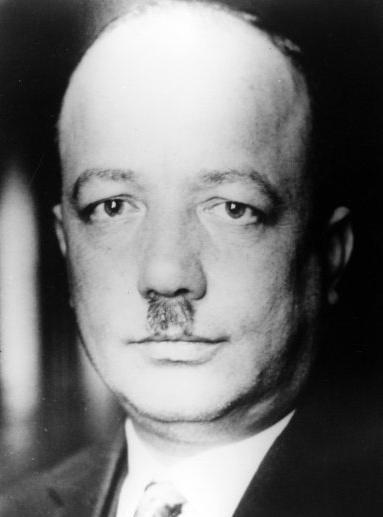
This is Max Sievers, who was the last chair of the Deutscher Freidenkerbund. He was already in exile in Belgium at the time the ban came into effect. He fled to the USA in 1939 but was denied a visa and returned. He was guillotined for treason in Brandenburg Prison in 1943. 4/9
Humanist culture had long been thriving in Germany (even the English word humanism came to us in the 19th century from the German Humanismus) but the attempted annihilation of it as a culture was very successful, as it was across Europe by both Fascism and Marxist-Leninism 5/9
It has taken many years for humanist organisations in Germany to restore themselves to the membership numbers and social recognition they enjoyed in the late nineteenth and early twentieth centuries. 6/9 https://t.co/bGES2qBnsF
The same was true of humanist organisations across Europe and, in fact, in the end it proved impossible to re-form the 19th century world union that had held its last world assembly in @ConwayHall in 1938. A new organisation was needed - and that’s how @HumanistsInt was born! 7/9
The first resolution of @HumanistsInt when it met in Amsterdam in 1952, was to give unanimous support to the UN's new Universal Declaration of Human Rights. Out of all the horror, a new commitment to human solidarity was born. 8/9
That commitment needs constant restatement, and that’s what #HolocaustMemorialDay means to me. It’s a time not just to remember the victims of genocide, but to reinvigorate our commitment to universal human rights and dignity. It's a time to #LightTheDarkness 9/9

More from World

You May Also Like

1/ Some initial thoughts on personal moats:

Like company moats, your personal moat should be a competitive advantage that is not only durable—it should also compound over time.

Characteristics of a personal moat below:


2/ Like a company moat, you want to build career capital while you sleep.

As Andrew Chen noted:


3/ You don’t want to build a competitive advantage that is fleeting or that will get commoditized

Things that might get commoditized over time (some longer than


4/ Before the arrival of recorded music, what used to be scarce was the actual music itself — required an in-person artist.

After recorded music, the music itself became abundant and what became scarce was curation, distribution, and self space.

5/ Similarly, in careers, what used to be (more) scarce were things like ideas, money, and exclusive relationships.

In the internet economy, what has become scarce are things like specific knowledge, rare & valuable skills, and great reputations.