To start, choose a set of bands with different resistance levels to vary the intensity of your exercises and train them close to failure for the hypertrophy.
You can buy a pair of resistance bands for INR 500 and bring them with you everywhere
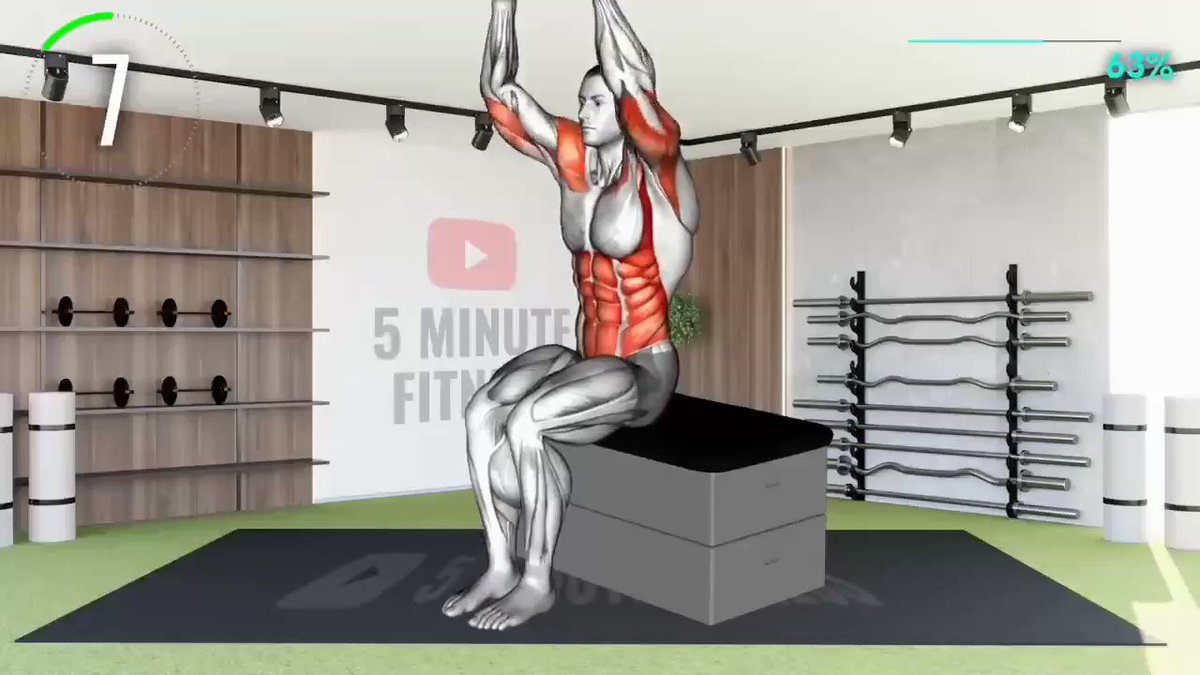
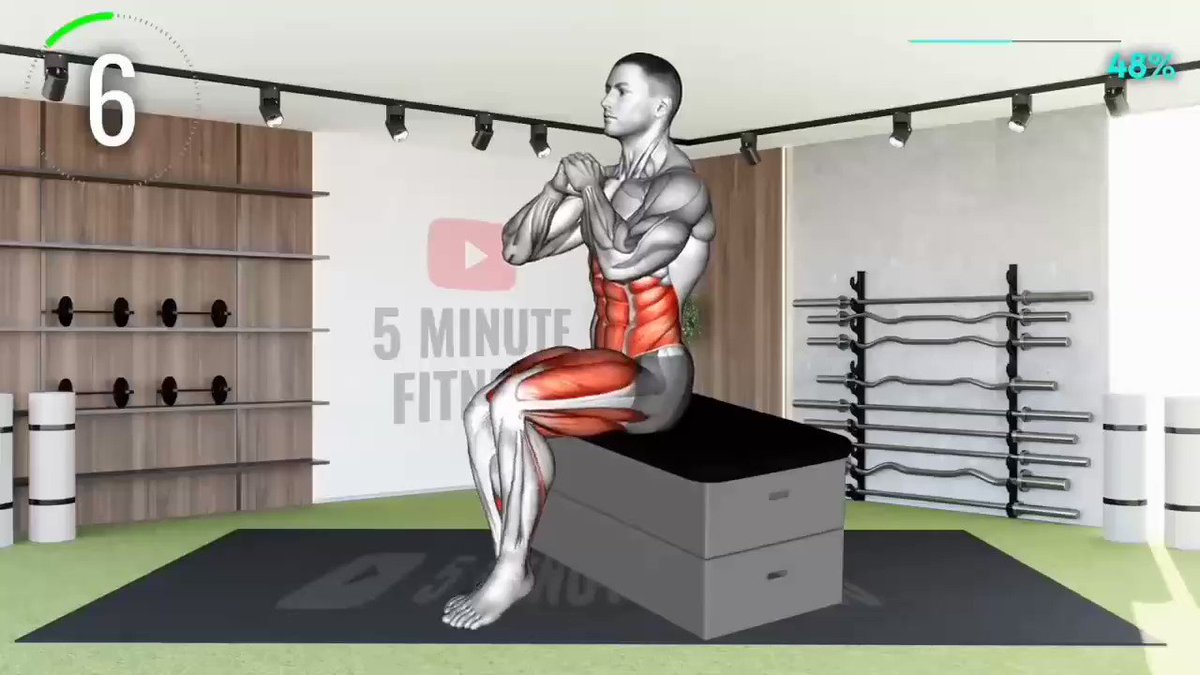
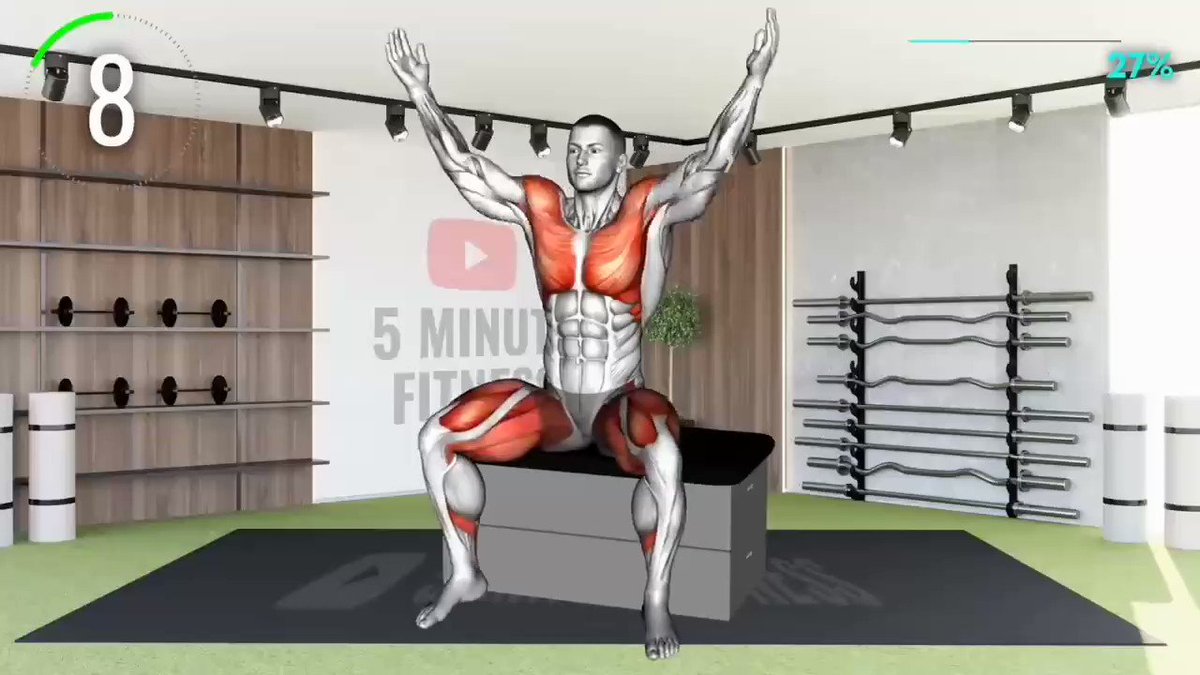
Below are 10 band movements you can use to get an intense workout from absolutely anywhere:

To start, choose a set of bands with different resistance levels to vary the intensity of your exercises and train them close to failure for the hypertrophy.
If you are a beginner, start with a light band, and gradually move up to a heavier one as you get stronger.
You can also use multiple bands to increase the resistance level.
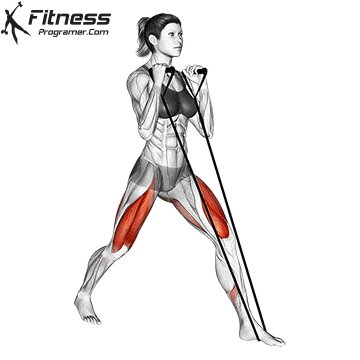
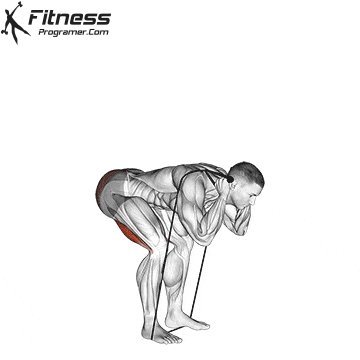
Perform all the exercises in high rep ranges for 3-4 Sets according to your time availability.
Example ( 3 sets of 15-20 reps for Split Squat)
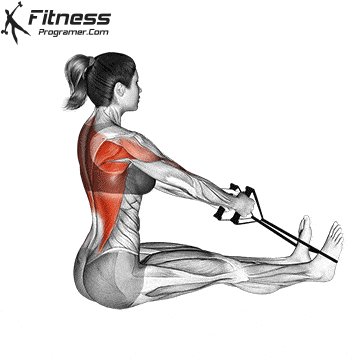
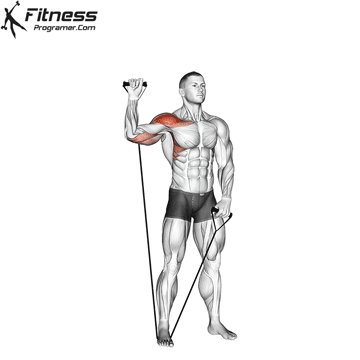
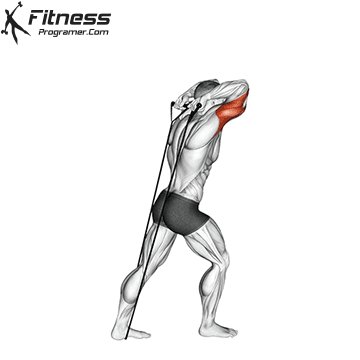
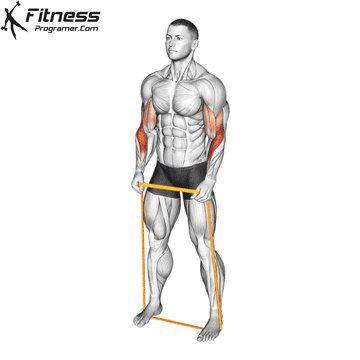
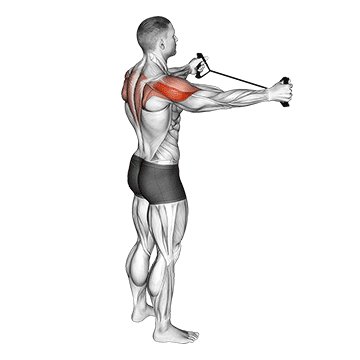
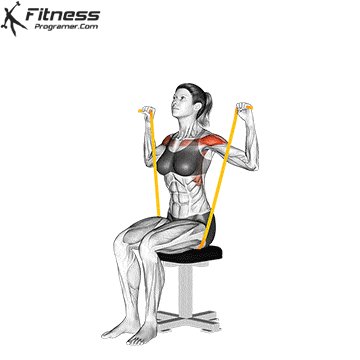

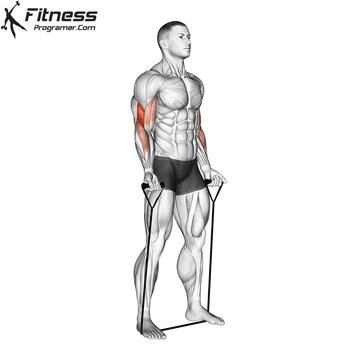
I have clients training from home losing 10-15kg while building muscle.
If your priority is fixing health then you will make time for it and 3-5 hours/week will give you way much more benefit.
If you learned a few things, please retweet the first tweet for others to see
& Bookmark this thread to reference later
Remember, these things will work once you start taking action.
Commit for 3 months and achieve your goals
https://t.co/qZZsQ5t9Hg
You can buy a pair of resistance bands for INR 500 and bring them with you everywhere
— Abhi Rajput (@Abhirajputfit) March 9, 2023
Below are 10 band movements you can use to get an intense workout from absolutely anywhere: pic.twitter.com/ubMibHmk7Z
More from Workouts













You May Also Like







Krugman is, of course, right about this. BUT, note that universities can do a lot to revitalize declining and rural regions.
See this thing that @lymanstoneky wrote:
And see this thing that I wrote:
And see this book that @JamesFallows wrote:
And see this other thing that I wrote:
One thing I've been noticing about responses to today's column is that many people still don't get how strong the forces behind regional divergence are, and how hard to reverse 1/ https://t.co/Ft2aH1NcQt
— Paul Krugman (@paulkrugman) November 20, 2018
See this thing that @lymanstoneky wrote:
And see this thing that I wrote:
And see this book that @JamesFallows wrote:
And see this other thing that I wrote:

A list of cool websites you might now know about
A thread 🧵
1) Learn Anything - Search tools for knowledge discovery that helps you understand any topic through the most efficient
2) Grad Speeches - Discover the best commencement speeches.
This website is made by me
3) What does the Internet Think - Find out what the internet thinks about anything
4) https://t.co/vuhT6jVItx - Send notes that will self-destruct after being read.
A thread 🧵
1) Learn Anything - Search tools for knowledge discovery that helps you understand any topic through the most efficient
2) Grad Speeches - Discover the best commencement speeches.
This website is made by me
3) What does the Internet Think - Find out what the internet thinks about anything
4) https://t.co/vuhT6jVItx - Send notes that will self-destruct after being read.