
The Delhi High Court begins hearing Chaitanya Rohilla's petition challenging Whatsapp's updated privacy policy.

Petitioner: Whatsapp shares information globally. Everything they gather from us is shared.
Petitioner: They analyze browsing history and form an opinion about the user and share that.
Court: All apps do that.
Court: You have an option, don't use the app.
Sr. Adv. Mukul Rohatgi: I am appearing for Whatsapp.
Sr. Adv. Sibal: I am appearing for Whatsapp, you're appearing for Facebook.
More from Live Law

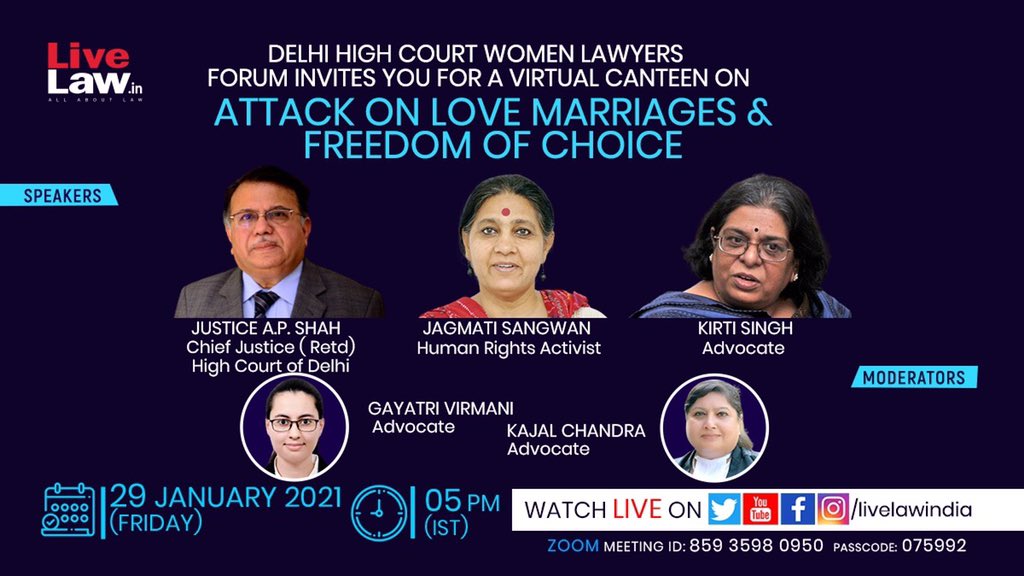
#LIVE Delhi High Court Women Lawyers Forum in Association with LiveLaw is conducting a Webinar on the topic 'Attack On Love Marriages And Freedom Of Choice'.
#FreedomOfChoice
Watch the Webinar live at :
YouTube link: https://t.co/l074foe9RA
Facebook link:
https://t.co/d0m3h0Ut1w
Instagram Link:
Advocate Kajal Chandra begins the webinar and introduces the panelist Justice AP Shah, Delhi High Court’s Former Chief Justice. Advocate Gayatri Virmani introduces Human Rights Activist Jagmati Sangwan.
#FreedomOfChoice
The moderator Adv Chandra questions Justice Shah: Do the freedom of Religious ordinance of laws stand the test of Constitutionality and in your opinion, do they violate the fundamental right of liberty including the freedom to choose? #FreedomOfOpinion
Delhi High Court’s Former Chief Justice AP Shah: This topic cannot be discussed without referring to the Indian Constitution that guarantees Justice, Liberty, Equality and Fraternity and protects dignity of individual and Unity and integrity of the Nation. #FreedomOfChoice
#FreedomOfChoice
Watch the Webinar live at :
YouTube link: https://t.co/l074foe9RA
Facebook link:
https://t.co/d0m3h0Ut1w
Instagram Link:
Advocate Kajal Chandra begins the webinar and introduces the panelist Justice AP Shah, Delhi High Court’s Former Chief Justice. Advocate Gayatri Virmani introduces Human Rights Activist Jagmati Sangwan.
#FreedomOfChoice
The moderator Adv Chandra questions Justice Shah: Do the freedom of Religious ordinance of laws stand the test of Constitutionality and in your opinion, do they violate the fundamental right of liberty including the freedom to choose? #FreedomOfOpinion
Delhi High Court’s Former Chief Justice AP Shah: This topic cannot be discussed without referring to the Indian Constitution that guarantees Justice, Liberty, Equality and Fraternity and protects dignity of individual and Unity and integrity of the Nation. #FreedomOfChoice
You May Also Like

On the occasion of youtube 20k and Twitter 70k members
A small tribute/gift to members
Screeners
technical screeners - intraday and positional both
before proceeding - i have helped you , can i ask you so that it can help someone else too
thank you
positional one
run - find #stock - draw chart - find levels
1- Stocks closing daily 2% up from 5 days
https://t.co/gTZrYY3Nht
2- Weekly breakout
https://t.co/1f4ahEolYB
3- Breakouts in short term
https://t.co/BI4h0CdgO2
4- Bullish from last 5
intraday screeners
5- 15 minute Stock Breakouts
https://t.co/9eAo82iuNv
6- Intraday Buying seen in the past 15 minutes
https://t.co/XqAJKhLB5G
7- Stocks trading near day's high on 5 min chart with volume BO intraday
https://t.co/flHmm6QXmo
Thank you
A small tribute/gift to members
Screeners
technical screeners - intraday and positional both
before proceeding - i have helped you , can i ask you so that it can help someone else too
thank you
positional one
run - find #stock - draw chart - find levels
1- Stocks closing daily 2% up from 5 days
https://t.co/gTZrYY3Nht
2- Weekly breakout
https://t.co/1f4ahEolYB
3- Breakouts in short term
https://t.co/BI4h0CdgO2
4- Bullish from last 5
intraday screeners
5- 15 minute Stock Breakouts
https://t.co/9eAo82iuNv
6- Intraday Buying seen in the past 15 minutes
https://t.co/XqAJKhLB5G
7- Stocks trading near day's high on 5 min chart with volume BO intraday
https://t.co/flHmm6QXmo
Thank you



fascinated by this man, mario cortellucci, and his outsized influence on ontario and GTA politics. cortellucci, who lives in vaughan and ran as a far-right candidate for the italian senate back in 2018 - is a major ford donor...
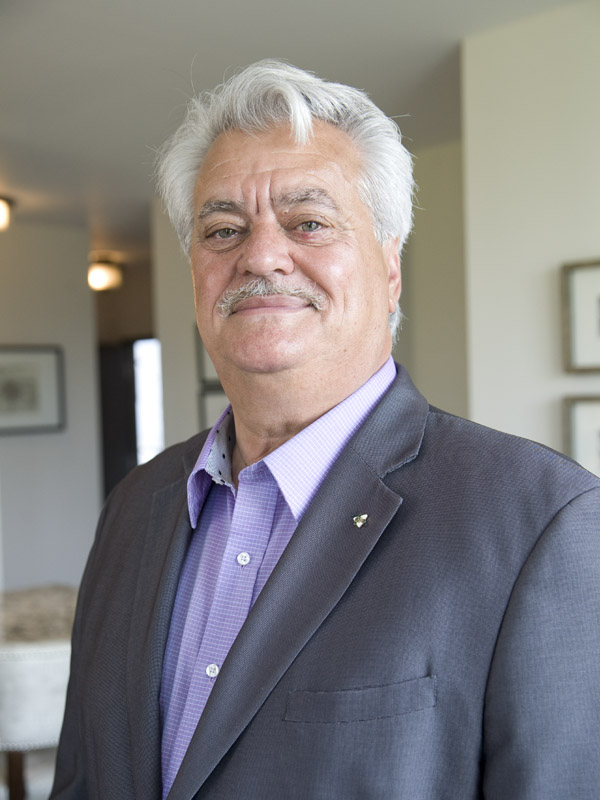
his name might sound familiar because the new cortellucci vaughan hospital at mackenzie health, the one doug ford has been touting lately as a covid-centric facility, is named after him and his family
but his name also pops up in a LOT of other ford projects. for instance - he controls the long term lease on big parts of toronto's portlands... where doug ford once proposed building an nfl stadium and monorail... https://t.co/weOMJ51bVF
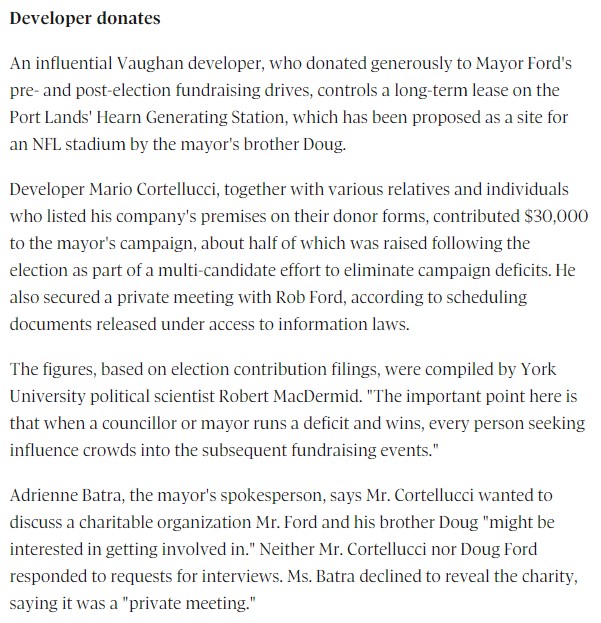
cortellucci, who is a developer, also owns a large chunk of the greenbelt. doug ford's desire to develop the greenbelt has been
and late last year he rolled back the mandate of conservation authorities there, prompting the resignations of several members of the greenbelt advisory
his name might sound familiar because the new cortellucci vaughan hospital at mackenzie health, the one doug ford has been touting lately as a covid-centric facility, is named after him and his family
but his name also pops up in a LOT of other ford projects. for instance - he controls the long term lease on big parts of toronto's portlands... where doug ford once proposed building an nfl stadium and monorail... https://t.co/weOMJ51bVF
cortellucci, who is a developer, also owns a large chunk of the greenbelt. doug ford's desire to develop the greenbelt has been
and late last year he rolled back the mandate of conservation authorities there, prompting the resignations of several members of the greenbelt advisory