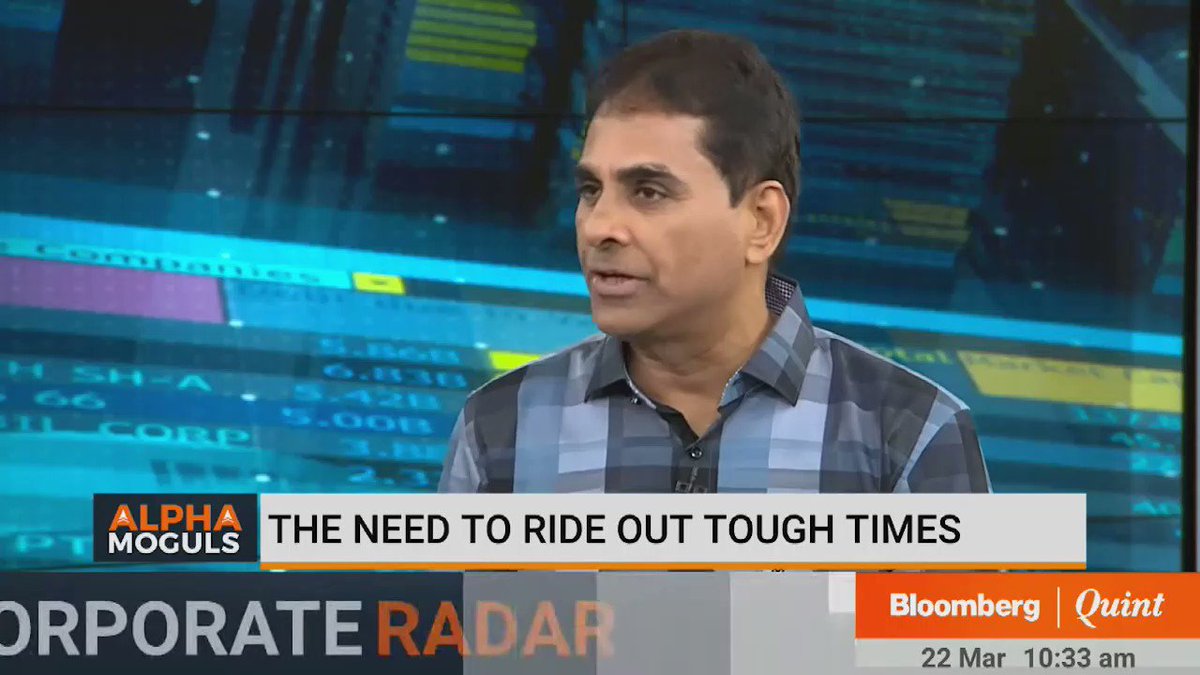
When a stock is trading around 15-20x sales - ask why would an accident not happen? What could be the valuations damage in that case?
More from Sajal Kapoor
5 webinars/conclaves since May 2020 and over 100 stock ideas shared. Still not enough :)
Twitter should be like that airport shuttle service, the moment you walk out (start following someone) - there should be a chauffeur (new stock idea) ready to drive you to your destination!
[Free CDMO Masterclass #18] https://t.co/208eQbYKEF
[Free Art of Investing] https://t.co/bHvUqnpiTE
[Paid IIC Dec 2020 on SeQuent] https://t.co/3iDO438Et9
[Charity fund raise on Unseen Trends in Biotechnology] https://t.co/eNi1x1qwhH
[Q&A on APIs]
Twitter should be like that airport shuttle service, the moment you walk out (start following someone) - there should be a chauffeur (new stock idea) ready to drive you to your destination!
[Free CDMO Masterclass #18] https://t.co/208eQbYKEF
[Free Art of Investing] https://t.co/bHvUqnpiTE
[Paid IIC Dec 2020 on SeQuent] https://t.co/3iDO438Et9
[Charity fund raise on Unseen Trends in Biotechnology] https://t.co/eNi1x1qwhH
[Q&A on APIs]
@oldschoolinvest I said 20-25% #CDMO (Synthesis) growth going forward in @IIC_Conference June 2020 conclave. They have delivered better than my expectations.
Never Knowingly Misguide.
Money making and fake advisory/PMS propaganda has never been my agenda
Never Knowingly Misguide.
Money making and fake advisory/PMS propaganda has never been my agenda
In just 15 years, #LaurusLabs has scaled up like no other..!
— Conviction | Patience (@unseenvalue) July 5, 2020
Numbers v Narrative: Well balanced 2800 Cr sales + huge competitive advantage in terms of IP/patents/synthesis capability!
Comparing Laurus with others - 1 hrs 28 mins\U0001f447https://t.co/Zzx6AwHZLH
Conviction | Patience pic.twitter.com/I6bImfjDCW
More from Valuation





You May Also Like

THREAD: 12 Things Everyone Should Know About IQ
1. IQ is one of the most heritable psychological traits – that is, individual differences in IQ are strongly associated with individual differences in genes (at least in fairly typical modern environments). https://t.co/3XxzW9bxLE
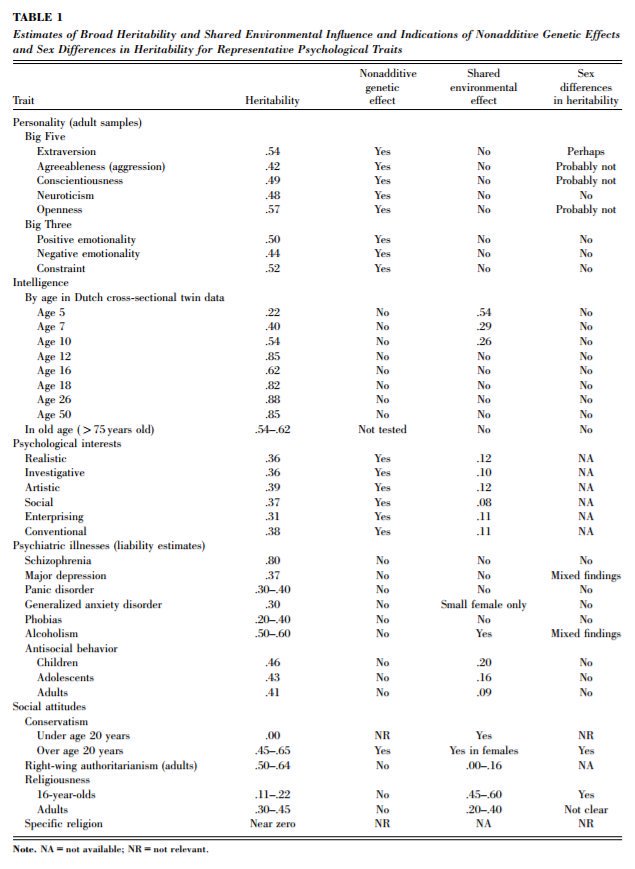
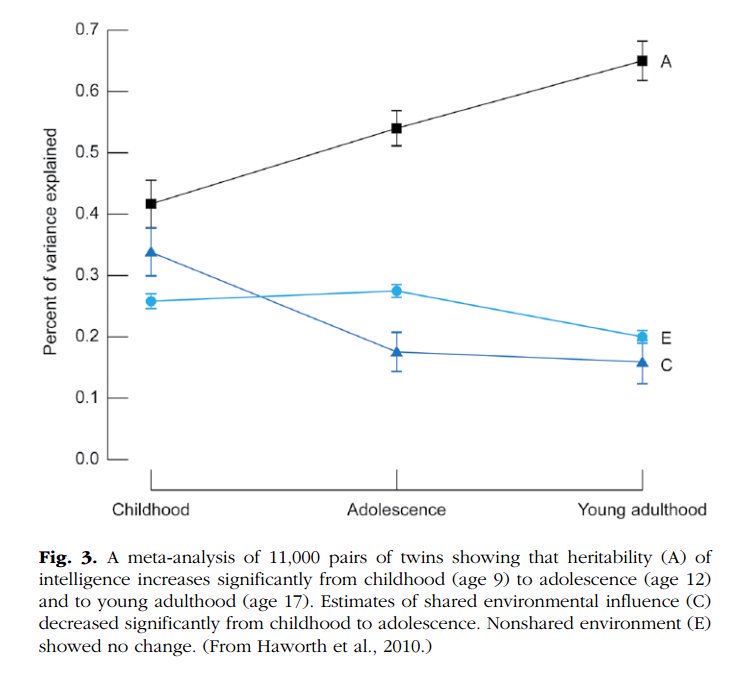
2. The heritability of IQ *increases* from childhood to adulthood. Meanwhile, the effect of the shared environment largely fades away. In other words, when it comes to IQ, nature becomes more important as we get older, nurture less. https://t.co/UqtS1lpw3n
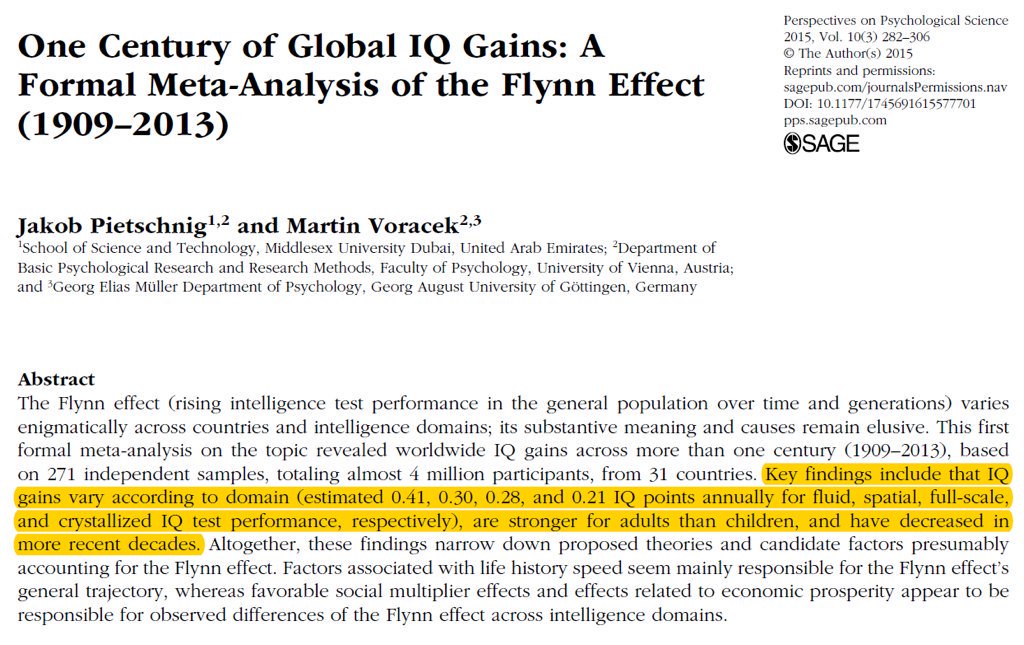
3. IQ scores have been increasing for the last century or so, a phenomenon known as the Flynn effect. https://t.co/sCZvCst3hw (N ≈ 4 million)
(Note that the Flynn effect shows that IQ isn't 100% genetic; it doesn't show that it's 100% environmental.)
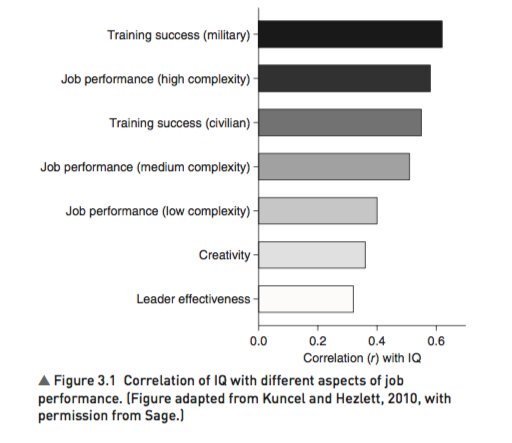
4. IQ predicts many important real world outcomes.
For example, though far from perfect, IQ is the single-best predictor of job performance we have – much better than Emotional Intelligence, the Big Five, Grit, etc. https://t.co/rKUgKDAAVx https://t.co/DWbVI8QSU3
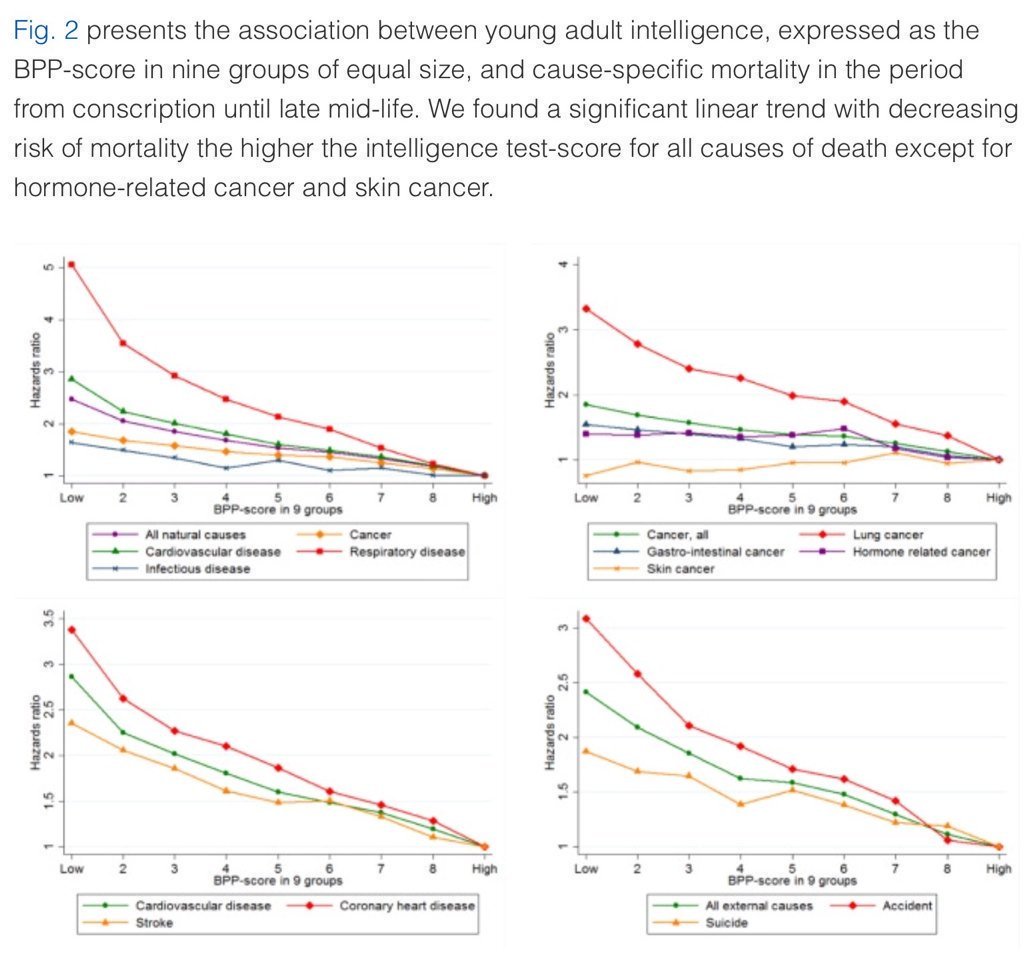
5. Higher IQ is associated with a lower risk of death from most causes, including cardiovascular disease, respiratory disease, most forms of cancer, homicide, suicide, and accident. https://t.co/PJjGNyeQRA (N = 728,160)
1. IQ is one of the most heritable psychological traits – that is, individual differences in IQ are strongly associated with individual differences in genes (at least in fairly typical modern environments). https://t.co/3XxzW9bxLE
2. The heritability of IQ *increases* from childhood to adulthood. Meanwhile, the effect of the shared environment largely fades away. In other words, when it comes to IQ, nature becomes more important as we get older, nurture less. https://t.co/UqtS1lpw3n
3. IQ scores have been increasing for the last century or so, a phenomenon known as the Flynn effect. https://t.co/sCZvCst3hw (N ≈ 4 million)
(Note that the Flynn effect shows that IQ isn't 100% genetic; it doesn't show that it's 100% environmental.)
4. IQ predicts many important real world outcomes.
For example, though far from perfect, IQ is the single-best predictor of job performance we have – much better than Emotional Intelligence, the Big Five, Grit, etc. https://t.co/rKUgKDAAVx https://t.co/DWbVI8QSU3
5. Higher IQ is associated with a lower risk of death from most causes, including cardiovascular disease, respiratory disease, most forms of cancer, homicide, suicide, and accident. https://t.co/PJjGNyeQRA (N = 728,160)