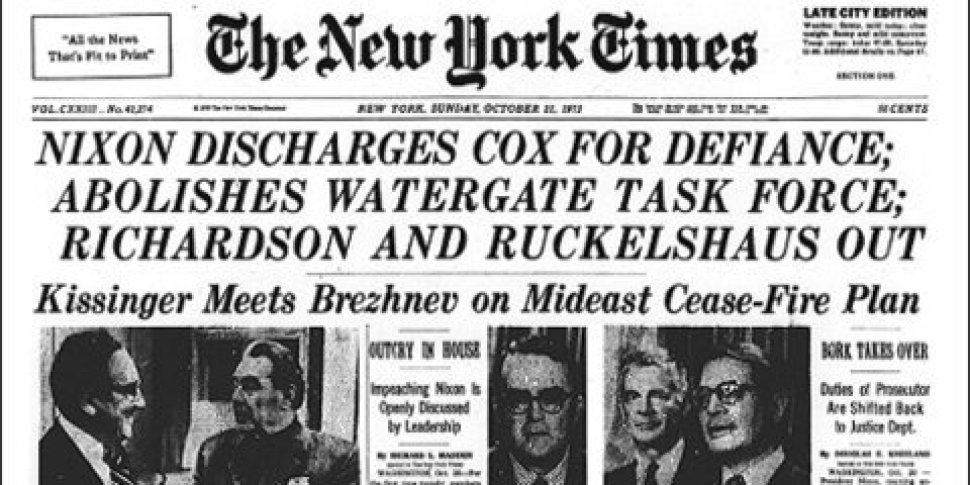
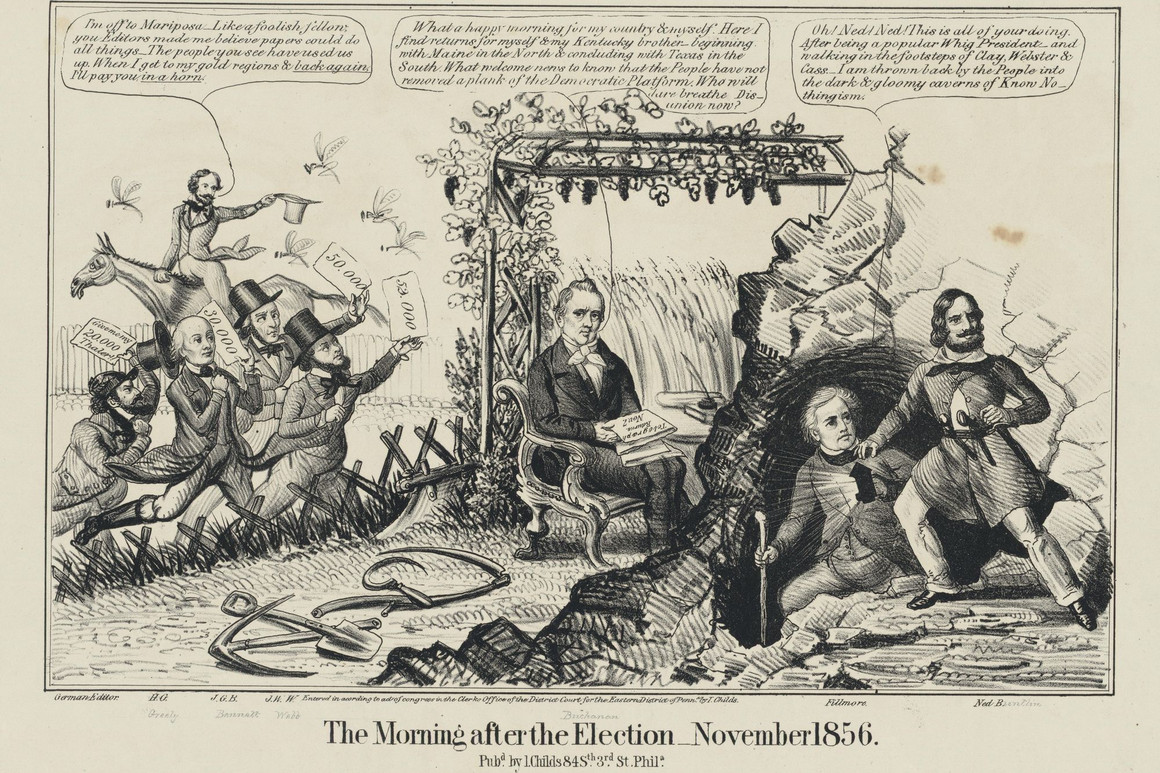
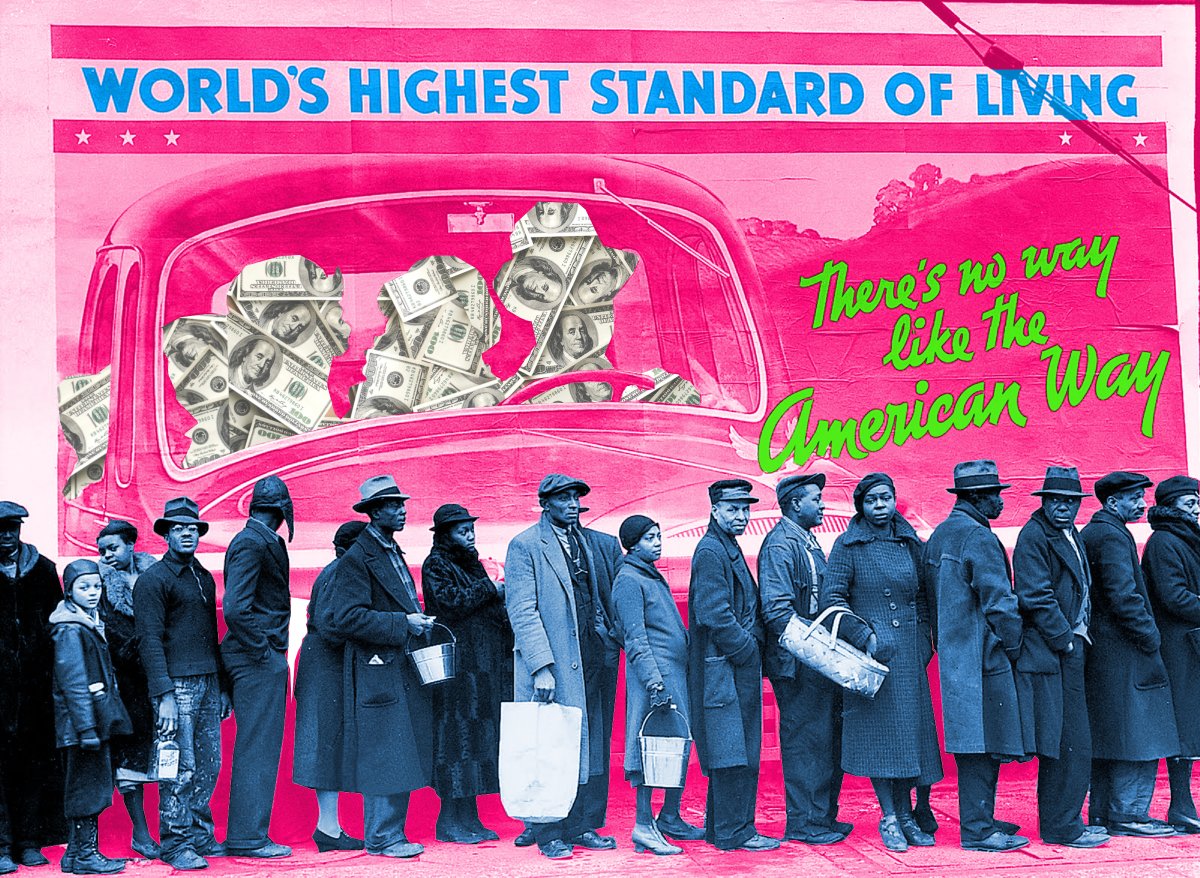
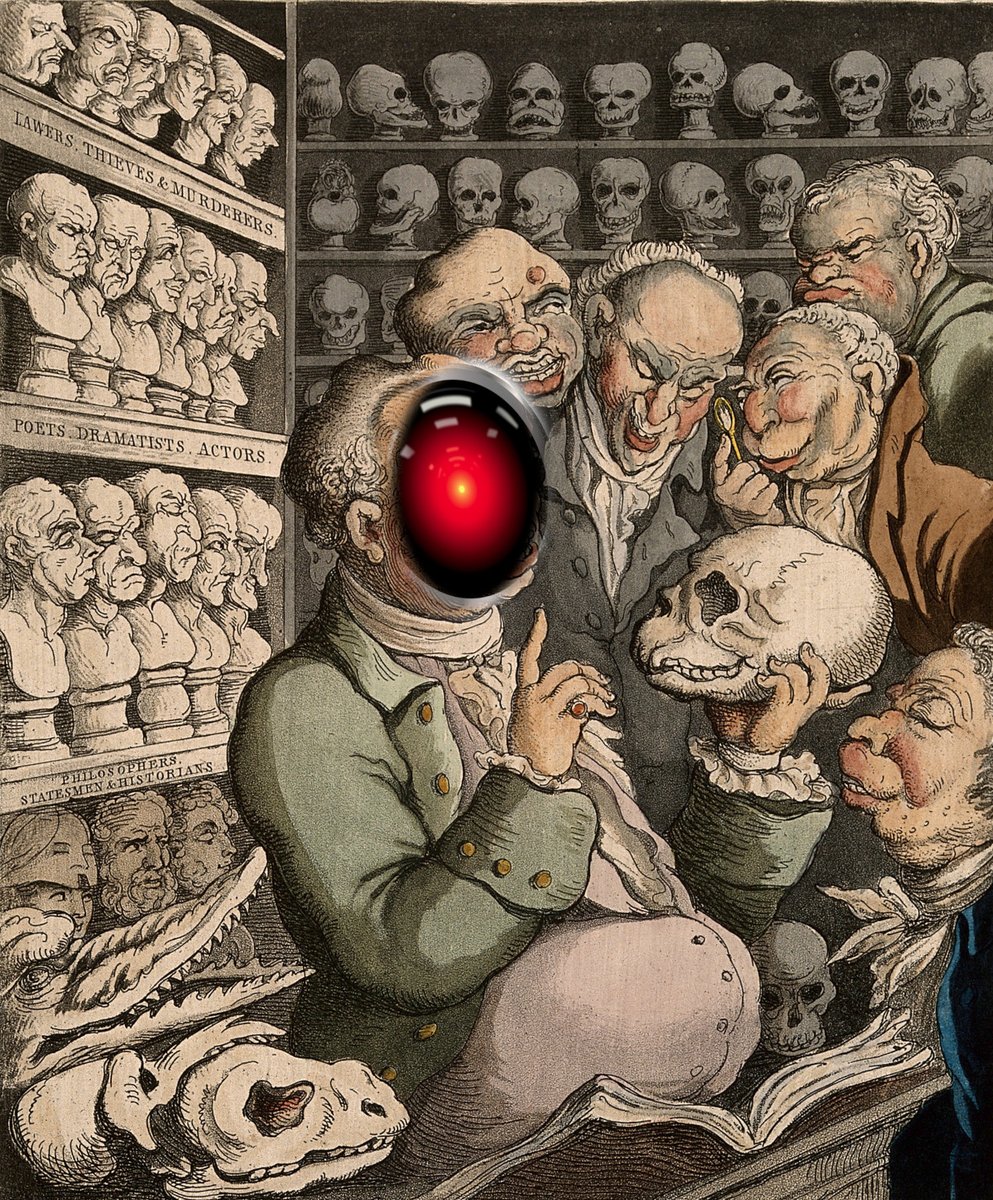
When we say that "an algorithm is biased" we usually mean, "biased people made an algorithm." This explains why so much machine learning prediction turns into phrenology.

1/

Researchers with phrenological delusions ask machines to find statistical correlates of personalities or emotions, and machines dutifully provides them. It's high-stakes, machine-human collaborative apophenia, detecting patterns where none exist.

https://t.co/2b0IkQrI62

2/
Regrettably, this junk science gets published in respected journals. In 2017, @nature published a study by Stanford's Michal Kosinski claiming that machine learning could detect the facial correlates of homosexuality, creating an alleged AI gaydar.

3/
Unsurprisingly, Kosinski's study spectacularly failed to replicate. But as is so often the case, the blockbuster finding gets all the press, the careful replication work that calls it into doubt is roundly ignored.

https://t.co/J4rd6nLA4n

4/
Kosinski hasn't given up on AI phrenology. His lab's latest paper (published by Nature...again!) claims that he can detect political affiliation from social media photos.

https://t.co/kNPJ4vOwEr

5/
Spoiler: he can't.

What his system is most likely detecting is certain conventions in poses and expressions that are used in different political subcultures. Resting Karen face, basically.

6/
Unfortunately, this claim is being credulously reported in the tech press as true, even as the writer notes that this ML system barely outperforms random chance.

https://t.co/z1nkFFod3H

7/
Scientific racism has been with us for centuries. It's enjoying a renaissance today, driven in part by the neophrenologists of the ML world. They are the modern descendants of the caliper-wielding eugenicists of yore.

8/
To understand the genomic science that refutes all of this nonsense, you can read @AdamRutherford's brilliant, short, witty, vastly informative book HOW TO ARGUE WITH A RACIST. You'll be glad you did.

https://t.co/bPO3y5CzIX

9/
Image:
Cryteria (modified)
https://t.co/ICebVcdH1f

CC BY:
https://t.co/5YJhpDj3vT

eof/

More from Cory Doctorow #BLM

Today's Twitter threads (a Twitter thread).

Inside: Stop saying "it's not censorship if it's not the government"; Trump's swamp gators find corporate refuge; and more!

Archived at: https://t.co/7JMcAbaULj

#Pluralistic

1/


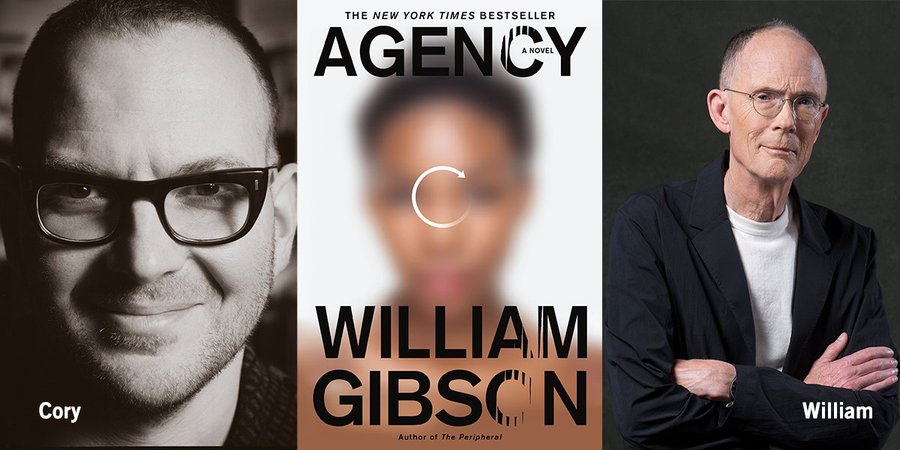
Monday night, I'll be helping William Gibson launch the paperback edition of his novel AGENCY at a Strand Bookstore videoconference. Come say hi!

https://t.co/k3fvBdqOK0

2/


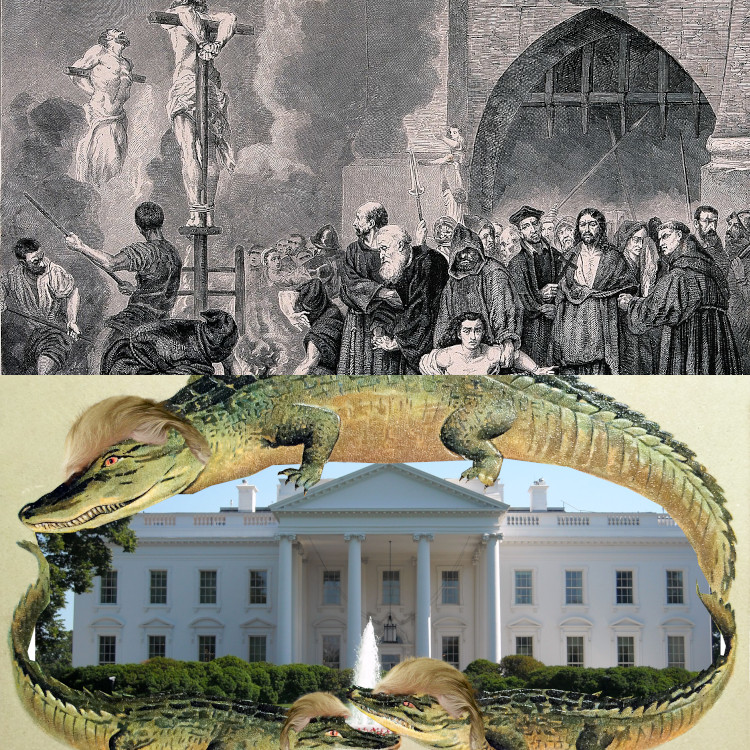
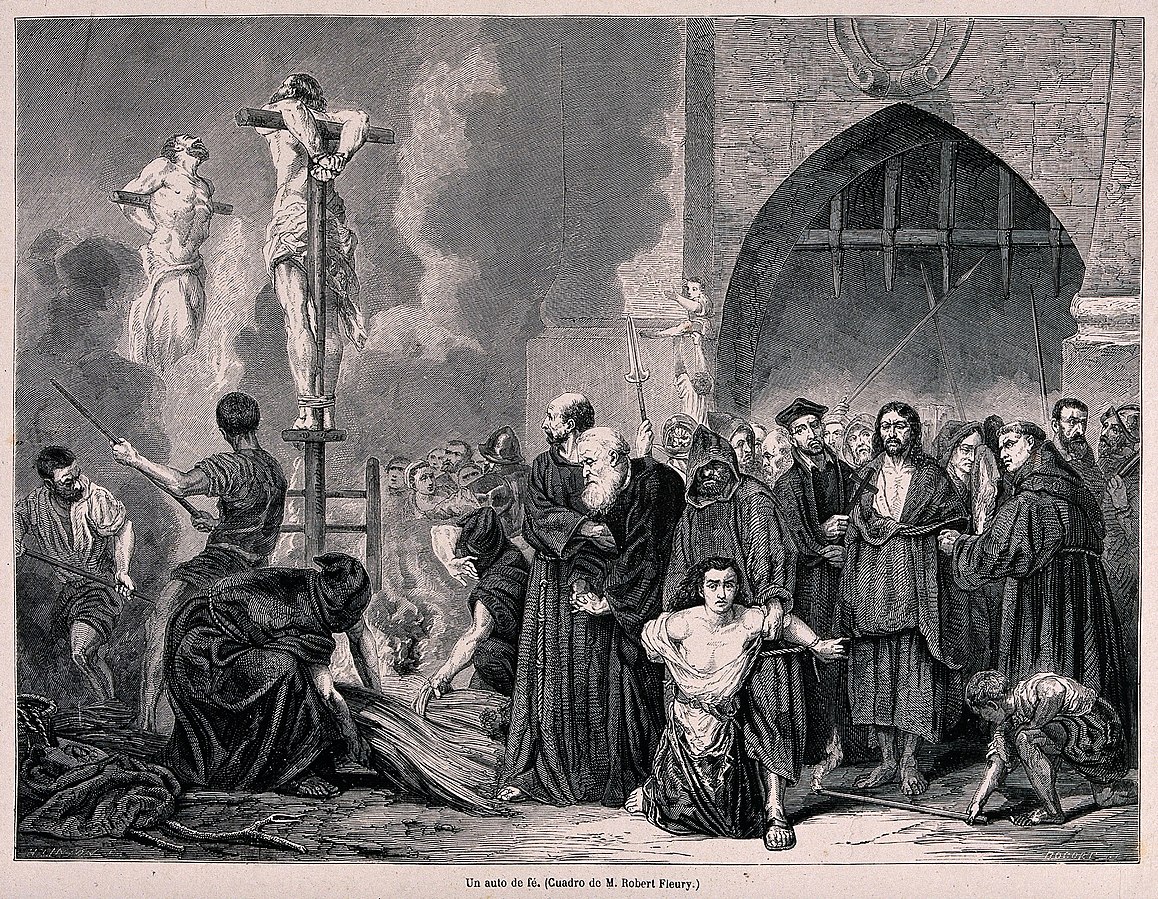
Stop saying "it's not censorship if it's not the government": I didn't expect the Spanish Inquisition.

https://t.co/7I0MpCTez5

3/


Trump's swamp gators find corporate refuge: The Swamped project.

https://t.co/MUJyIOr2iw

4/


#15yrsago A-Hole bill would make a secret technology into the law of the land https://t.co/57bJaM1Byr

#15yrsago Hollywood’s MP loses the election — hit the road, Sam! https://t.co/12ssYpV46B

#15yrsago How William Gibson discovered science fiction https://t.co/MYR0go37nW

5/
I've just read one of the most lucid, wide-ranging, cross-disciplinary critiques of cryptocurrency and blockchain I've yet to encounter. 1/


It comes from David "DSHR" Rosenthal, a distinguished technologist whose past achievements including helping to develop X11 and the core technologies for Nvidia.

https://t.co/tkAMShno4k 2/

Rosenthal's critique is a transcript of a lecture he gave to Stanford's EE380 class, adapted from a December 2021 talk for an investor conference. 3/

It is a bang-up-to-date synthesis of many of the critical writings on the subject, glued together with Rosenthal's own deep technical expertise. He calls it "Can We Mitigate Cryptocurrencies' Externalities?"

The presence of "externalities" in Rosenthal's title is key. 4/

Rosenthal identifies blockchainism's core ideology as emerging from "the libertarian culture of Silicon Valley and the cypherpunks," and states that "libertarianism's attraction is based on ignoring externalities."

This is an important critique of libertarianism. 5/

More from Tech

You May Also Like

A brief analysis and comparison of the CSS for Twitter's PWA vs Twitter's legacy desktop website. The difference is dramatic and I'll touch on some reasons why.

Legacy site *downloads* ~630 KB CSS per theme and writing direction.

6,769 rules
9,252 selectors
16.7k declarations
3,370 unique declarations
44 media queries
36 unique colors
50 unique background colors
46 unique font sizes
39 unique z-indices

https://t.co/qyl4Bt1i5x


PWA *incrementally generates* ~30 KB CSS that handles all themes and writing directions.

735 rules
740 selectors
757 declarations
730 unique declarations
0 media queries
11 unique colors
32 unique background colors
15 unique font sizes
7 unique z-indices

https://t.co/w7oNG5KUkJ


The legacy site's CSS is what happens when hundreds of people directly write CSS over many years. Specificity wars, redundancy, a house of cards that can't be fixed. The result is extremely inefficient and error-prone styling that punishes users and developers.

The PWA's CSS is generated on-demand by a JS framework that manages styles and outputs "atomic CSS". The framework can enforce strict constraints and perform optimisations, which is why the CSS is so much smaller and safer. Style conflicts and unbounded CSS growth are avoided.