
More from Startups

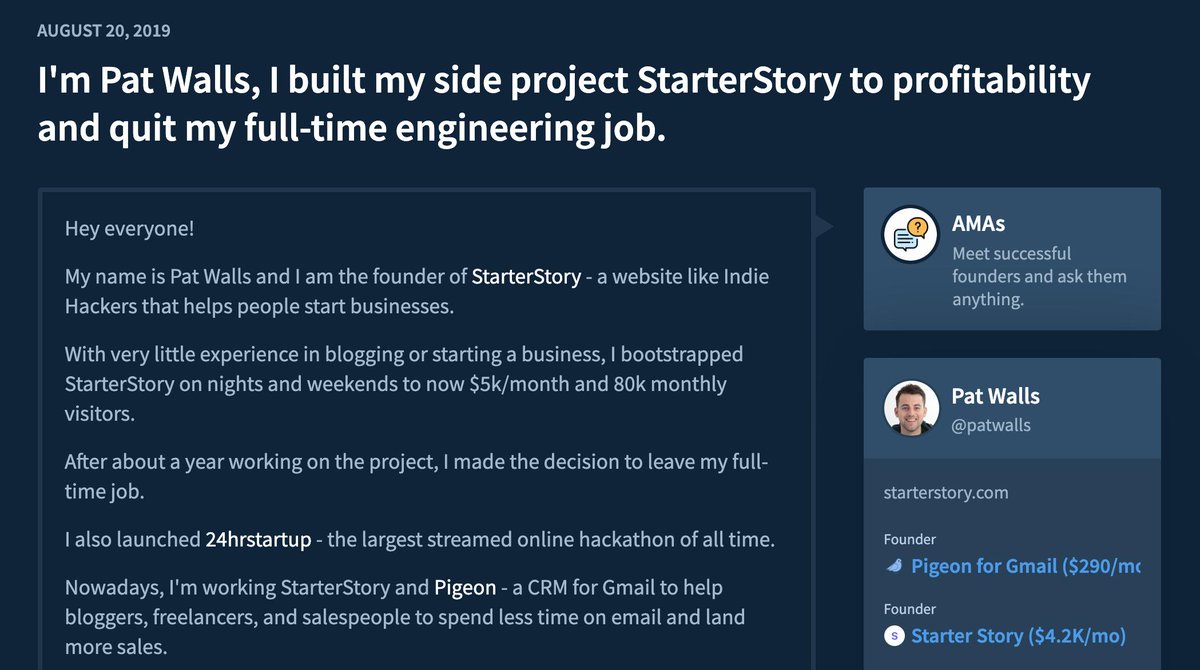
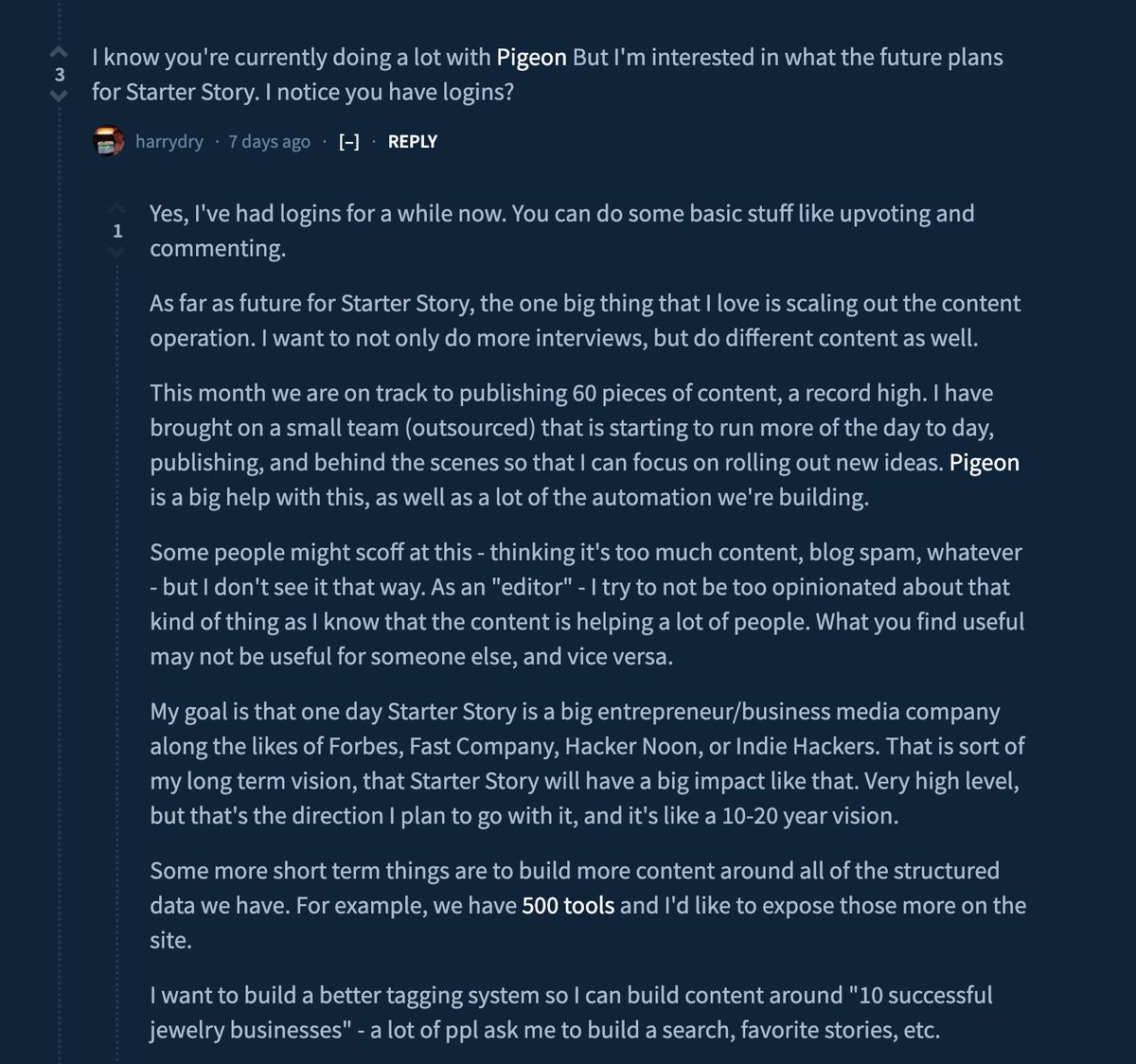


.@zapier built a $140M ARR business on $1.4M in VC that has become the logic layer of the no-code industry.
But it has the potential to be something even bigger: the Netflix of productivity.
Our report and a thread 👉
We believe @seqouia and @steadfast got a good deal buying into Zapier at $5B.
We value Zapier at $7B based on:
- 30-50% YoY growth over the next five years
- Zapier’s monopoly status in the solopreneur/SMB market
- 30-40% YoY growth of no-code TAM
No-code is huge and growing, but as @edavidpeterson has written, no-code is about more than tools: it’s about a philosophy that emphasizes interoperability and customizing your software to your needs.
https://t.co/UJY6BRtXwl
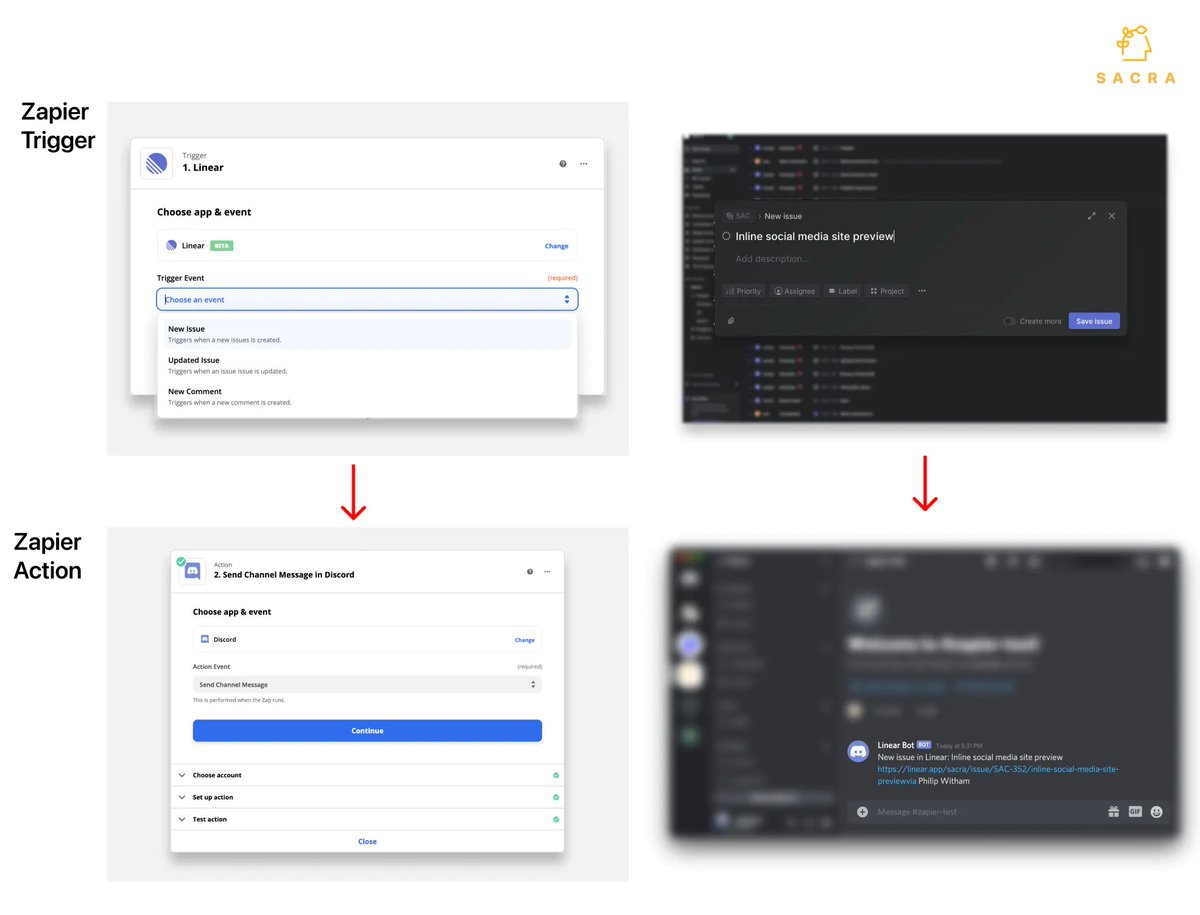
.@zapier enabled interoperability by building a solution to one of the intractable problems in SaaS: APIs that don’t talk to each other.
The product took off and hit $100M ARR in just 9 years, comparable to companies that have raised 100x as much money.
https://t.co/0Thk42eRpJ
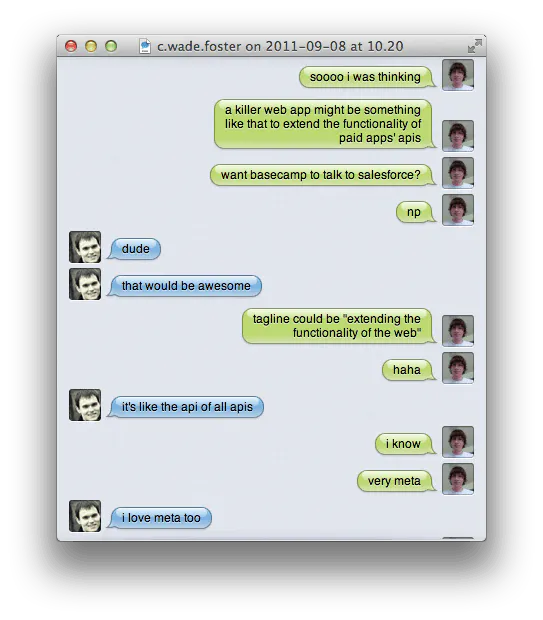
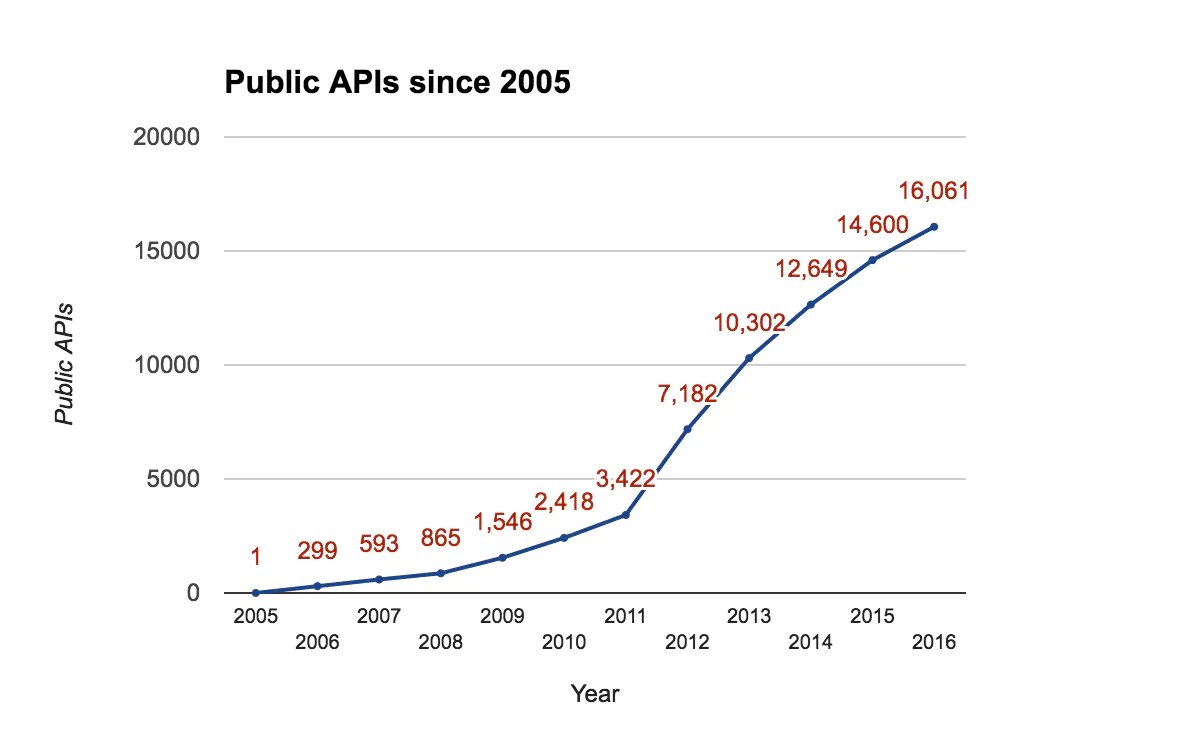
Zapier was riding an explosion in APIs that started the same year they were founded—2011.
Suddenly, every SaaS business wanted to offer its users extensibility, but not spend time figuring out what integrations to build or building them.
That’s where Zapier came in handy.
But it has the potential to be something even bigger: the Netflix of productivity.
Our report and a thread 👉
We believe @seqouia and @steadfast got a good deal buying into Zapier at $5B.
We value Zapier at $7B based on:
- 30-50% YoY growth over the next five years
- Zapier’s monopoly status in the solopreneur/SMB market
- 30-40% YoY growth of no-code TAM
No-code is huge and growing, but as @edavidpeterson has written, no-code is about more than tools: it’s about a philosophy that emphasizes interoperability and customizing your software to your needs.
https://t.co/UJY6BRtXwl
Trying this on for size\u2026
— David Peterson (@edavidpeterson) January 14, 2021
\u201cNo code\u201d isn\u2019t a coherent category. It\u2019s a design philosophy.
But tools built with this philosophy in mind will be the biggest winners of the next decade.
Let me explain what I mean by way of analogy.
.@zapier enabled interoperability by building a solution to one of the intractable problems in SaaS: APIs that don’t talk to each other.
The product took off and hit $100M ARR in just 9 years, comparable to companies that have raised 100x as much money.
https://t.co/0Thk42eRpJ
Ever notice that Zapier is doing $100m+ and has no direct competition? Found their niche and crushed it \U0001f44c
— Tyler Tringas (@tylertringas) November 7, 2019
Zapier was riding an explosion in APIs that started the same year they were founded—2011.
Suddenly, every SaaS business wanted to offer its users extensibility, but not spend time figuring out what integrations to build or building them.
That’s where Zapier came in handy.


You May Also Like


On the occasion of youtube 20k and Twitter 70k members
A small tribute/gift to members
Screeners
technical screeners - intraday and positional both
before proceeding - i have helped you , can i ask you so that it can help someone else too
thank you
positional one
run - find #stock - draw chart - find levels
1- Stocks closing daily 2% up from 5 days
https://t.co/gTZrYY3Nht
2- Weekly breakout
https://t.co/1f4ahEolYB
3- Breakouts in short term
https://t.co/BI4h0CdgO2
4- Bullish from last 5
intraday screeners
5- 15 minute Stock Breakouts
https://t.co/9eAo82iuNv
6- Intraday Buying seen in the past 15 minutes
https://t.co/XqAJKhLB5G
7- Stocks trading near day's high on 5 min chart with volume BO intraday
https://t.co/flHmm6QXmo
Thank you
A small tribute/gift to members
Screeners
technical screeners - intraday and positional both
before proceeding - i have helped you , can i ask you so that it can help someone else too
thank you
positional one
run - find #stock - draw chart - find levels
1- Stocks closing daily 2% up from 5 days
https://t.co/gTZrYY3Nht
2- Weekly breakout
https://t.co/1f4ahEolYB
3- Breakouts in short term
https://t.co/BI4h0CdgO2
4- Bullish from last 5
intraday screeners
5- 15 minute Stock Breakouts
https://t.co/9eAo82iuNv
6- Intraday Buying seen in the past 15 minutes
https://t.co/XqAJKhLB5G
7- Stocks trading near day's high on 5 min chart with volume BO intraday
https://t.co/flHmm6QXmo
Thank you








I’m torn on how to approach the idea of luck. I’m the first to admit that I am one of the luckiest people on the planet. To be born into a prosperous American family in 1960 with smart parents is to start life on third base. The odds against my very existence are astronomical.
I’ve always felt that the luckiest people I know had a talent for recognizing circumstances, not of their own making, that were conducive to a favorable outcome and their ability to quickly take advantage of them.
In other words, dumb luck was just that, it required no awareness on the person’s part, whereas “smart” luck involved awareness followed by action before the circumstances changed.
So, was I “lucky” to be born when I was—nothing I had any control over—and that I came of age just as huge databases and computers were advancing to the point where I could use those tools to write “What Works on Wall Street?” Absolutely.
Was I lucky to start my stock market investments near the peak of interest rates which allowed me to spend the majority of my adult life in a falling rate environment? Yup.
Ironies of Luck https://t.co/5BPWGbAxFi
— Morgan Housel (@morganhousel) March 14, 2018
"Luck is the flip side of risk. They are mirrored cousins, driven by the same thing: You are one person in a 7 billion player game, and the accidental impact of other people\u2019s actions can be more consequential than your own."
I’ve always felt that the luckiest people I know had a talent for recognizing circumstances, not of their own making, that were conducive to a favorable outcome and their ability to quickly take advantage of them.
In other words, dumb luck was just that, it required no awareness on the person’s part, whereas “smart” luck involved awareness followed by action before the circumstances changed.
So, was I “lucky” to be born when I was—nothing I had any control over—and that I came of age just as huge databases and computers were advancing to the point where I could use those tools to write “What Works on Wall Street?” Absolutely.
Was I lucky to start my stock market investments near the peak of interest rates which allowed me to spend the majority of my adult life in a falling rate environment? Yup.