Categories Society
7 days
30 days
All time
Recent
Popular







Whatever the other merits of this proposal, funneling another ~$30B to hospitals is the antithesis of "targeted relief."
A dozen hospital chains just presented at #JPM21, two weeks ago.
General theme: Financially speaking, hospitals are doing quite well. 1/n
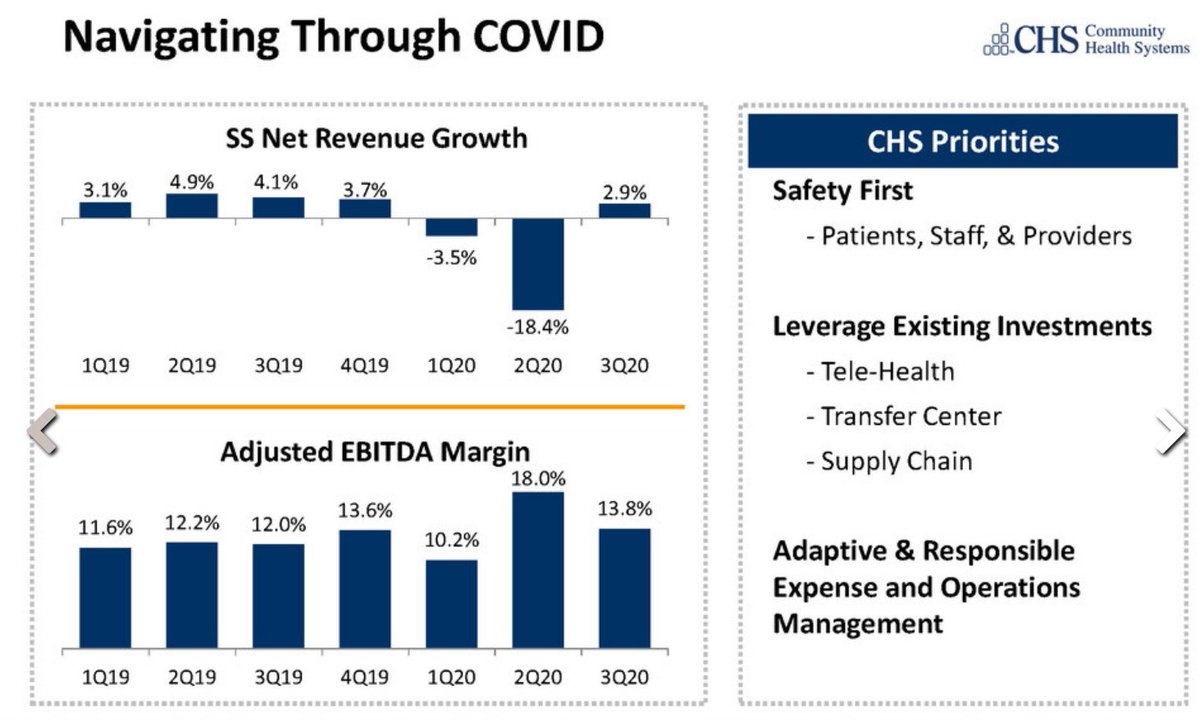
We have, for example, Community Health Systems, which operates 89 hospitals in 16 states, many of them in smaller towns / metro areas.
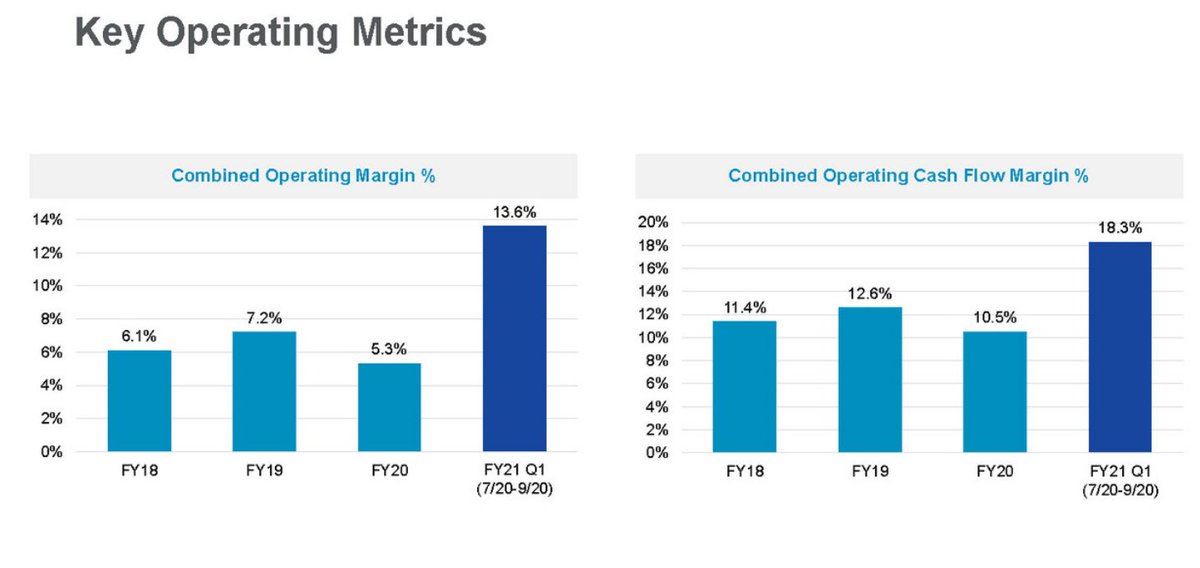
Through the pandemic, CHS's EBITDA margin never even fell into single digits, and profitability actually *increased* in 2020.
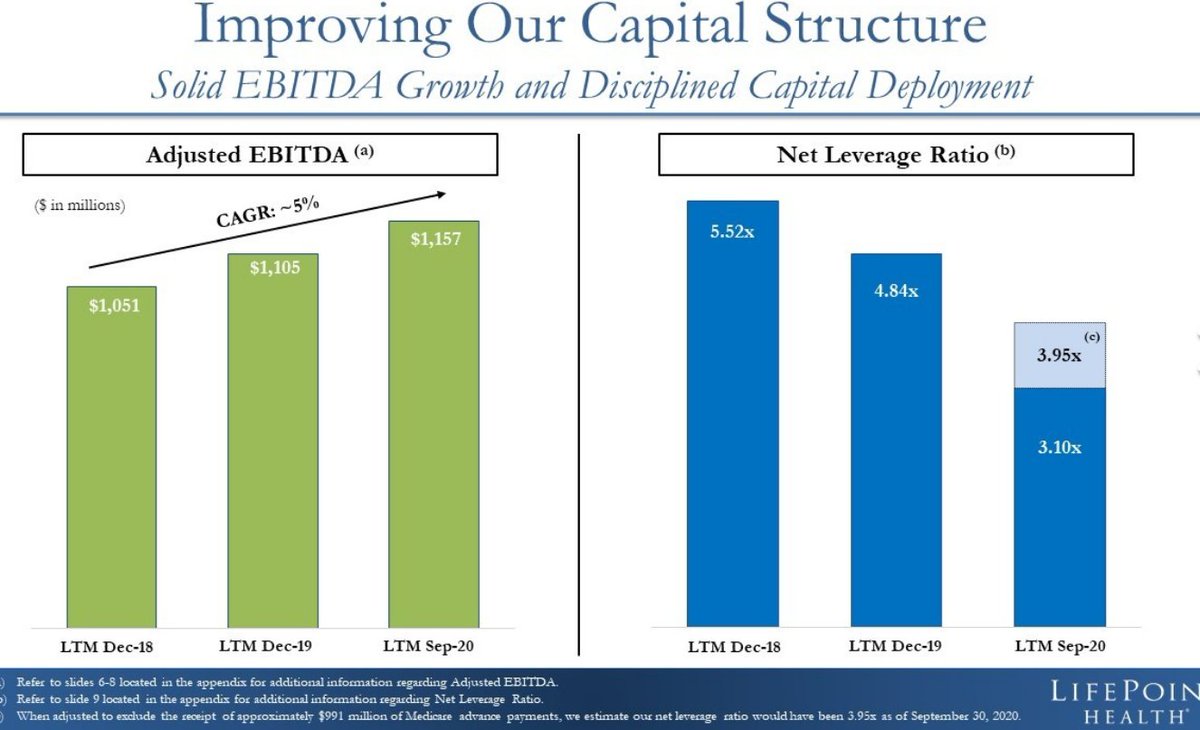
Meanwhile, Lifepoint Health (84 hospitals, 30 states) also saw profits increase in 2020, while its cash-to-debt ratio fell. Pretty solid year.
ProMedica Health (non-profit, 13 Midwestern hospitals) actually saw profits increase even in *the first half of 2020,* when hospitals were supposedly facing catastrophe.
They finished the year with ~$440M of EBITDA, and $2.3B of cash on hand.
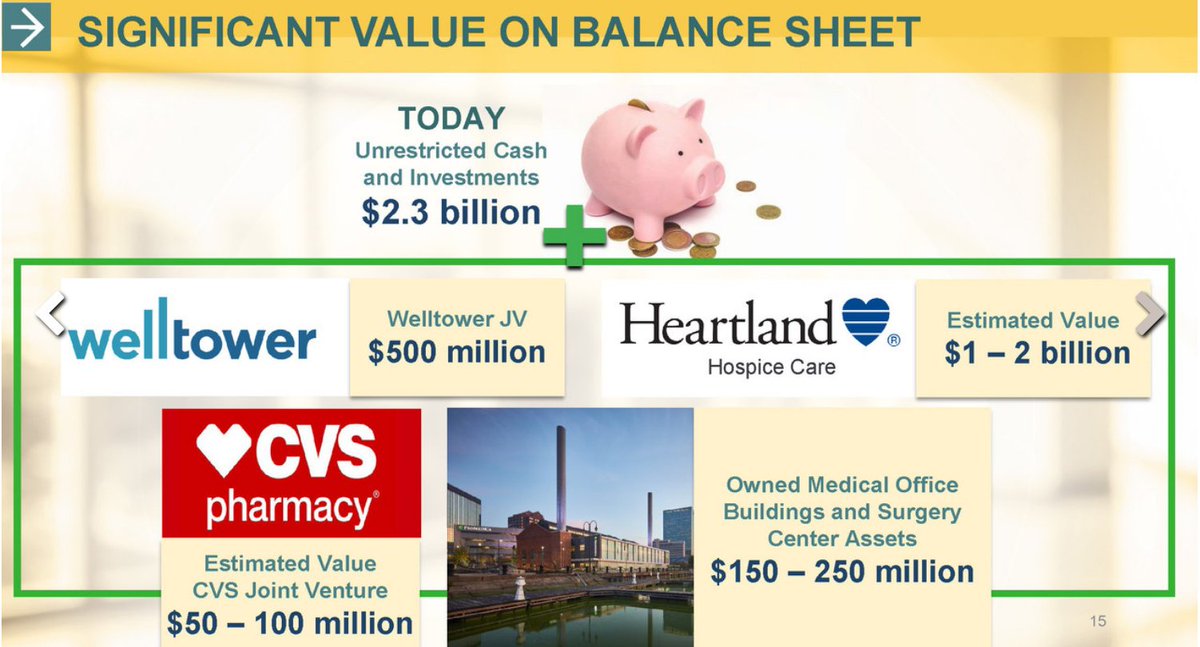
Baylor Scott & White (52 hospitals) saw its profit margin *more than double* during the pandemic year, and ended September with $7.8 billion of cash and portfolio investments.
That's about $600M more than they had pre-pandemic.
A dozen hospital chains just presented at #JPM21, two weeks ago.
General theme: Financially speaking, hospitals are doing quite well. 1/n
The new GOP Covid-19 relief offer includes the $20B that Biden asked for on vaccine distribution, and also calls for $35 billion in new grants for hospitals and health providers that wasn't included in Biden's plan pic.twitter.com/DMjVPahc64
— Rachel Cohrs (@rachelcohrs) February 1, 2021
We have, for example, Community Health Systems, which operates 89 hospitals in 16 states, many of them in smaller towns / metro areas.
Through the pandemic, CHS's EBITDA margin never even fell into single digits, and profitability actually *increased* in 2020.
Meanwhile, Lifepoint Health (84 hospitals, 30 states) also saw profits increase in 2020, while its cash-to-debt ratio fell. Pretty solid year.
ProMedica Health (non-profit, 13 Midwestern hospitals) actually saw profits increase even in *the first half of 2020,* when hospitals were supposedly facing catastrophe.
They finished the year with ~$440M of EBITDA, and $2.3B of cash on hand.
Baylor Scott & White (52 hospitals) saw its profit margin *more than double* during the pandemic year, and ended September with $7.8 billion of cash and portfolio investments.
That's about $600M more than they had pre-pandemic.


I want to add an addendum to this thread from the other day to show why publishing an n=1 is so bad. It's because I can likely identify and put a name to this student.
(I'm not going to do that here but I am going to show you how easy it is.)
To do that, let's talk about the IPEDS data set. IPEDS is a US database that contains a range of information about US universities, such as enrollment, test scores, graduation rates, etc.
One notable data table shows graduated students by major and ethnicity.
(FYI, here is the IPEDS data: https://t.co/K4OwsyLLsE It's an open database so you can explore at your leisure.)
Back to the "Completions" table which shows ethnicity by major. This happens to line up with the n=1 from the offending article which identified a student by their ethnicity and major.
Sorry, the n=1 was year in school and ethnicity but I've now used the IPEDS data to find out their major. Linking datasets on minority populations is very very powerful.
(I'm not going to do that here but I am going to show you how easy it is.)
I'm angry at everything right now, including the new the latest problematic article from C&RL.
— Dr. Kristin Briney (@KristinBriney) January 6, 2021
So I think it's time we talked about C&RL's history of publishing identifying information in articles.
(Yes, @LibSkrat I'm finally telling this story)https://t.co/JPCks3tohr
To do that, let's talk about the IPEDS data set. IPEDS is a US database that contains a range of information about US universities, such as enrollment, test scores, graduation rates, etc.
One notable data table shows graduated students by major and ethnicity.
(FYI, here is the IPEDS data: https://t.co/K4OwsyLLsE It's an open database so you can explore at your leisure.)
Back to the "Completions" table which shows ethnicity by major. This happens to line up with the n=1 from the offending article which identified a student by their ethnicity and major.
Sorry, the n=1 was year in school and ethnicity but I've now used the IPEDS data to find out their major. Linking datasets on minority populations is very very powerful.