
Postcard From Luxembourg: normality is restored prior to vaccination.
I’ve repeatedly said that “test, test, test” is madness, if the tests are unregulated. Why?
‘Because pandemic’, NO PCR mass testing has a declared operational false positive rate.
With very high numbers of tests per day, even low oFPR can make a major contribution to the apparent number of “cases”. It’s not correct to assume...
It’s worth stepping back & asking “if mass testing is untrustworthy & unregulated, why are we doing ever more of it?”
It’s a good question.
Why we ever started down this road is another. Recall what humans have done for millennia when trying to assess if a...
Armed now with the novel concept of “asymptomatic transmission” & funded mightily by the taxpayer, private labs went full steam ahead on mass testing. Remember, we’ve no idea...
Bluntly, I...
Everyone else, please know that until proper validation is done on the PCR mass testing system, the daily number of “cases”...
Once that penny drops, you surely appreciate what it means? That none of the data can...
More from Yardley Yeadon


@ukiswitheu I invite people to run the thought experiment: “what if the ‘cases’ data is inaccurate?”
Ignore ‘cases’, look instead only at excess deaths (per M Levitt’s tweet). Does that look characteristic of an epidemic? It’s completely diff from spring or any winter flu outbreak.
London:

Can anyone explain why there is no ‘2nd wave’ of excess deaths in London, without invoking herd immunity?
It’s not lockdown. See NW England:
This is the largest #SecondaryRipple (which I predicted).

https://t.co/b0rT5Lq9HI
Now check the 3 predictions I made months ago. They’ve all happened. Compare predictions from SAGE’s statements: they’re all wrong.
Even neutrals at this point might ask themselves “if he’s been right on all predictions, maybe he’s correct now?”

I’ve been saying since the Lighthouse Labs got up & running that I’m deeply sceptical about the trustworthiness of their ‘cases’ data. I showed how, at low virus prevalence, the PCR mass testing data was throwing out potentially 90% positives being
https://t.co/t4qQN4rH0u
I got ‘fact checked’ a LOT over that statement. This paper just published, about precisely that time period I speculated about. Turns out that high-80s% of Dr Healy’s positives by PCR were FALSE. This alone is sufficient in my view to throw severe doubt...
Ignore ‘cases’, look instead only at excess deaths (per M Levitt’s tweet). Does that look characteristic of an epidemic? It’s completely diff from spring or any winter flu outbreak.
London:
Can anyone explain why there is no ‘2nd wave’ of excess deaths in London, without invoking herd immunity?
It’s not lockdown. See NW England:
This is the largest #SecondaryRipple (which I predicted).
https://t.co/b0rT5Lq9HI
Now check the 3 predictions I made months ago. They’ve all happened. Compare predictions from SAGE’s statements: they’re all wrong.
Even neutrals at this point might ask themselves “if he’s been right on all predictions, maybe he’s correct now?”
I’ve been saying since the Lighthouse Labs got up & running that I’m deeply sceptical about the trustworthiness of their ‘cases’ data. I showed how, at low virus prevalence, the PCR mass testing data was throwing out potentially 90% positives being
https://t.co/t4qQN4rH0u
I got ‘fact checked’ a LOT over that statement. This paper just published, about precisely that time period I speculated about. Turns out that high-80s% of Dr Healy’s positives by PCR were FALSE. This alone is sufficient in my view to throw severe doubt...
More from Society




The Nashville Operation - A Battle in the War
A thread exploring the Nashville bombing in the context of the 2020 Digital War (via SolarWinds) against the United States perpetrated by our enemies, likely China, Iran and/or Russia.

SolarWinds Hack
A digital "Pearl Harbor" moment for the United States, whoever was responsible had access to the keys to the kingdom for months during 2020, including sensitive military infrastructure. This is war!
SunGard + SolarWinds
SolarWinds software company is owned by same company that owns SunGard, which essentially provides data center services. A secure place to host internet servers with redundant power and "big pipe" data connections.
https://t.co/U3P3SrrkM1

SunGard Data Center
In Nashville, around the corner from their "big pipe" connection, AT&T. Like any data center, highly secure. Only authorized personnel can enter, and even fewer can access the actual server rooms. Backup generators are available in case of power failure.

If the SunGard hardware was being used to "host" critical command and control software related to SolarWinds, the US powers would be very interested in gaining special access keys that are stored on the hard-drives of specific servers.

A thread exploring the Nashville bombing in the context of the 2020 Digital War (via SolarWinds) against the United States perpetrated by our enemies, likely China, Iran and/or Russia.
SolarWinds Hack
A digital "Pearl Harbor" moment for the United States, whoever was responsible had access to the keys to the kingdom for months during 2020, including sensitive military infrastructure. This is war!
SunGard + SolarWinds
SolarWinds software company is owned by same company that owns SunGard, which essentially provides data center services. A secure place to host internet servers with redundant power and "big pipe" data connections.
https://t.co/U3P3SrrkM1
SunGard Data Center
In Nashville, around the corner from their "big pipe" connection, AT&T. Like any data center, highly secure. Only authorized personnel can enter, and even fewer can access the actual server rooms. Backup generators are available in case of power failure.
If the SunGard hardware was being used to "host" critical command and control software related to SolarWinds, the US powers would be very interested in gaining special access keys that are stored on the hard-drives of specific servers.


We finally have the U.S. Citizenship Act Bill Text! I'm going to go through some portions of the bill right now and highlight some of the major changes and improvements that it would make to our immigration system.
Thread:
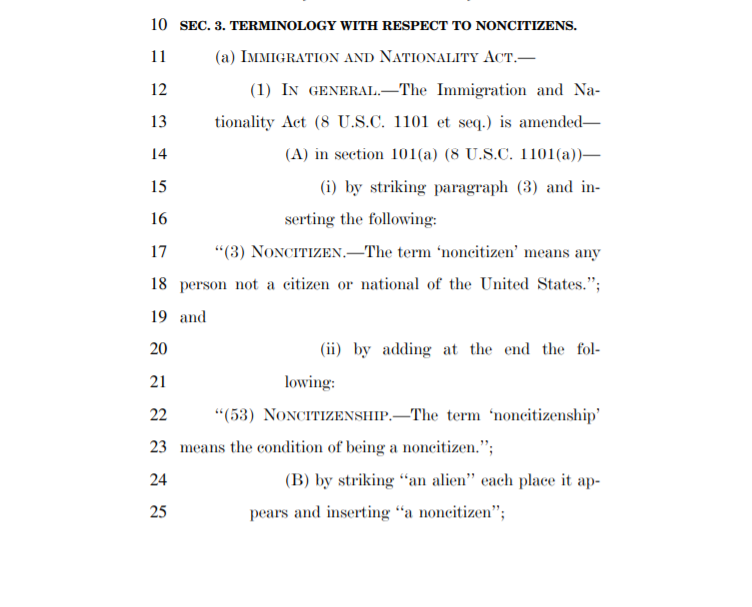
First the Bill makes a series of promises changes to the way we talk about immigrants and immigration law.
Gone would be the term "alien" and in its place is "noncitizen."
Also gone would be the term "alienage," replaced with "noncitizenship."
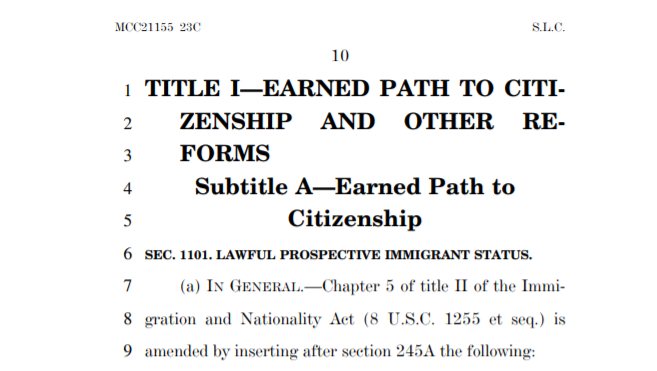
Now we get to the "earned path to citizenship" for all undocumented immigrants present in the United States on January 1, 2021.
Under this bill, anyone who satisfies the eligibility criteria for a new "lawful prospective immigrant status" can come out of the shadows.
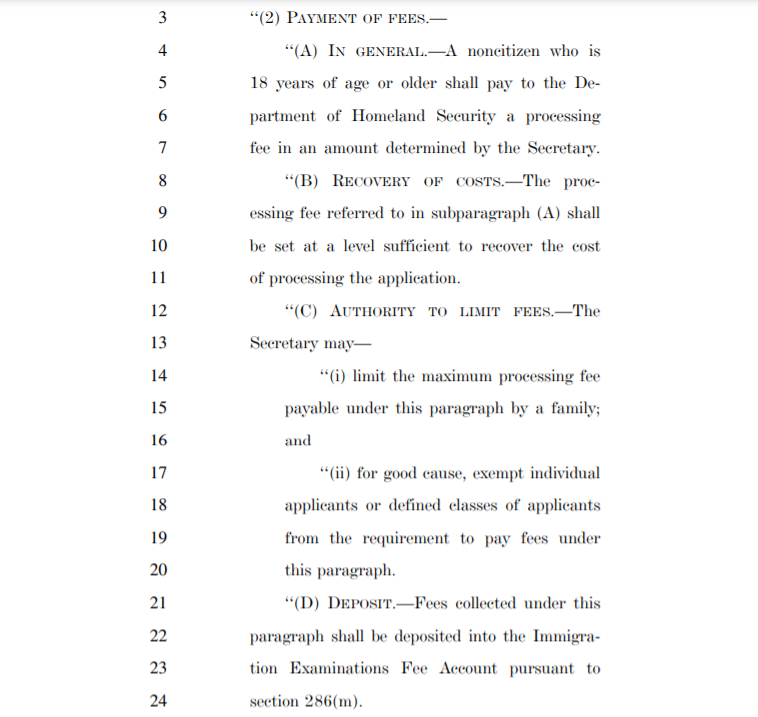
So, what are the eligibility criteria for becoming a "lawful prospective immigrant status"? Those are in a new INA 245G and include:
- Payment of the appropriate fees
- Continuous presence after January 1, 2021
- Not having certain criminal record (but there's a waiver)
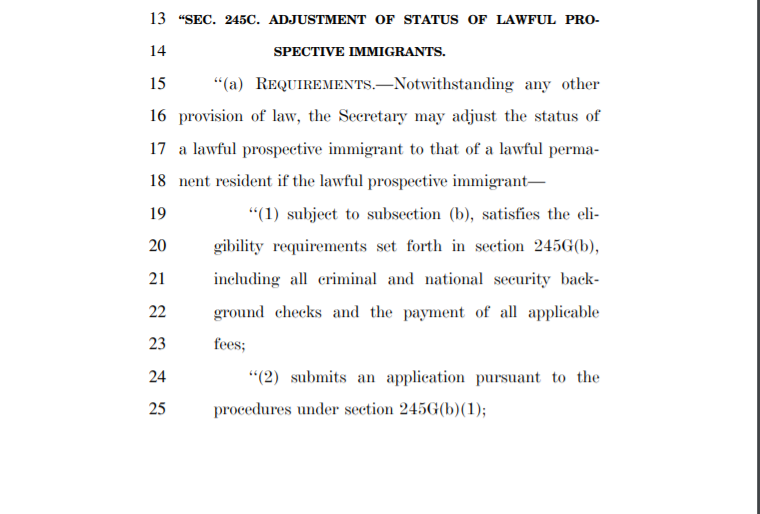
After a person has been in "lawful prospective immigrant status" for at least 5 years, they can apply for a green card, so long as they still pass background checks and have paid back any taxes they are required to do so by law.
However! Some groups don't have to wait 5 years.
Thread:
The immigration bill text is out!
— Nicole Narea (@nicolenarea) February 18, 2021
Senate version: https://t.co/aJUmtVW6Ir
House version: https://t.co/JMKjQaDi04
Excuse me while I go at this with a highlighter.
First the Bill makes a series of promises changes to the way we talk about immigrants and immigration law.
Gone would be the term "alien" and in its place is "noncitizen."
Also gone would be the term "alienage," replaced with "noncitizenship."
Now we get to the "earned path to citizenship" for all undocumented immigrants present in the United States on January 1, 2021.
Under this bill, anyone who satisfies the eligibility criteria for a new "lawful prospective immigrant status" can come out of the shadows.
So, what are the eligibility criteria for becoming a "lawful prospective immigrant status"? Those are in a new INA 245G and include:
- Payment of the appropriate fees
- Continuous presence after January 1, 2021
- Not having certain criminal record (but there's a waiver)
After a person has been in "lawful prospective immigrant status" for at least 5 years, they can apply for a green card, so long as they still pass background checks and have paid back any taxes they are required to do so by law.
However! Some groups don't have to wait 5 years.


