Next up is @ElseyVicki talking about "Faking it, creating it and making it: the pillars of professional identification in Occupational Psychology". #DOPconf

What are the five pillars and why do they matter for employability? Ensuring MSc graduates have somewhere to go. #DOPconf
Vicki looked at career stories and how graduates forged their identity into the profession. Identification precursor to identity, but is more outward-facing. This research interviewed 20 MSc graduates, aged 22-63, about their career. #DOPconf
These interviews led to five pillar model. First pillar is Education and Learning, with continual life-long learning contributing to identity-forming. #DOPconf
Second pillar is Networking and Building Relationships. Who is in your network and how do you support each other? Those connected to #weareoccpsychs found identity-building stronger, with networking being very important. #DOPconf
Third pillar is Managing Challenges. Awareness of what OP is, working in aligned fields, varied titles can be confusing (eg business / occupational etc.). Concern over employability, so graduates can feel "stuck". What is your elevator pitch? #DOPconf
Fourth pillar is Career Crafting, shaping roles, asking for responsibility, building relationships, carving out your own path over and above job titles. #DOPconf
Fifth pillar is Professional Recognition and Authenticity. Helping people to sell themselves can help, with chartership not always perceived as important. #DOPconf
Vicki says that individuals can move between pillars, but to start, education is important, with experienced #weareoccpsychs vital to encourage education in those starting out to build community. #DOPconf
Networking and mentoring are also crucially helpful, and advice is to use all 5 pillars to manage challenges. @ElseyVicki emphasises the joy we can take in making our own way. It's your career, do it your way. #DOPconf
What will help you? Creating a solid brand as a professional community will help us all. #weareoccpsychs #DOPconf
@ElseyVicki will be taking live questions now.

More from Society

You May Also Like

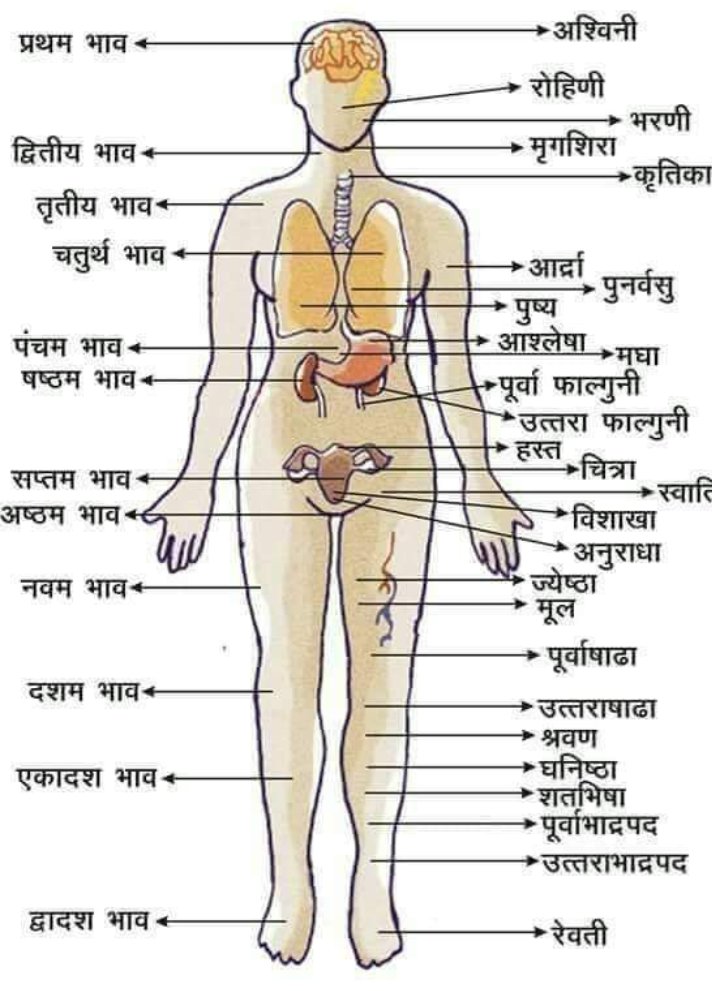
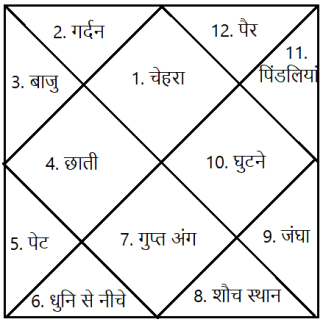
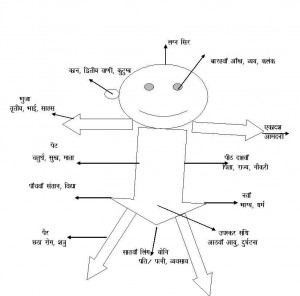
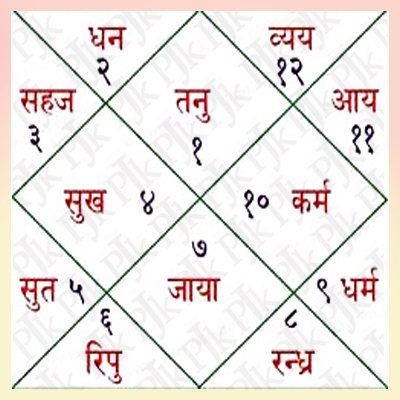
कुंडली में 12 भाव होते हैं। कैसे ज्योतिष द्वारा रोग के आंकलन करते समय कुंडली के विभिन्न भावों से गणना करते हैं आज इस पर चर्चा करेंगे।
कुण्डली को कालपुरुष की संज्ञा देकर इसमें शरीर के अंगों को स्थापित कर उनसे रोग, रोगेश, रोग को बढ़ाने घटाने वाले ग्रह


रोग की स्थिति में उत्प्रेरक का कार्य करने वाले ग्रह, आयुर्वेदिक/ऐलोपैथी/होमियोपैथी में से कौन कारगर होगा इसका आँकलन, रक्त विकार, रक्त और आपरेशन की स्थिति, कौन सा आंतरिक या बाहरी अंग प्रभावित होगा इत्यादि गणना करने में कुंडली का प्रयोग किया जाता है।


मेडिकल ज्योतिष में आज के समय में Dr. K. S. Charak का नाम निर्विवाद रूप से प्रथम स्थान रखता है। उनकी लिखी कई पुस्तकें आज इस क्षेत्र में नए ज्योतिषों का मार्गदर्शन कर रही हैं।
प्रथम भाव -
इस भाव से हम व्यक्ति की रोगप्रतिरोधक क्षमता, सिर, मष्तिस्क का विचार करते हैं।


द्वितीय भाव-
दाहिना नेत्र, मुख, वाणी, नाक, गर्दन व गले के ऊपरी भाग का विचार होता है।
तृतीय भाव-
अस्थि, गला,कान, हाथ, कंधे व छाती के आंतरिक अंगों का शुरुआती भाग इत्यादि।

चतुर्थ भाव- छाती व इसके आंतरिक अंग, जातक की मानसिक स्थिति/प्रकृति, स्तन आदि की गणना की जाती है


पंचम भाव-
जातक की बुद्धि व उसकी तीव्रता,पीठ, पसलियां,पेट, हृदय की स्थिति आंकलन में प्रयोग होता है।

षष्ठ भाव-
रोग भाव कहा जाता है। कुंडली मे इसके तत्कालिक भाव स्वामी, कालपुरुष कुंडली के स्वामी, दृष्टि संबंध, रोगेश की स्थिति, रोगेश के नक्षत्र औऱ रोगेश व भाव की डिग्री इत्यादि।