Beginning to learn and understand that my "inner critic" - the voice that harshly criticizes and shames me - is only and has always only been attempting to protect me, to act to curtail or stop behavior that in the past has gotten us harmed - has made dealing w/it much easier.
More from Society

A long thread on how an obsessive & violent antisemite & Holocaust denier has been embraced by the international “community of the good.”
Sarah Wilkinson has a history of Holocaust denial & anti-Jewish hatred dating back (in documented examples) to around 2015.
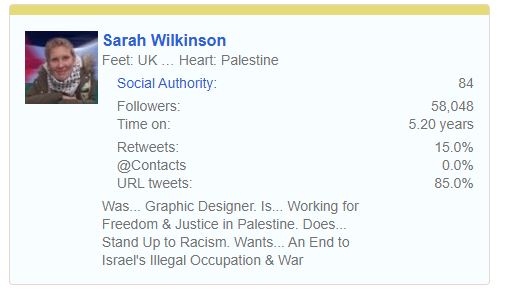
She is a self-proclaimed British activist for “Palestinian rights” but is more accurately a far Left neo-Nazi. Her son shares the same characteristics of violence, racism & Holocaust denial.
I first documented Sarah Wilkinson’s Holocaust denial back in July 2016. I believe I was the 1st person to do so.
Since then she has produced a long trail of written hate and abuse. See here for a good summary.
Wilkinson has recently been publicly celebrated by @XRebellionUK over her latest violent action against a Jewish owned business. Despite many people calling XR’s attention to her history, XR have chosen to remain in alliance with this neo-Nazi.
Former Labour Shadow Chancellor John McDonnell MP is among those who also chose to stand with Wilkinson via a tweet.
But McDonnell is not alone.
Neo-Nazi Sarah Wilkinson is supported and encouraged by thousands of those on the Left who consider themselves “anti-racists”.
Sarah Wilkinson has a history of Holocaust denial & anti-Jewish hatred dating back (in documented examples) to around 2015.
She is a self-proclaimed British activist for “Palestinian rights” but is more accurately a far Left neo-Nazi. Her son shares the same characteristics of violence, racism & Holocaust denial.
I first documented Sarah Wilkinson’s Holocaust denial back in July 2016. I believe I was the 1st person to do so.
Since then she has produced a long trail of written hate and abuse. See here for a good summary.
The internet is forever. https://t.co/zxBV7rjskB
— Heidi Bachram (@HeidiBachram) February 2, 2021
Wilkinson has recently been publicly celebrated by @XRebellionUK over her latest violent action against a Jewish owned business. Despite many people calling XR’s attention to her history, XR have chosen to remain in alliance with this neo-Nazi.
Former Labour Shadow Chancellor John McDonnell MP is among those who also chose to stand with Wilkinson via a tweet.
But McDonnell is not alone.
Neo-Nazi Sarah Wilkinson is supported and encouraged by thousands of those on the Left who consider themselves “anti-racists”.



Two things can be true at once:
1. There is an issue with hostility some academics have faced on some issues
2. Another academic who himself uses threats of legal action to bully colleagues into silence is not a good faith champion of the free speech cause
I have kept quiet about Matthew's recent outpourings on here but as my estwhile co-author has now seen fit to portray me as an enabler of oppression I think I have a right to reply. So I will.
I consider Matthew to be a colleague and a friend, and we had a longstanding agreement not to engage in disputes on twitter. I disagree with much in the article @UOzkirimli wrote on his research in @openDemocracy but I strongly support his right to express such critical views
I therefore find it outrageous that Matthew saw fit to bully @openDemocracy with legal threats, seeking it seems to stifle criticism of his own work. Such behaviour is simply wrong, and completely inconsistent with an academic commitment to free speech.
I am not embroiling myself in the various other cases Matt lists because, unlike him, I think attention to the detail matters and I don't have time to research each of these cases in detail.
1. There is an issue with hostility some academics have faced on some issues
2. Another academic who himself uses threats of legal action to bully colleagues into silence is not a good faith champion of the free speech cause
How about Selina Todd, Kathleen Stock, Jo Phoenix, Rachel Ara, Sarah Honeychurch, Michele Moore, Nina Power, Joanna Williams, Jenny Murray, Julia Gasper ...
— Matt Goodwin (@GoodwinMJ) February 17, 2021
Or is it only Eric you pop at?
Are they all making it up too Rob?
Are they "beyond parody"? https://t.co/drQssTD0OL
I have kept quiet about Matthew's recent outpourings on here but as my estwhile co-author has now seen fit to portray me as an enabler of oppression I think I have a right to reply. So I will.
I consider Matthew to be a colleague and a friend, and we had a longstanding agreement not to engage in disputes on twitter. I disagree with much in the article @UOzkirimli wrote on his research in @openDemocracy but I strongly support his right to express such critical views
I therefore find it outrageous that Matthew saw fit to bully @openDemocracy with legal threats, seeking it seems to stifle criticism of his own work. Such behaviour is simply wrong, and completely inconsistent with an academic commitment to free speech.
I am not embroiling myself in the various other cases Matt lists because, unlike him, I think attention to the detail matters and I don't have time to research each of these cases in detail.
You May Also Like


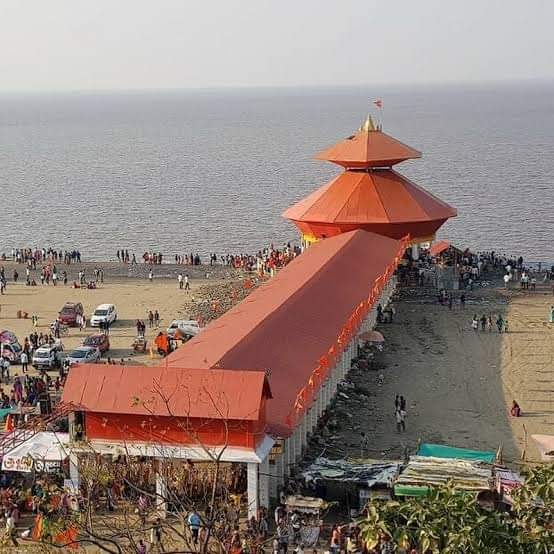
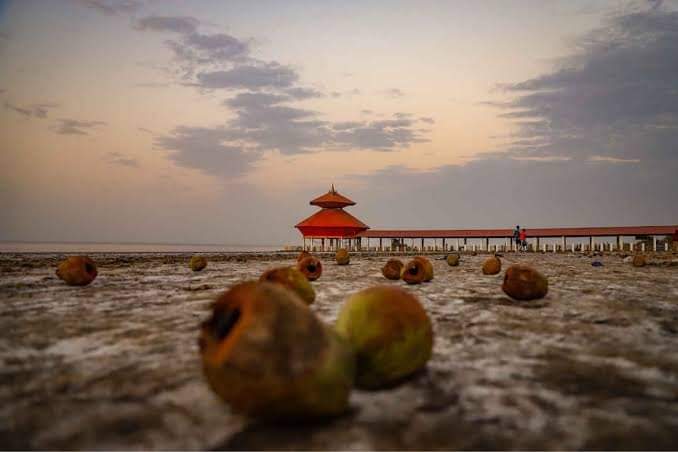

I'm going to do two history threads on Ethiopia, one on its ancient history, one on its modern story (1800 to today). 🇪🇹
I'll begin with the ancient history ... and it goes way back. Because modern humans - and before that, the ancestors of humans - almost certainly originated in Ethiopia. 🇪🇹 (sub-thread):
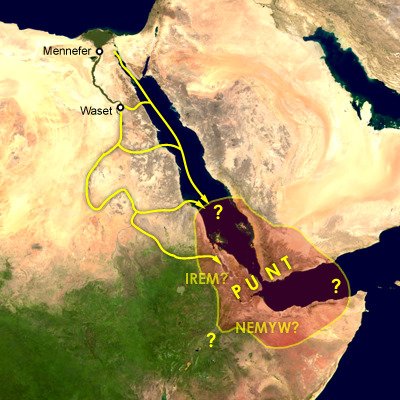
The first likely historical reference to Ethiopia is ancient Egyptian records of trade expeditions to the "Land of Punt" in search of gold, ebony, ivory, incense, and wild animals, starting in c 2500 BC 🇪🇹
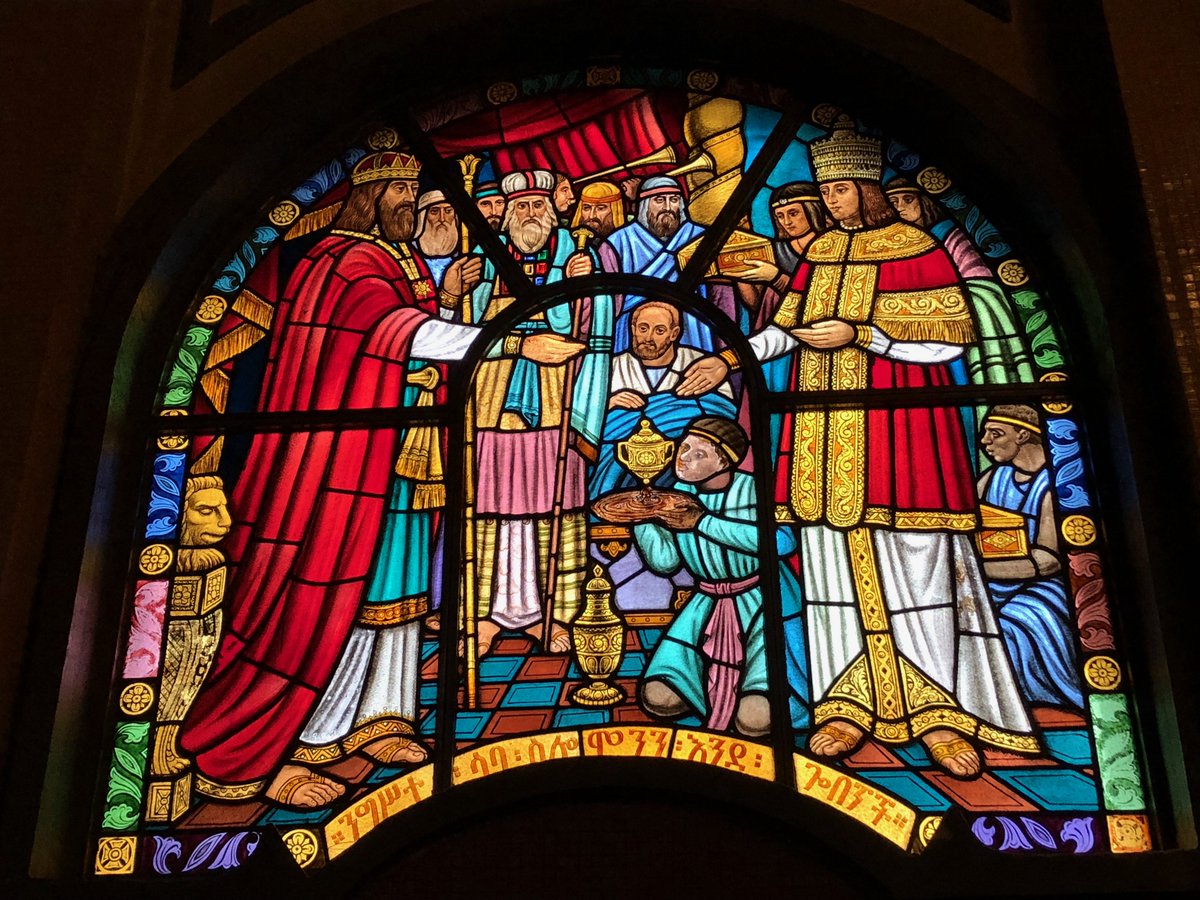
Ethiopians themselves believe that the Queen of Sheba, who visited Israel's King Solomon in the Bible (c 950 BC), came from Ethiopia (not Yemen, as others believe). Here she is meeting Solomon in a stain-glassed window in Addis Ababa's Holy Trinity Church. 🇪🇹
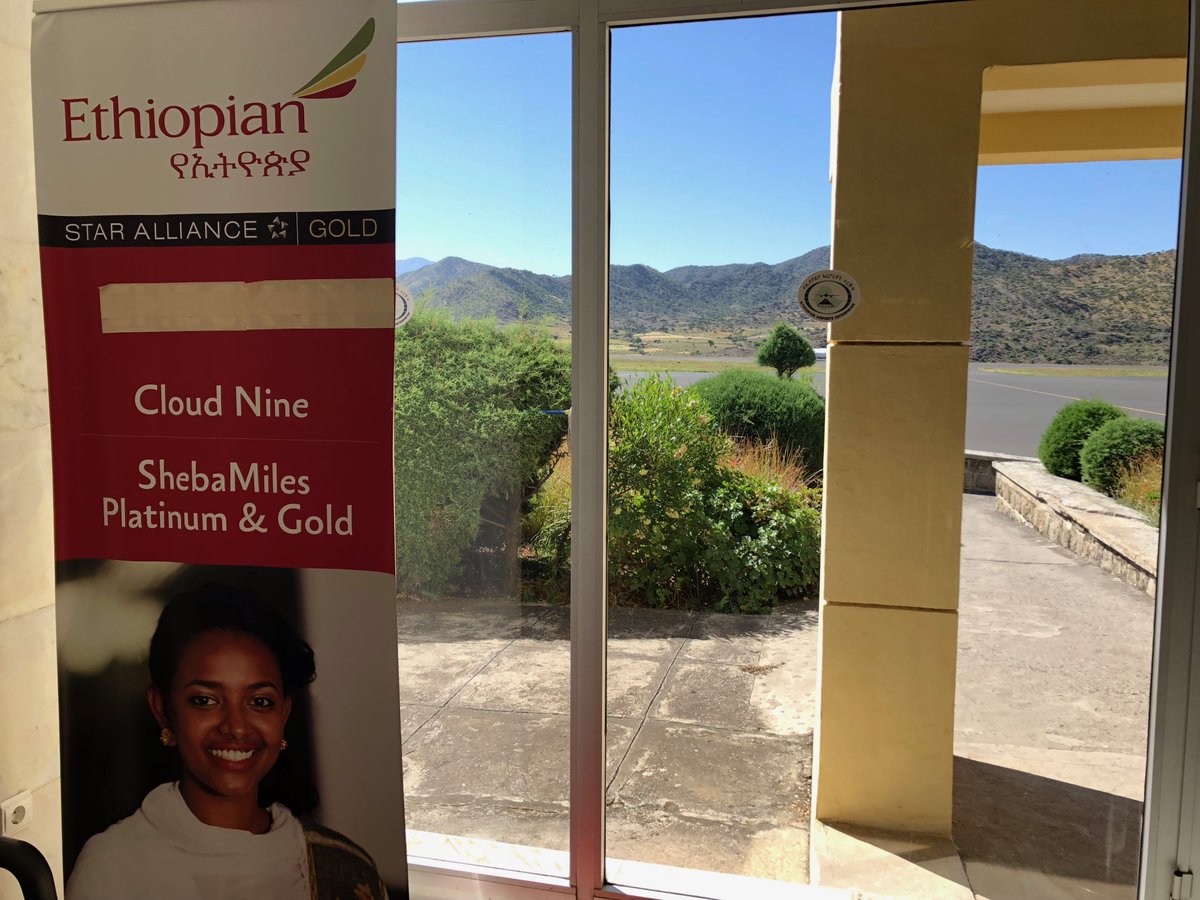
References to the Queen of Sheba are everywhere in Ethiopia. The national airline's frequent flier miles are even called "ShebaMiles". 🇪🇹
I'll begin with the ancient history ... and it goes way back. Because modern humans - and before that, the ancestors of humans - almost certainly originated in Ethiopia. 🇪🇹 (sub-thread):
The famous \u201cLucy\u201d, an early ancestor of modern humans (Australopithecus) that lived 3.2 million years ago, and was discovered in 1974 in Ethiopia, displayed in the national museum in Addis Ababa \U0001f1ea\U0001f1f9 pic.twitter.com/N3oWqk1SW2
— Patrick Chovanec (@prchovanec) November 9, 2018
The first likely historical reference to Ethiopia is ancient Egyptian records of trade expeditions to the "Land of Punt" in search of gold, ebony, ivory, incense, and wild animals, starting in c 2500 BC 🇪🇹
Ethiopians themselves believe that the Queen of Sheba, who visited Israel's King Solomon in the Bible (c 950 BC), came from Ethiopia (not Yemen, as others believe). Here she is meeting Solomon in a stain-glassed window in Addis Ababa's Holy Trinity Church. 🇪🇹
References to the Queen of Sheba are everywhere in Ethiopia. The national airline's frequent flier miles are even called "ShebaMiles". 🇪🇹