
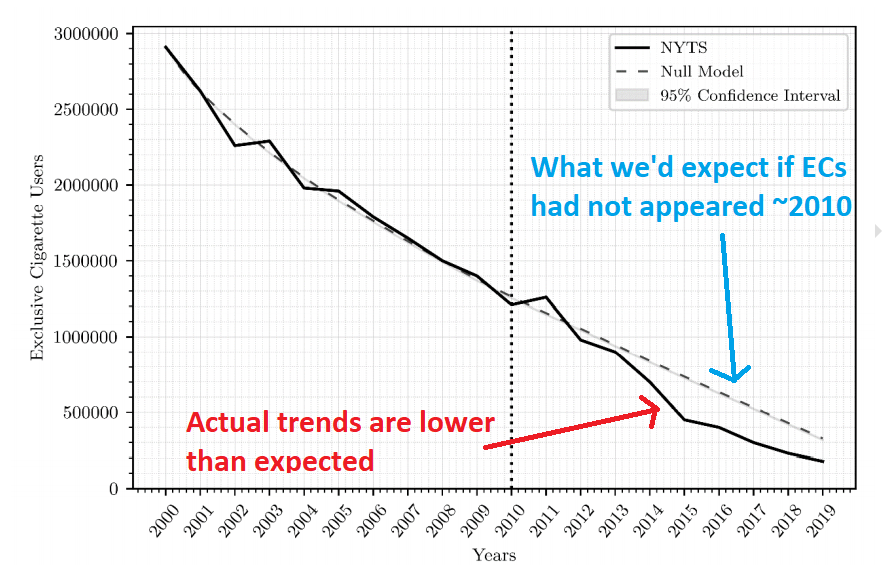
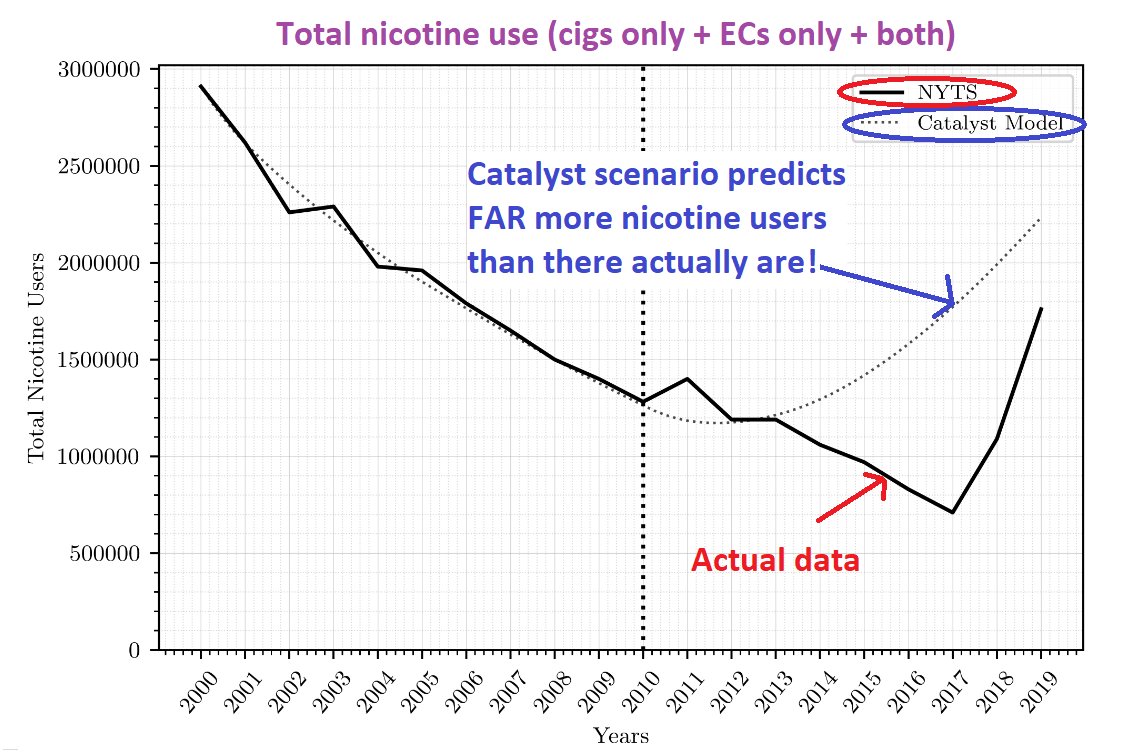
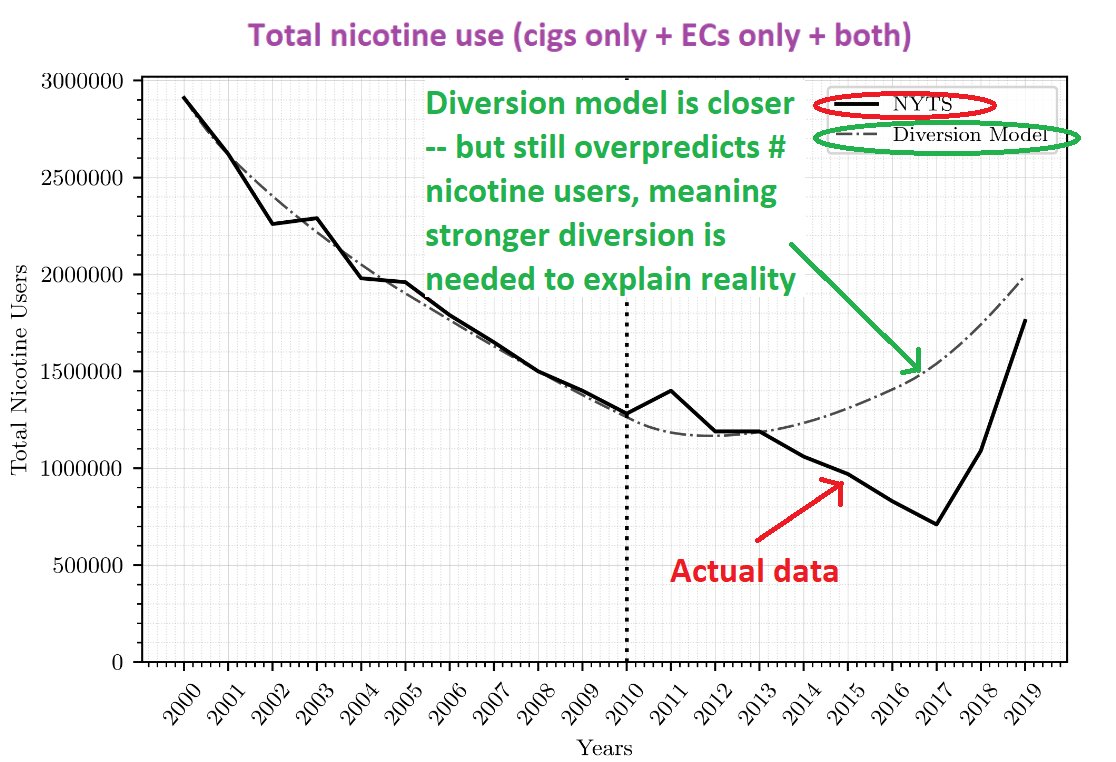
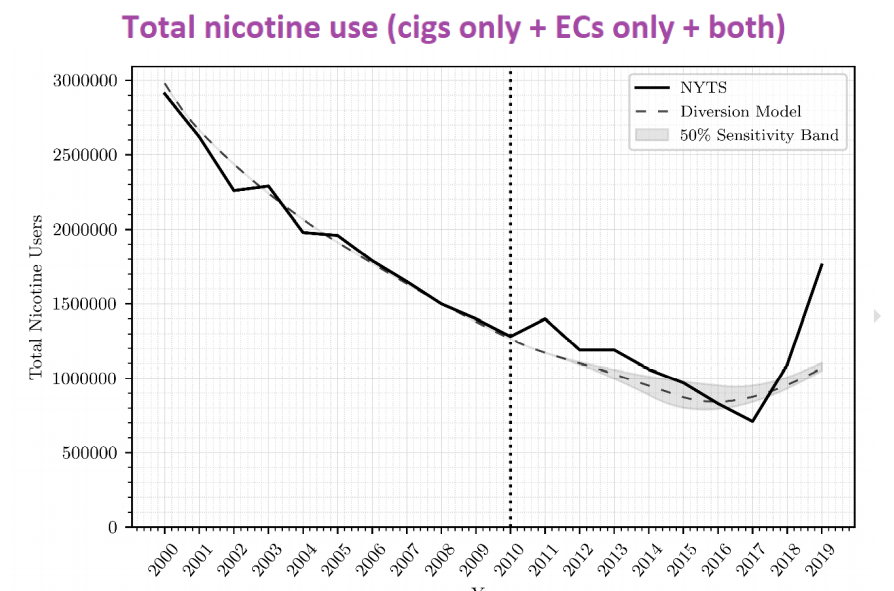
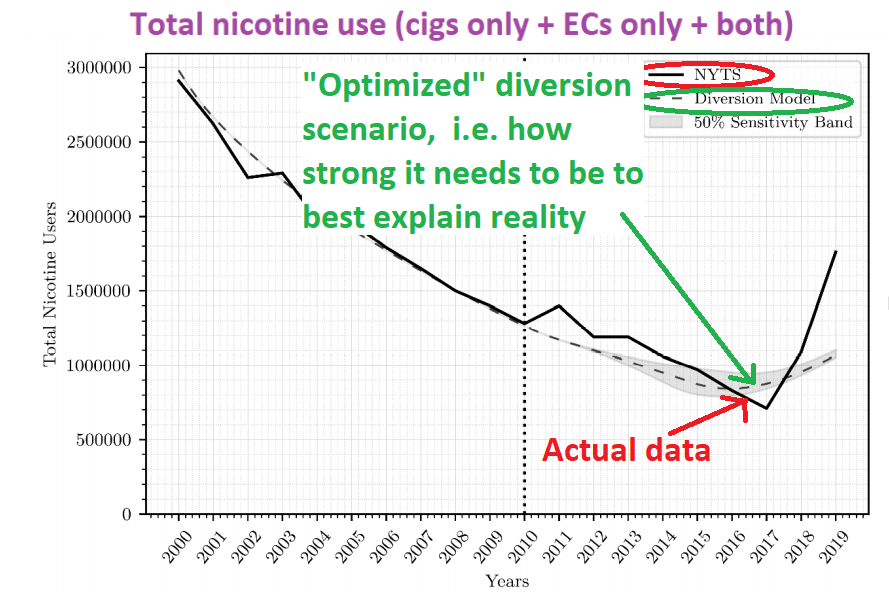
1/14 How do e-cigarettes (ECs) affect cigarette smoking among youth? My new paper with @FloeFoxon simulates each scenario and finds out which one best matches actual trends... https://t.co/dBB7kcnTls @jgitchell @mikepesko @SwitchFinder @jkelovuori @TobPolicy @Clive_Bates

More from Society


The Nashville Operation - A Battle in the War
A thread exploring the Nashville bombing in the context of the 2020 Digital War (via SolarWinds) against the United States perpetrated by our enemies, likely China, Iran and/or Russia.

SolarWinds Hack
A digital "Pearl Harbor" moment for the United States, whoever was responsible had access to the keys to the kingdom for months during 2020, including sensitive military infrastructure. This is war!
SunGard + SolarWinds
SolarWinds software company is owned by same company that owns SunGard, which essentially provides data center services. A secure place to host internet servers with redundant power and "big pipe" data connections.
https://t.co/U3P3SrrkM1

SunGard Data Center
In Nashville, around the corner from their "big pipe" connection, AT&T. Like any data center, highly secure. Only authorized personnel can enter, and even fewer can access the actual server rooms. Backup generators are available in case of power failure.

If the SunGard hardware was being used to "host" critical command and control software related to SolarWinds, the US powers would be very interested in gaining special access keys that are stored on the hard-drives of specific servers.

A thread exploring the Nashville bombing in the context of the 2020 Digital War (via SolarWinds) against the United States perpetrated by our enemies, likely China, Iran and/or Russia.
SolarWinds Hack
A digital "Pearl Harbor" moment for the United States, whoever was responsible had access to the keys to the kingdom for months during 2020, including sensitive military infrastructure. This is war!
SunGard + SolarWinds
SolarWinds software company is owned by same company that owns SunGard, which essentially provides data center services. A secure place to host internet servers with redundant power and "big pipe" data connections.
https://t.co/U3P3SrrkM1
SunGard Data Center
In Nashville, around the corner from their "big pipe" connection, AT&T. Like any data center, highly secure. Only authorized personnel can enter, and even fewer can access the actual server rooms. Backup generators are available in case of power failure.
If the SunGard hardware was being used to "host" critical command and control software related to SolarWinds, the US powers would be very interested in gaining special access keys that are stored on the hard-drives of specific servers.


You May Also Like










Keep dwelling on this:
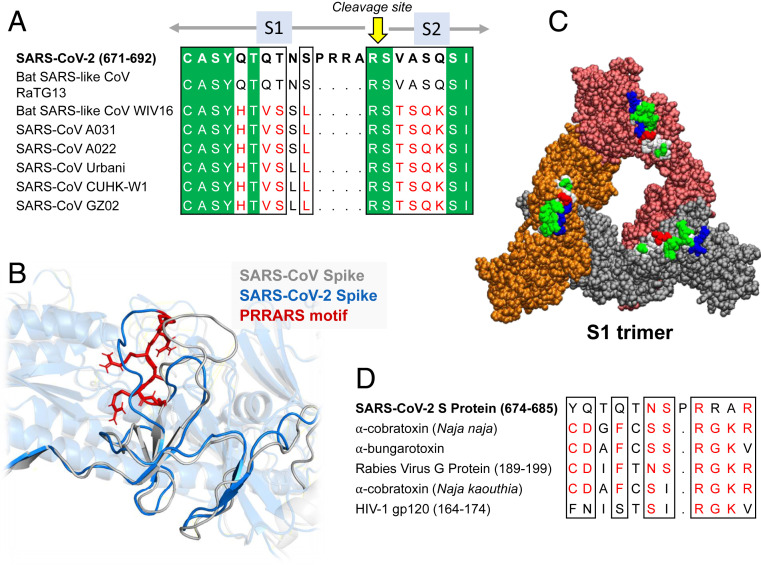
Further Examination of the Motif near PRRA Reveals Close Structural Similarity to the SEB Superantigen as well as Sequence Similarities to Neurotoxins and a Viral SAg.
The insertion PRRA together with 7 sequentially preceding residues & succeeding R685 (conserved in β-CoVs) form a motif, Y674QTQTNSPRRAR685, homologous to those of neurotoxins from Ophiophagus (cobra) and Bungarus genera, as well as neurotoxin-like regions from three RABV strains
(20) (Fig. 2D). We further noticed that the same segment bears close similarity to the HIV-1 glycoprotein gp120 SAg motif F164 to V174.
https://t.co/EwwJOSa8RK
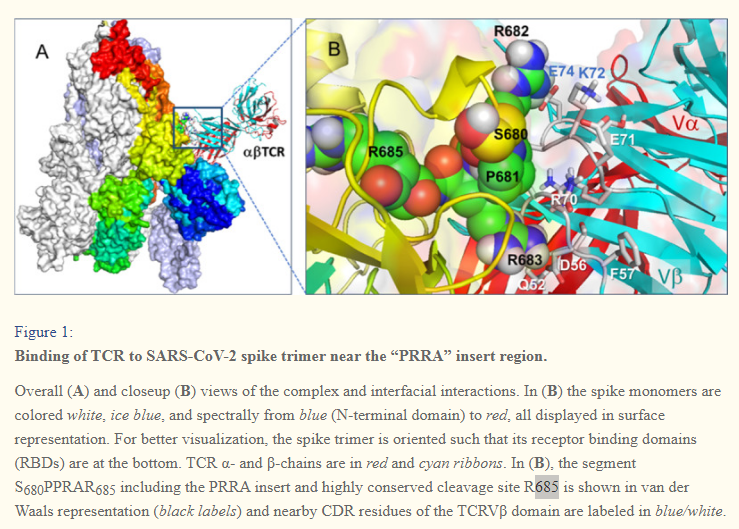
In (B), the segment S680PPRAR685 including the PRRA insert and highly conserved cleavage site *R685* is shown in van der Waals representation (black labels) and nearby CDR residues of the TCRVβ domain are labeled in blue/white
https://t.co/BsY8BAIzDa
Sequence Identity %
https://t.co/BsY8BAIzDa
Y674 - QTQTNSPRRA - R685
Similar to neurotoxins from Ophiophagus (cobra) & Bungarus genera & neurotoxin-like regions from three RABV strains
T678 - NSPRRA- R685
Superantigenic core, consistently aligned against bacterial or viral SAgs
Further Examination of the Motif near PRRA Reveals Close Structural Similarity to the SEB Superantigen as well as Sequence Similarities to Neurotoxins and a Viral SAg.
The insertion PRRA together with 7 sequentially preceding residues & succeeding R685 (conserved in β-CoVs) form a motif, Y674QTQTNSPRRAR685, homologous to those of neurotoxins from Ophiophagus (cobra) and Bungarus genera, as well as neurotoxin-like regions from three RABV strains
(20) (Fig. 2D). We further noticed that the same segment bears close similarity to the HIV-1 glycoprotein gp120 SAg motif F164 to V174.
https://t.co/EwwJOSa8RK
In (B), the segment S680PPRAR685 including the PRRA insert and highly conserved cleavage site *R685* is shown in van der Waals representation (black labels) and nearby CDR residues of the TCRVβ domain are labeled in blue/white
https://t.co/BsY8BAIzDa
Sequence Identity %
https://t.co/BsY8BAIzDa
Y674 - QTQTNSPRRA - R685
Similar to neurotoxins from Ophiophagus (cobra) & Bungarus genera & neurotoxin-like regions from three RABV strains
T678 - NSPRRA- R685
Superantigenic core, consistently aligned against bacterial or viral SAgs